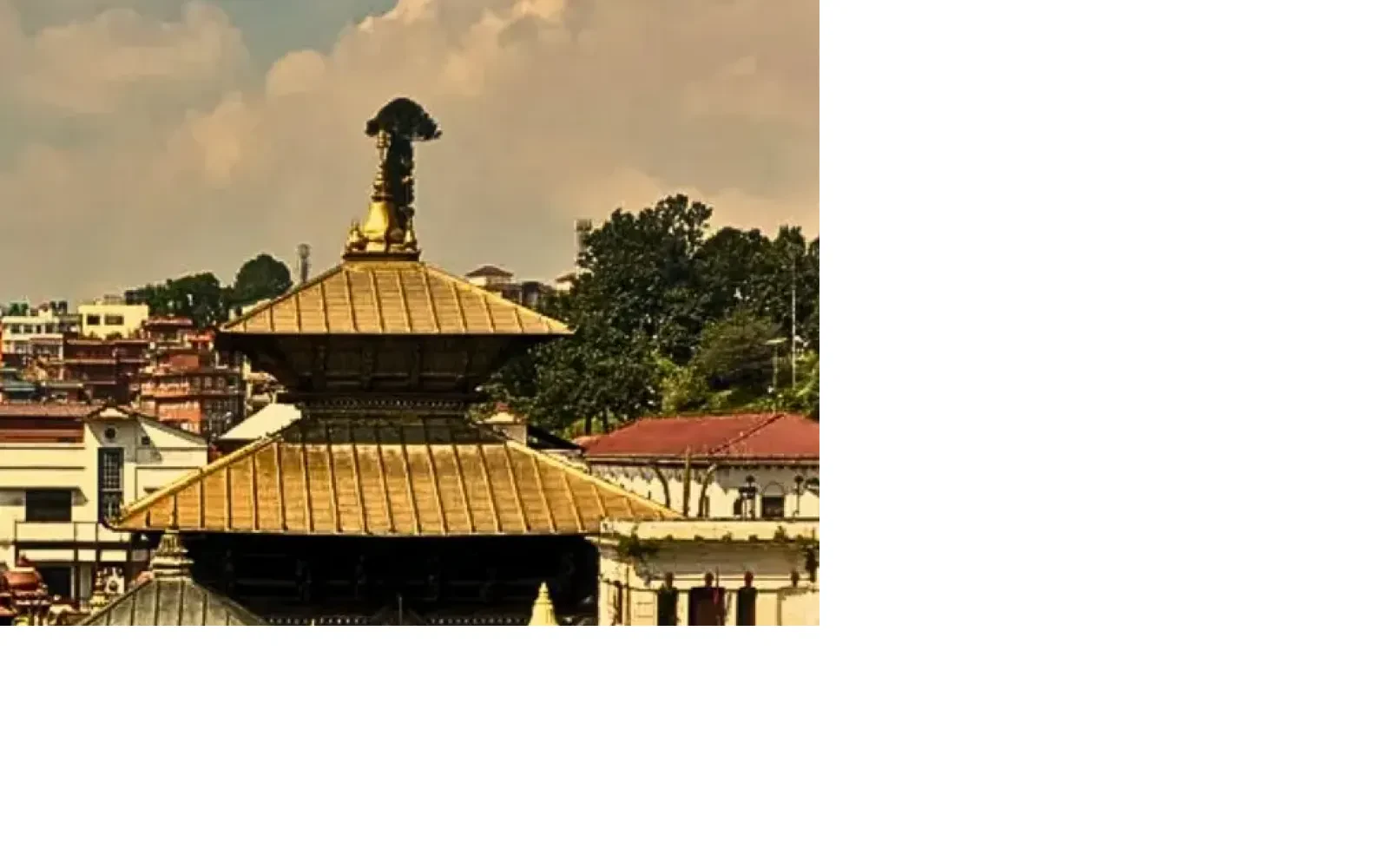
Pashupatinath Temple is one of the most sacred, historic, and culturally powerful landmarks in Nepal. Located in Kathmandu, on the banks of the holy Bagmati River, this ancient Hindu temple is dedicated to Lord Shiva, one of the most important deities in Hinduism. For millions of Hindus around the world, Pashupatinath is not only a temple but a place of deep faith, devotion, life, death, and spiritual liberation.
Recognized as a UNESCO World Heritage Site, Pashupatinath Temple is among the most visited religious and cultural attractions in Kathmandu Valley. Every year, thousands of pilgrims, tourists, photographers, researchers, and cultural travelers visit this holy site to experience its divine atmosphere, traditional architecture, cremation ghats, evening aarti, Hindu rituals, and timeless spiritual energy.
For travelers visiting Nepal, especially those planning a Kathmandu sightseeing tour, Pashupatinath Temple is a must-visit destination. Whether you are interested in religion, history, architecture, photography, culture, or simply want to understand the spiritual heart of Nepal, Pashupatinath offers an unforgettable experience.
At Karnali Rafting and Adventure Pvt. Ltd., we believe Nepal is more than mountains and adventure. Nepal is also a land of temples, myths, rivers, festivals, traditions, and living heritage. A visit to Pashupatinath Temple allows travelers to understand the spiritual side of Nepal before or after exploring its trekking trails, rafting rivers, jungles, and Himalayan landscapes.

Pashupatinath Temple is located in the eastern part of Kathmandu, near Tribhuvan International Airport. The temple lies beside the Bagmati River, which is considered sacred by Hindus. The surrounding temple complex includes shrines, statues, ashrams, cremation platforms, courtyards, stone steps, monasteries, and small temples dedicated to different Hindu gods and goddesses.
The temple’s location makes it easily accessible for visitors arriving in Kathmandu. Many travelers visit Pashupatinath on their first or last day in Nepal because it is close to the airport and can be combined with other famous Kathmandu attractions such as Boudhanath Stupa, Guhyeshwari Temple, Kathmandu Durbar Square, Swayambhunath Stupa, and Patan Durbar Square.
Pashupatinath is not just important because of its architecture or age. Its true importance comes from its spiritual meaning. In Hindu belief, Lord Shiva is worshipped here as Pashupatinath, meaning “Lord of all living beings” or “Lord of animals.” This form of Shiva represents protection, creation, destruction, transformation, and liberation.
For many Hindu devotees, visiting Pashupatinath Temple is a lifetime dream. Pilgrims come here to pray, make offerings, perform rituals, receive blessings, and seek freedom from suffering. The temple is also closely connected with death rituals. Many Hindus believe that being cremated on the banks of the Bagmati River near Pashupatinath helps the soul move toward moksha, or liberation from the cycle of birth and rebirth.
For international visitors, Pashupatinath Temple offers a rare chance to witness Hindu life and philosophy in its raw and living form. It is a place where celebration and grief, devotion and silence, life and death exist together.

The exact origin of Pashupatinath Temple is difficult to confirm, but historical records suggest that the temple has existed for many centuries. It is believed that the original shrine may date back to around the 5th century, although the temple has been renovated, expanded, and restored many times by different rulers and devotees.
Legend of Lord Shiva as a Deer, Legend of the Divine Cow
One popular legend says that Lord Shiva and Goddess Parvati once visited the Kathmandu Valley. The valley was peaceful, green, and full of natural beauty. Lord Shiva became so enchanted by the forest near the Bagmati River that he decided to remain there in the form of a deer.
When the gods searched for Shiva, they finally found him in the forest. However, Shiva did not want to leave. During the attempt to bring him back, one of his horns broke. The broken horn was later worshipped as a sacred Shiva Lingam. From this legend, Shiva became known as Pashupatinath, the lord and protector of all animals and living beings.
Another well-known legend tells of a sacred cow that used to visit a particular spot every day and pour milk on the ground. People became curious and dug the area. Beneath the soil, they discovered a glowing Shiva Lingam. This sacred spot later became the location of Pashupatinath Temple.
These legends are not just stories. They express the deep spiritual connection between nature, animals, rivers, humans, and divinity in Hindu belief. They also show why Pashupatinath is considered one of the most powerful Shiva temples in Nepal.
Pashupatinath Temple is a remarkable example of traditional Nepali pagoda-style architecture. The main temple has a two-tiered golden roof, silver-plated doors, carved wooden windows, and detailed artwork that reflects the skill of ancient Nepali craftsmen. The temple design is both beautiful and symbolic, linking earthly devotion with divine presence. The central shrine houses the sacred Shiva Lingam, which is the spiritual heart of the entire complex. Only Hindus are allowed to enter the main temple building, but non-Hindu visitors can observe the temple from outside and explore the surrounding areas of the complex. In front of the main temple sits a large statue of Nandi, the sacred bull and loyal vehicle of Lord Shiva. Nandi faces the main shrine, symbolizing devotion, strength, patience, and spiritual focus. Devotees often offer prayers to Nandi before worshipping Lord Shiva.
The Pashupatinath complex is not limited to one temple. It includes hundreds of smaller shrines, stone statues, courtyards, lingams, ghats, and sacred resting areas. Visitors can find temples dedicated to Lord Ganesha, Lord Vishnu, Goddess Parvati, Hanuman, and many other Hindu deities. The temple complex also works like an open-air museum of Hindu culture and Nepali religious art. The carved woodwork, stone images, sacred symbols, and traditional structures show the artistic richness of Kathmandu Valley. For travelers interested in architecture, Pashupatinath is one of the finest examples of Nepal's temple heritage.
Pashupatinath Temple is spiritually active throughout the year, but it becomes especially vibrant during major Hindu festivals. These festivals attract thousands of devotees from Nepal, India, and other countries. For visitors, festival time is one of the best opportunities to witness the temple at its most colorful and energetic.
Maha Shivaratri is the biggest and most important festival celebrated at Pashupatinath Temple. Dedicated to Lord Shiva, it usually falls in February or March. During Maha Shivaratri, thousands of pilgrims visit the temple to pray, fast, meditate, and offer devotion to Shiva. The temple complex becomes full of sadhus, devotees, lights, music, incense, and religious energy.
Teej is another important festival, especially for Hindu women. Women wear red saris, sing devotional songs, dance, fast, and pray for marital happiness, family well-being, and blessings from Lord Shiva and Goddess Parvati. During Teej, the temple becomes colorful and crowded, creating one of the most visually beautiful festival scenes in Kathmandu.
The month of Shrawan, usually falling between July and August, is considered sacred to Lord Shiva. Every Monday during this month, devotees visit Shiva temples, including Pashupatinath, to offer prayers and holy water. Many devotees wear orange or yellow clothing and walk long distances as an act of faith.
Dashain, Tihar, Bala Chaturdashi, and other Hindu festivals are also observed at Pashupatinath. Each festival adds a different cultural flavor to the temple and gives visitors a chance to witness Nepal's living traditions in a powerful and authentic setting.
A visit to Pashupatinath Temple is not only about seeing the main shrine. The entire complex offers many meaningful experiences for cultural travelers, pilgrims, photographers, and anyone interested in Nepalese heritage.
Visitors can observe the main pagoda-style temple from outside. Although non-Hindus are not allowed inside the main temple building, the golden roof, silver doors, and surrounding courtyards are impressive and worth seeing.
The evening Bagmati Aarti is one of the most peaceful experiences at Pashupatinath. Priests perform rituals with oil lamps, music, chanting, and offerings to the Bagmati River. Many visitors find this ceremony emotional and unforgettable.
The cremation ghats are an important part of Pashupatinath's spiritual identity. Visitors can observe from a respectful distance. Photography of cremation rituals should be avoided unless clearly permitted, because these are private and sacred family moments.
Pashupatinath is also known for sadhus, or Hindu holy men. They often wear saffron robes, ash, beads, and traditional markings. Some sadhus allow photographs, but many expect a small donation. Visitors should always ask respectfully before taking photos.
The complex includes many small temples, stone shrines, sacred lingams, statues, and courtyards. Walking through these areas gives visitors a deeper understanding of Hindu worship and Nepali religious art. Nearby Guhyeshwari Temple and Boudhanath Stupa can also be included in the same sightseeing route.
Pashupatinath Temple is generally open from early morning to evening. The main temple area usually opens around 4:00 AM and closes around 7:00 PM. However, opening times can change during festivals, special rituals, or religious events, so travelers should check locally before visiting.
International tourists are usually required to pay an entrance fee to enter the Pashupatinath Temple complex. The fee is commonly around NPR 1000, but it may change. Travelers should confirm the latest rate before arrival.
Since Pashupatinath is a sacred religious site, visitors should dress respectfully. Clothing should cover shoulders and knees. Shorts, sleeveless tops, and revealing outfits are not recommended. Modest clothing shows respect for local culture and the religious environment.
Photography is allowed in many outer areas of the temple complex, but it is strictly prohibited inside the main temple. Visitors should also avoid taking photos of cremation rituals out of respect for grieving families.
The best time of day to visit is early morning or late afternoon. Morning visits are peaceful and spiritual, while evening visits are ideal for experiencing the Bagmati Aarti. The best seasons are spring and autumn, with autumn from September to November being especially popular for clear weather and major cultural festivals.
Visitors should speak quietly, avoid disturbing worshippers, follow temple rules, and respect local customs. Pashupatinath is not only a tourist attraction. It is an active place of worship and one of the holiest religious sites in Nepal.
Pashupatinath Temple is located in one of the most culturally rich areas of Kathmandu. Several important attractions can be visited nearby, making it easy to design a rewarding Kathmandu sightseeing tour.
Boudhanath Stupa is one of the largest Buddhist stupas in the world and one of the most peaceful places in Kathmandu. It is a major center of Tibetan Buddhism. Visitors can walk around the stupa, spin prayer wheels, visit monasteries, and enjoy rooftop views of the massive white dome and prayer flags.
Guhyeshwari Temple is located close to Pashupatinath and is dedicated to Goddess Parvati. It is an important Hindu pilgrimage site and can be included easily in the same visit.
Kathmandu Durbar Square is a historic royal palace area filled with temples, courtyards, museums, and traditional Newari architecture. It is another major heritage site in Kathmandu Valley and a great place to explore the old royal and artistic traditions of Nepal.
Swayambhunath Stupa, also known as the Monkey Temple, is located on a hilltop and offers panoramic views of Kathmandu Valley. It is sacred to both Buddhists and Hindus and is one of the most iconic landmarks of Nepal.
Patan Durbar Square is famous for ancient palaces, temples, museums, metalwork, stone carving, and Newari culture. Travelers interested in art and architecture should consider adding Patan to a full-day heritage itinerary.
Nepal is famous for trekking, rafting, mountains, wildlife, and adventure. But Nepal's true beauty also lies in its culture, temples, festivals, people, and spiritual traditions. Pashupatinath Temple is one of the best places to understand this deeper side of Nepal.
With Karnali Rafting and Adventure Pvt. Ltd., travelers can enjoy a well-planned Kathmandu sightseeing experience that combines comfort, cultural insight, local knowledge, and responsible tourism. Whether you are visiting Nepal for trekking, rafting, jungle safari, cultural tours, spiritual travel, or a mixed adventure itinerary, Pashupatinath Temple is a meaningful destination to include.
Karnali Rafting and Adventure Pvt. Ltd. offers more than river adventures. Our team helps travelers explore Nepal in a complete way - from thrilling whitewater rivers and Himalayan trails to ancient temples, heritage cities, sacred places, and cultural experiences.
Travel services can include Kathmandu sightseeing tours, Pashupatinath Temple visits, Boudhanath and Swayambhunath tours, cultural heritage tours in Nepal, rafting trips, trekking packages, jungle safari tours, and customized Nepal travel itineraries.
Our goal is to provide safe, friendly, informative, and memorable travel experiences for visitors from around the world. A temple visit with local guidance helps travelers understand not just what they are seeing, but why it matters to the people of Nepal.
- Carry some Nepali cash for entrance fees, small offerings, or local purchases.
- Wear modest clothing that covers shoulders and knees.
- Visit early morning for peaceful worship or evening for the Bagmati Aarti.
- Do not enter restricted areas if you are not Hindu.
- Avoid photographing cremation ceremonies and always respect families performing rituals.
- Combine Pashupatinath with Boudhanath Stupa for an excellent half-day Kathmandu tour.

Since its inception in 2010, Karnali Rafting and Adventure has emerged as a premier destination for thrill-seekers worldwide, offering unparalleled experiences on Nepal’s most exhilarating rivers. Managed and operated by a team

A 65-kilometre stretch between the Seti and Karnali rivers—rich in natural beauty and adventure potential—is now the focus of a comprehensive tourism development plan aimed at drawing domestic and international adventure seekers.

Join our 13-day Karnali River Rafting Expedition – Nepal’s longest and wildest river. Thrilling Class III–V rapids, remote jungle camping, and cultural encounters. Book now!