Need help with booking? Send us a message.
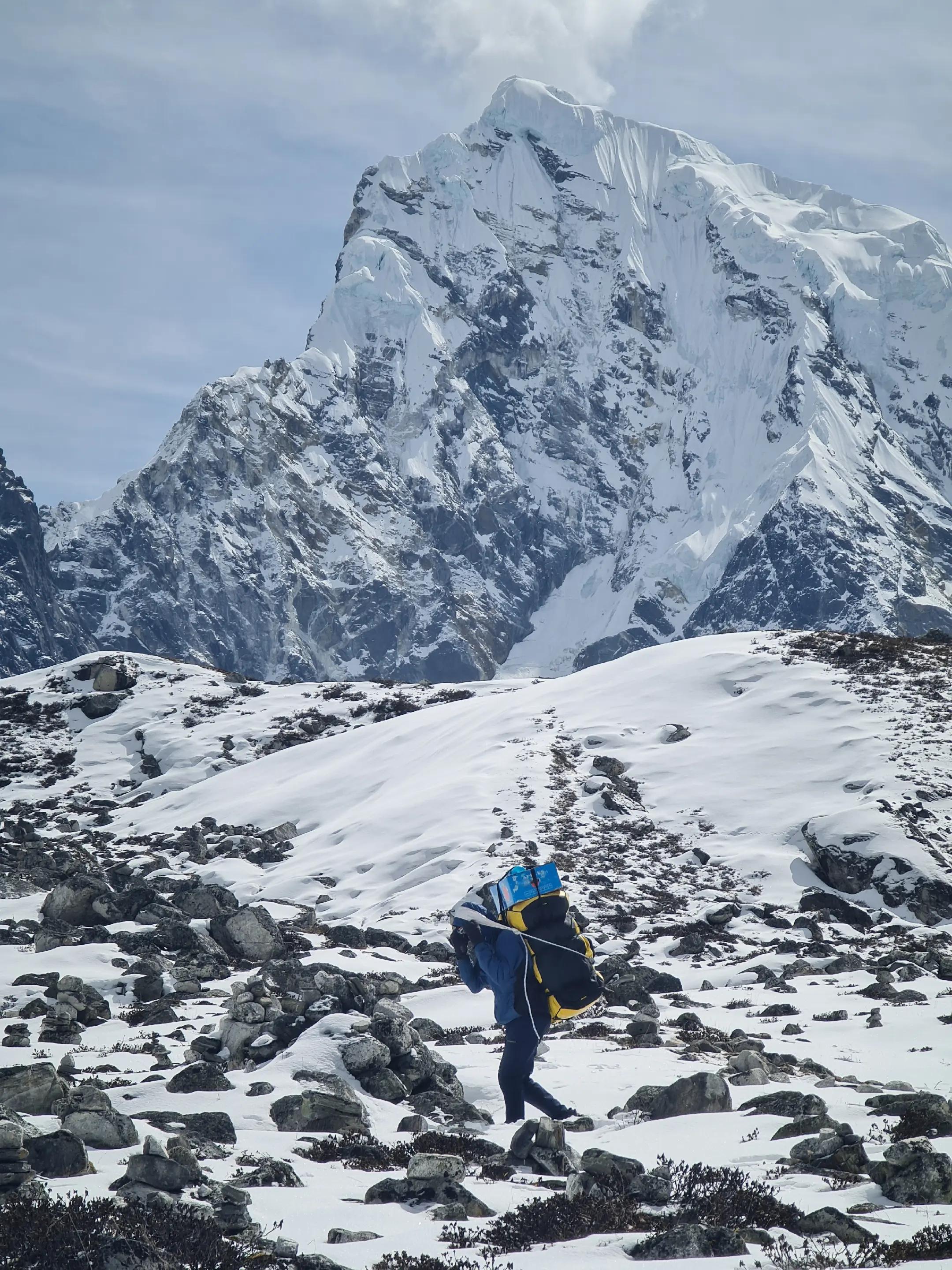
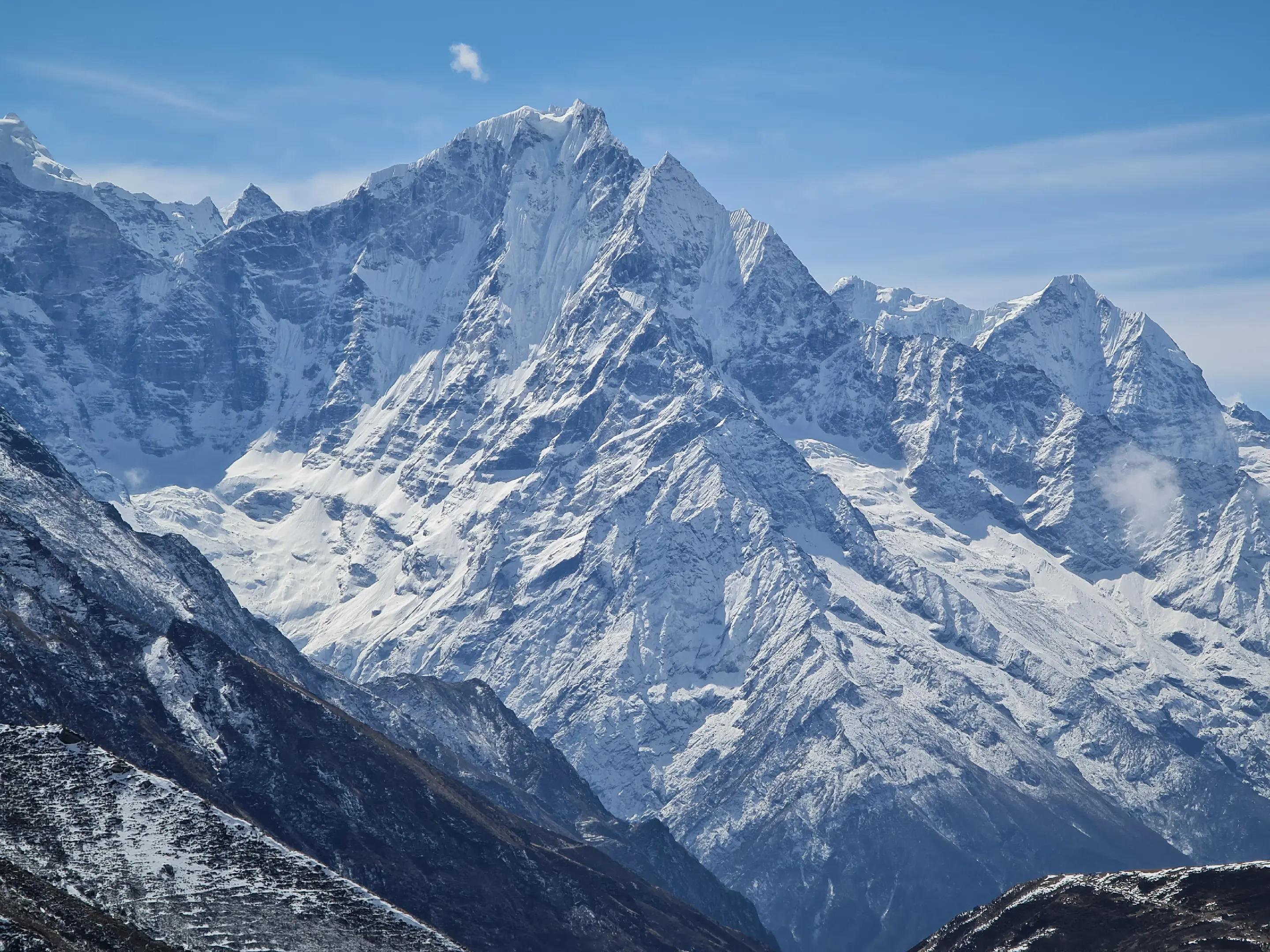
Embark on a breathtaking 14-day adventure through the hidden gems of the Everest Region. This trek takes you past five stunning turquoise glacial lakes, along the Ngozumpa Glacier, and up to the panoramic summit of Gokyo Ri (5,357m). From the bustling streets of Kathmandu to the high-altitude villages of the Himalayas, you’ll cross iconic suspension bridges, trek through pine forests and rhododendron valleys, and witness the majestic peaks of Everest, Lhotse, Cho Oyu, and Makalu. Along the way, immerse yourself in Sherpa culture, enjoy warm tea house hospitality, and experience the serenity of some of the most pristine landscapes on Earth. Perfect for adventure seekers, photographers, and culture enthusiasts, the Gokyo Lakes Trek is an unforgettable journey combining adventure, natural beauty, and cultural discovery in Nepal’s high Himalayas.
Tourist-Level Hotel And High-Quality Camping
Kathmandu → Ramechhap → Lukla → Phakding → Namche Bazaar → Dole → Machermo → Gokyo → Gokyo Lakes → Gokyo Ri → Dole → Namche Bazaar → Phakding → Lukla → Ramechhap → Kathmandu
The Gokyo Lakes Trek is truly one of the hidden gems of the Everest Region in Nepal, offering adventurers an extraordinary Himalayan experience. Unlike the traditional Everest Base Camp trek, this route is less crowded yet equally spectacular, making it perfect for those seeking tranquility, natural beauty, and cultural immersion. Over 14 unforgettable days, trekkers are treated to sweeping views of some of the world’s highest peaks, serene glacial lakes, and the vibrant Sherpa culture.
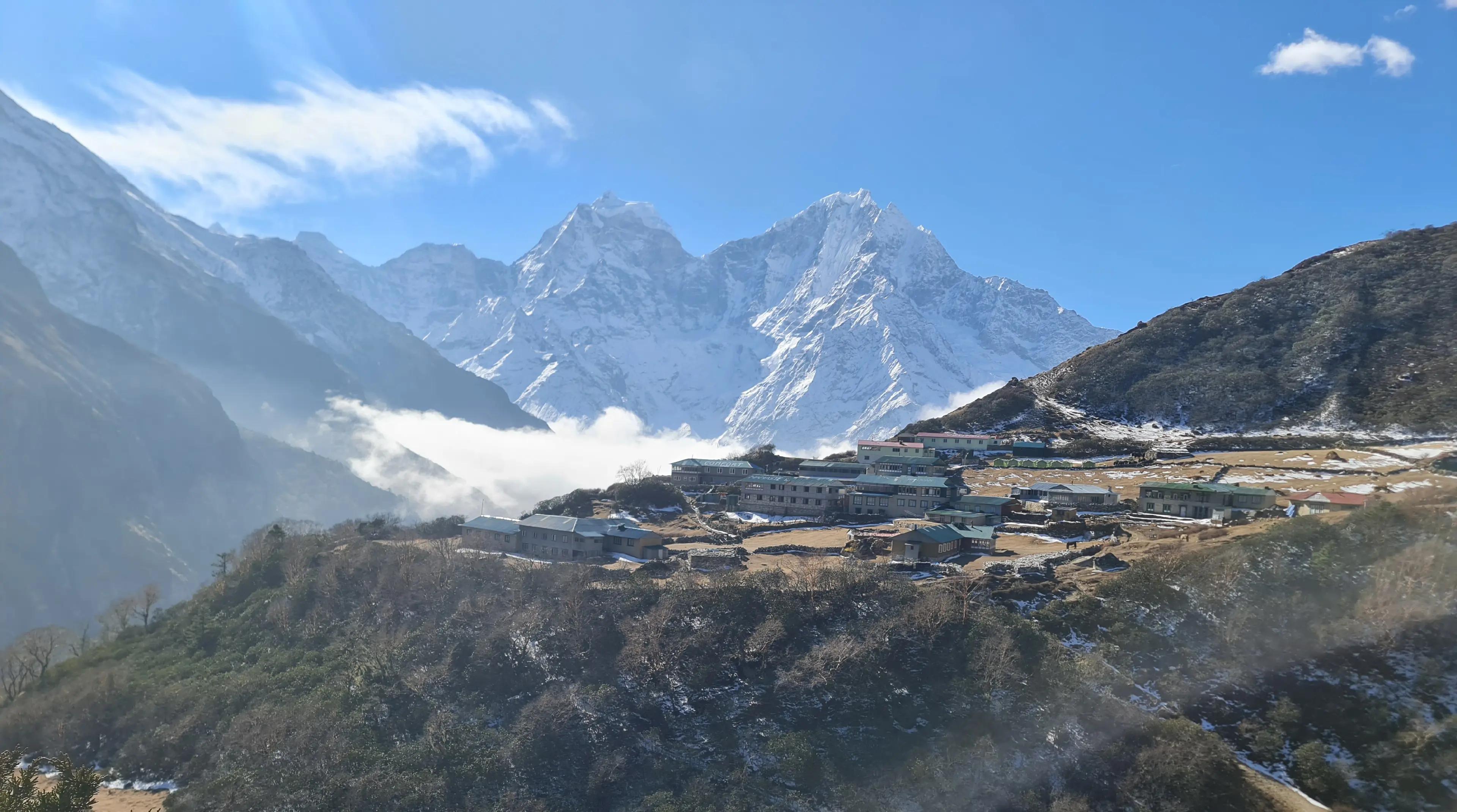
Your journey begins in Kathmandu, Nepal’s bustling capital, where you will receive a full briefing about your trek, gear checks, and a taste of the rich local culture. The following day, a scenic flight to Lukla sets the tone for the adventure, landing you in the gateway of the Everest Region amidst stunning mountain vistas. From here, the trail leads you across a series of iconic suspension bridges, rivers, and pine forests as you make your way to Namche Bazaar, the largest Sherpa village in the region. Namche offers a glimpse into the Sherpa way of life, with traditional houses, local markets, and spectacular views of surrounding peaks.
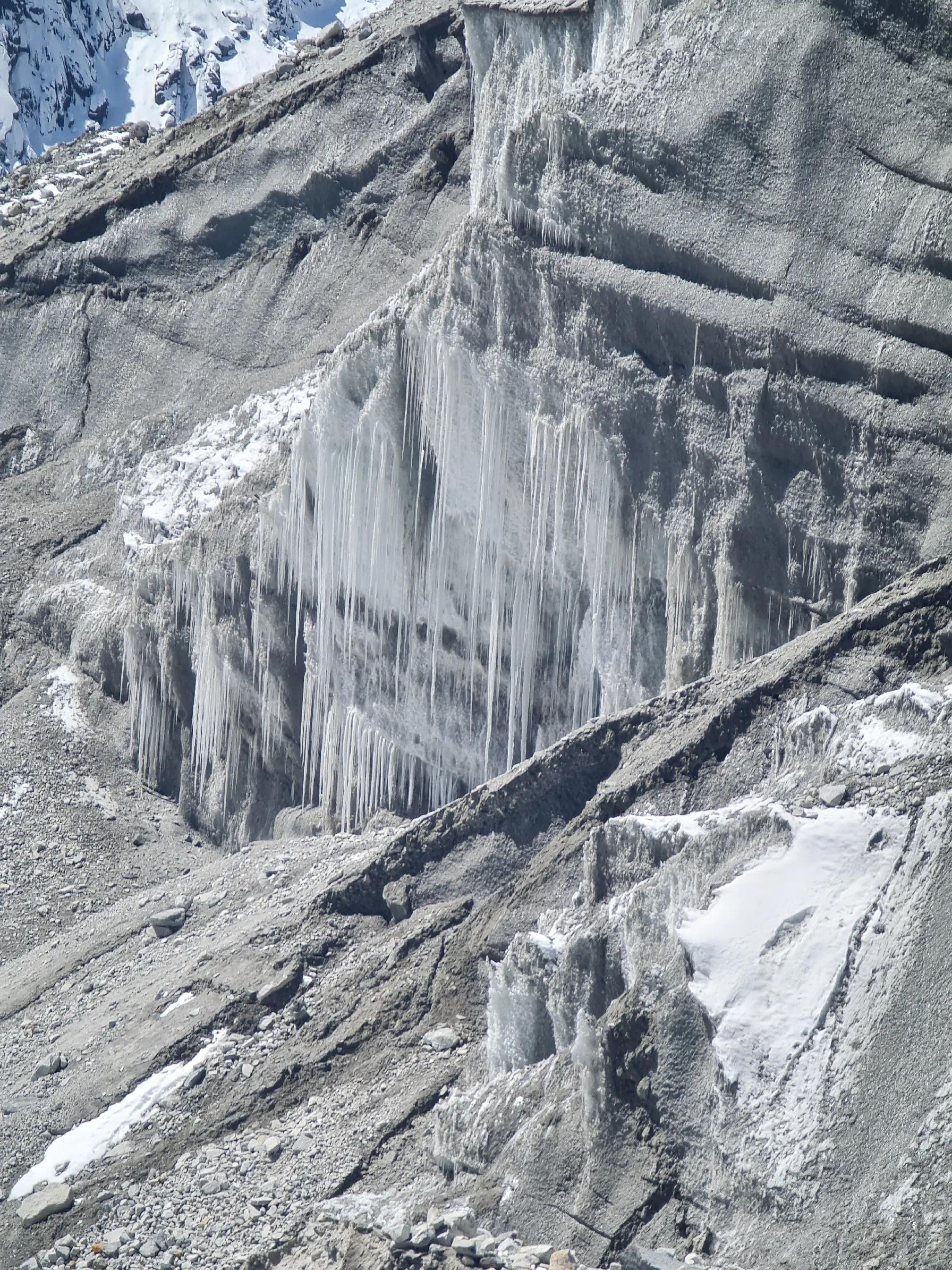
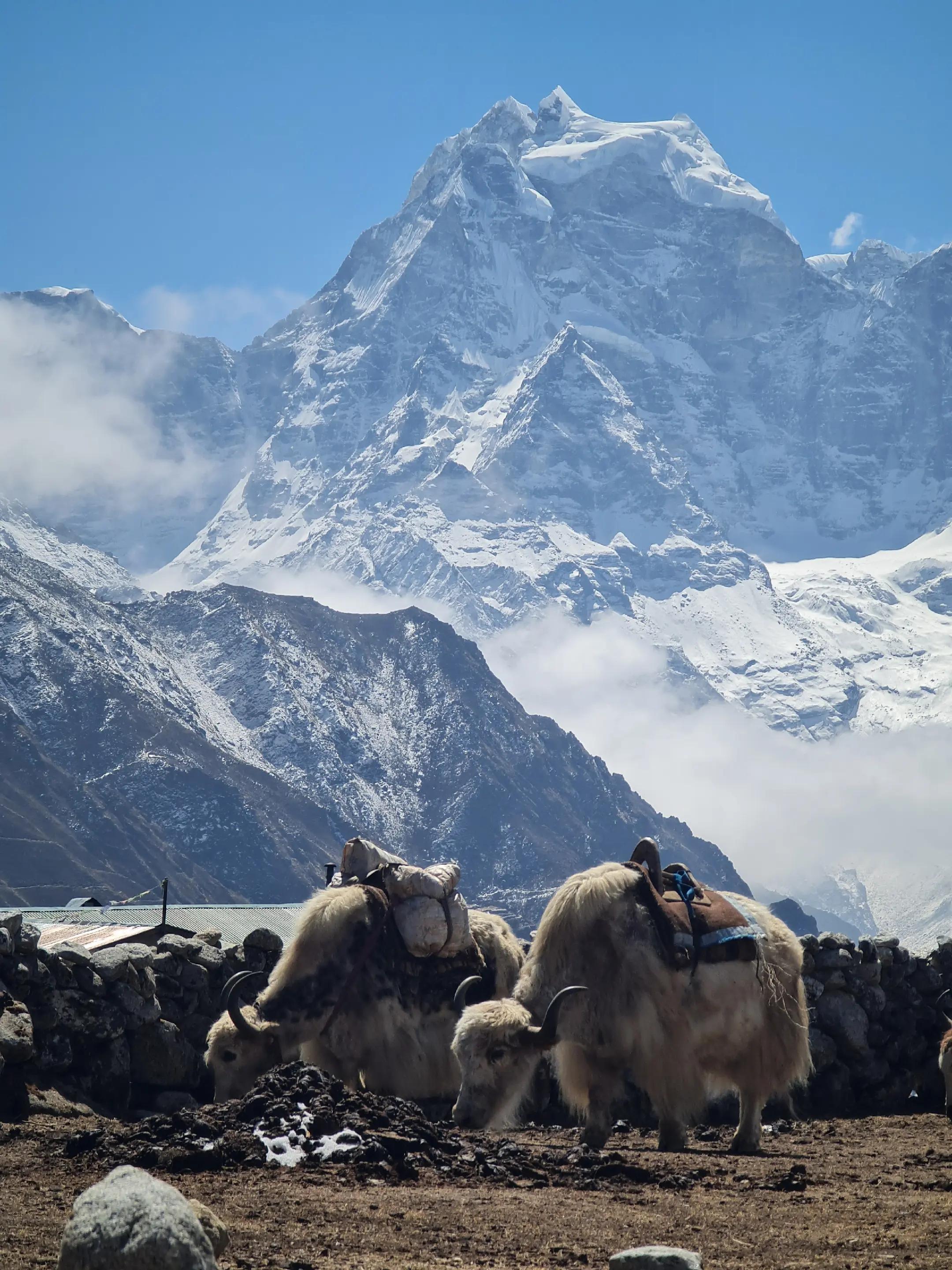
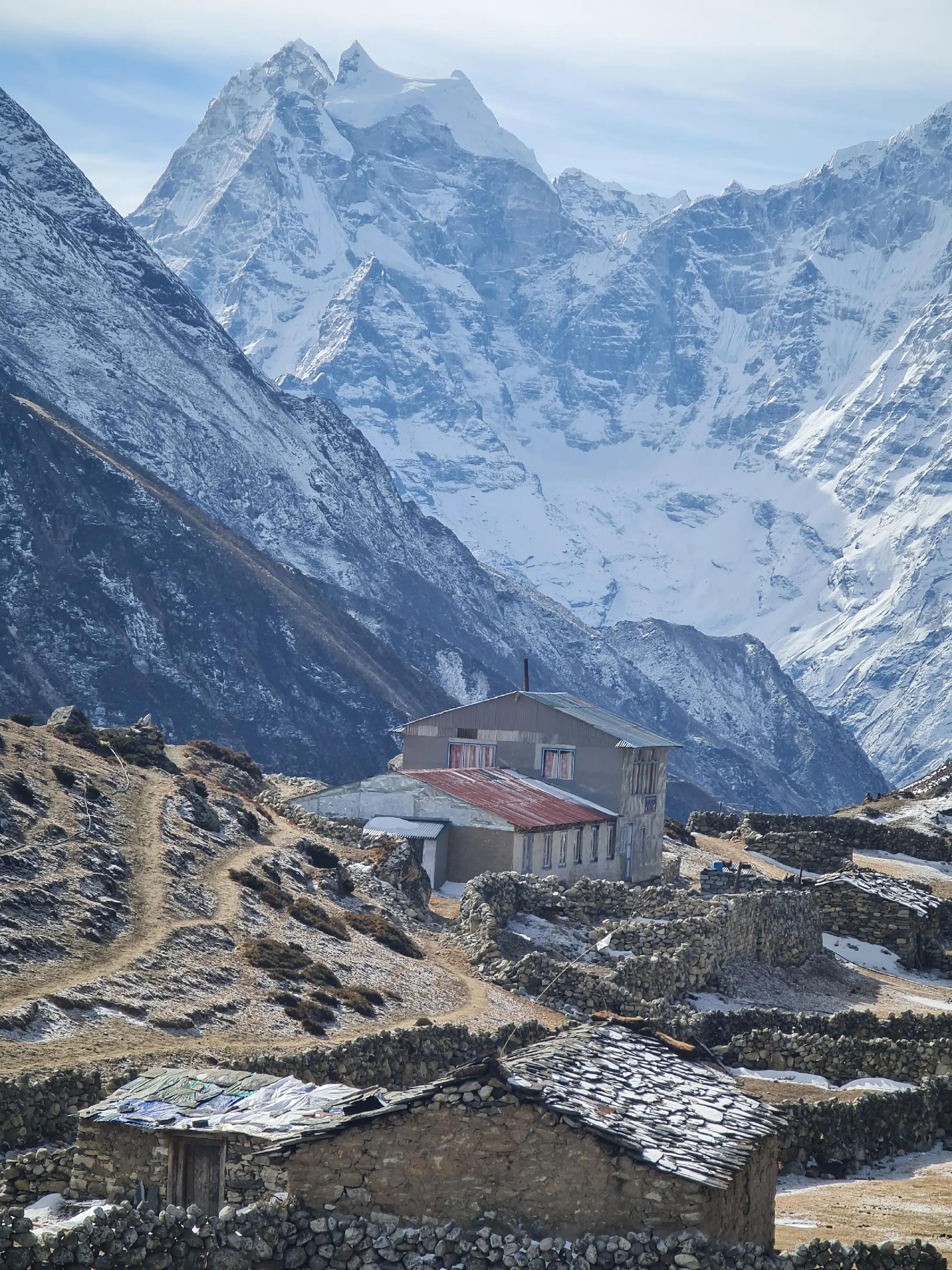
Departing from Namche, the trail diverges from the main route to Everest Base Camp, leading you towards the Gokyo Valley. You will follow the Dudh Koshi River, trek through dramatic landscapes, and finally reach the terminus of the Ngozumpa Glacier, the longest glacier in the Himalayas. Along the way, enjoy the pristine beauty of rhododendron forests, yak pastures, and the chance to witness the rich Himalayan biodiversity.
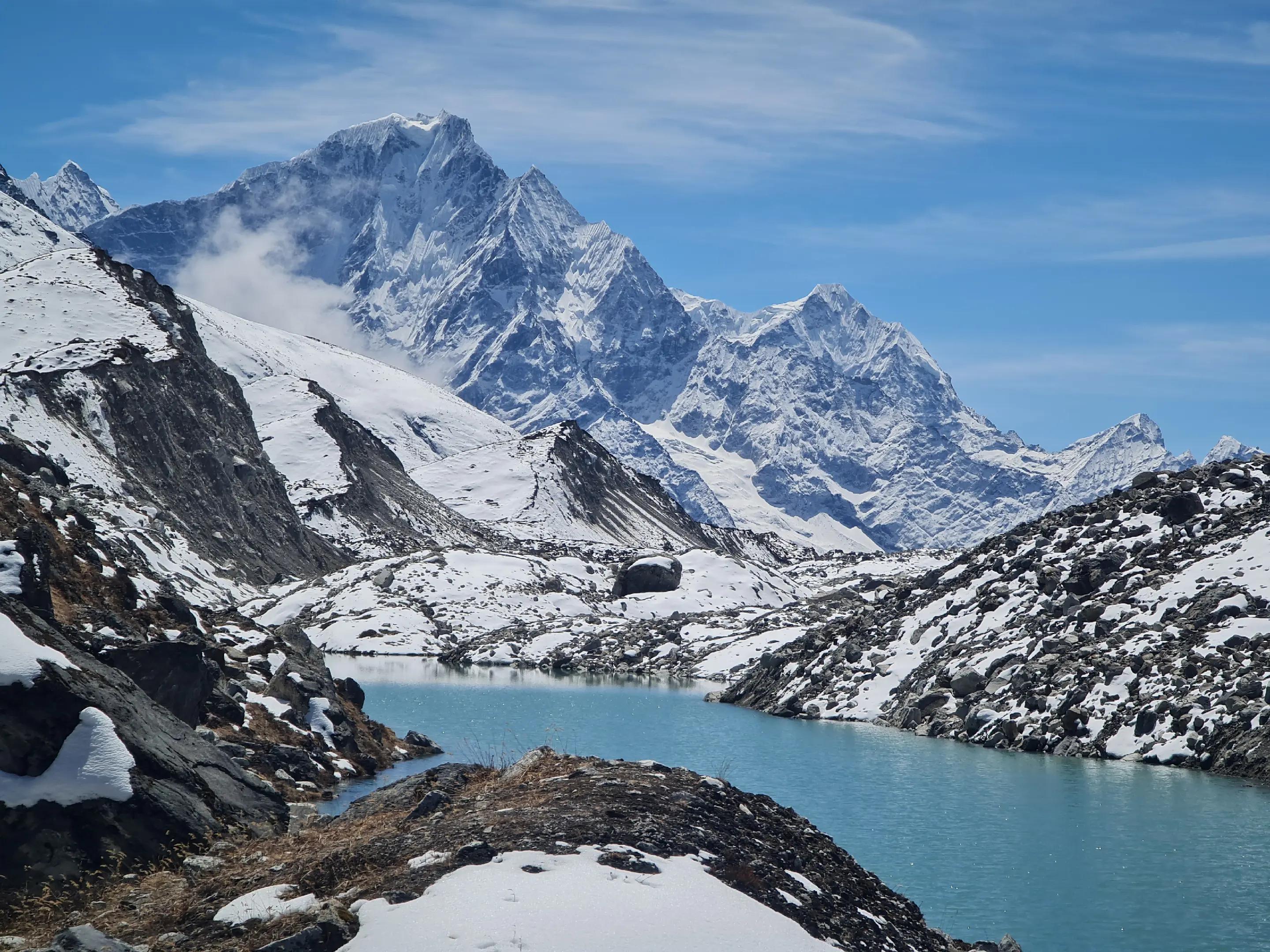
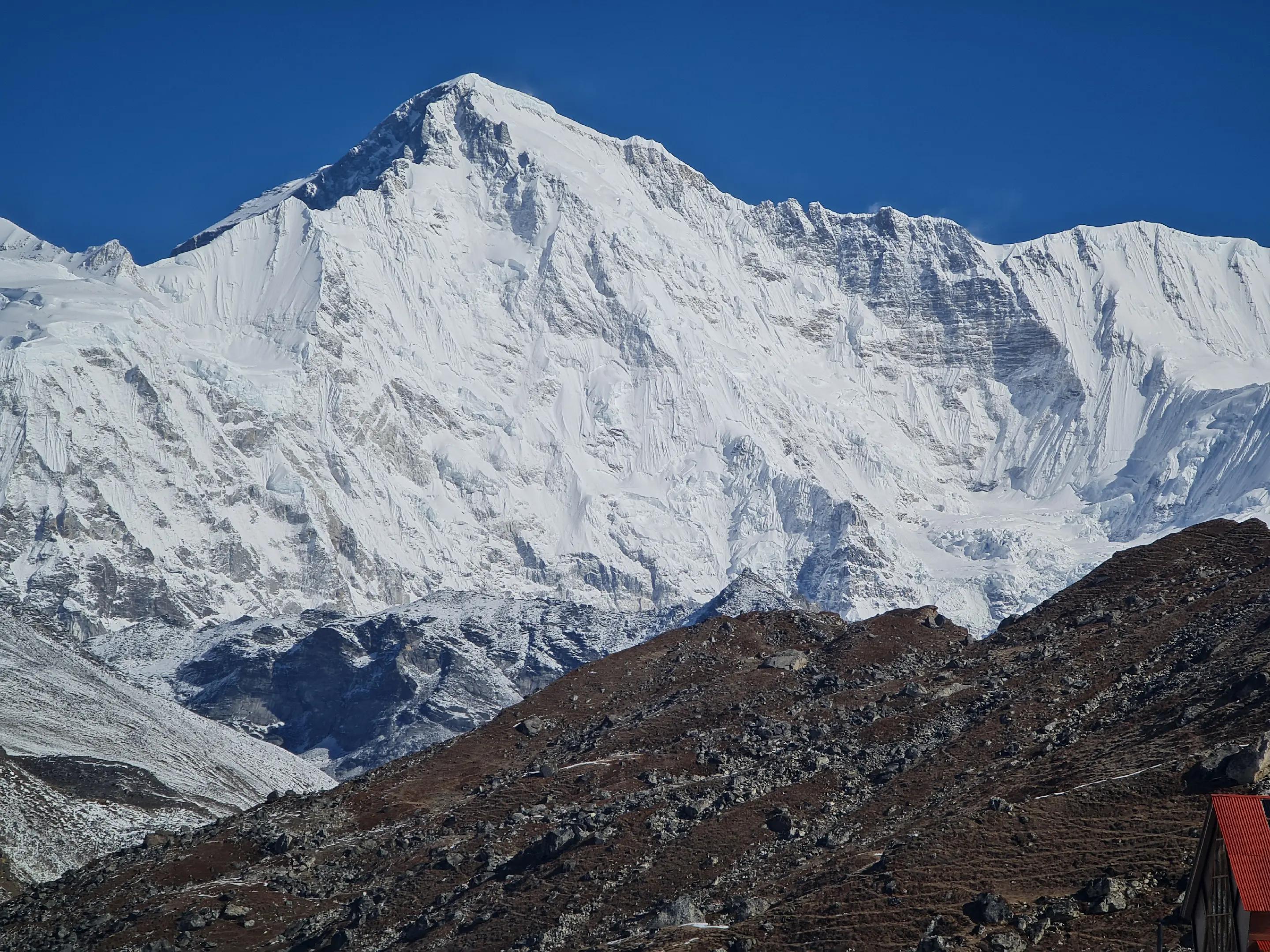
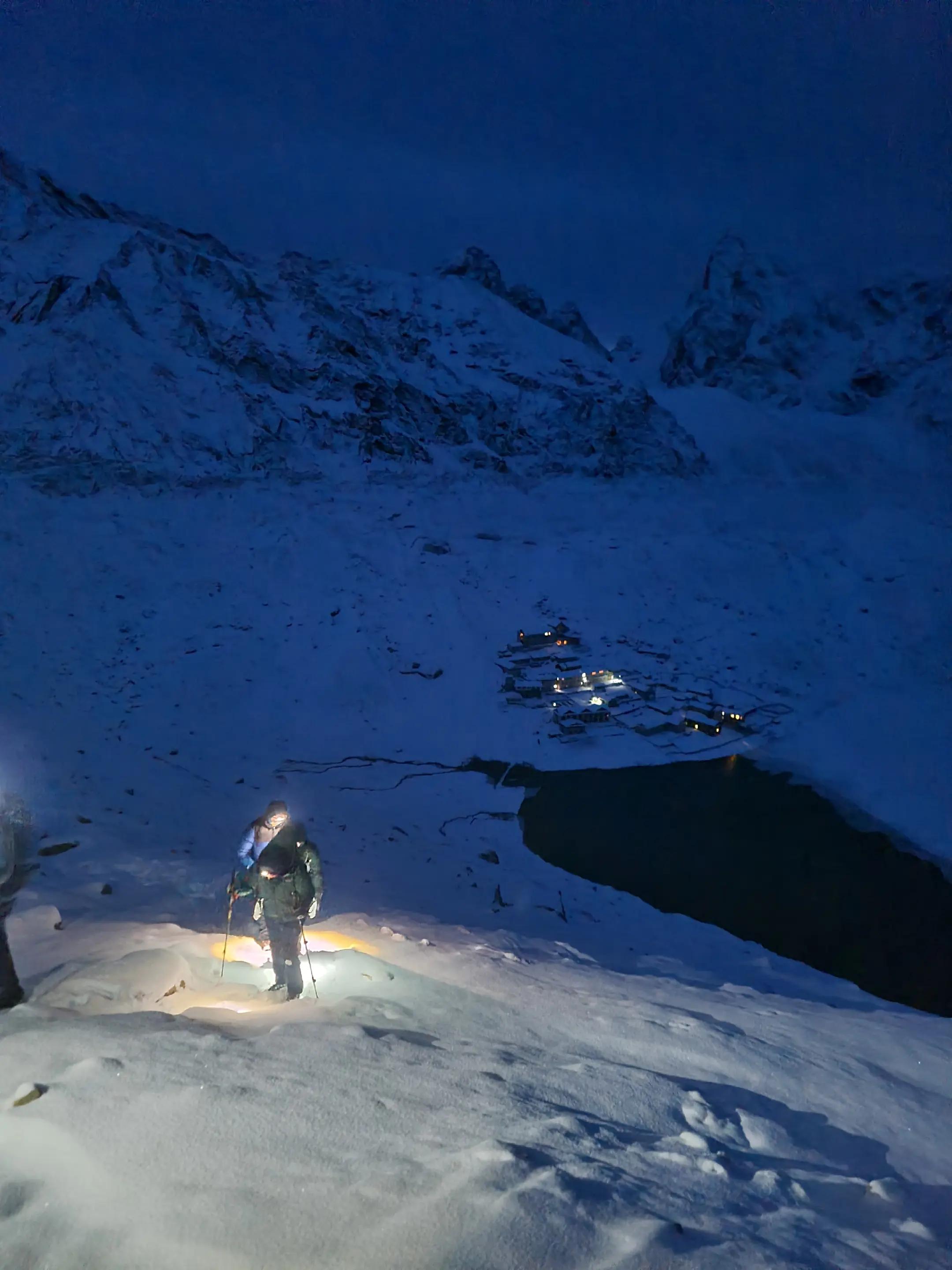
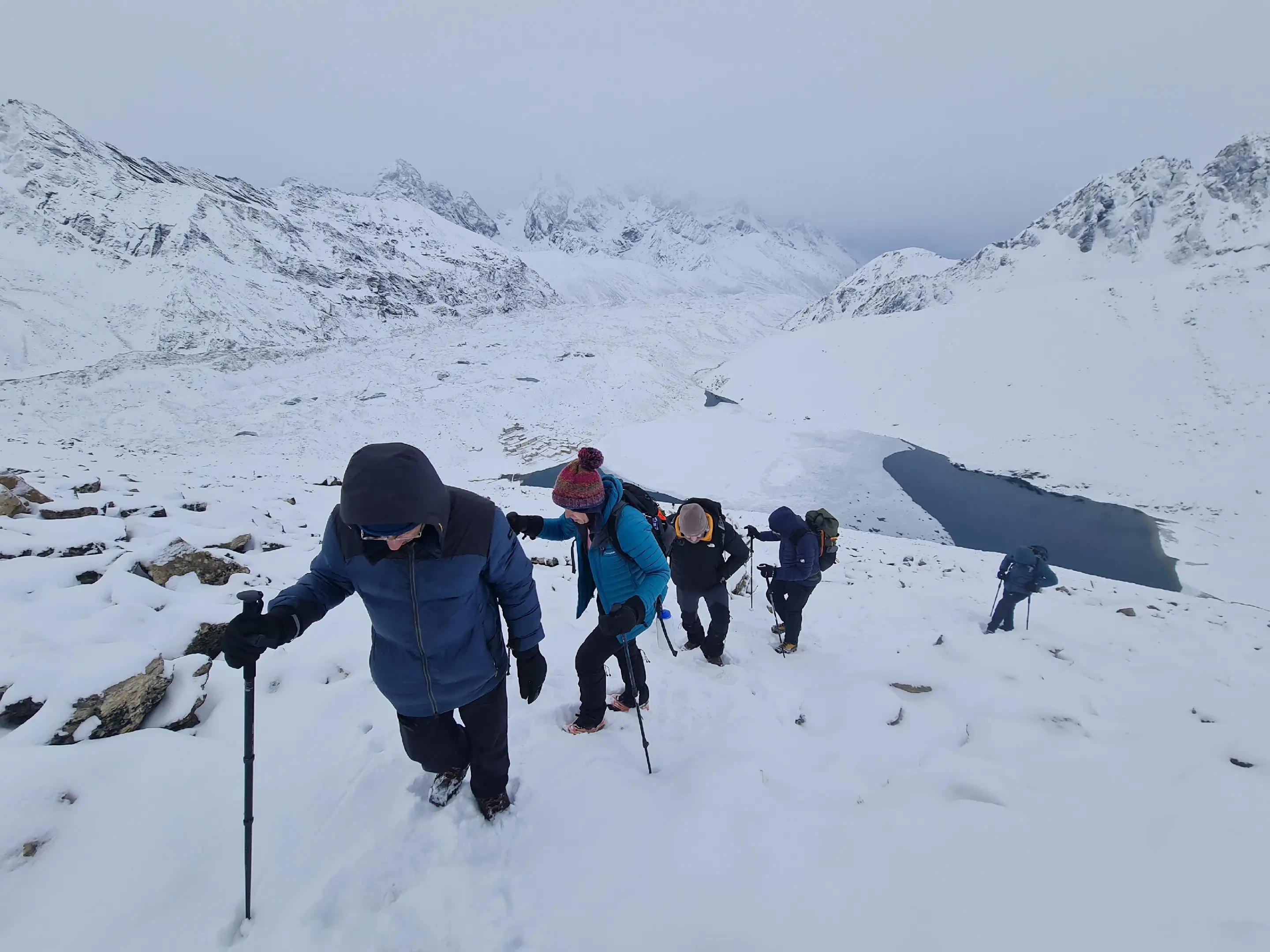
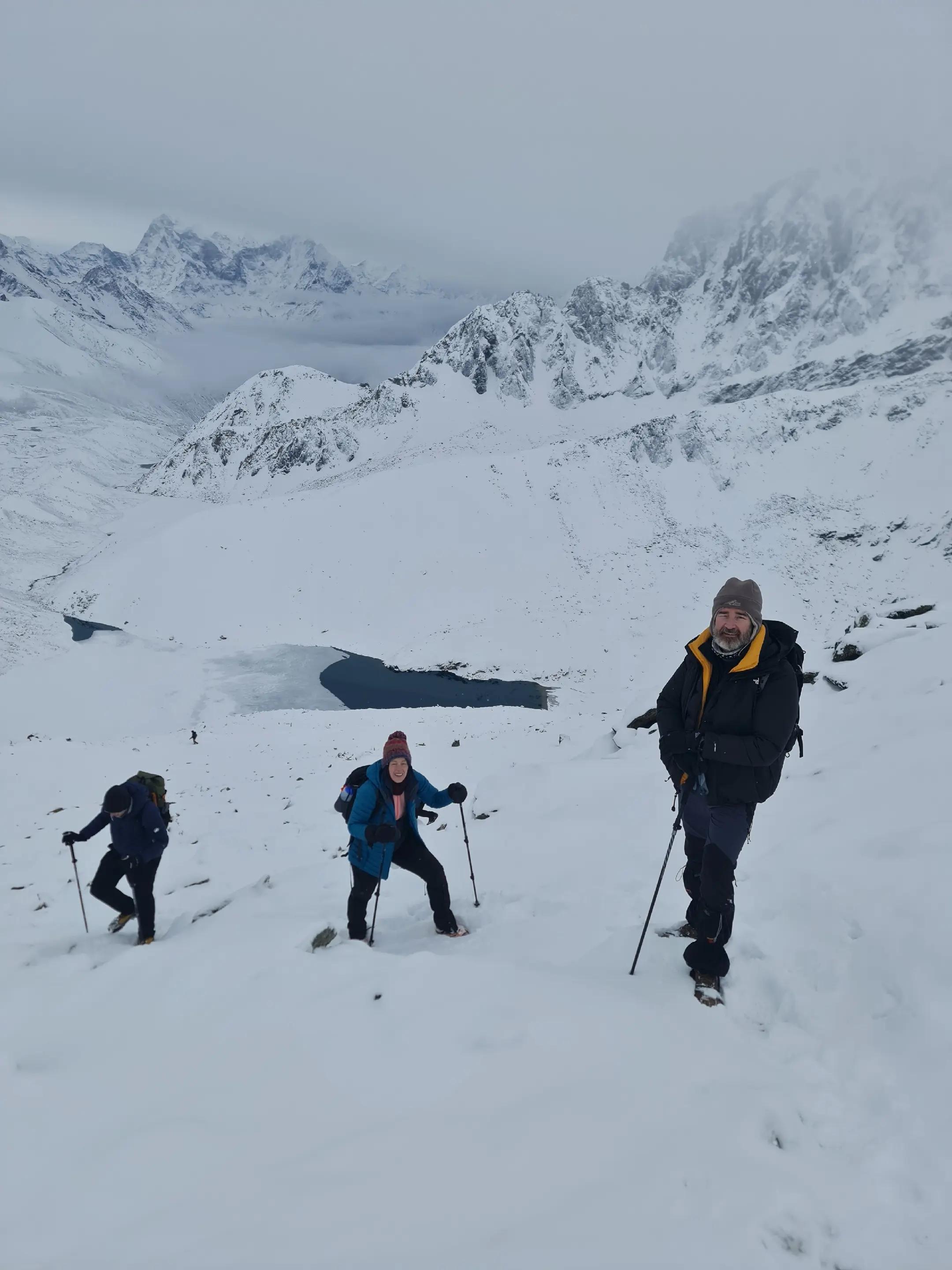
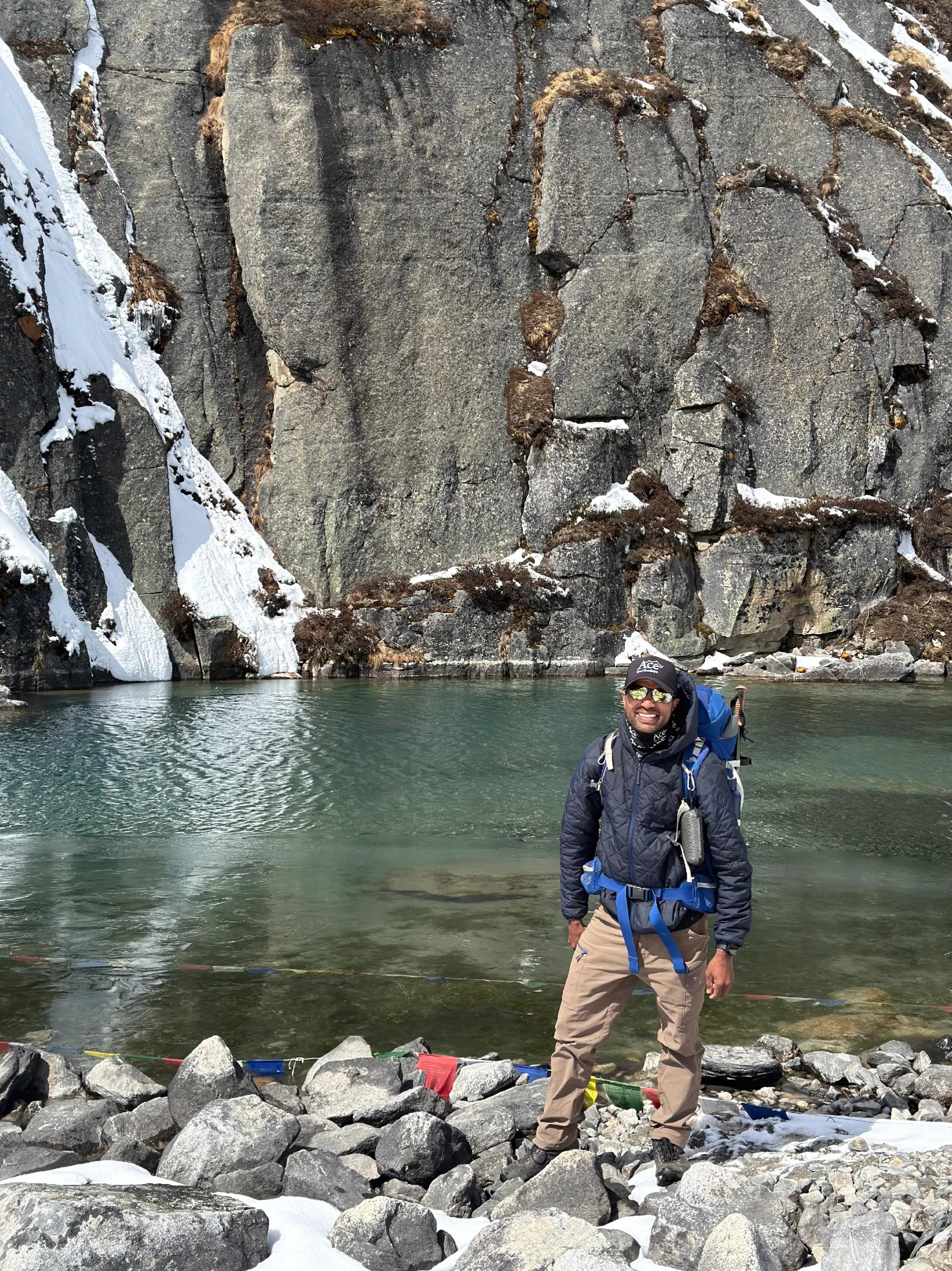
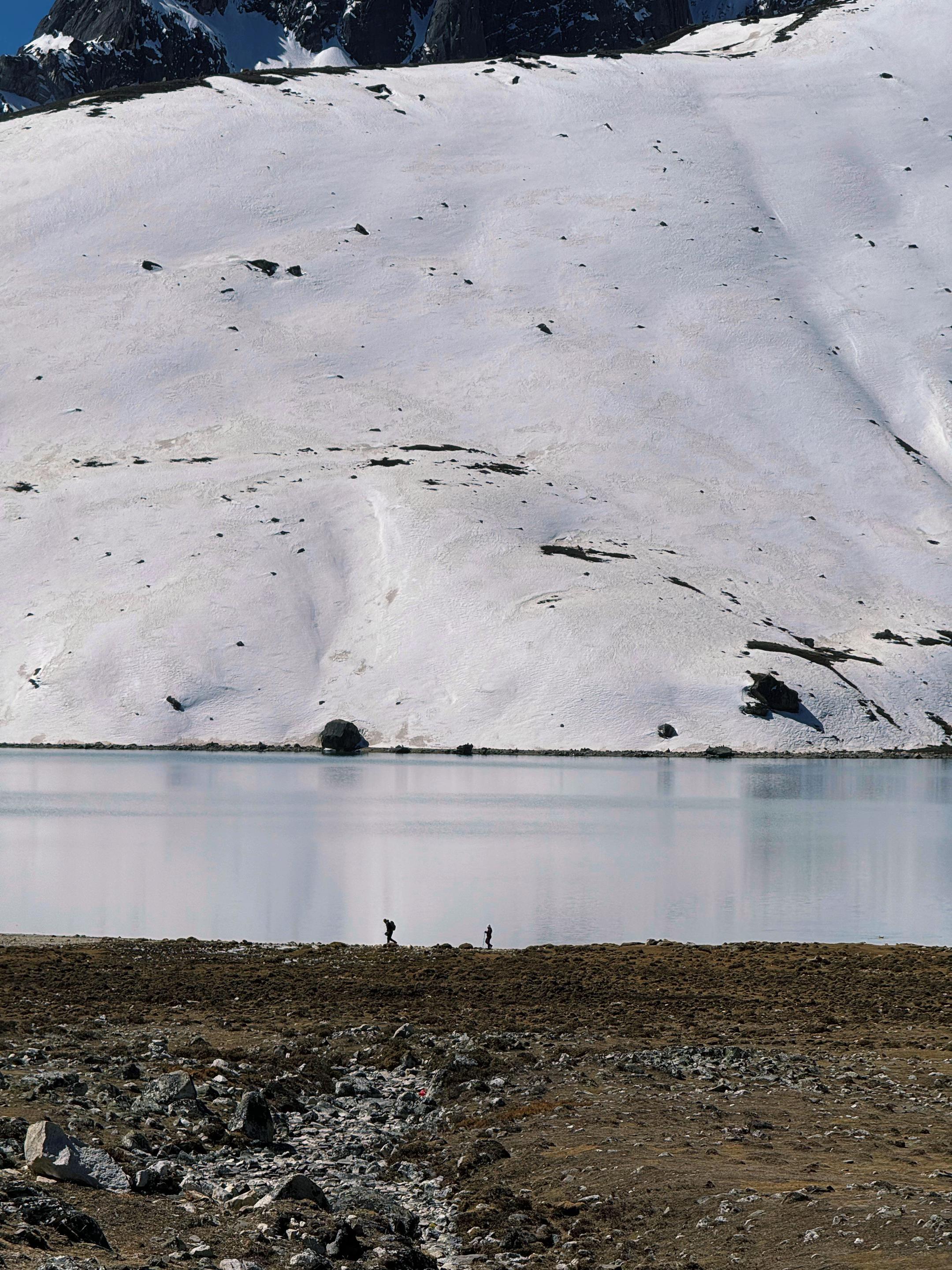
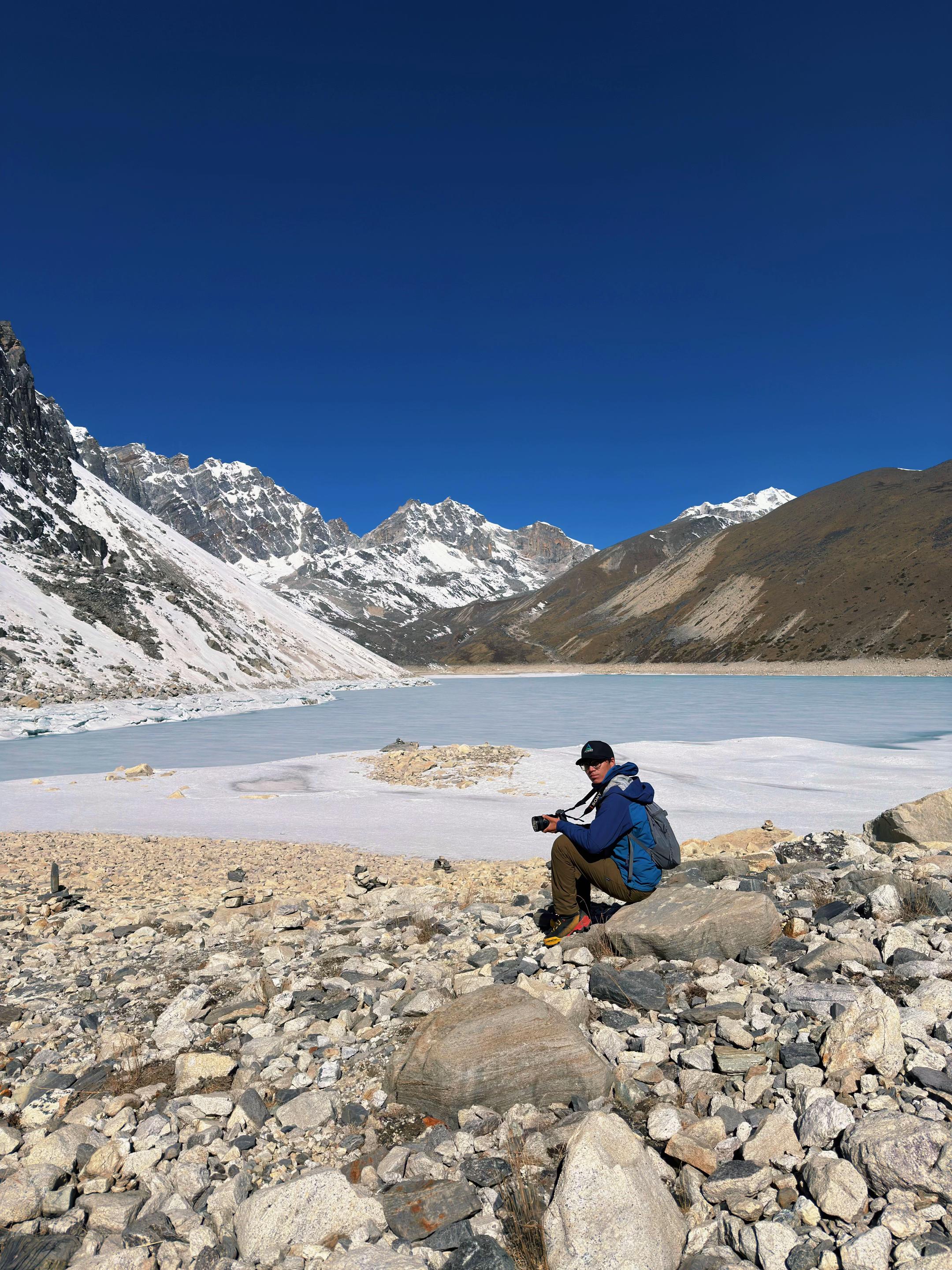
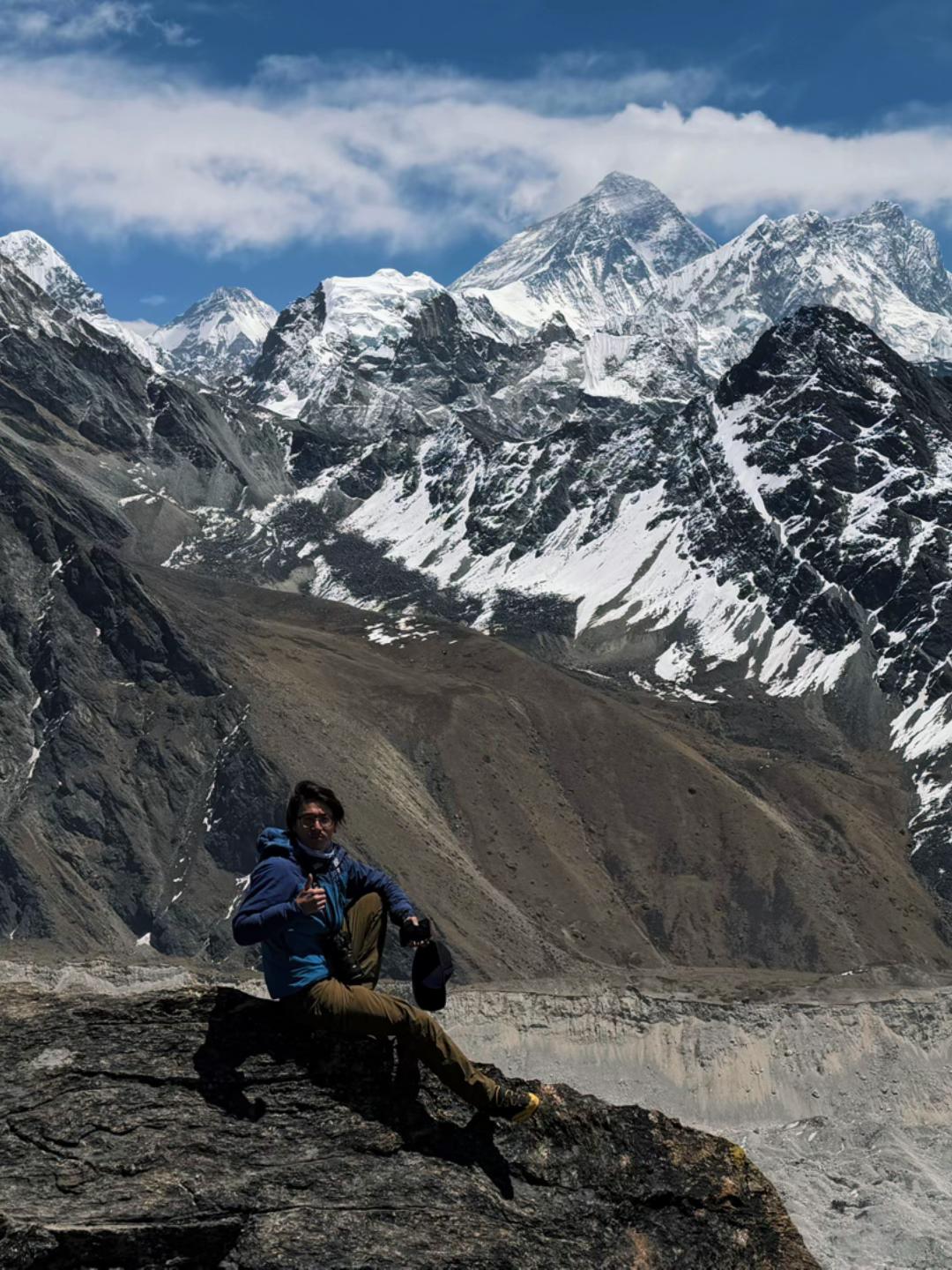
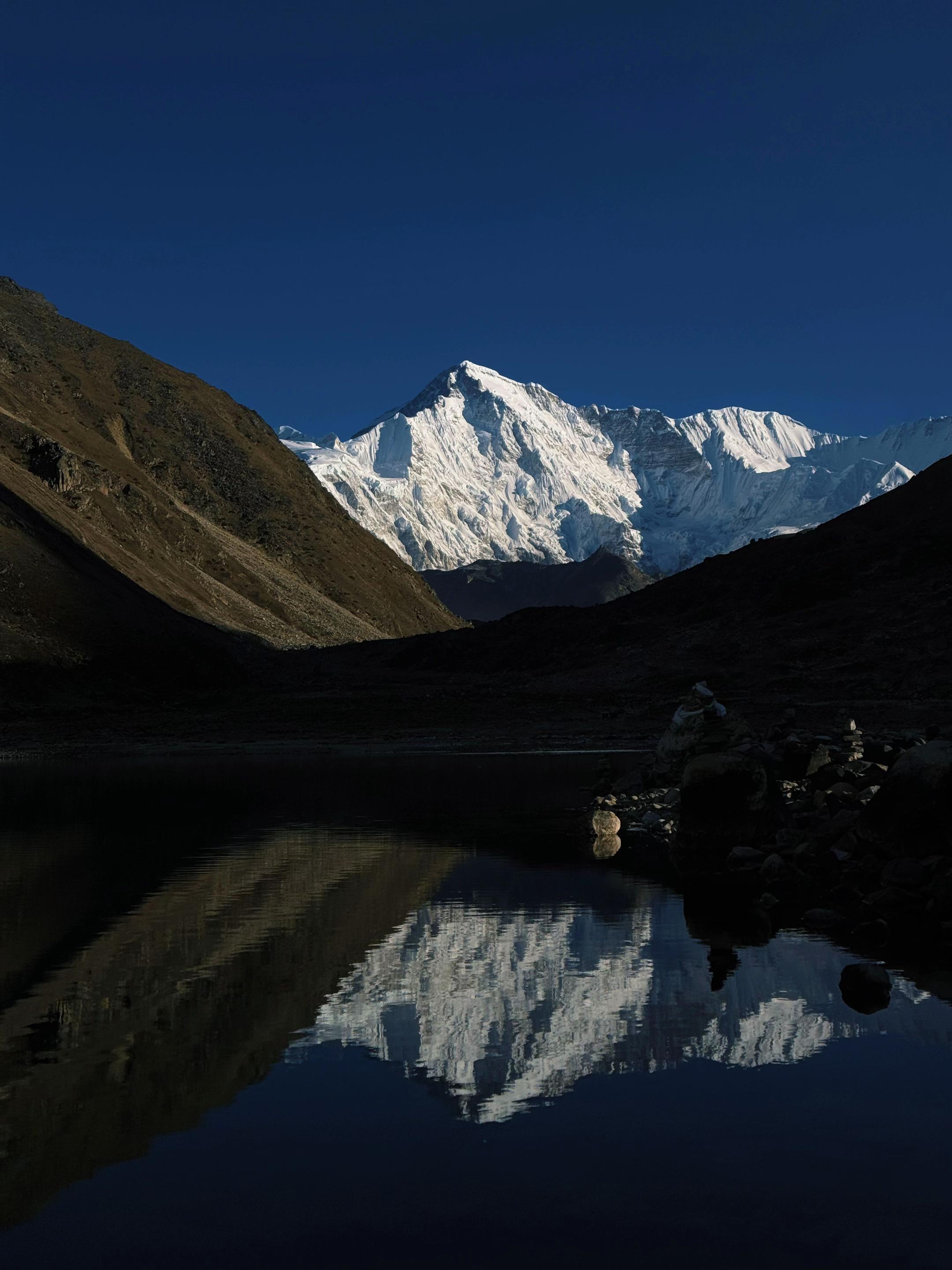
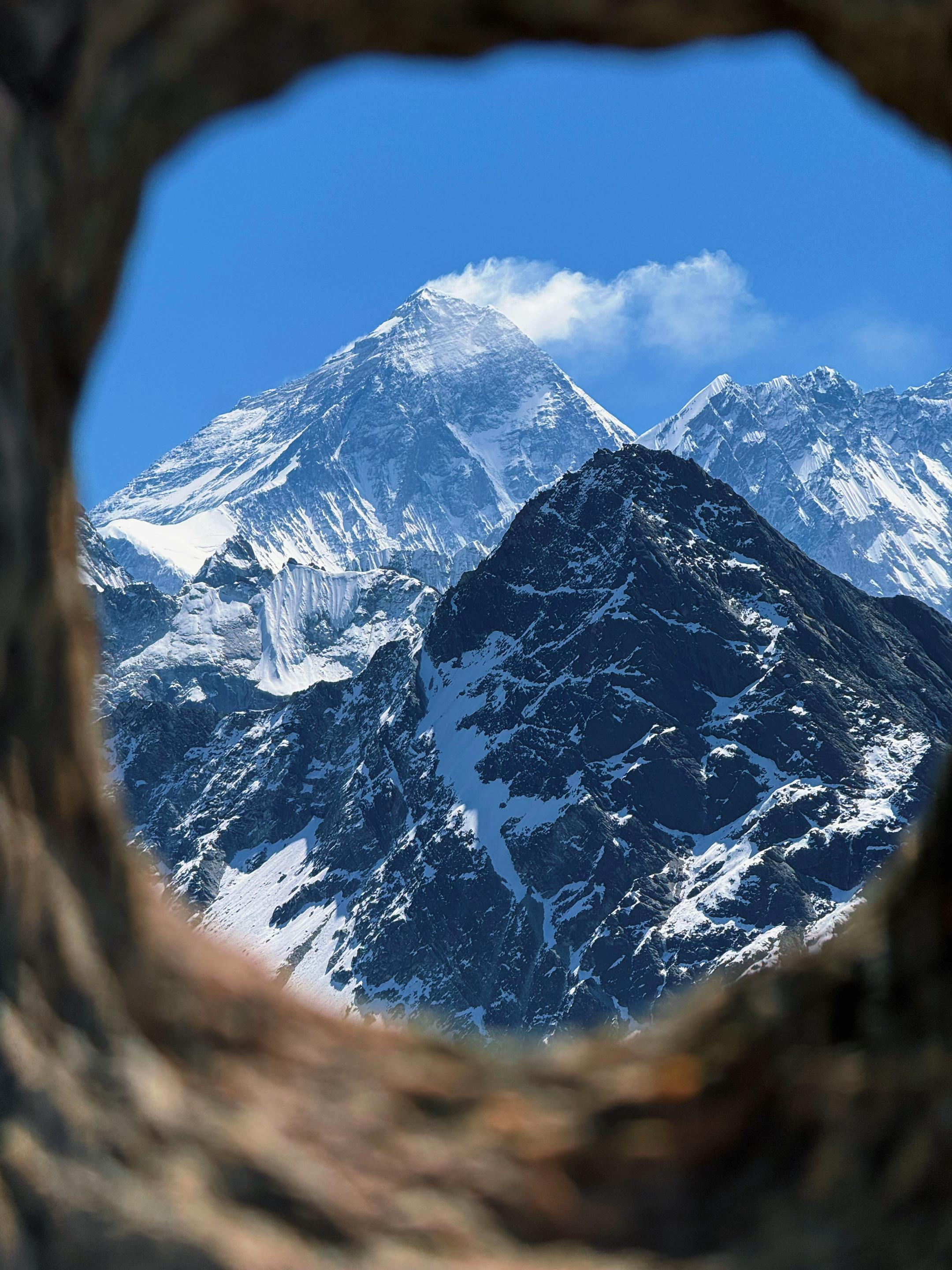
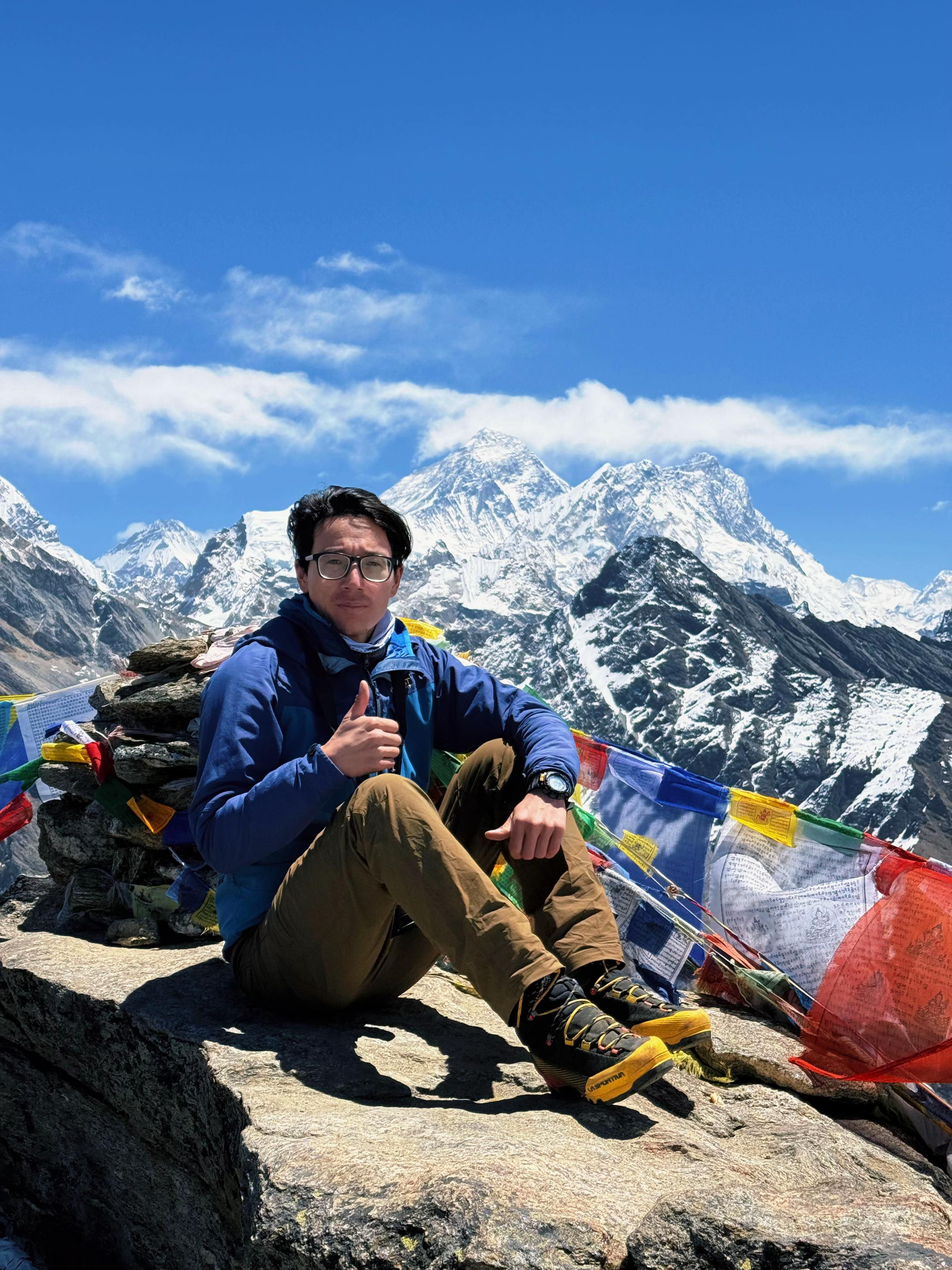
The heart of this trek is the exploration of the Gokyo Lakes, a series of five stunning turquoise glacial lakes nestled amidst towering peaks. Spend two days in the region, allowing time to hike to Gokyo Ri (5,357m), a high vantage point offering panoramic views of Mount Everest, Cho Oyu, Lhotse, and Makalu. One of the most striking sights is the 5th Gokyo Lake, whose reflective waters provide breathtaking vistas of the Everest and Cho Oyu massif.
The trek is designed with acclimatization in mind, ensuring trekkers can enjoy the high-altitude experience safely. Optional day hikes in the Gokyo area allow you to explore the Ngozumpa Glacier up close, take in views of surrounding peaks, and capture the perfect photographs of this pristine Himalayan environment.
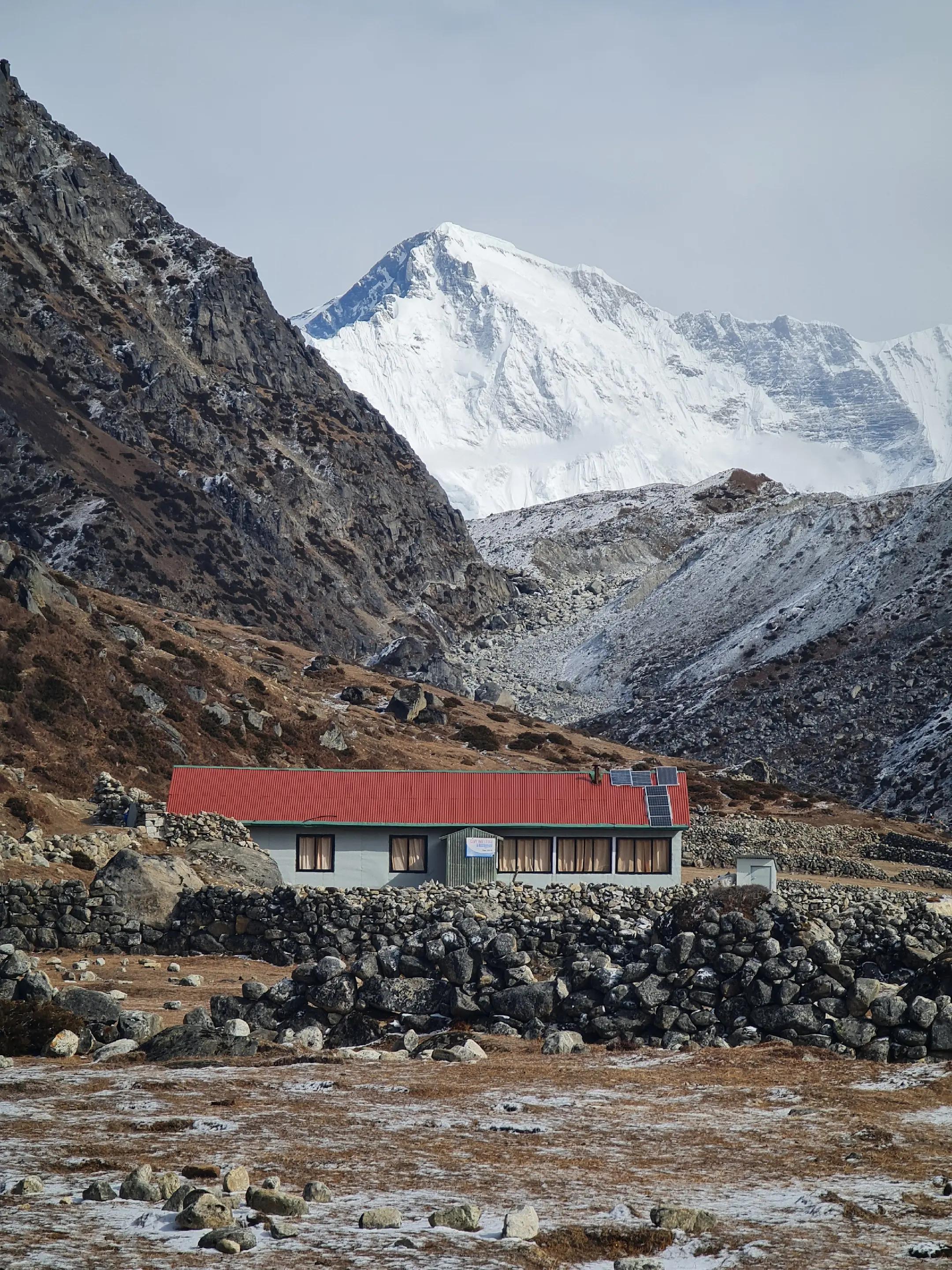
Throughout the trek, you will interact with the Sherpa community, experiencing their warm hospitality in local tea houses and lodges. From traditional Sherpa cuisine to observing monastery rituals, the trek blends adventure with cultural immersion, providing a holistic Himalayan experience. The trail passes through small villages where locals offer insights into their daily lives, farming practices, and spiritual traditions, adding depth to your journey beyond the natural scenery.
After fully exploring the Gokyo Lakes, the trek retraces its path through Namche Bazaar to Lukla, where a flight back to Kathmandu marks the end of the high-altitude adventure. This journey offers not just adventure but also reflection, allowing trekkers to savor the majestic beauty of the Everest Region one last time from the air.
Our team ensures safe, well-organized, and unforgettable trekking experiences in Nepal. Experienced guides, local support teams, and carefully planned itineraries guarantee that every trekker enjoys the best of adventure, culture, and comfort. From acclimatization support to cozy tea houses and expert logistics, we handle all the details so you can immerse yourself fully in the Himalayas.
Embark on the Gokyo Lakes 14-Day Trek – the ultimate Himalayan adventure for an unforgettable journey through one of the most stunning and unspoiled corners of the Himalayas. Witness towering peaks, sparkling lakes, and Sherpa hospitality on a trek that promises adventure, serenity, and memories that will last a lifetime.
Book Your Gokyo Lakes Trek Today – Experience the magic of the Everest Region like never before!
Embark on the Gokyo Lakes Trek, one of the hidden gems of the Everest Region, offering breathtaking Himalayan vistas, serene glacial lakes, and rich Sherpa culture. This 14-day adventure is perfect for those seeking a less crowded alternative to the Everest Base Camp trek while still experiencing the grandeur of the Himalayas. From Kathmandu to the turquoise Gokyo Lakes and towering peaks, every day is packed with adventure, culture, and unforgettable scenery.
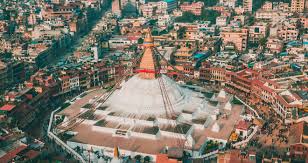
Welcome to Kathmandu, Nepal! Arrive in the heart of Nepal’s culture and history with a warm welcome and smooth transfer to your hotel. Tonight, enjoy a relaxed briefing covering last-minute trek details and tips, followed by an early rest—you’ll need your energy for the big adventure ahead!
 Accommodation Tourist-Level Hotel And High-Quality Camping
  Meals B/LD
  Max. altitude 1,350m / 4,429ft.
 Altitude:
Distance & Duration:
Drive: 4.5 hours from Kathmandu to Ramechhap
Start your adventure with a scenic morning flight to Lukla. Upon arrival, meet your experienced guide and porter, then begin your trek. Walk through the charming Chaurikharka village, then descend towards Dudhkoshi Ghat (2,530 m / 8,300 ft). The trail follows the peaceful Dudhkoshi River, leading you to Phakding (2,652 m / 8,700 ft), a popular stop for acclimatization. Enjoy a relaxing evening and explore the village at your leisure.
Important Travel Note:
Due to ongoing upgrades at Kathmandu Airport, flights to Lukla now depart from Ramechhap Airport. This requires an early morning drive from Kathmandu (~4.5 hours, starting around 2 AM). At the end of your trek, the return drive may take 4–6 hours depending on traffic.
Max. altitude 2,800m / 9,186ft. Altitude: 3,440m / 11,283ft
Distance: 10–12 km (5–6 hours)
Start your day with a hearty breakfast in Phakding before setting off on the trek to Namche Bazaar, the largest Sherpa village in Nepal. The trail begins with a stunning walk across the Dudhkoshi River on a long suspension bridge, followed by a peaceful hike through lush pine forests to Monjo, about two hours away.
Soon, you'll reach the entrance to Sagarmatha National Park for a quick permit check, then descend towards the Dudh Kosi River, spotting traditional Mani stones along the way. Stop for lunch in Jorsale before tackling the uphill climb to Namche. Along the route, you’ll cross the famous Hillary Suspension Bridge and enjoy breathtaking river views.
The climb to Namche can be challenging, but once you arrive, you’ll be rewarded with your first awe-inspiring glimpse of Mount Everest, making every step worth it.
Max. altitude 3,440m / 11,286ft. Altitude: 3,440m / 11,283ft
Today is all about rest and letting your body adjust to the high altitude. You can take it easy or join an optional 2-hour hike to Everest View Point, a gentle uphill walk that helps speed up acclimatization while rewarding you with breathtaking views of the Himalayas.
Spend time wandering Namche Bazaar, the vibrant Sherpa village. Visit the Sherpa Museum to learn about Sherpa culture and the history of mountaineering. If you’re here on a Saturday, don’t miss the Hatt Bazaar, a lively local market offering a peek into daily life and trading traditions. Namche is also a trekking hub, with shops selling all kinds of gear, clothing, and souvenirs for your adventure.
Max. altitude 3m / 10ft. Altitude: 4,110m / 13,490ft
Distance: 8 km (6–7 hours)
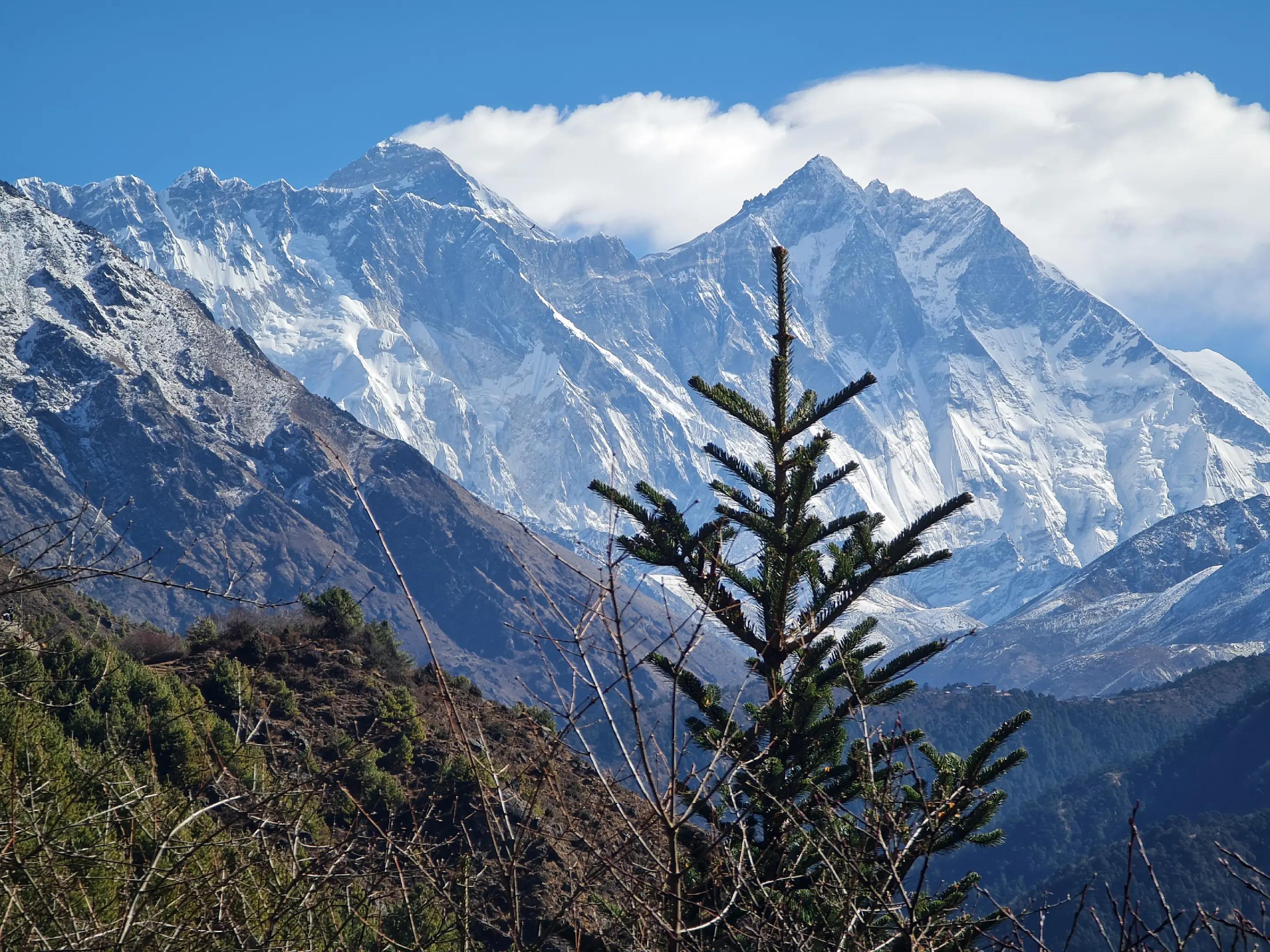
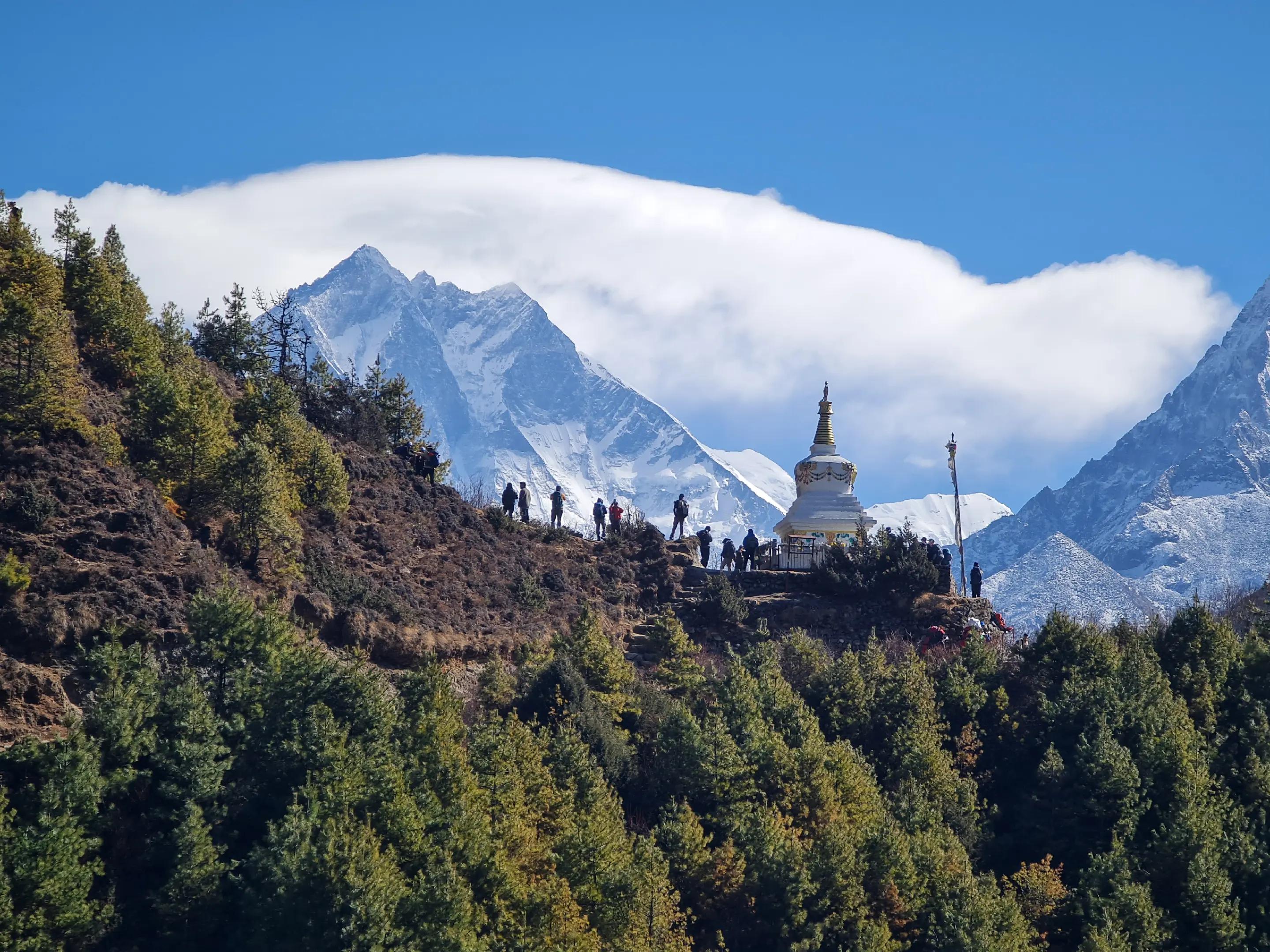
Today we leave Namche Bazaar and follow a scenic trail high above the Dudh Koshi Canyon. Early on, you’ll be treated to incredible views of Ama Dablam, Nuptse, Lhotse, and Everest.
The trail gradually climbs to a small hilltop village, where we’ll stop for lunch and soak in the panoramic Himalayan scenery. After lunch, the path winds down through colorful Rhododendron forests toward the river, before a gentle ascent leads us to Dole, our resting spot for the night.
Max. altitude 4,110m / 13,484ft. Altitude: 4,470m / 14,660ft
Distance: 5 km (4–5 hours)
Today is a shorter, easier trek through the high-altitude terrain above the tree line, giving your body time to adjust. Enjoy stunning views of Machermo Peak to the west and Cholatse to the east.
Take it slow and soak in the scenery—this relaxed pace helps with proper acclimatization. On a clear day, you can even spot Cho Oyu, one of the world’s 8,000m+ giants, far up the canyon.
Max. altitude 4,470m / 14,665ft. Altitude: 4,790m / 15,715ft
The trail winds along the Dudh Koshi River, which roars with meltwater from the Ngozumpa Glacier. You’ll trek past the glacier’s terminal moraine and follow its lateral moraine as the landscape opens up into breathtaking high-altitude scenery.
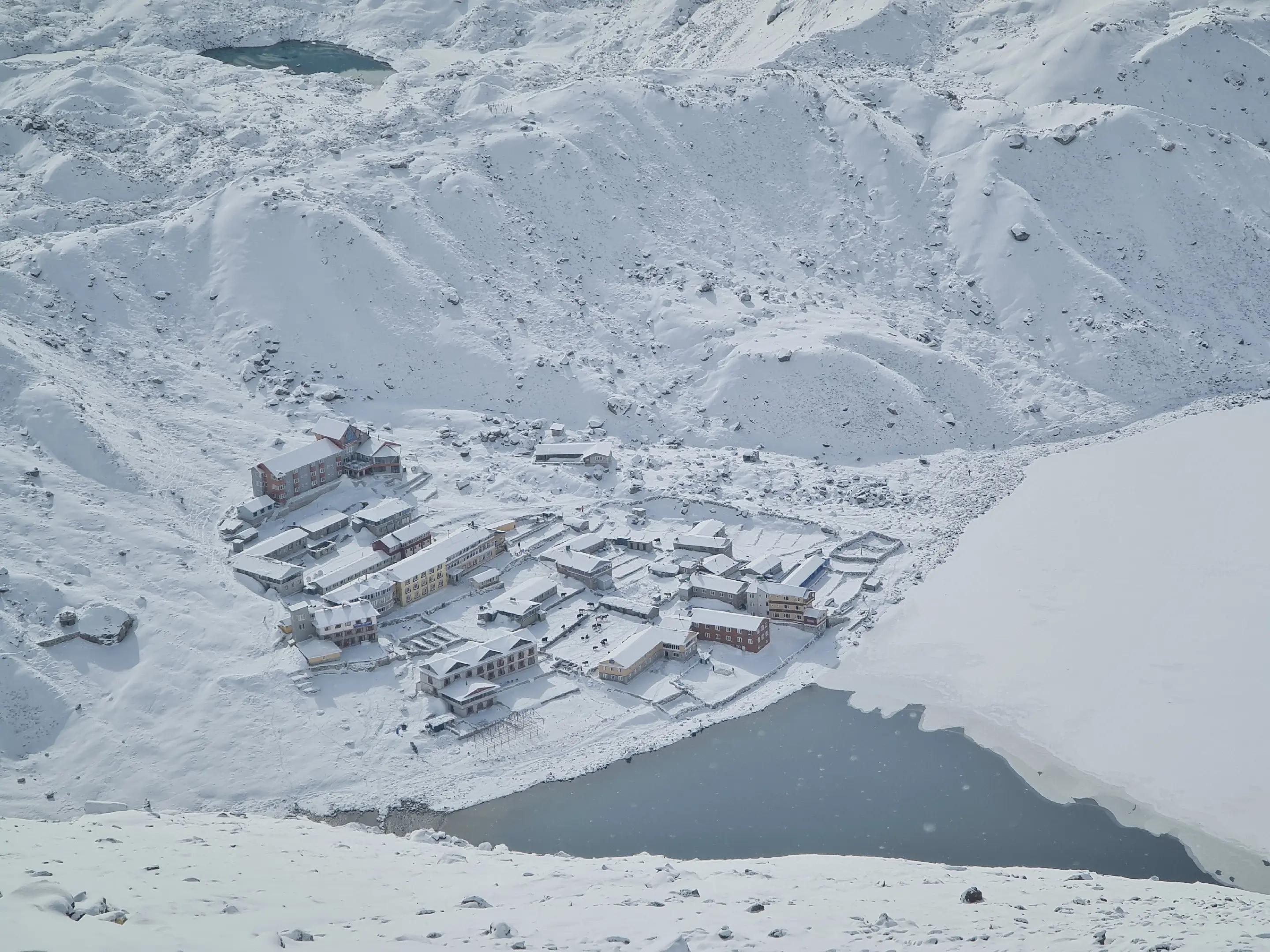
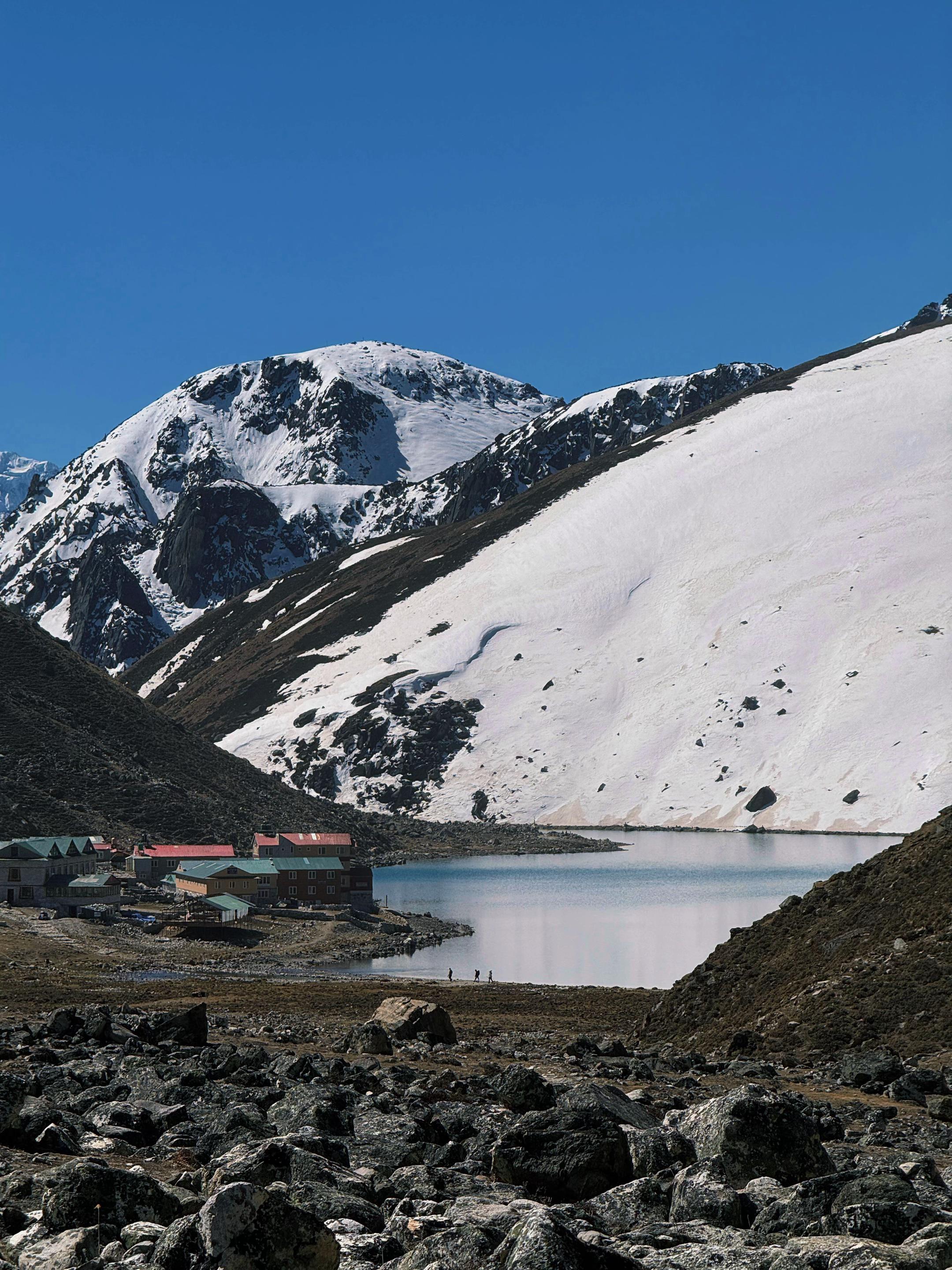
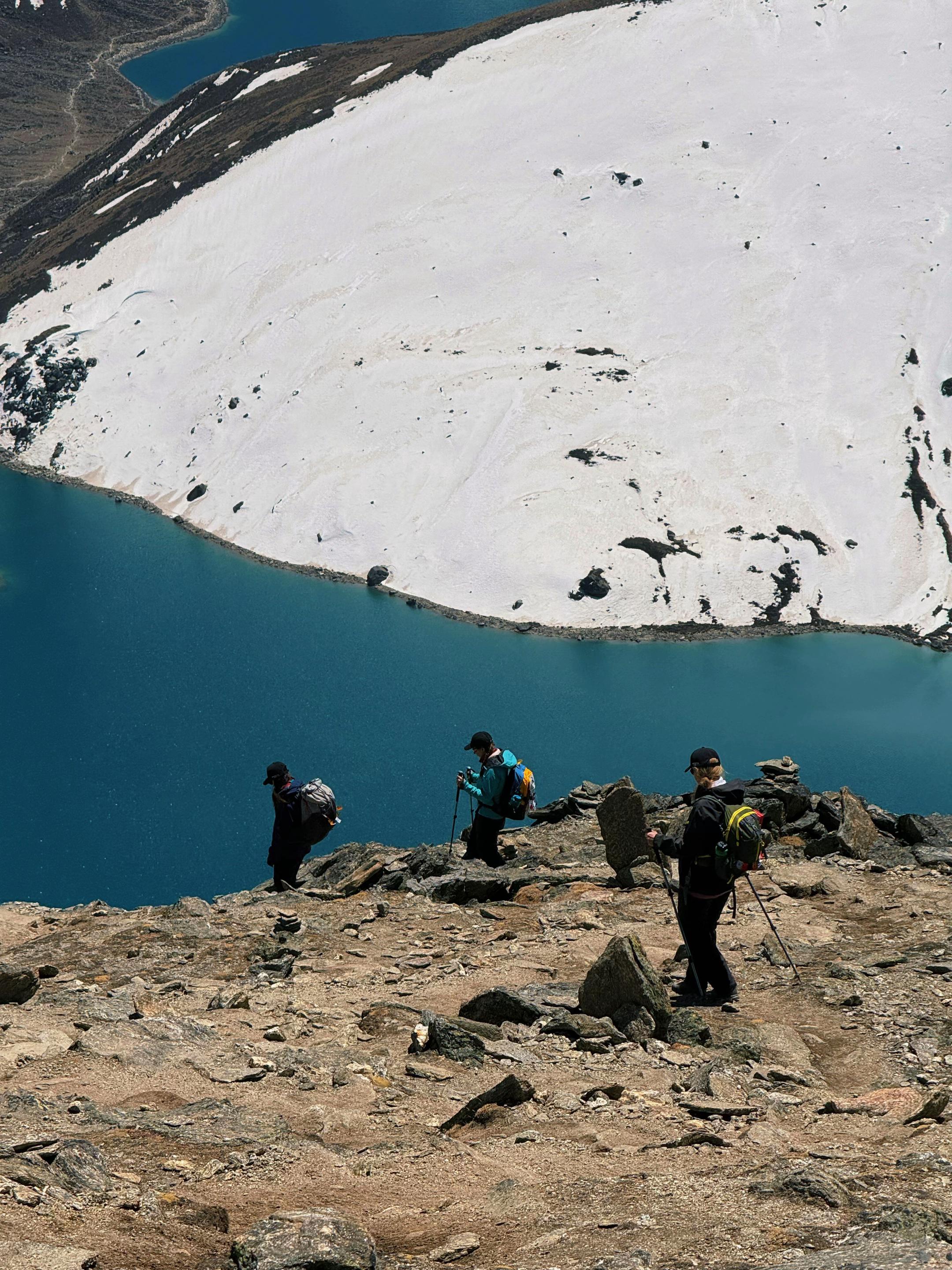
Your path leads to the first of the stunning Gokyo Lakes, and from there, it’s an easy, scenic walk to the second lake and finally to the sparkling Gokyo Lake, set against a backdrop of snow-capped peaks. This day blends gentle trekking with some of the most iconic glacier and lake views in the Himalayas.
Max. altitude 4,790m / 15,715ft. Altitude: 4,790m / 15,715ft
Distance: 12 km (6–8 hours)
Max. altitude 4,790m / 15,715ft.
Altitude: 5,357m / 17,575ft
Distance: 7 km (5–6 hours)
Max. altitude 5,357m / 17,575ft. Max. altitude 4,110m / 13,484ft.
Altitude: 3,440m / 11,283ft
Distance: 8 km (5–6 hours)
Max. altitude 3,440m / 11,286ft. Max. altitude 2,800m / 9,186ft. Max. altitude 1,350m / 4,429ft. Altitude: 1,350m
Take in last-minute shopping and transfer to Kathmandu International Airport for your onward journey. Depart with memories of an unforgettable Karnali Rafting & Adventure.
Max. altitude 1,350m / 4,429ft. 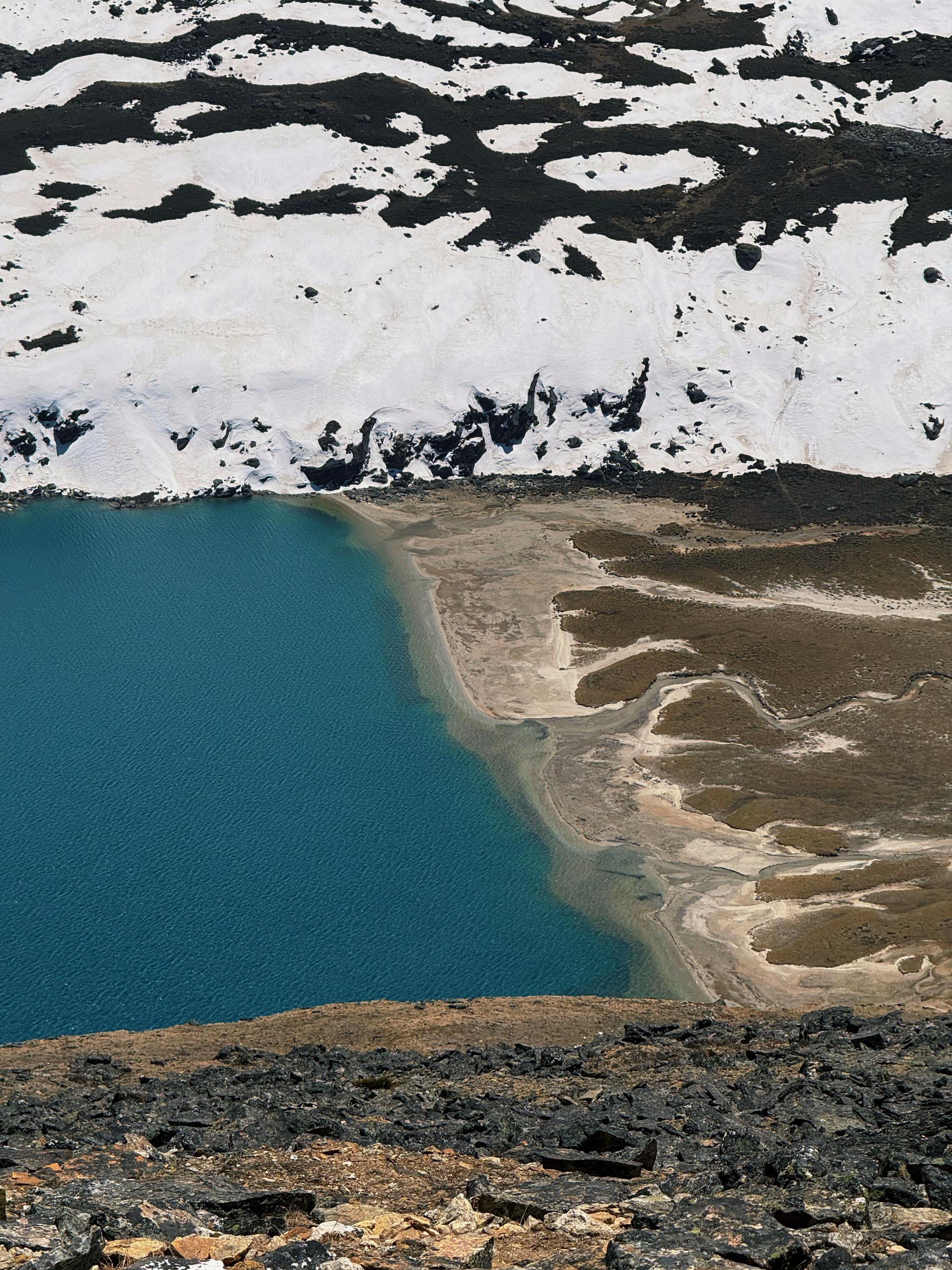

Your Start Date is the day you land in Nepal, and your End Date is when you fly home.
If the set Gokyo Lakes 14 Day Trek group dates don’t suit your schedule, we can offer alternative dates upon request.
The Gokyo Lakes Trek is a 14-day high-altitude adventure in Nepal’s Everest Region, visiting five turquoise lakes, the Ngozumpa Glacier, and summiting Gokyo Ri for panoramic Himalayan views.
The trek lasts 14 days, including travel from Kathmandu and back.
The highest point is Gokyo Ri at 5,357m (17,575 ft).
It is moderate to strenuous, requiring good fitness and stamina for high-altitude trekking.
Spring (March–May) and Autumn (September–November) are ideal for clear skies, blooming rhododendrons, and stable weather.
Not necessarily, but basic trekking experience or good fitness is recommended.
The trek starts with a flight from Ramechhap to Lukla, followed by a short trek to Phakding.
Yes, the trekking package includes Sagarmatha National Park permits and TIMS cards.
Accommodation is in tea houses and local lodges, offering warm meals and basic comfort.
Breakfast, lunch, and dinner during trekking days are included. Meals in Kathmandu may vary depending on the package.
Yes, with experienced guides and support staff, solo travelers are safe, though traveling in a group is recommended.
Visit Sherpa villages, monasteries, and local markets to experience traditional Himalayan culture.
Daily walks range from 5 to 12 km, depending on altitude and terrain.
Yes, rest days at Namche Bazaar and Machermo help prevent altitude sickness.
Possible sightings include Himalayan Thar, red pandas, and various birds along the trail.
Yes, with proper preparation, guidance, and gradual acclimatization, beginners can enjoy the trek.
Flights from Ramechhap to Lukla take about 15 minutes.
Essentials include layered clothing, trekking boots, gloves, sleeping bag, trekking poles, water bottle, and personal medications.
Yes, high-altitude trekking insurance is strongly recommended.
Yes, trekking gear such as boots, sleeping bags, and poles can be rented in Kathmandu or Lukla.
Basic care is available at tea houses; guides carry first-aid kits. Major medical help is in Namche or Kathmandu.
Carry Nepalese Rupees (NPR) for local purchases, tips, and snacks.
Yes, itineraries can be adjusted for extra acclimatization or sightseeing days.
Weather is unpredictable, with cold nights, occasional rain, or snow even in peak seasons.
Groups typically range from 4 to 12 people, ensuring personalized attention from guides.
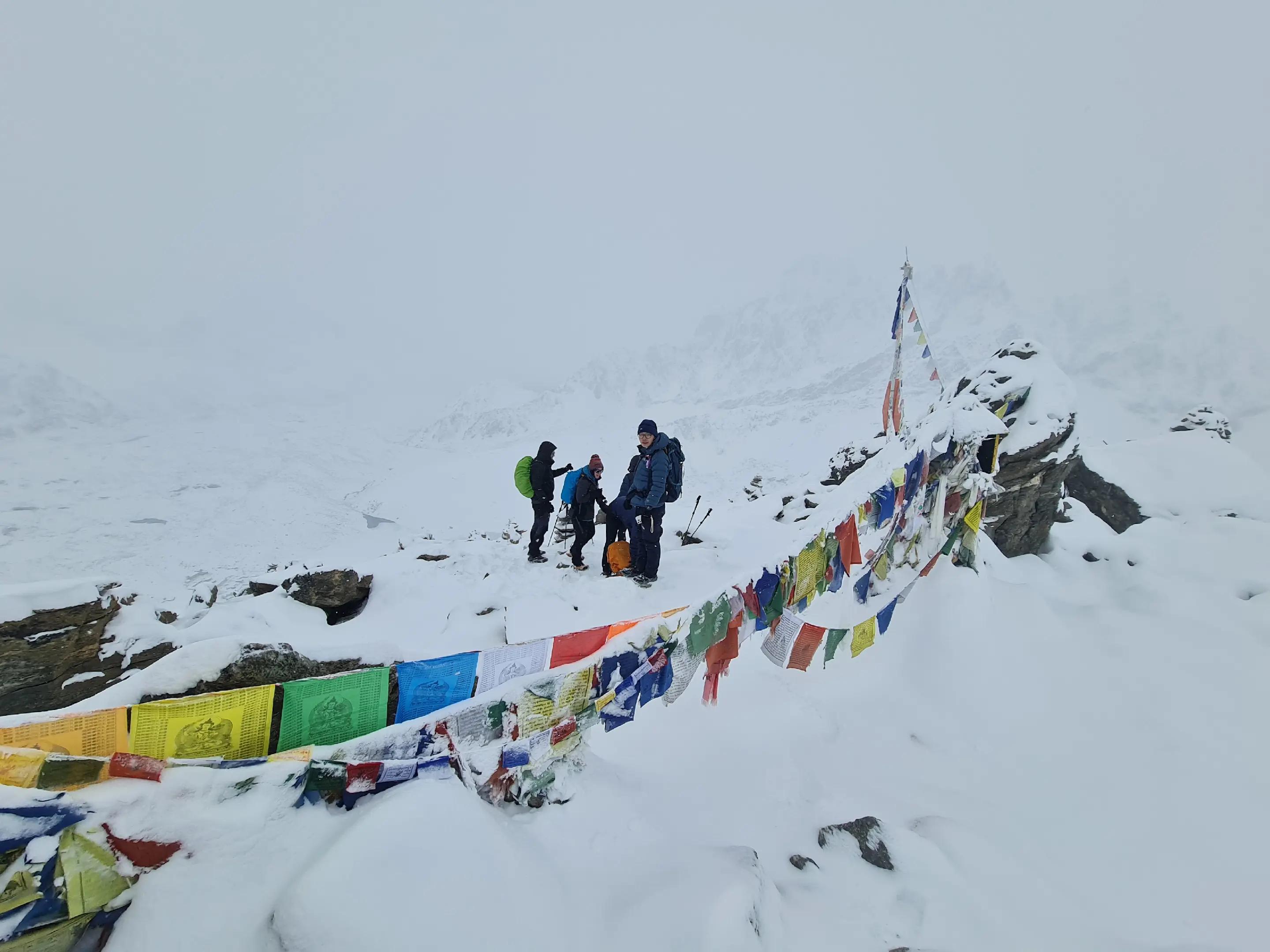
The Gokyo Ri summit is steep but manageable with acclimatization. The reward is unparalleled panoramic Himalayan views.
Yes, vegetarian and special dietary options are available in tea houses.
Yes, Lukla flights are weather-dependent; alternate plans may include overnight waits or ground transfers.
Cardio training, stair climbing, and hiking prior to the trek will greatly improve endurance.
It’s less crowded than Everest Base Camp, features five stunning glacial lakes, the longest glacier in the Himalayas, and offers immersive Sherpa culture experiences in a pristine setting.
This preparation ensures trekkers are fit, safe, and well-equipped for the high-altitude Gokyo Lakes Trek, combining comfort, safety, and adventure.
During the Gokyo Lakes Trek, trekkers stay in local tea houses and lodges that provide a warm and welcoming environment. These accommodations are simple yet comfortable, allowing you to rest and recover after a day of trekking. Highlights include:
Tea houses are usually family-run, offering a unique opportunity to experience Sherpa hospitality and local culture firsthand.
Meals are included during trekking days and are prepared fresh at tea houses. The menu typically includes:
Special dietary needs, including vegetarian and vegan options, can usually be accommodated with prior notice. Carrying some personal snacks is also recommended for long trekking days.
A trekking expedition is a multi-day hiking adventure through remote and scenic regions, often including mountain trails, villages, and high-altitude terrain.
Not always. Moderate expeditions are suitable for fit beginners, while more strenuous treks require previous trekking experience or good physical fitness.
Spring (March–May) and Autumn (September–November) are ideal for clear skies, stable weather, and scenic views.
Train with cardio exercises, long hikes, and stair climbing. Strengthen your legs, core, and back to handle long climbs and descents.
Most treks use tea houses or lodges, offering basic beds, blankets, and meals. Hotels are available in starting or ending towns like Kathmandu or Lukla.
Tea houses provide breakfast, lunch, and dinner, including Nepali dishes like dal bhat, noodles, soups, and vegetarian options. Snacks and hot drinks are also available.
High-altitude treks can reach 5,000–5,500m, such as Gokyo Ri at 5,357m. Proper acclimatization days are included to prevent altitude sickness.
Yes. Trekkers usually need national park permits, TIMS cards, and sometimes additional local permits depending on the route.
Trek duration varies: short treks may be 5–7 days, while long expeditions like Gokyo Lakes take 14–18 days.
Yes, most trekking expeditions include experienced guides and porters to carry luggage, provide local knowledge, and ensure safety.
With proper preparation, acclimatization, and guidance from trained high-altitude guides, trekking is safe. Always carry travel insurance covering emergencies.
Yes. Solo trekkers are welcome, but traveling in groups with guides is safer and more enjoyable.
Guides carry first-aid kits and know evacuation routes. For serious cases, trekkers can be airlifted or transported to nearby towns.
Yes, flights to remote airports like Lukla are highly weather-dependent and may be delayed or rescheduled.
Trekking expeditions feature steep climbs, river crossings, suspension bridges, rocky paths, and glacial trails.
Depends on the trek. Moderate treks are suitable for teenagers and fit adults, while extreme high-altitude treks are recommended for experienced trekkers only.
Follow acclimatization schedules, stay hydrated, avoid alcohol, and ascend gradually. Guides monitor symptoms closely.
Yes, energy bars, snacks, and personal items can be carried, but tea houses provide most meals.
Mobile network coverage is limited in remote areas. Satellite phones or local SIM cards can help for emergencies.
Yes, but charging points may be limited and often incur a small fee in tea houses.
Absolutely! Trekking expeditions offer incredible photographic opportunities – mountains, lakes, glaciers, and local villages.
Trekkers interact with local communities, Sherpa villages, monasteries, and traditional festivals along the route.
Pack lightweight, layered clothing, trekking essentials, personal items, and snacks. Use waterproof bags to protect gear.
Most treks are guided for safety, cultural insight, and logistical support, though experienced trekkers sometimes attempt self-guided routes.
Carry Nepalese Rupees (NPR) for tips, drinks, or small purchases. ATMs are limited in high-altitude villages.
Travel insurance should cover medical emergencies, evacuation, high-altitude trekking, and lost or stolen gear.
Yes, optional hikes, Everest viewpoints, or visits to nearby monasteries are often included depending on trek duration.
Weather is unpredictable, ranging from sunny and warm to cold, rain, or occasional snow, even during peak season.
The combination of pristine natural landscapes, high-altitude adventure, glacial lakes, and cultural immersion creates memories that last a lifetime.