Need help with booking? Send us a message.
Embark on a journey into the heart of the Himalayas with the Tsum Valley Trek, a 14-day adventure through one of Nepal’s most remote and culturally rich valleys. Starting from Kathmandu, the trek winds through lush forests, terraced fields, and quaint villages like Maccha Khola, Jagat, Lokpa, Chumling, Chhokang Paro, and Chhule, culminating at the spiritual highlight, Mu Gompa monastery. Along the way, travelers experience stunning panoramic views of the Ganesh Himal and surrounding peaks, vibrant Tibetan Buddhist culture, and warm hospitality from the local Gurung communities. This trek offers the perfect blend of adventure, culture, and serenity, making it ideal for those seeking both natural beauty and immersive cultural encounters in Nepal.
Tourist-Level Hotel & Tea House
Kathmandu → Maccha Khola → Jagat → Lokpa → Chumling → Chhokang Paro → Chhule → Mu Gompa → Chhokang Paro → Lokpa → Jagat → Maccha Khola → Kathmandu
Introduction to Tsum Valley Trek
The Tsum Valley Trek is one of Nepal’s most enchanting and lesser-known trekking adventures, located in the Gorkha District within the protected Manaslu Conservation Area. This off-the-beaten-path route offers a rare opportunity for trekkers to experience unspoiled natural beauty, traditional Tibetan-influenced culture, and the serene lifestyle of the local Gurung communities. Typically completed in about 15 days, the trek begins from Maccha Khola, a small yet charming village that sets the tone for the journey ahead with its peaceful surroundings and deep-rooted cultural traditions. As you enter the valley, the significance of the name “Tsum” becomes clear—it is derived from the Tibetan word “Tsom,” which translates to “clear” or “bright,” a reflection not only of the valley’s pristine environment but also of the spiritual clarity and calm that pervades the region.
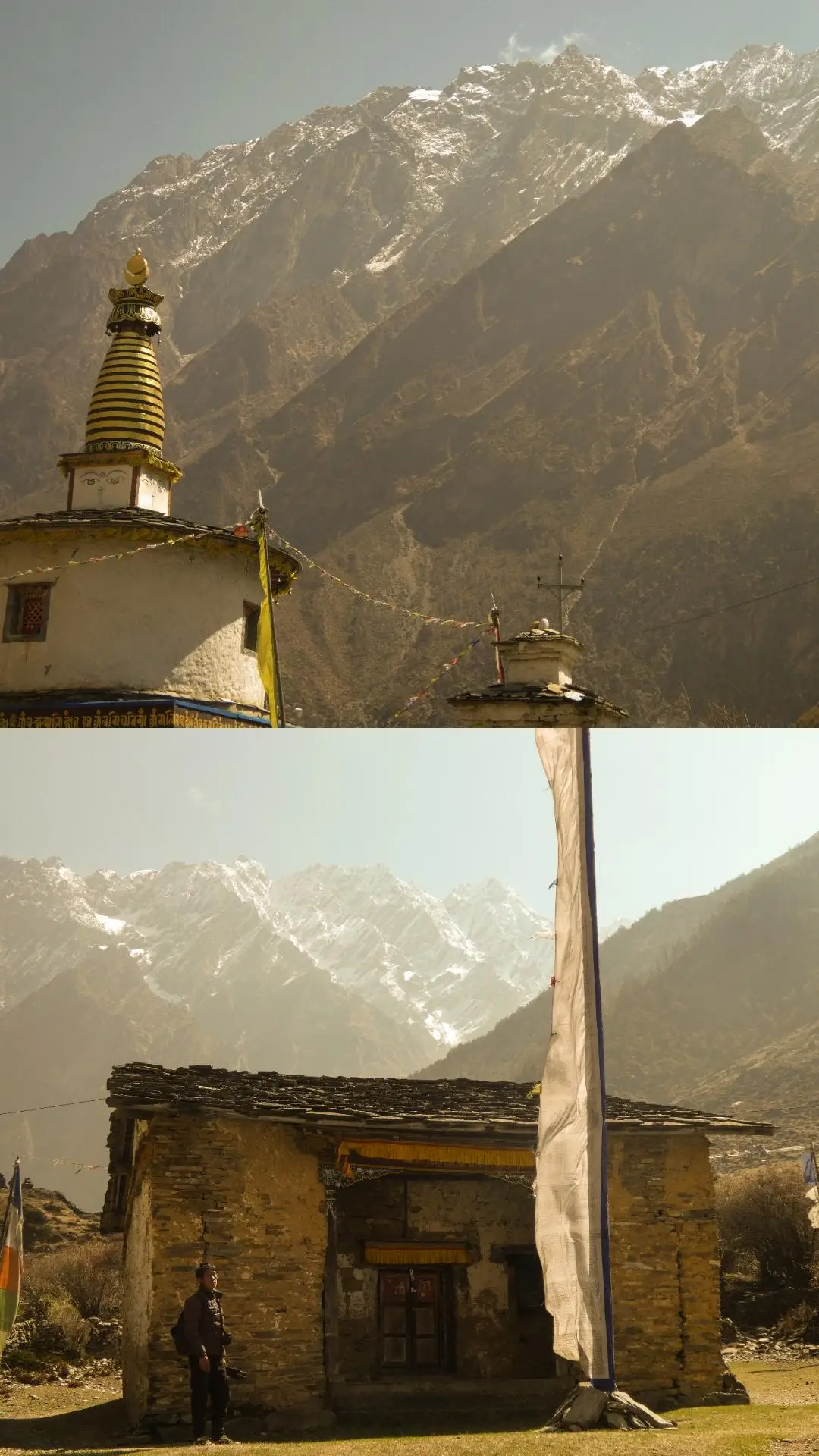
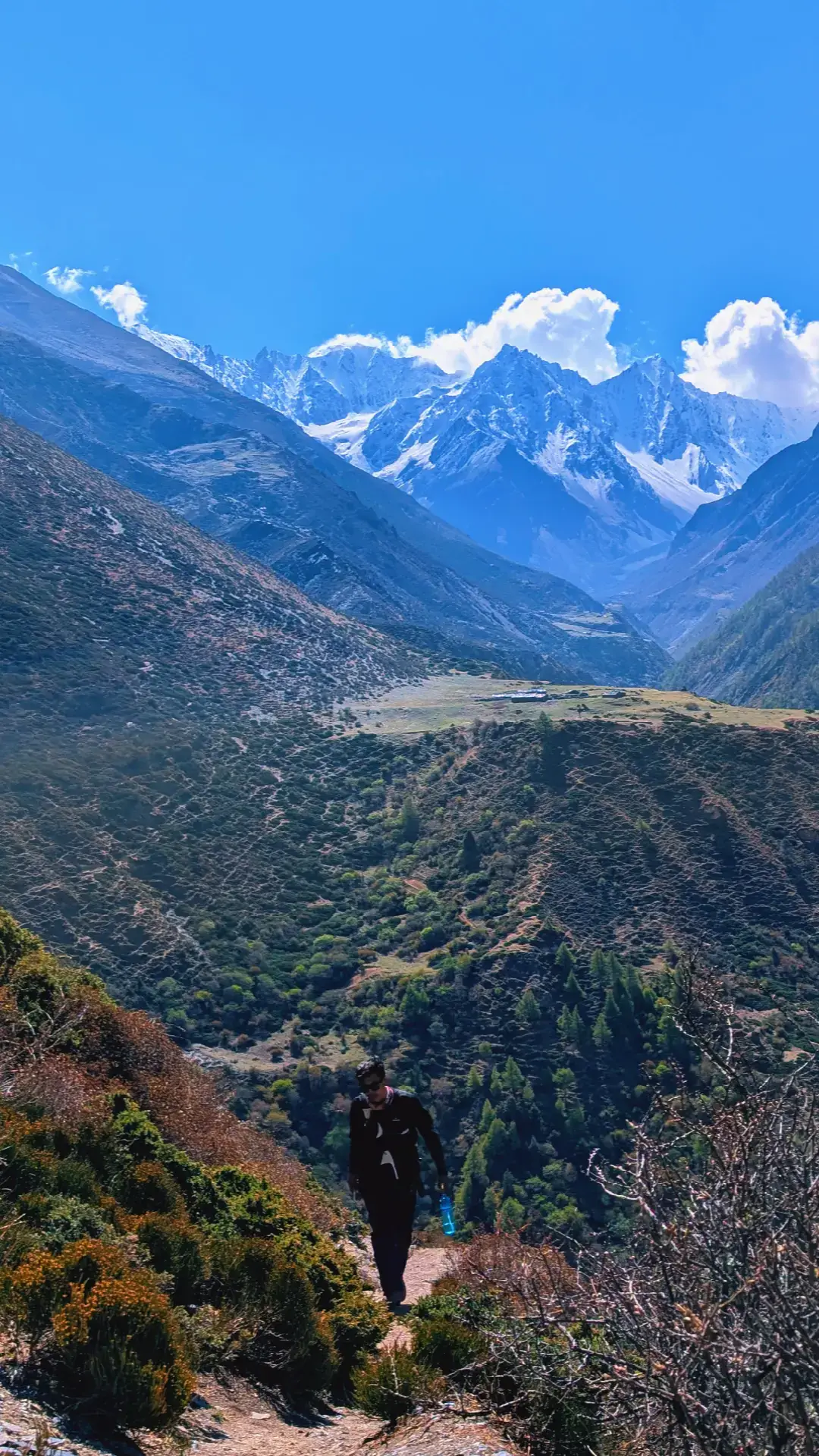
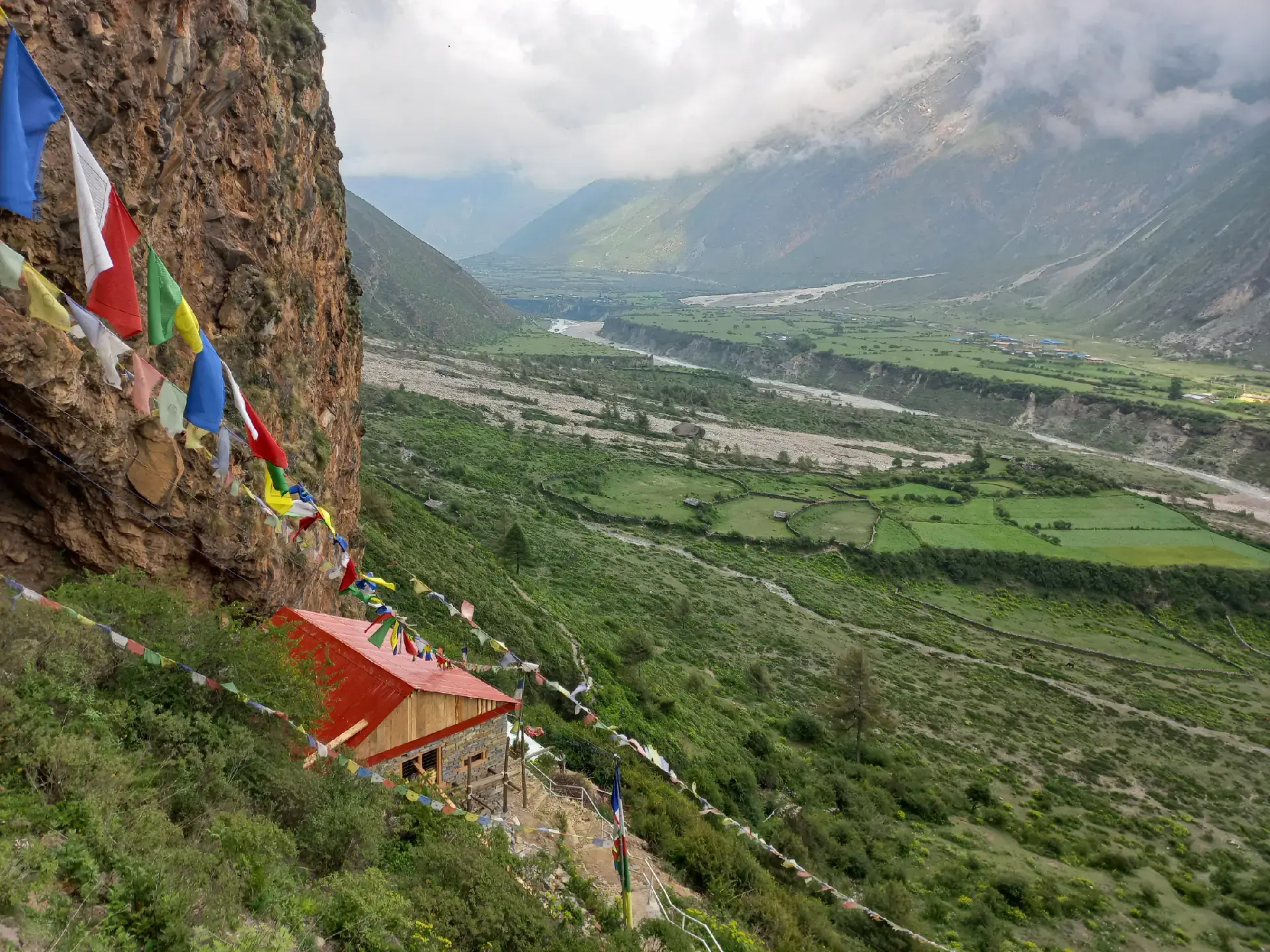
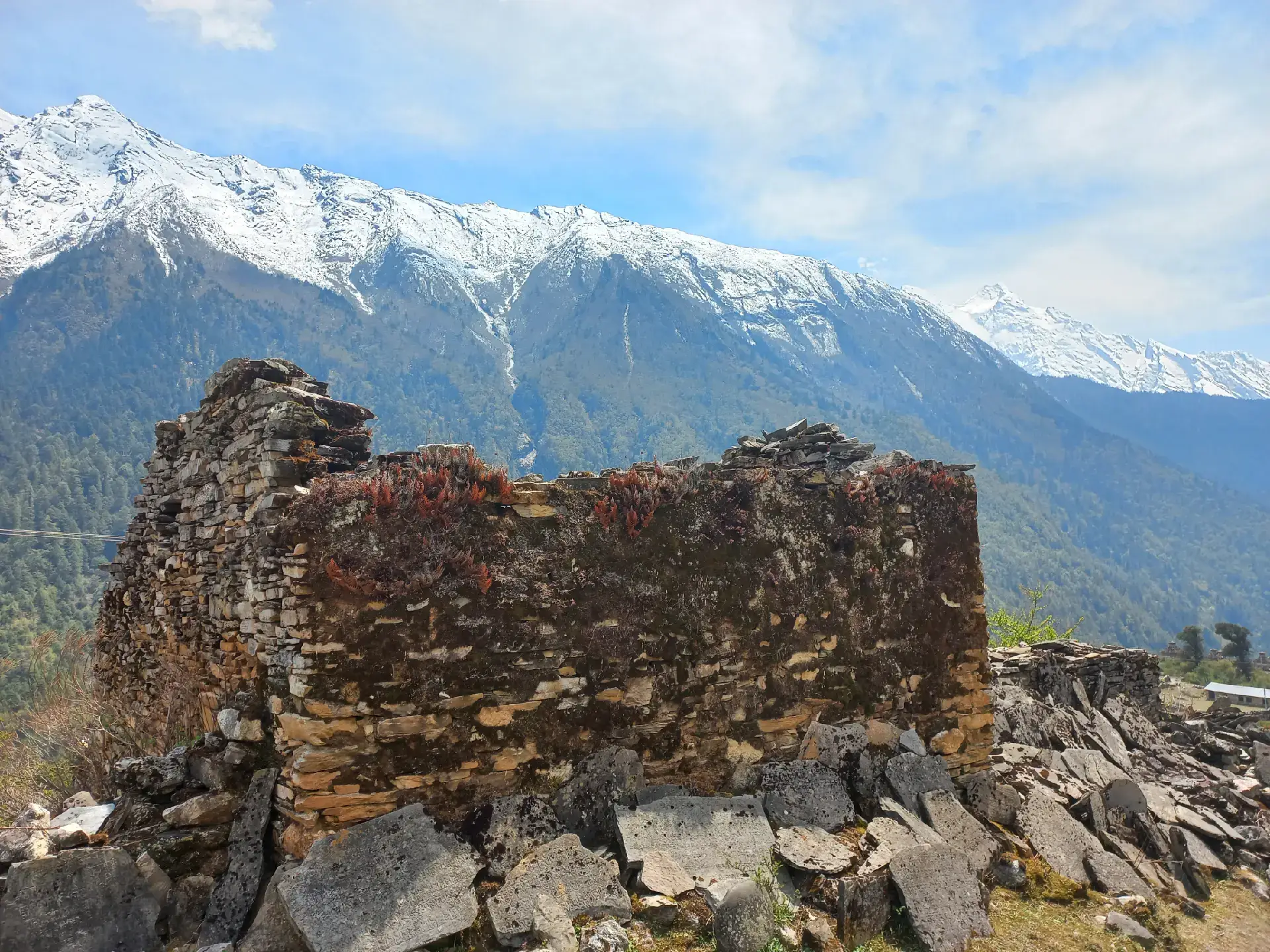
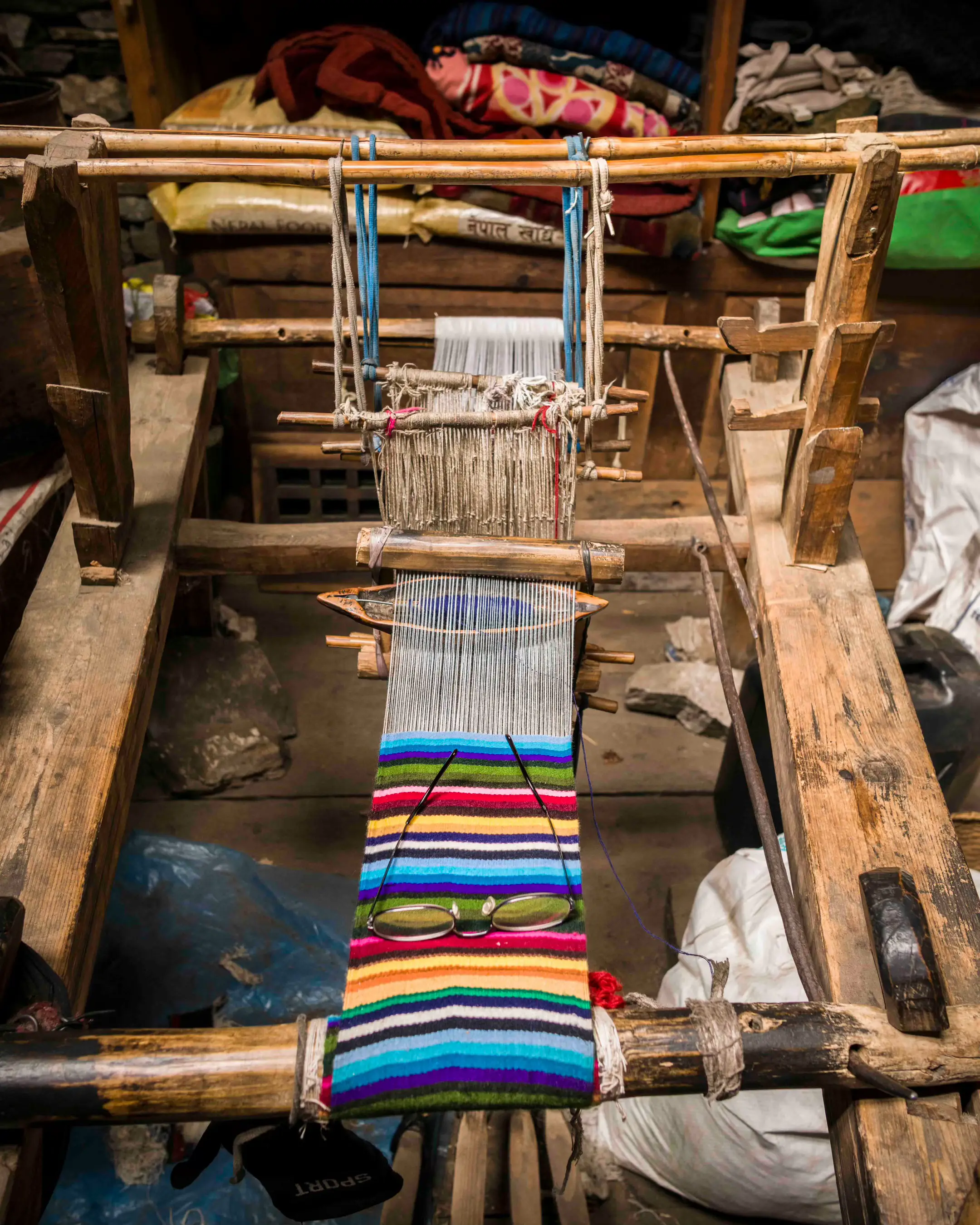
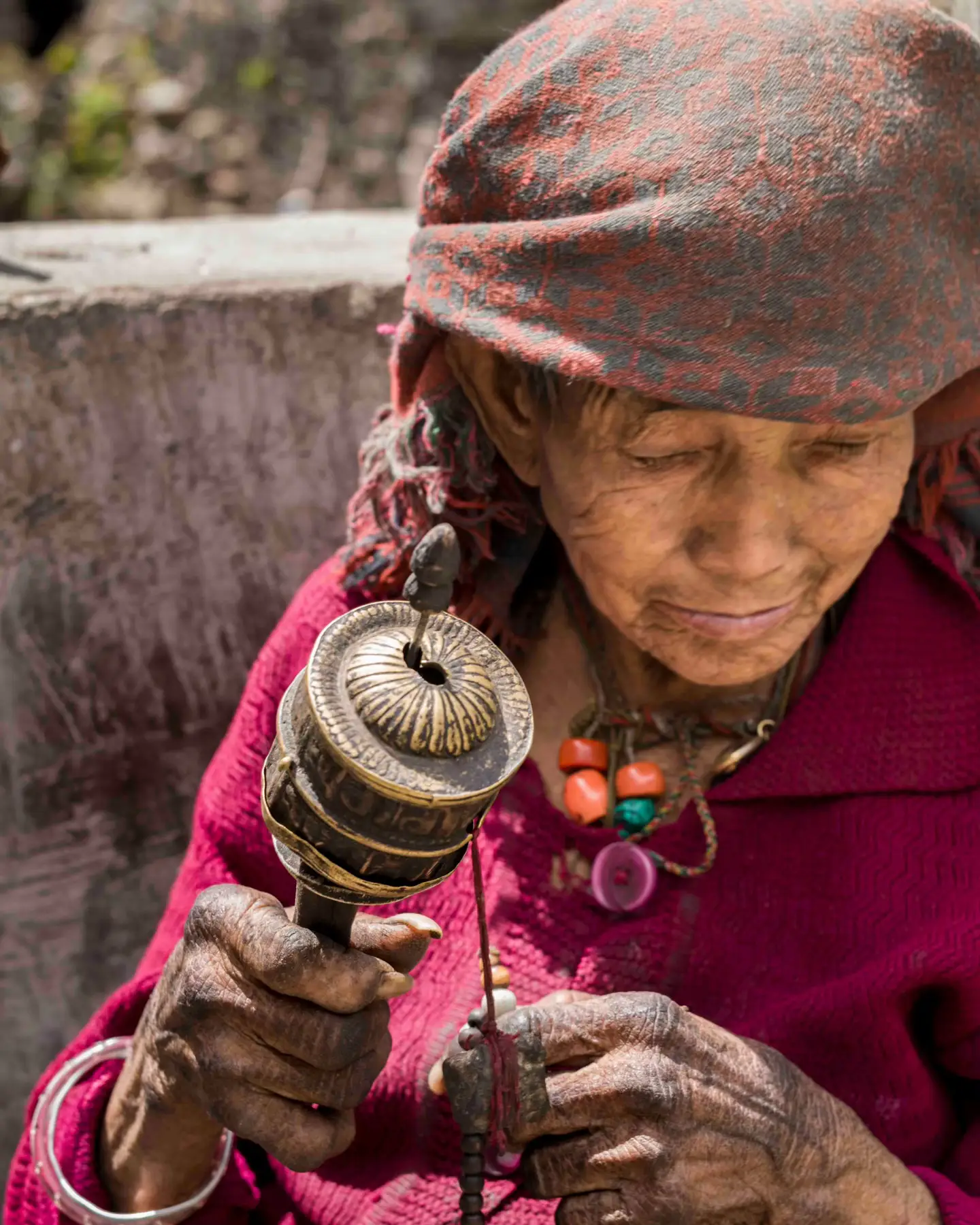
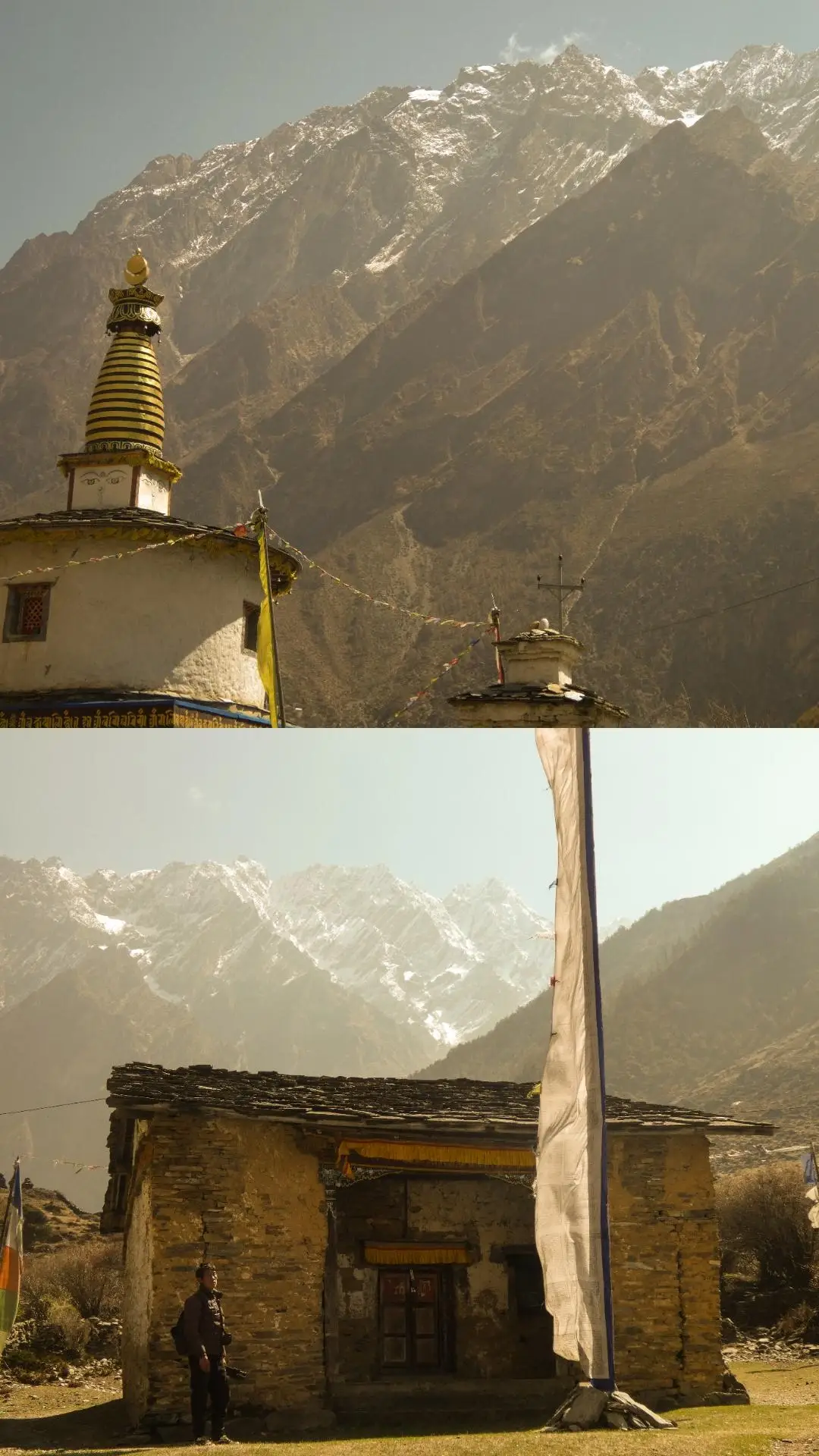
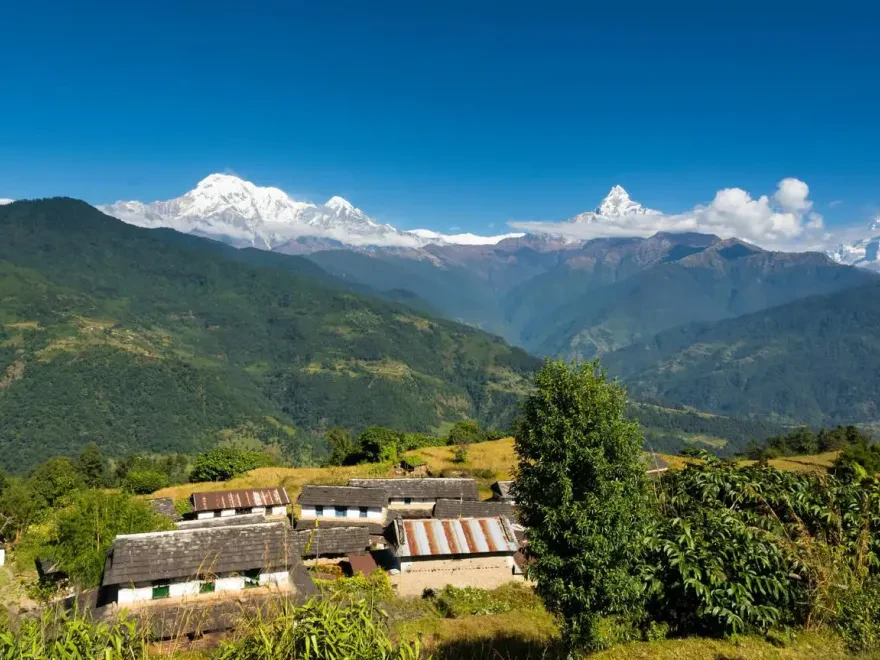
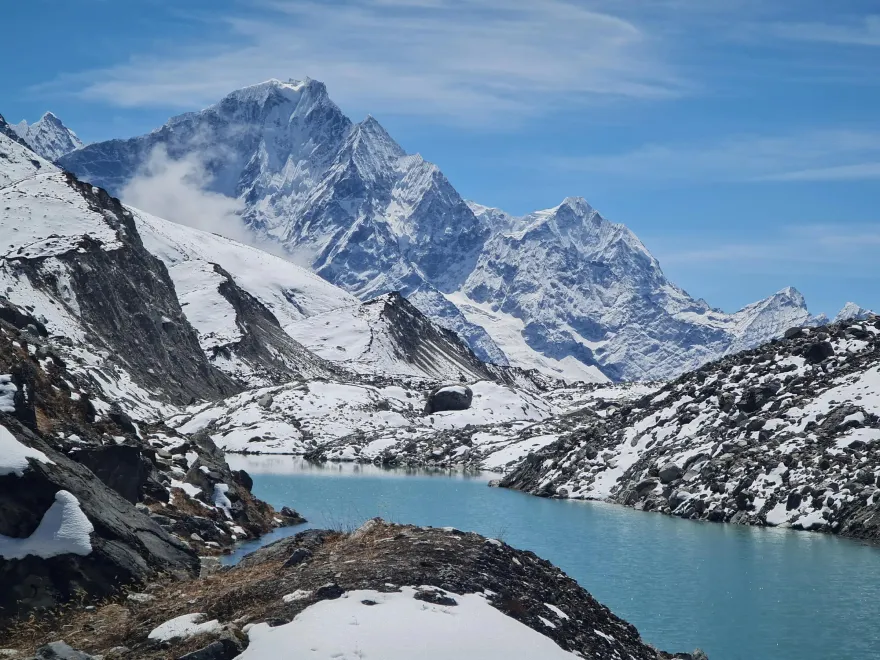
The valley itself is a visual treat, featuring lush forests, alpine meadows, and a wide variety of rock formations, all framed by the majestic peaks of the Himalayas. Flowering plants in the valley add vibrant colors to the landscapes, enhancing the overall scenic experience for every traveler. One of the key highlights of the trek is Mu Gompa, a remote monastery perched high above the valley. Visiting Mu Gompa offers trekkers not just awe-inspiring panoramic views, but also a chance to witness the practices and traditions of Tibetan Buddhism in a tranquil setting that feels almost timeless. Along the way, travelers will encounter local people whose lives revolve around subsistence farming, livestock, and traditional crafts, offering a unique glimpse into a way of life that has remained largely unchanged for generations. Engaging with the locals provides an invaluable cultural experience, allowing trekkers to learn about rituals, festivals, and the daily routines that shape life in the Tsum Valley.
The trek also rewards adventurers with a sense of spiritual and emotional rejuvenation. The combination of clear skies, fresh mountain air, and uninterrupted views of snow-capped peaks creates an environment that is both calming and inspiring. Trekkers often feel a profound connection to nature and a deeper appreciation for the simplicity and resilience of the local communities. Before embarking on this journey, it is essential to secure both the Tsum Valley Permit and the Manaslu Conservation Area Permit to ensure legal access to this protected area. Proper planning and permits allow trekkers to explore the valley safely while supporting conservation efforts and the local economy.
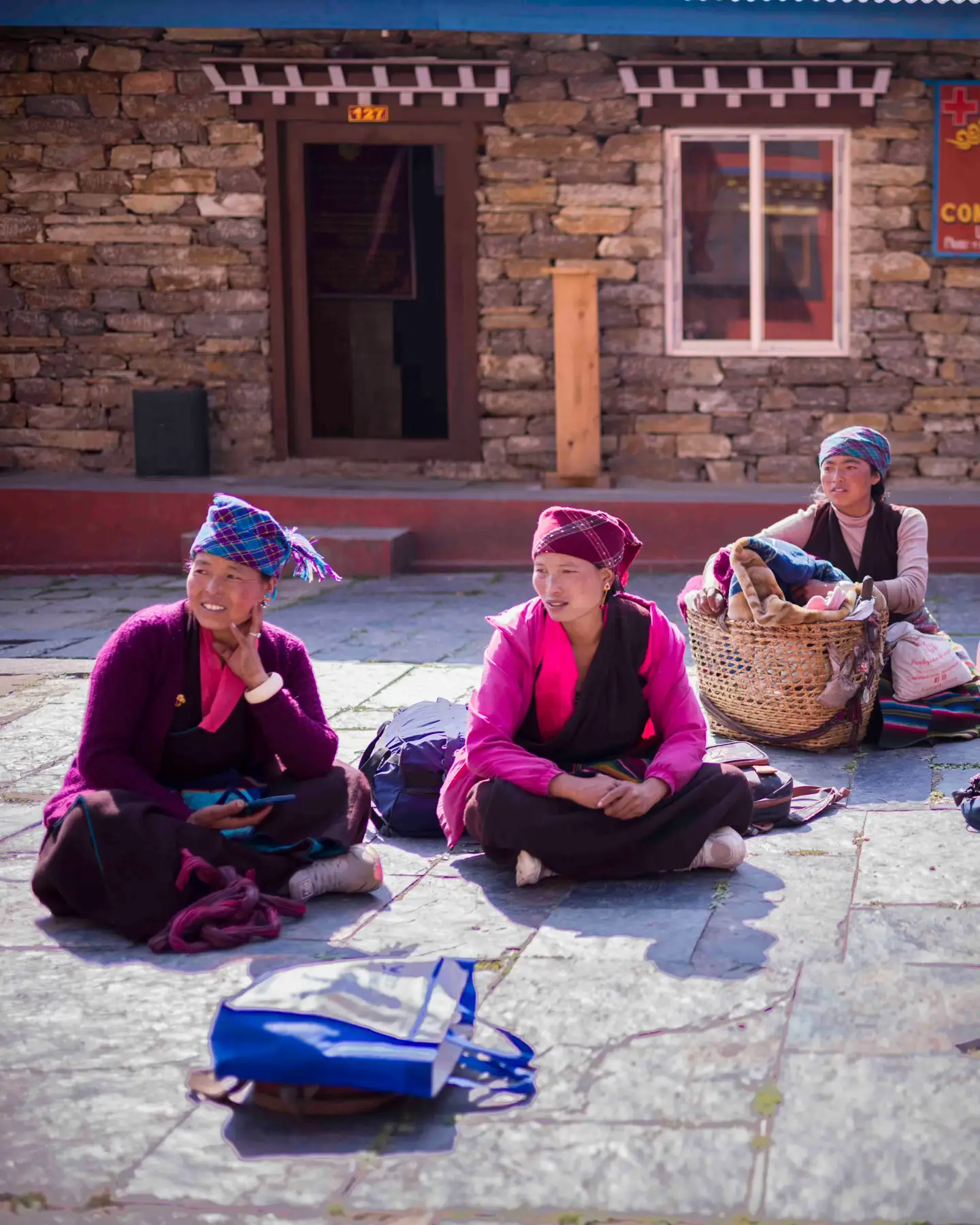
In addition to its natural beauty and cultural richness, the Tsum Valley Trek is ideal for those seeking solitude, adventure, and authentic experiences away from the more crowded trekking routes in Nepal. The path winds through charming villages, prayer flags flutter in the mountain breeze, and each step brings new vistas of glacial rivers, terraced fields, and traditional stone houses. For photography enthusiasts, the valley offers endless opportunities to capture striking landscapes, colorful local attire, and spiritual ceremonies. The trek is equally rewarding for those who simply wish to disconnect from the fast pace of modern life and immerse themselves in the quiet rhythms of mountain living.
Overall, the Tsum Valley Trek stands out as a perfect blend of breathtaking Himalayan scenery, rich Tibetan Buddhist culture, and the heartfelt hospitality of the local people. It offers travelers an unforgettable journey through one of Nepal’s most pristine and culturally vibrant regions, providing not only physical adventure but also mental and spiritual enrichment. Whether you are drawn by the panoramic mountain views, the fascinating cultural encounters, or the chance to explore a hidden Himalayan paradise, this trek promises a deeply memorable experience, connecting you to the timeless beauty and traditions of Nepal in a way few other treks can.
The adventure of the Tsum Valley Trek begins long before you set foot on the trail—it starts with careful planning, permit arrangements, and anticipation of the breathtaking journey ahead. Most trekkers begin their expedition from the town of Arughat Bazaar, which serves as a gateway to the Manaslu region. From here, the journey takes you through a scenic drive along winding roads that follow rivers, cross suspension bridges, and pass through dense forests, terraced fields, and quaint villages. The road itself offers a preview of the incredible landscapes you’ll encounter on foot, and the first glimpses of the towering Himalayan peaks create a sense of excitement and awe even before the trek officially begins.
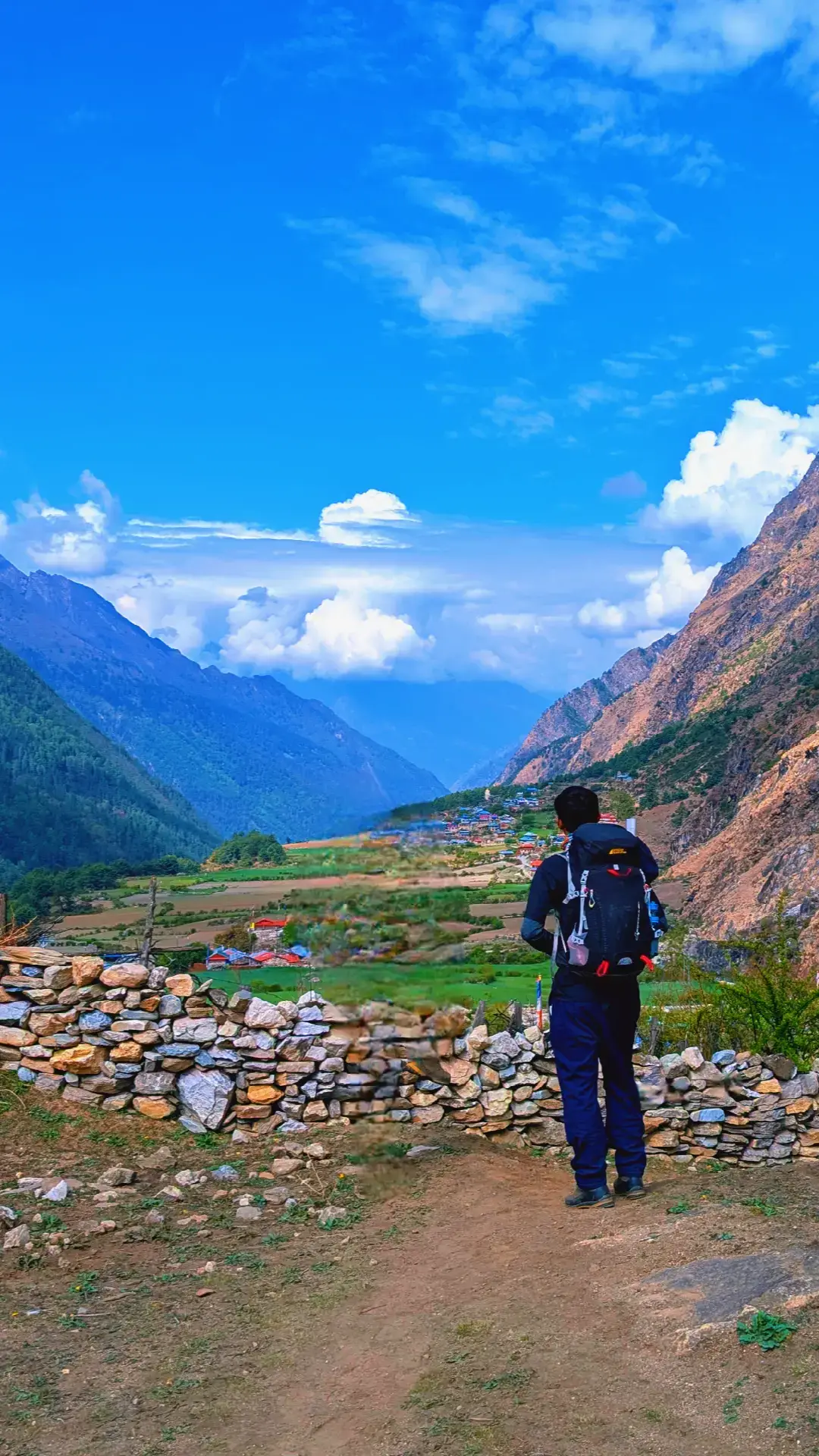
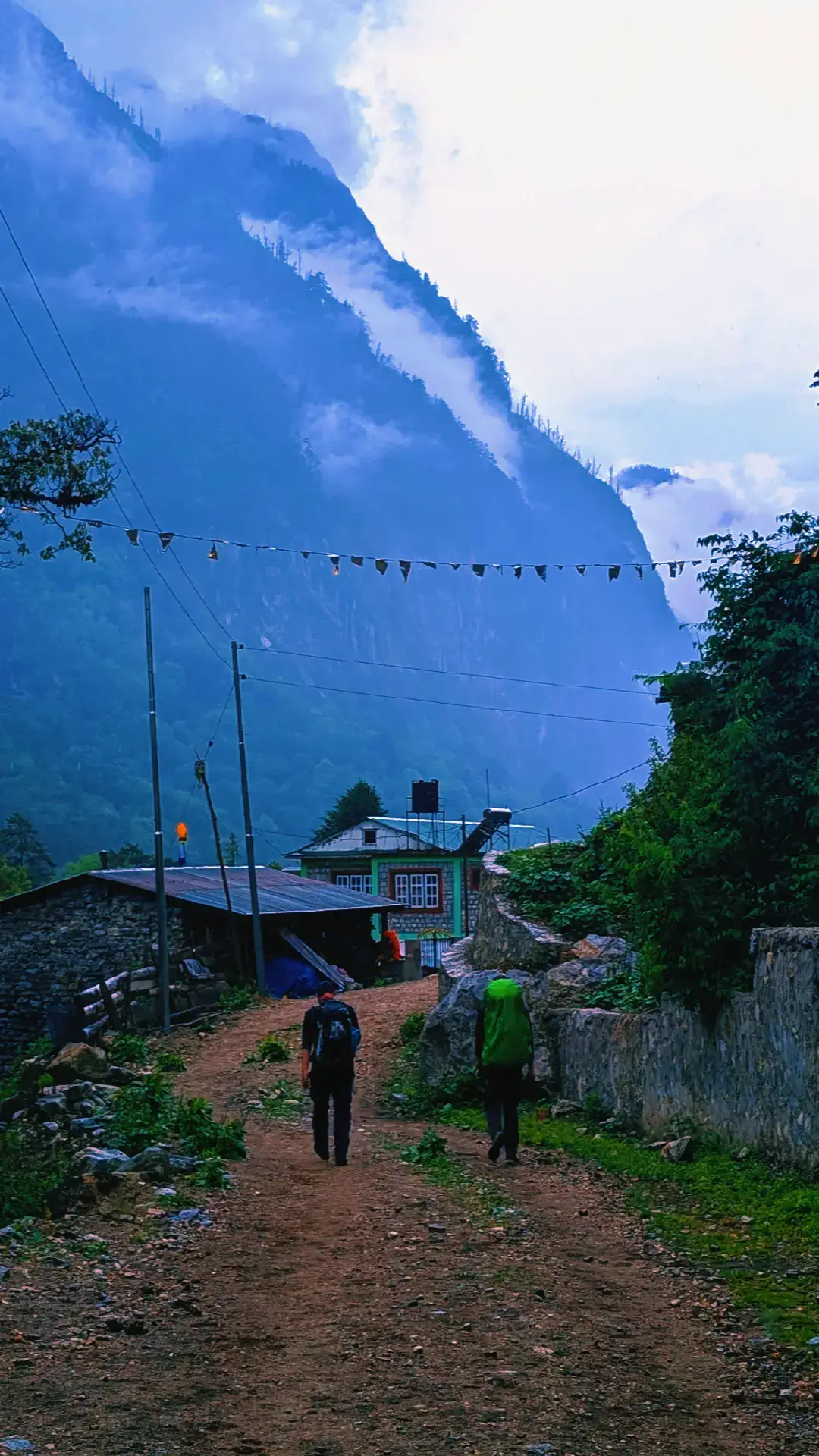
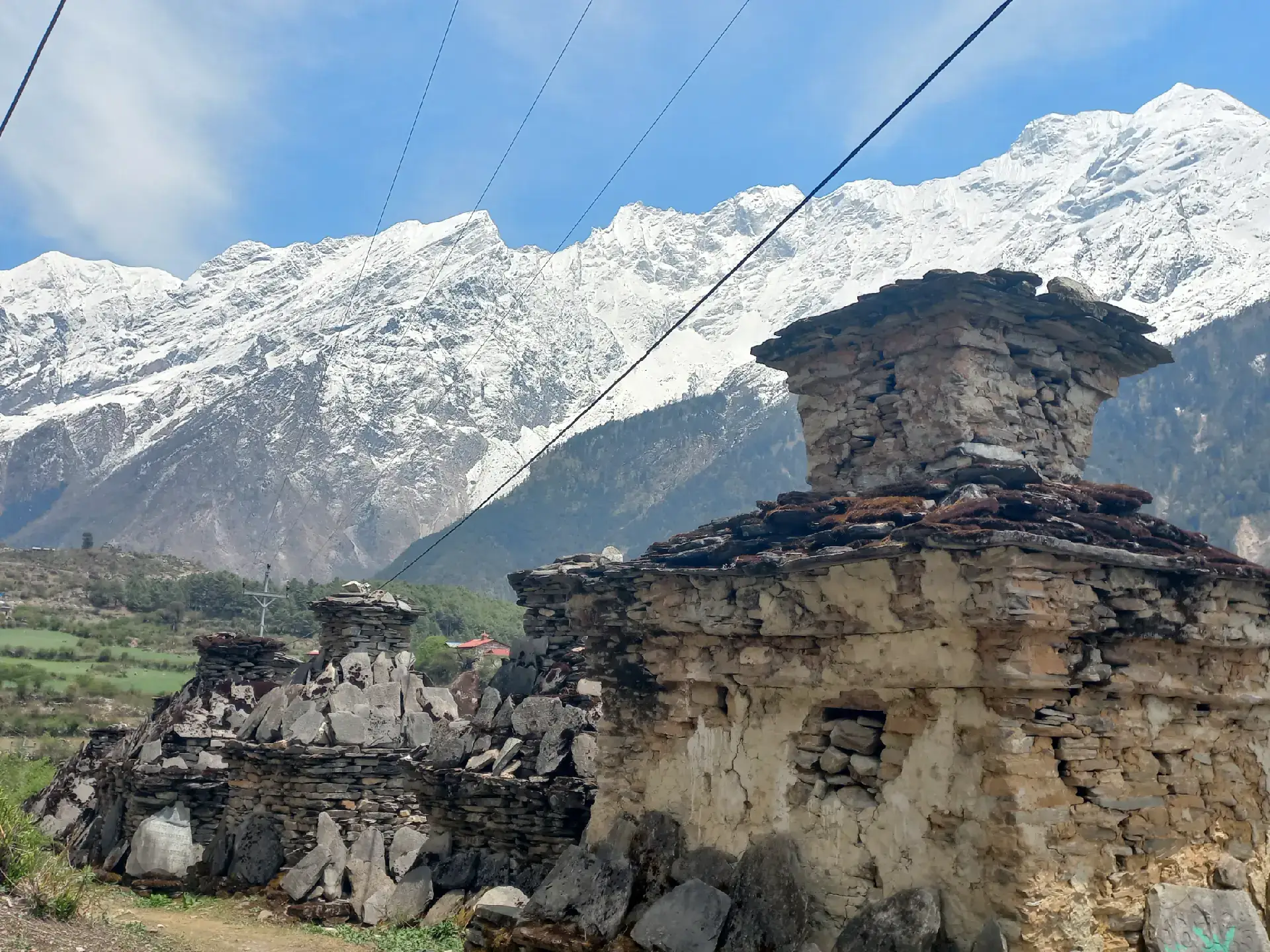
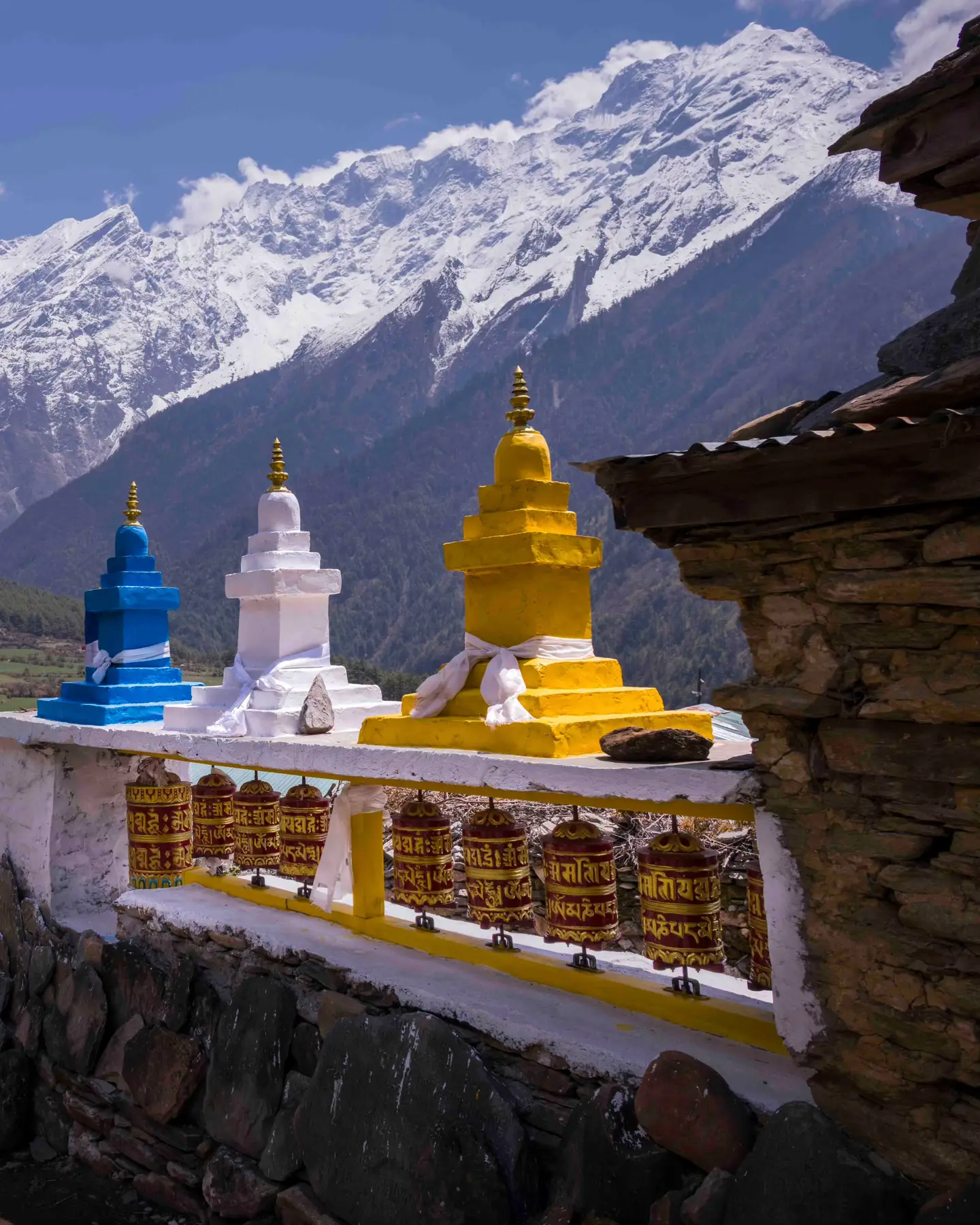
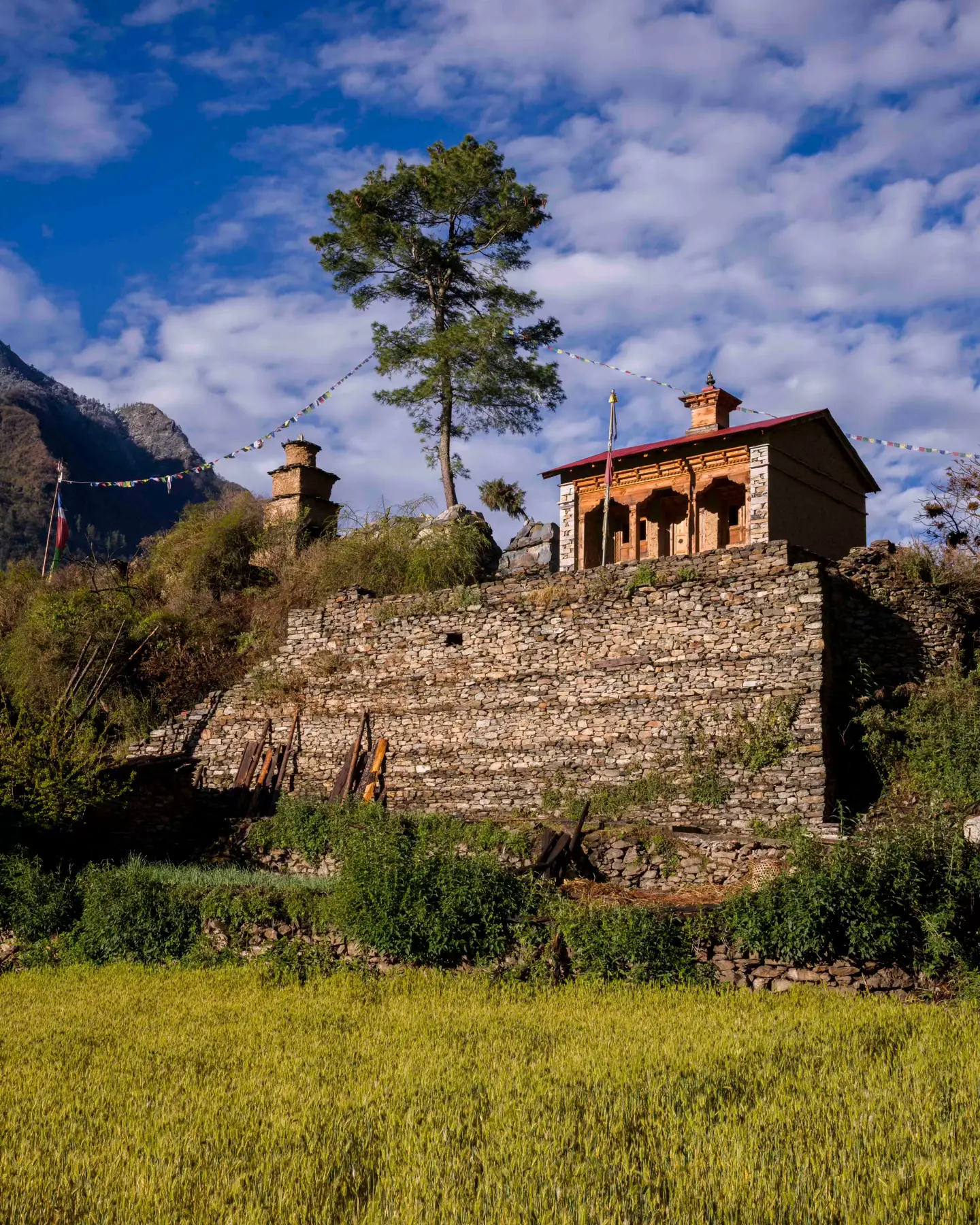
The trek proper starts from Maccha Khola, a small village nestled alongside the river. This village, though modest in size, is rich in cultural heritage and offers trekkers a first-hand experience of local life. As you step into Maccha Khola, you are immediately immersed in the warm hospitality of the villagers, who maintain a strong connection to Tibetan culture and traditions. You may notice prayer flags fluttering along the riverbanks, mani stones engraved with Buddhist symbols, and monasteries that hint at the spiritual significance of the region. This initial stage is crucial for acclimatization, allowing trekkers to adjust to the elevation while soaking in the valley’s serene atmosphere.
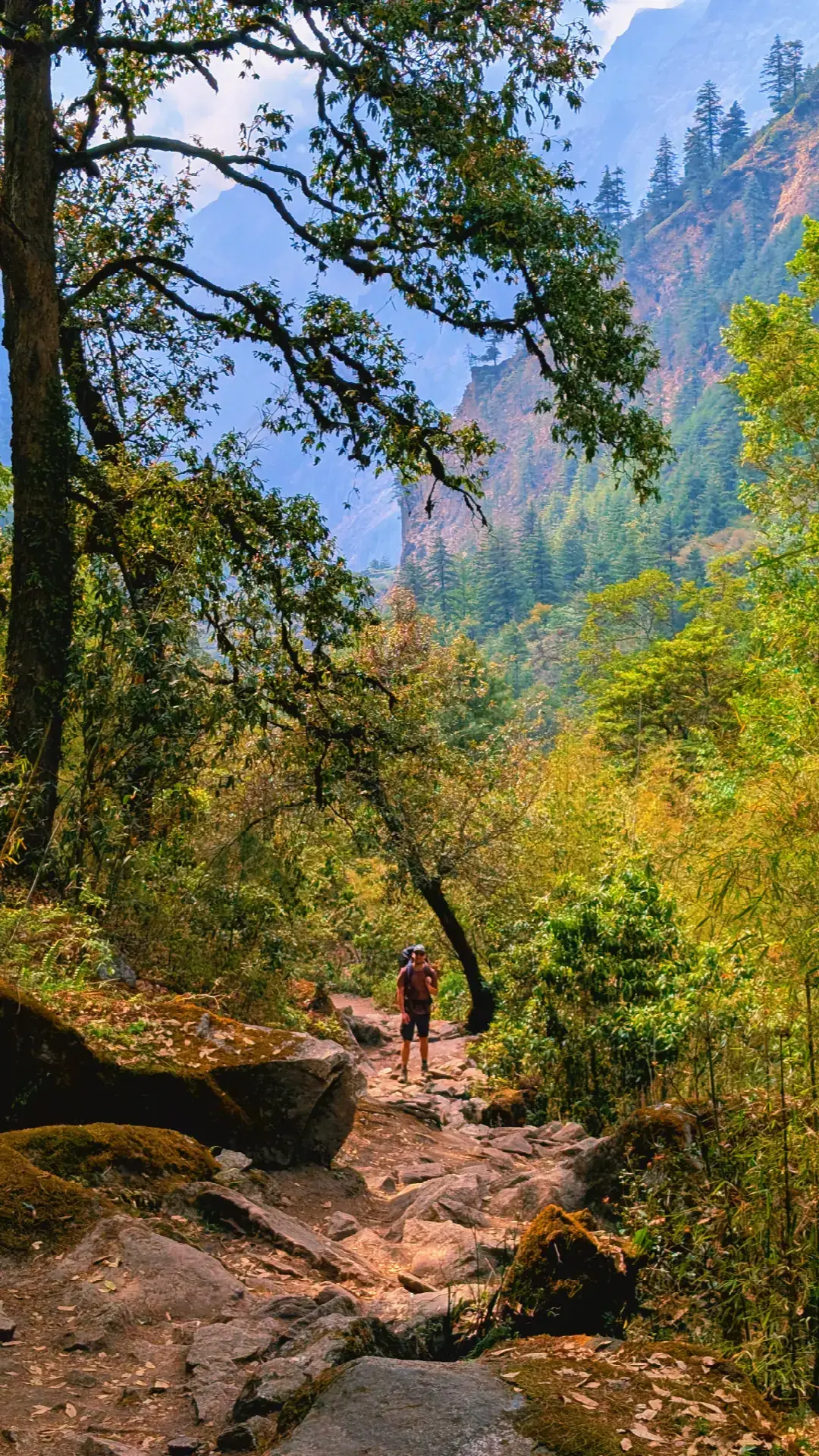
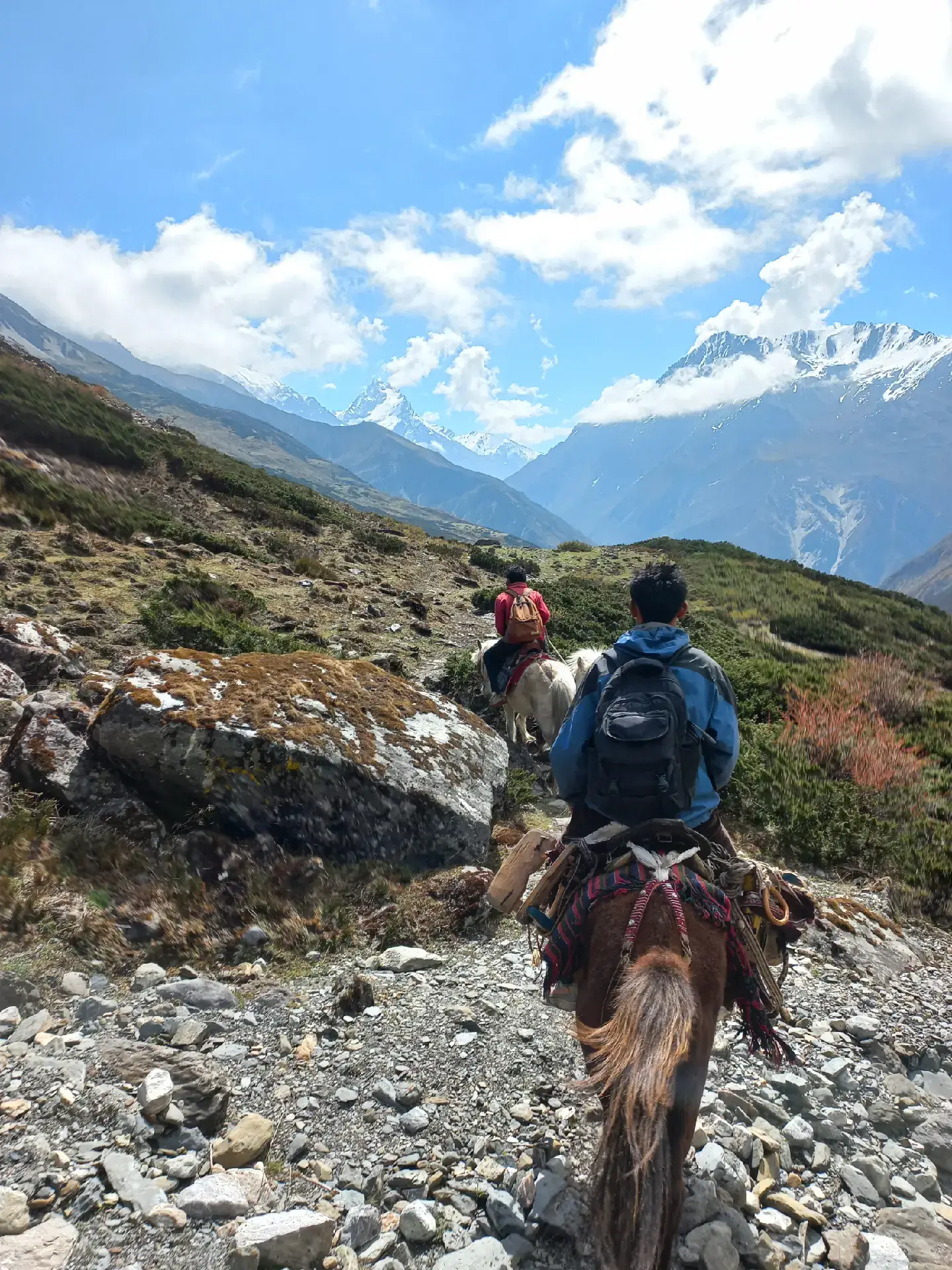
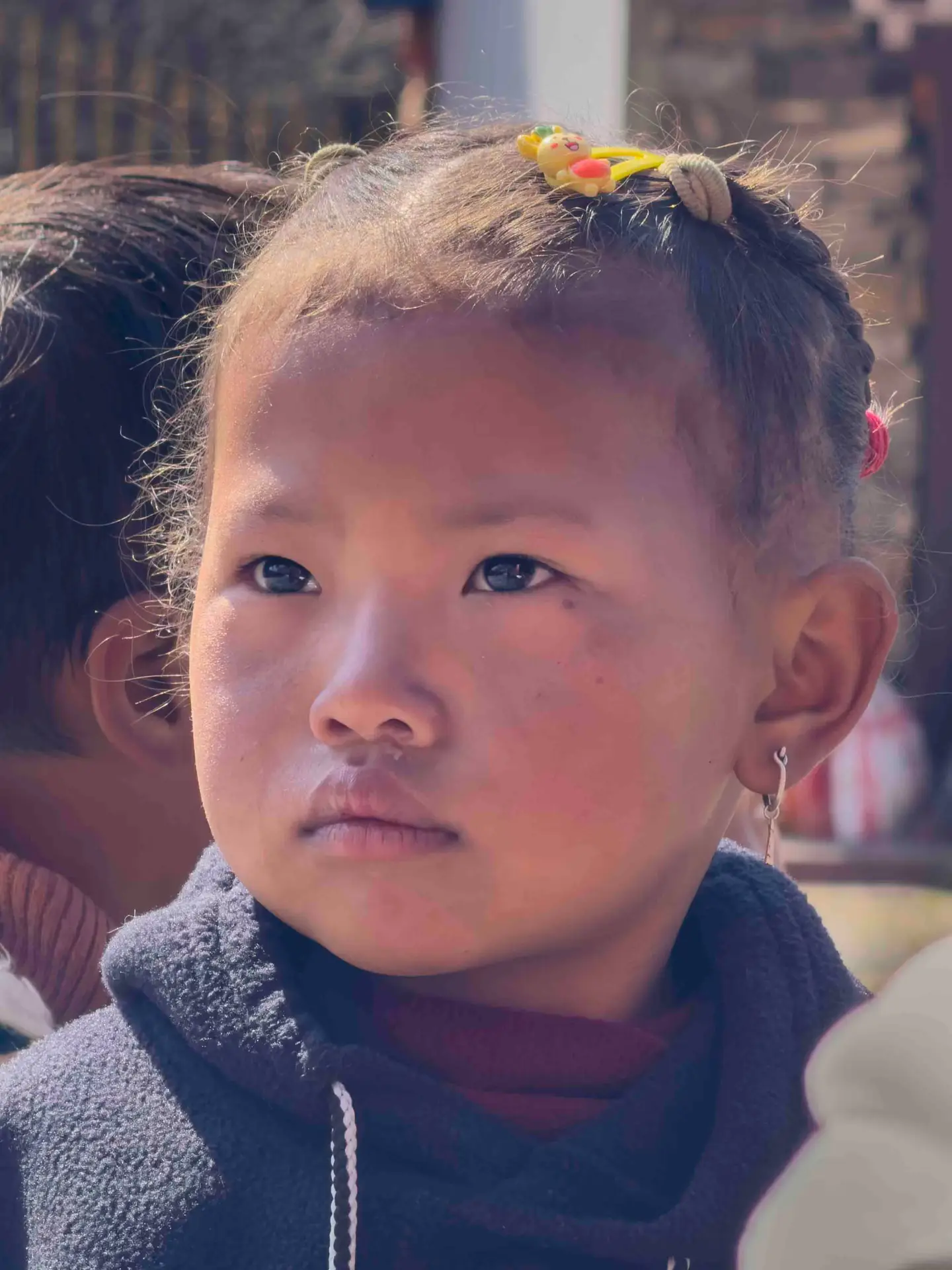
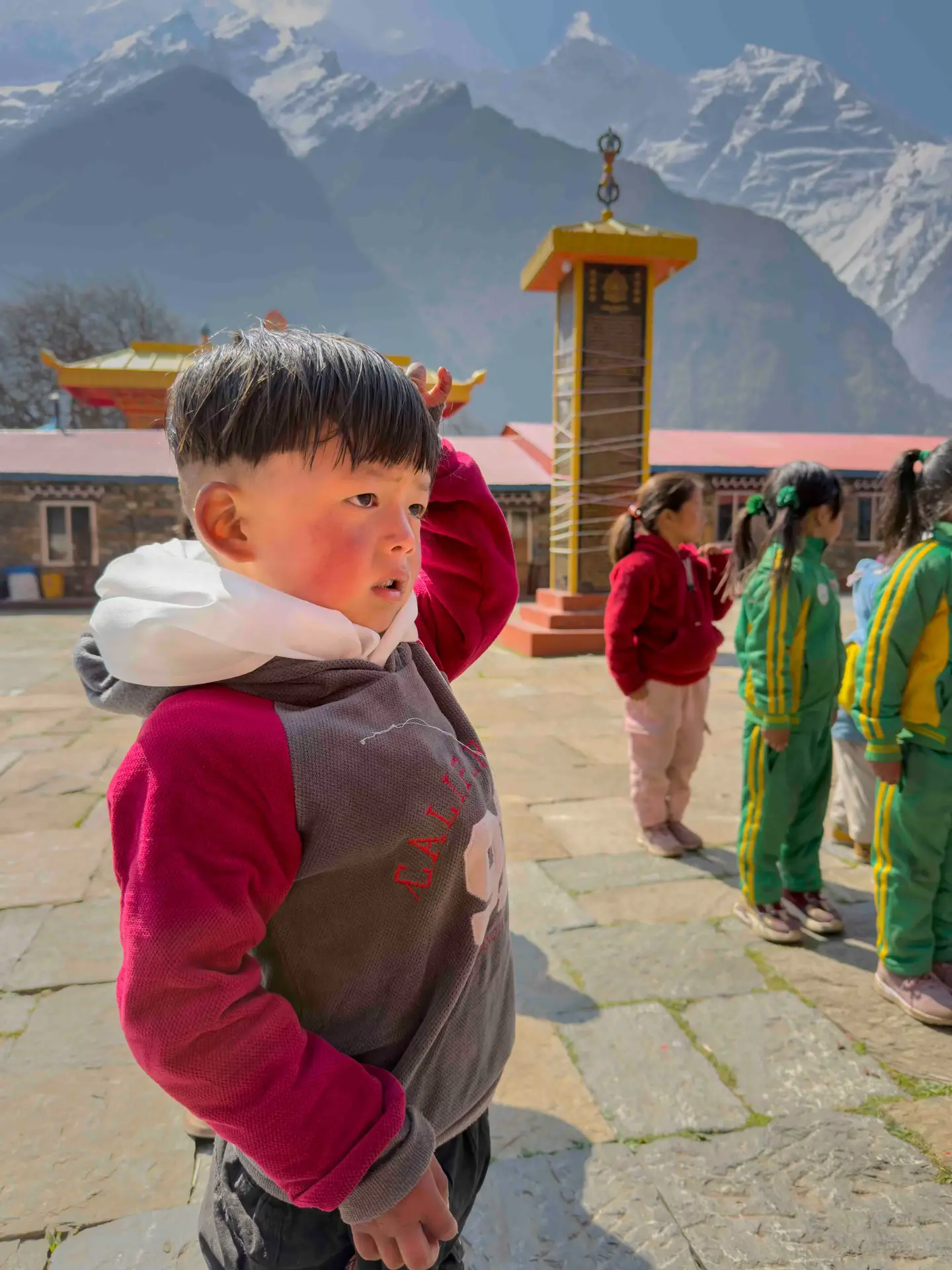
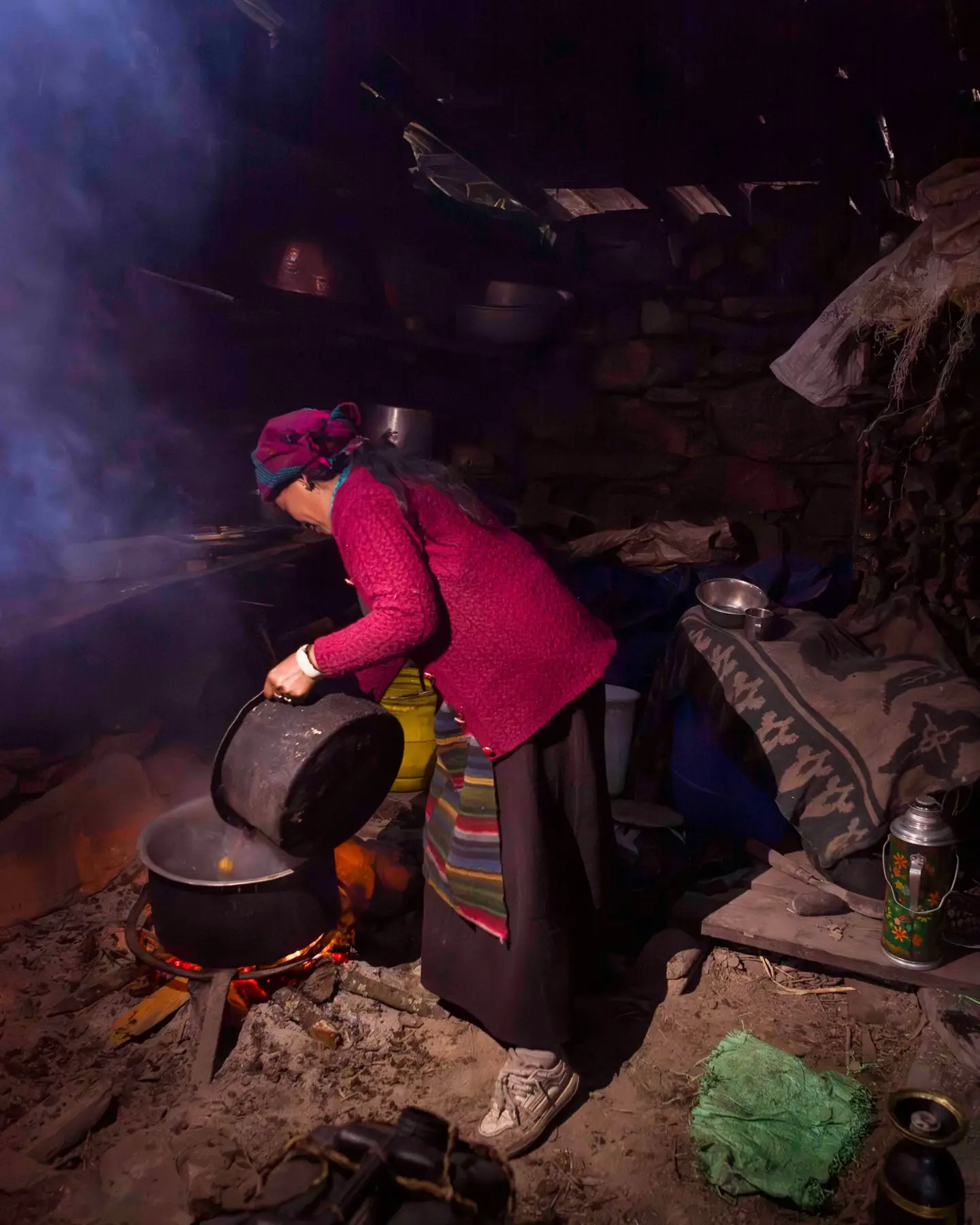
From Maccha Khola, the trail gradually ascends, weaving through lush forests, terraced farmland, and narrow paths carved into the hillsides. The first few days are a mix of gentle climbs and picturesque walks along rivers and streams. Along the way, trekkers encounter small hamlets where life moves at a slower, more rhythmic pace, shaped by agriculture, livestock rearing, and traditional rituals. These early interactions with locals offer a glimpse into the community’s way of life, including their daily chores, cultural festivals, and age-old customs that have survived generations. Children may greet you with shy smiles, and elders often welcome travelers with simple gestures of kindness, creating a sense of connection that enriches the trekking experience.
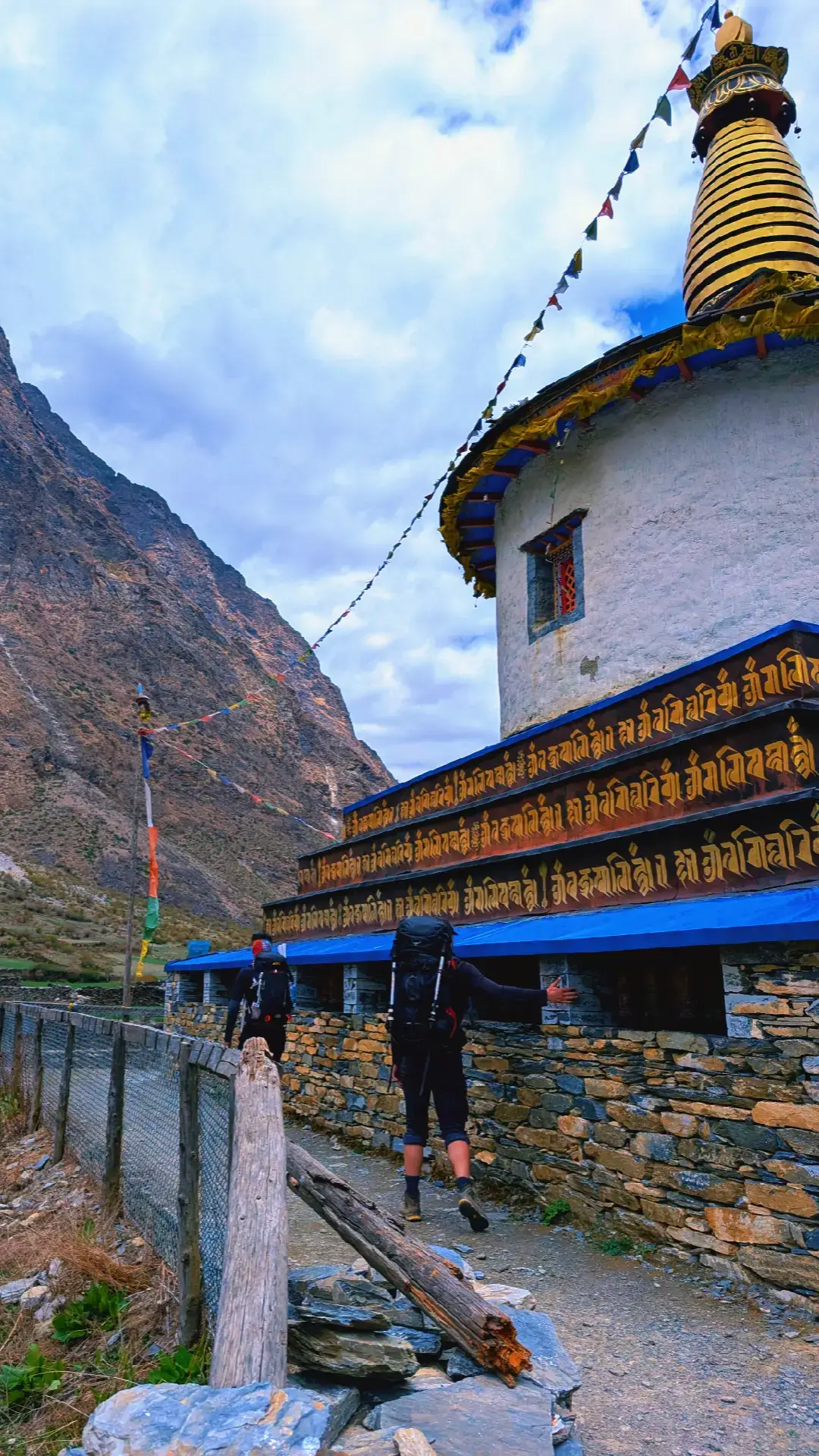
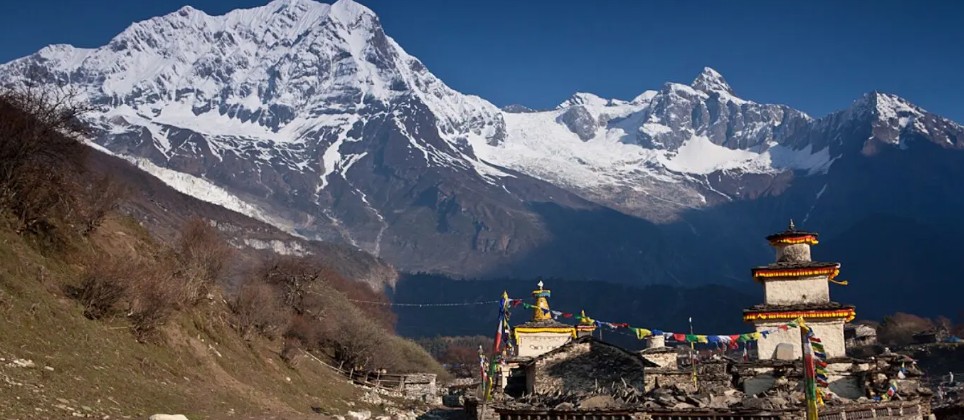
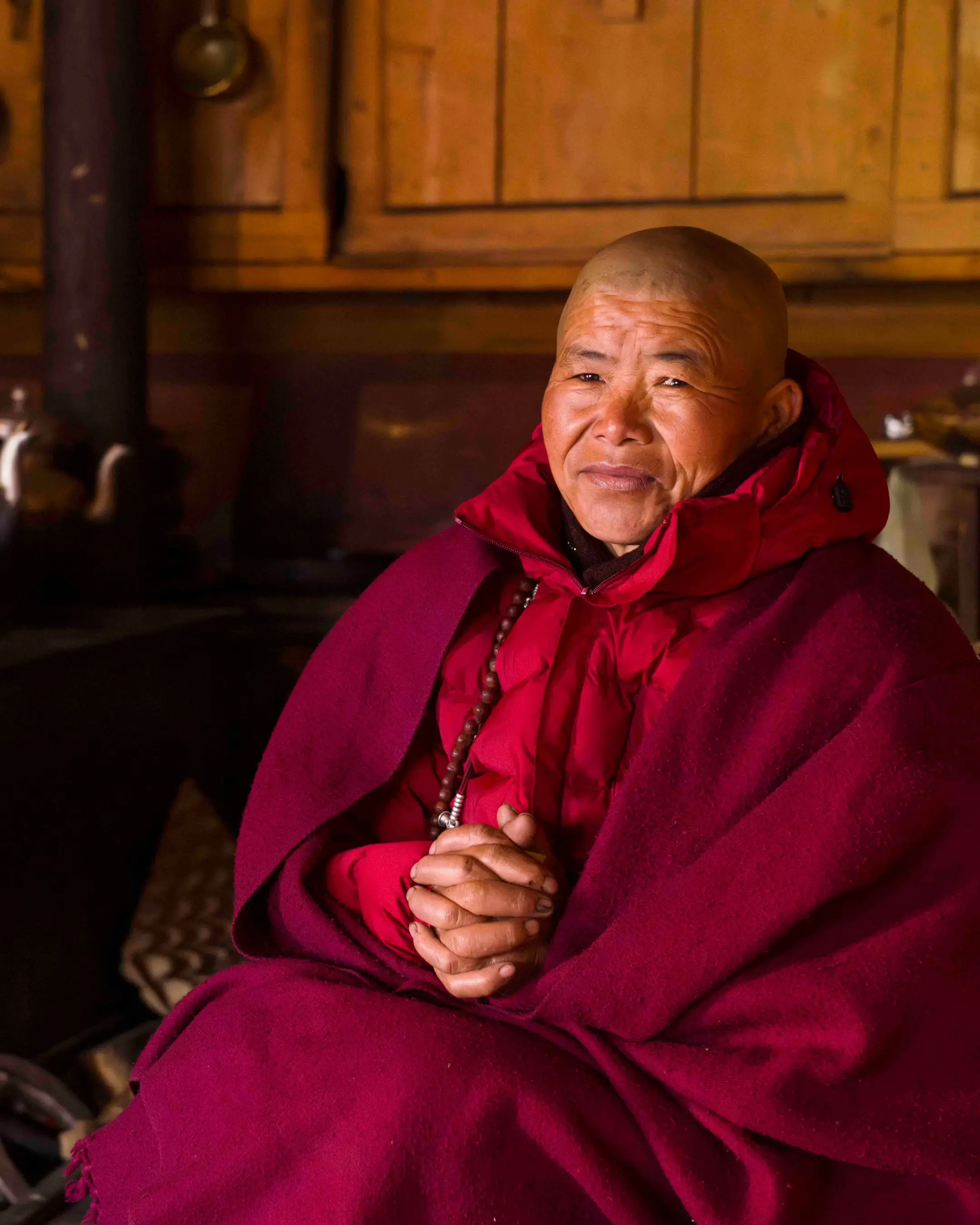
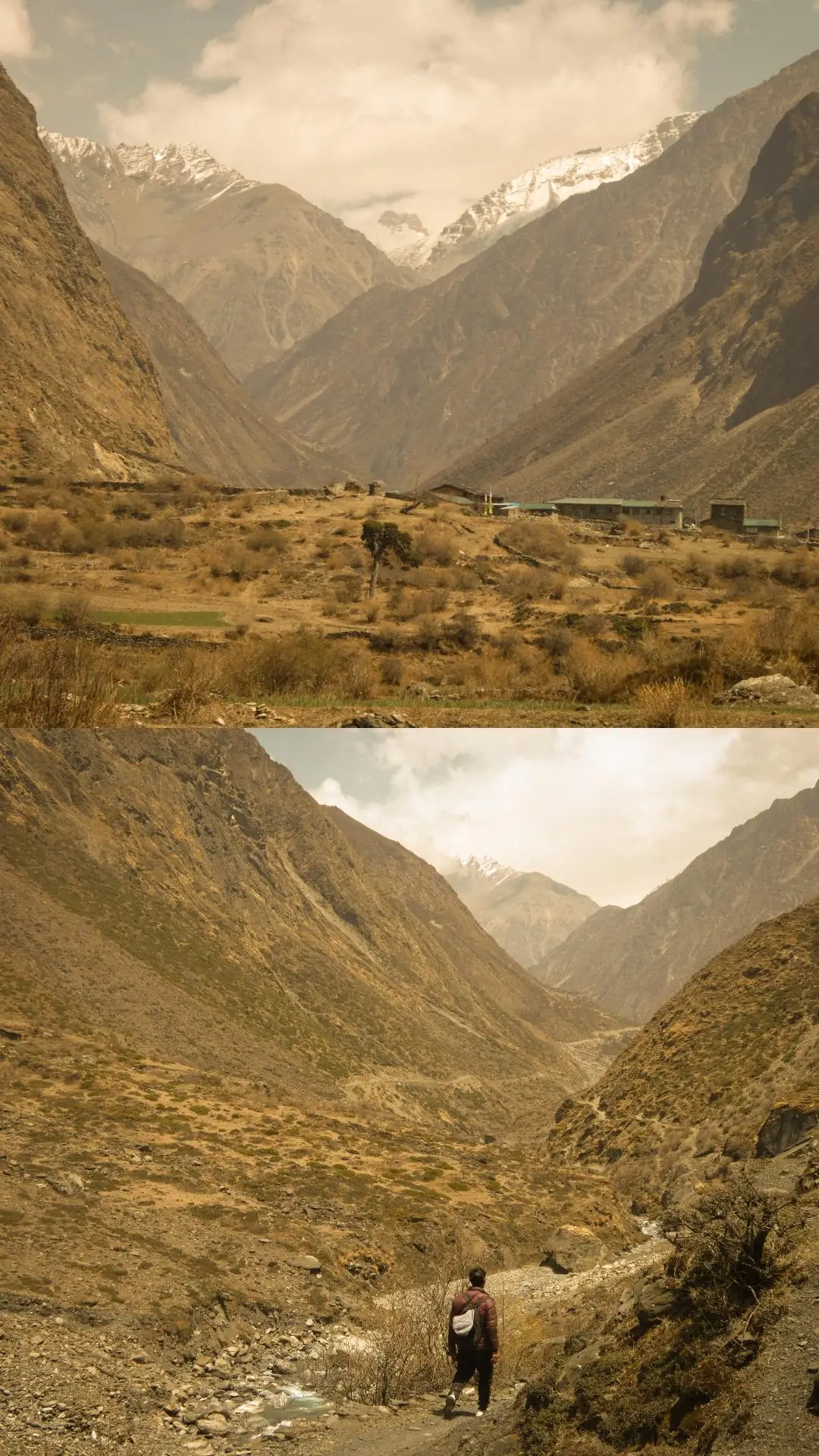
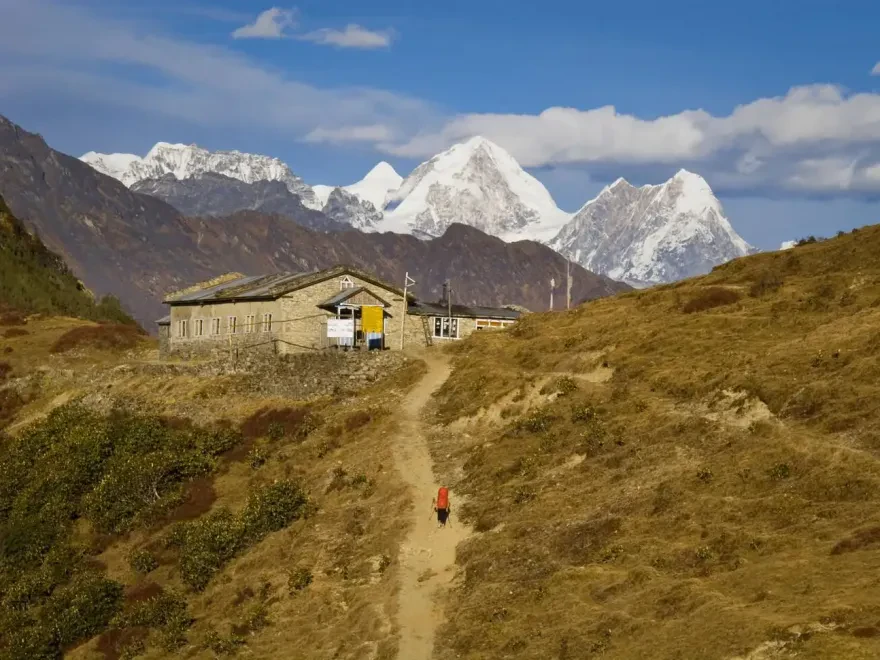
As you progress, the landscape becomes increasingly dramatic. Dense forests give way to alpine meadows dotted with wildflowers, and views of the distant snow-capped peaks start to dominate the horizon. The trail also begins to pass through Buddhist monasteries and chortens, emphasizing the spiritual significance of the region. Trekkers can take time to visit these sacred sites, observing meditation practices, prayer rituals, and sometimes even participating in simple ceremonies with the monks. These experiences highlight the deep-rooted Tibetan Buddhist culture that defines life in the Tsum Valley and set the stage for the spiritual encounters that will define the trek’s later stages.
Starting the journey on the Tsum Valley Trek is also about mental preparation. The trek is remote, requiring self-reliance, physical stamina, and respect for local customs. Every step taken from Maccha Khola onward brings you closer to the heart of the valley, where pristine landscapes, clear mountain streams, and panoramic Himalayan views await. Early encounters with the valley’s people, flora, and fauna establish a rhythm that balances adventure with cultural immersion, setting the tone for a journey that is as much about inner discovery as it is about exploring the breathtaking natural world.
In short, the beginning of the Tsum Valley Trek is a harmonious blend of preparation, cultural immersion, and scenic exploration. From the bustling Arughat Bazaar to the peaceful lanes of Maccha Khola, the initial stage of the trek gently introduces travelers to the valley’s unique landscapes, spiritual richness, and the warm hospitality of its people. It is here, at the very start, that trekkers first feel the magic of Tsum Valley—the promise of adventure, breathtaking views, and meaningful connections that will continue to unfold with each step deeper into this Himalayan paradise.
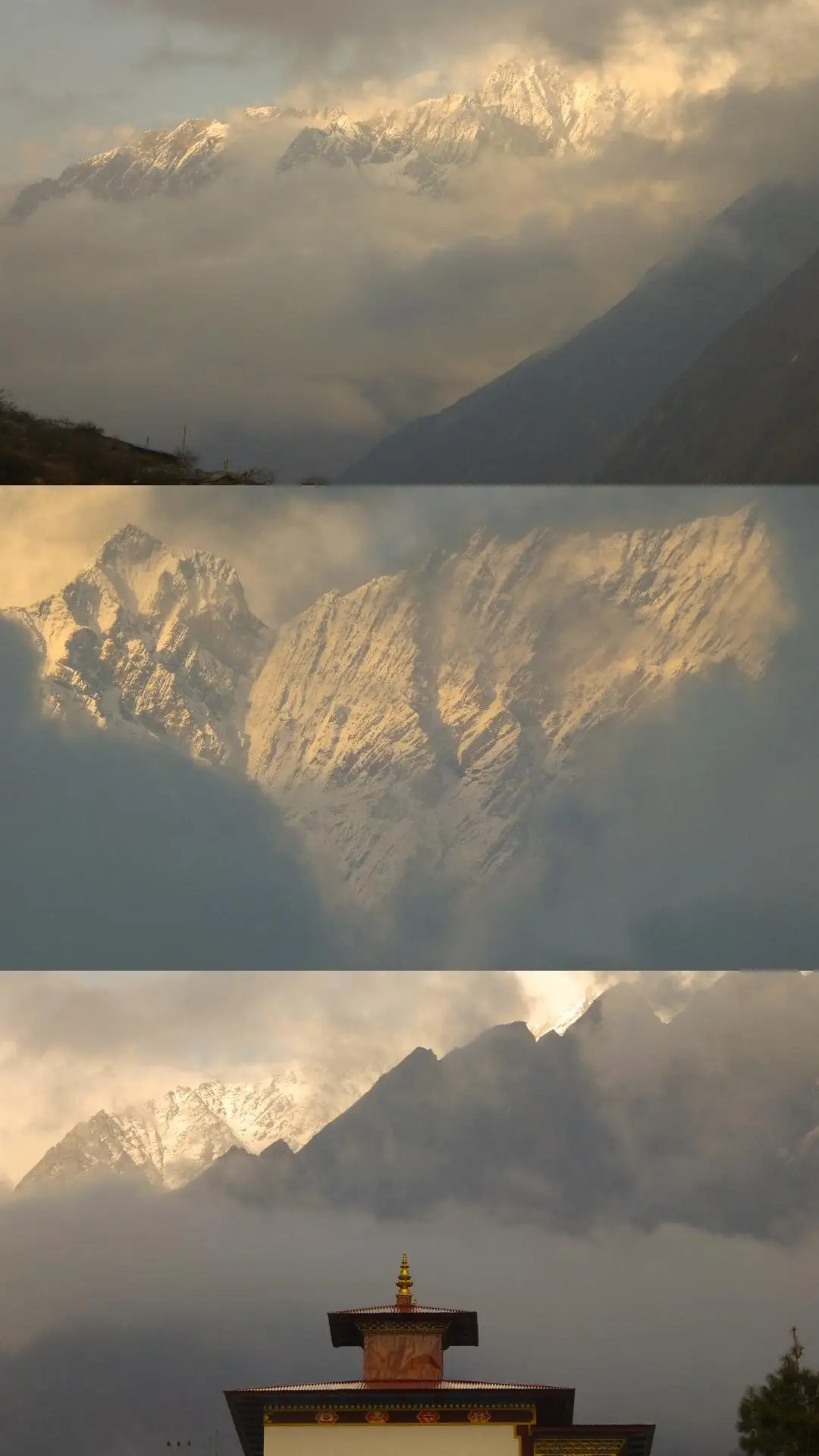
The word Tsum comes from the Tibetan word “Tsom,” meaning clear or bright. True to its name, the valley offers clear skies, stunning mountain panoramas, and peaceful surroundings. Trekkers are often amazed by the views from Mu Gompa, a monastery perched high in the mountains, where the scenery is nothing short of magical.
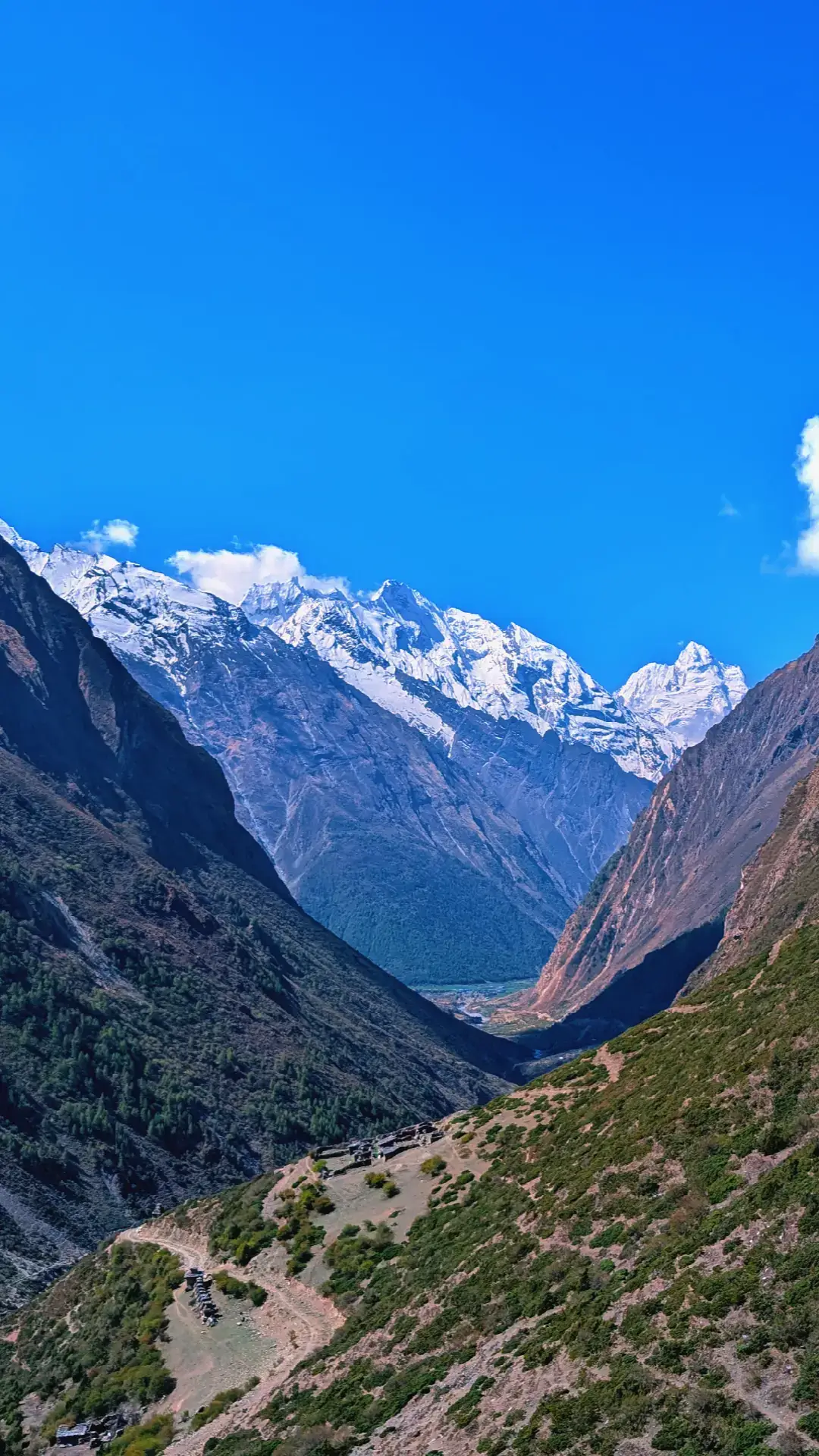
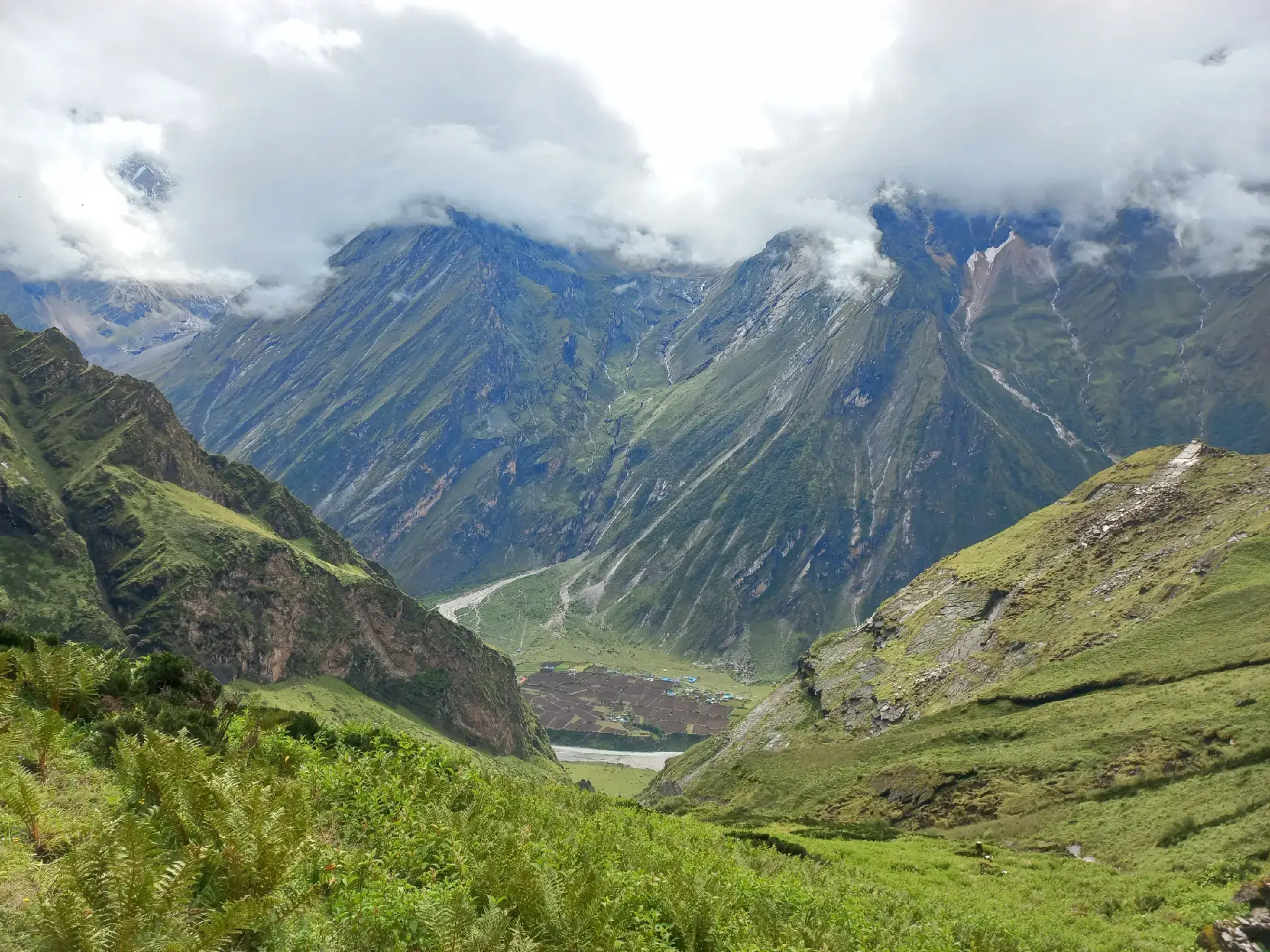
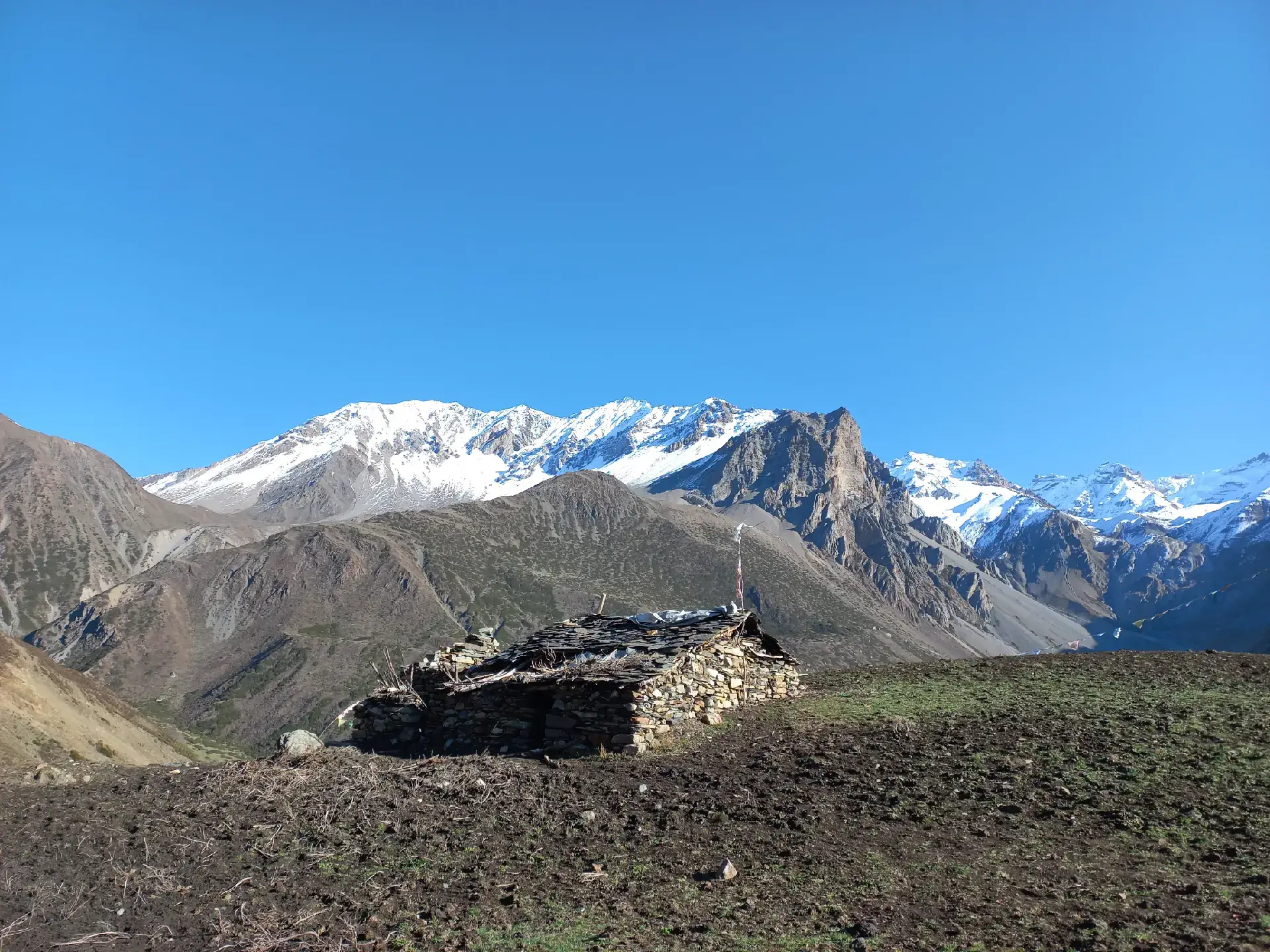
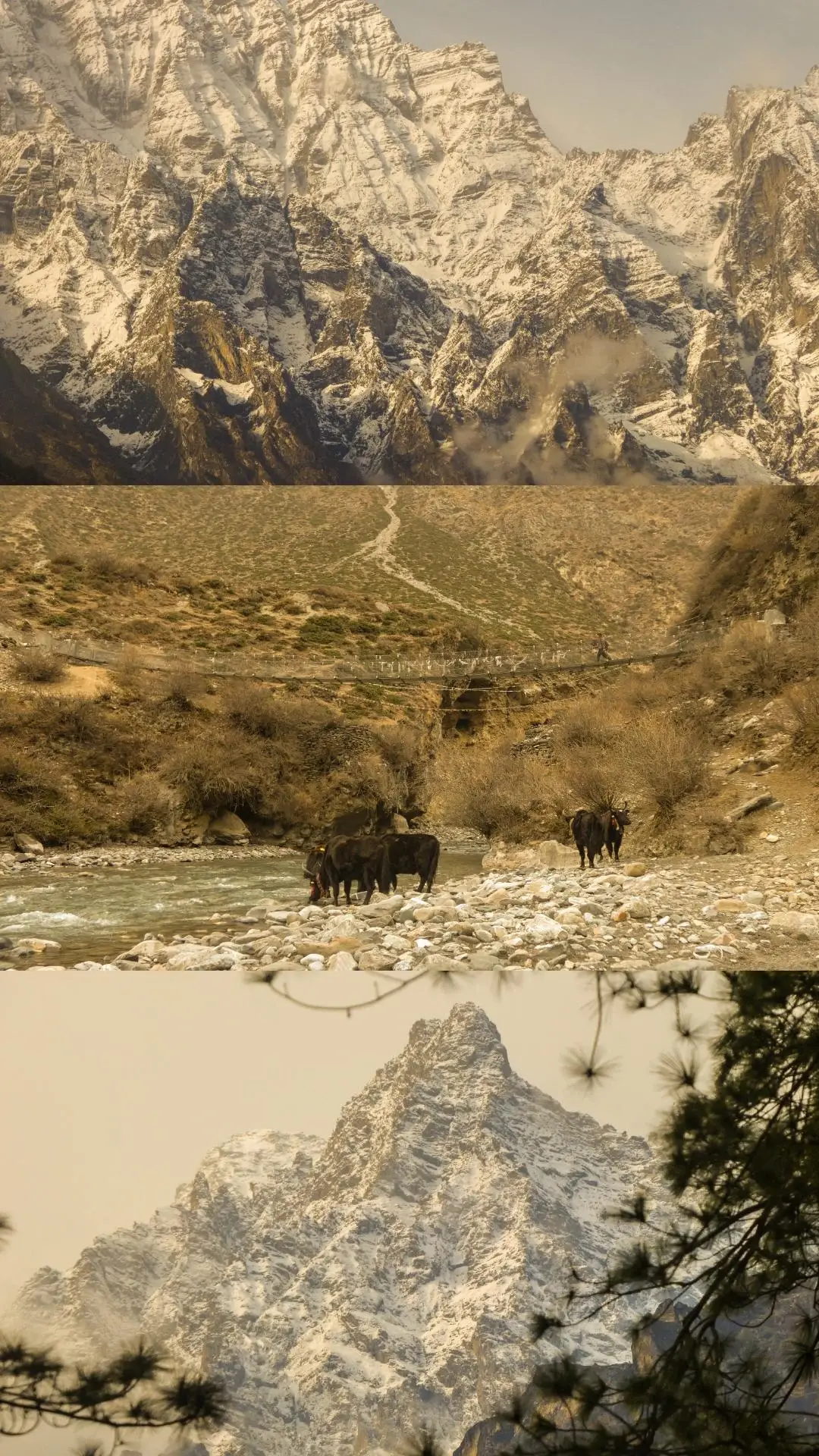
Tsum Valley is a paradise for nature lovers. The landscape features lush green forests, blooming alpine flowers, and unique rock formations. The mountains around the valley provide unforgettable panoramic views. The area’s natural charm attracts trekkers looking to capture the true essence of the Himalayas.
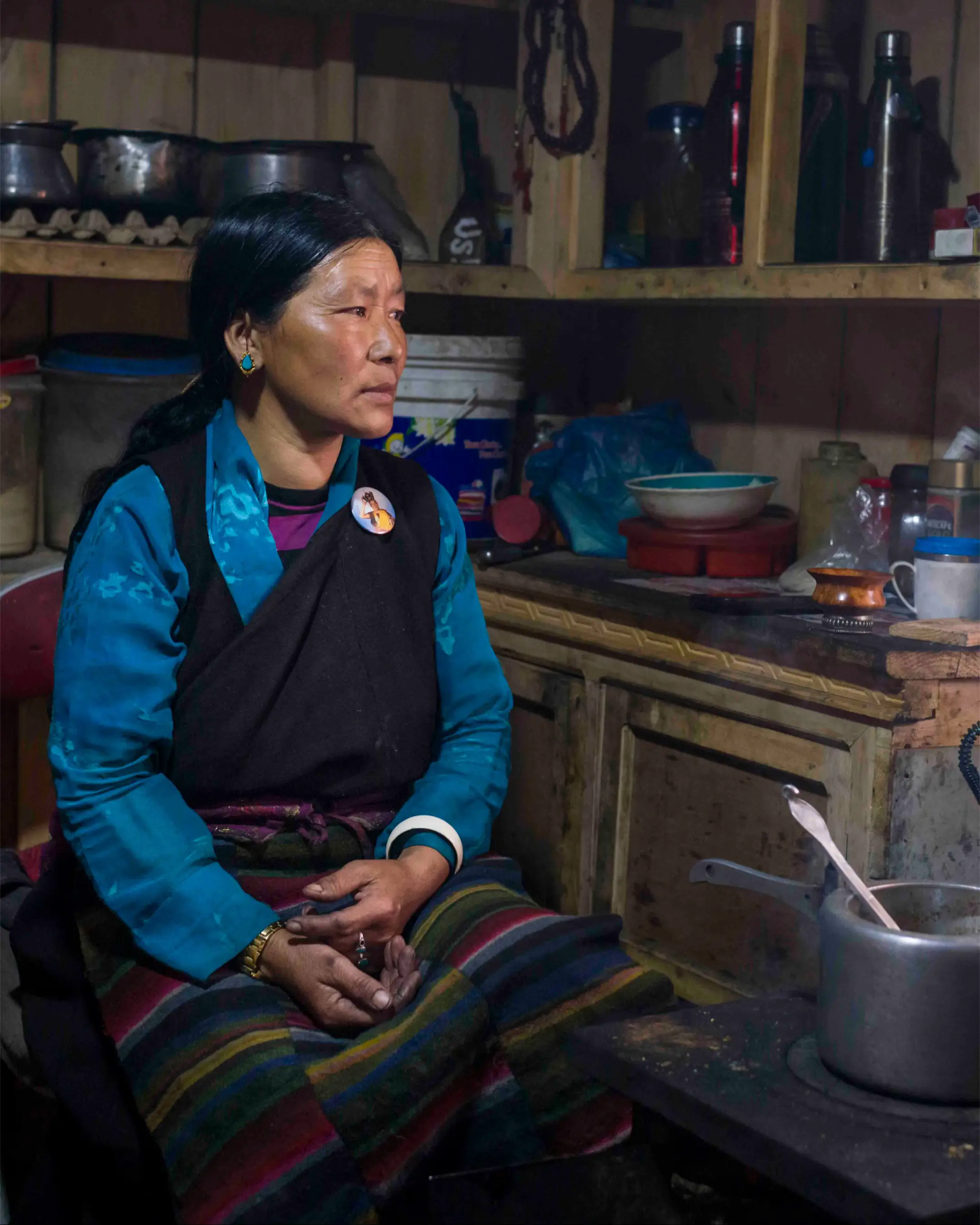
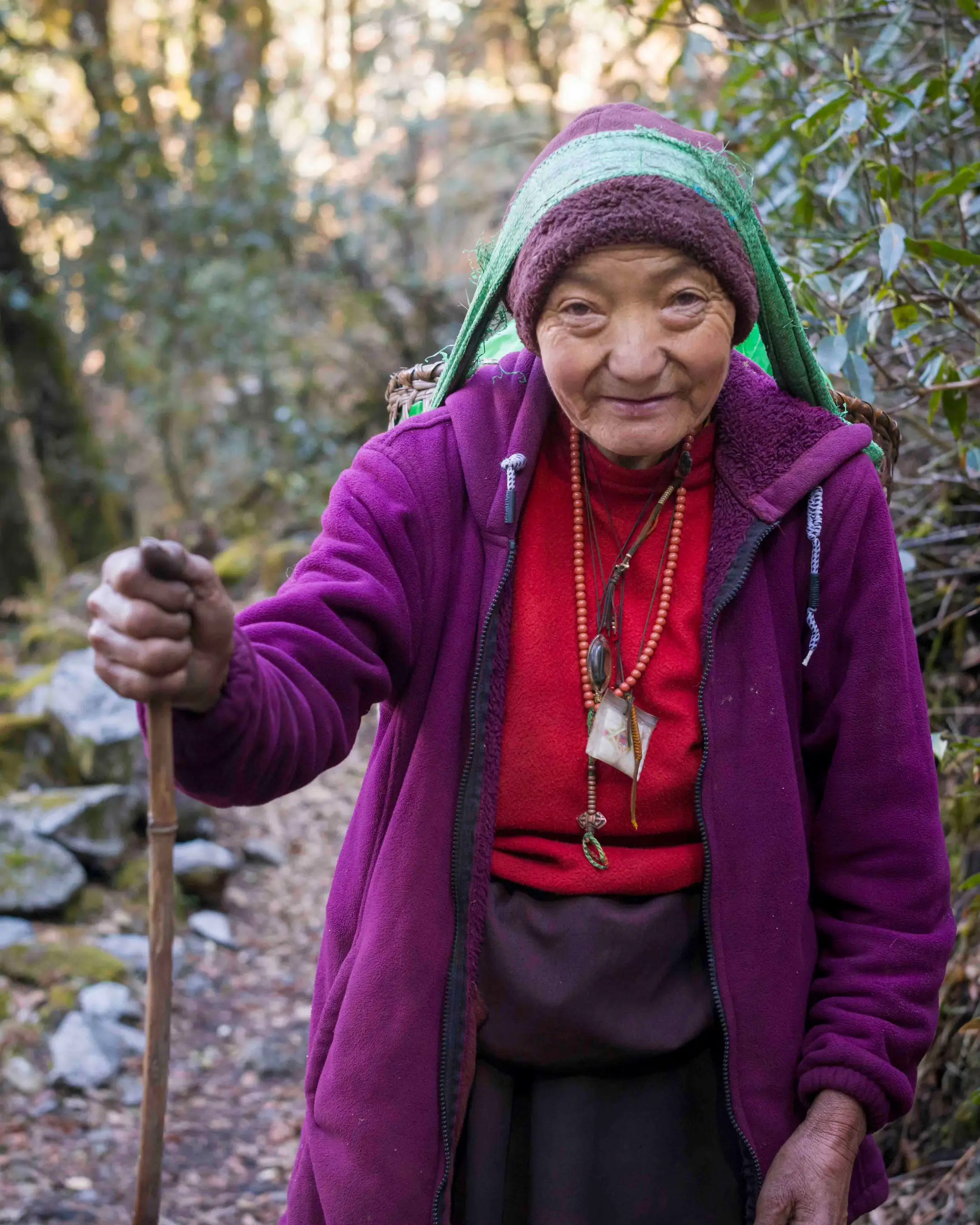
The valley is home to people with a strong Tibetan Buddhist culture. Most villagers rely on farming and livestock for their livelihood. While trekking, you’ll have the opportunity to interact with locals, learn about their customs, and witness age-old traditions that have been preserved for generations.
This trek is perfect for travelers who enjoy a mix of adventure, culture, and tranquility. Along the route, you will find quiet trails, traditional villages, and mesmerizing viewpoints. Whether it’s the calmness of the monasteries or the scenic beauty of the mountains, every moment in Tsum Valley feels refreshing and rejuvenating.
Before starting the trek, ensure you obtain the Tsum Valley Permit along with the Manaslu Conservation Area Permit. These permits not only allow you to enter the region legally but also help in the preservation of this hidden gem.
The Tsum Valley Trek is not just a trek; it’s a journey into one of Nepal’s most hidden and untouched Himalayan regions. While many trekkers flock to popular trails like Everest Base Camp or Annapurna Circuit, Tsum Valley offers a rare combination of adventure, culture, and serenity that is hard to find elsewhere. Here’s why this trek should be at the top of your Nepal bucket list:
Tsum Valley is a remote and less crowded region, which means you can experience Nepal’s natural beauty without the crowds. The trails wind through pristine forests, small villages, and terraced farmland, giving you a true sense of wilderness. If you are someone who wants peace, solitude, and an authentic trekking experience, this valley is perfect.
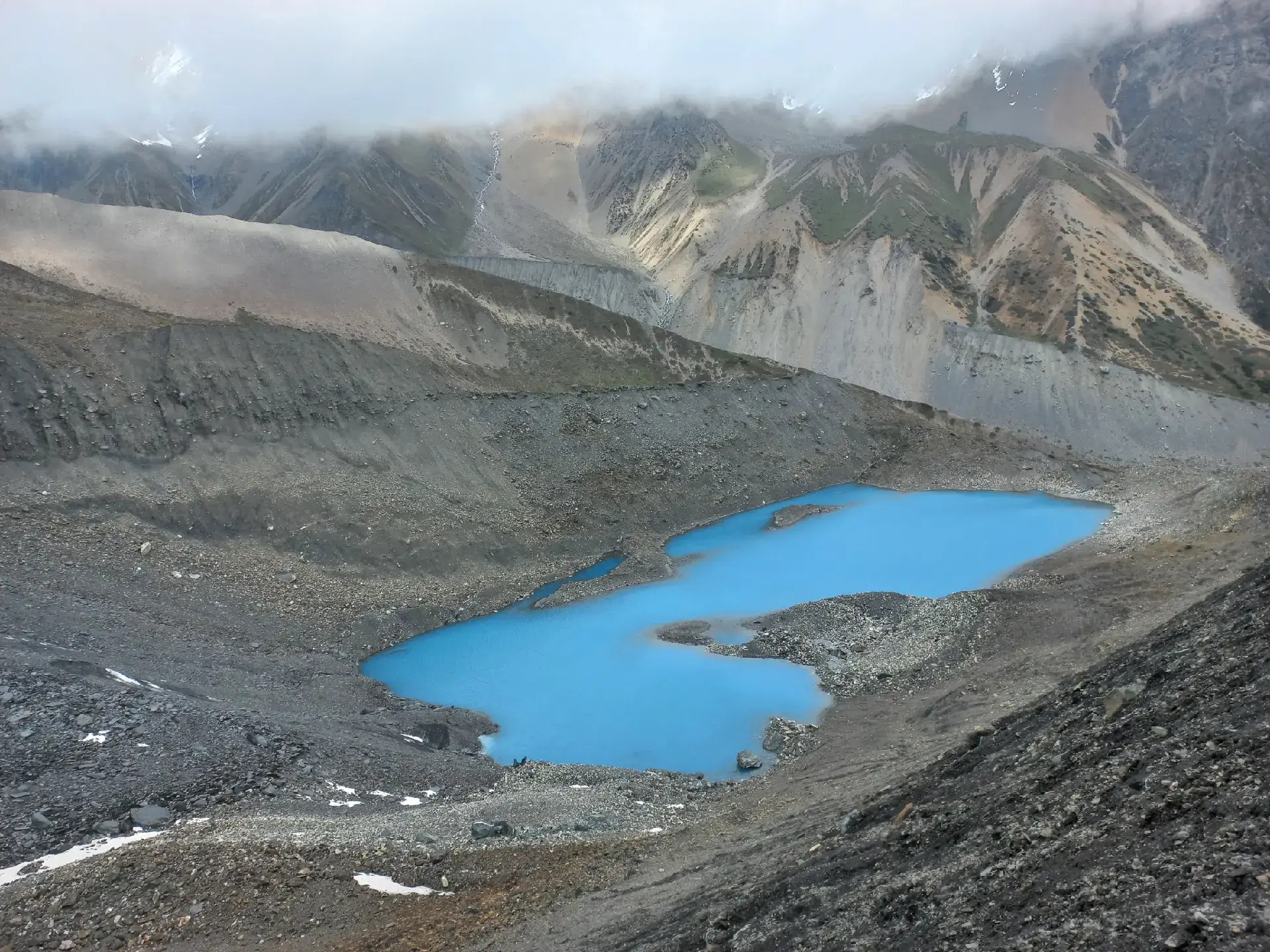
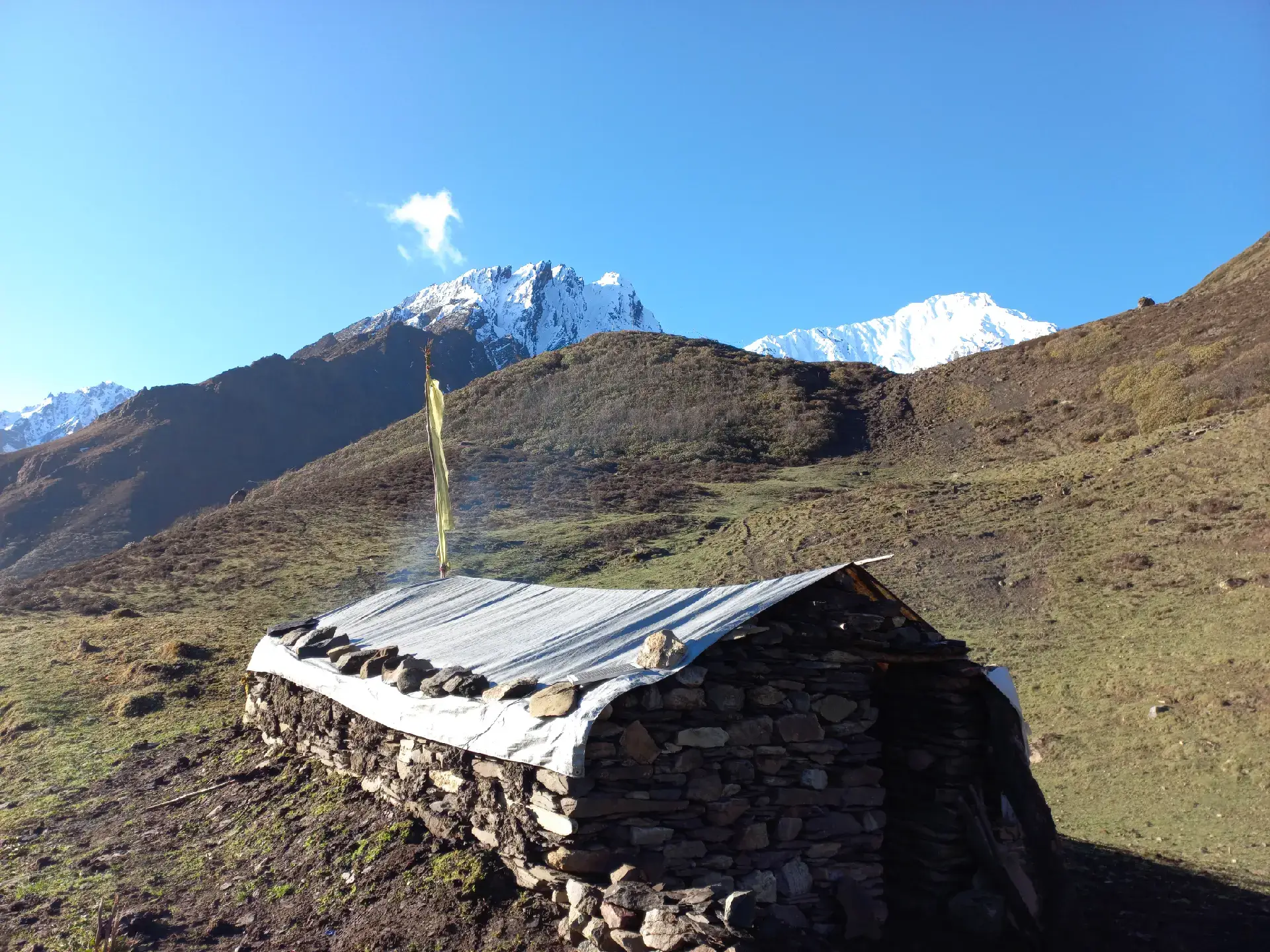
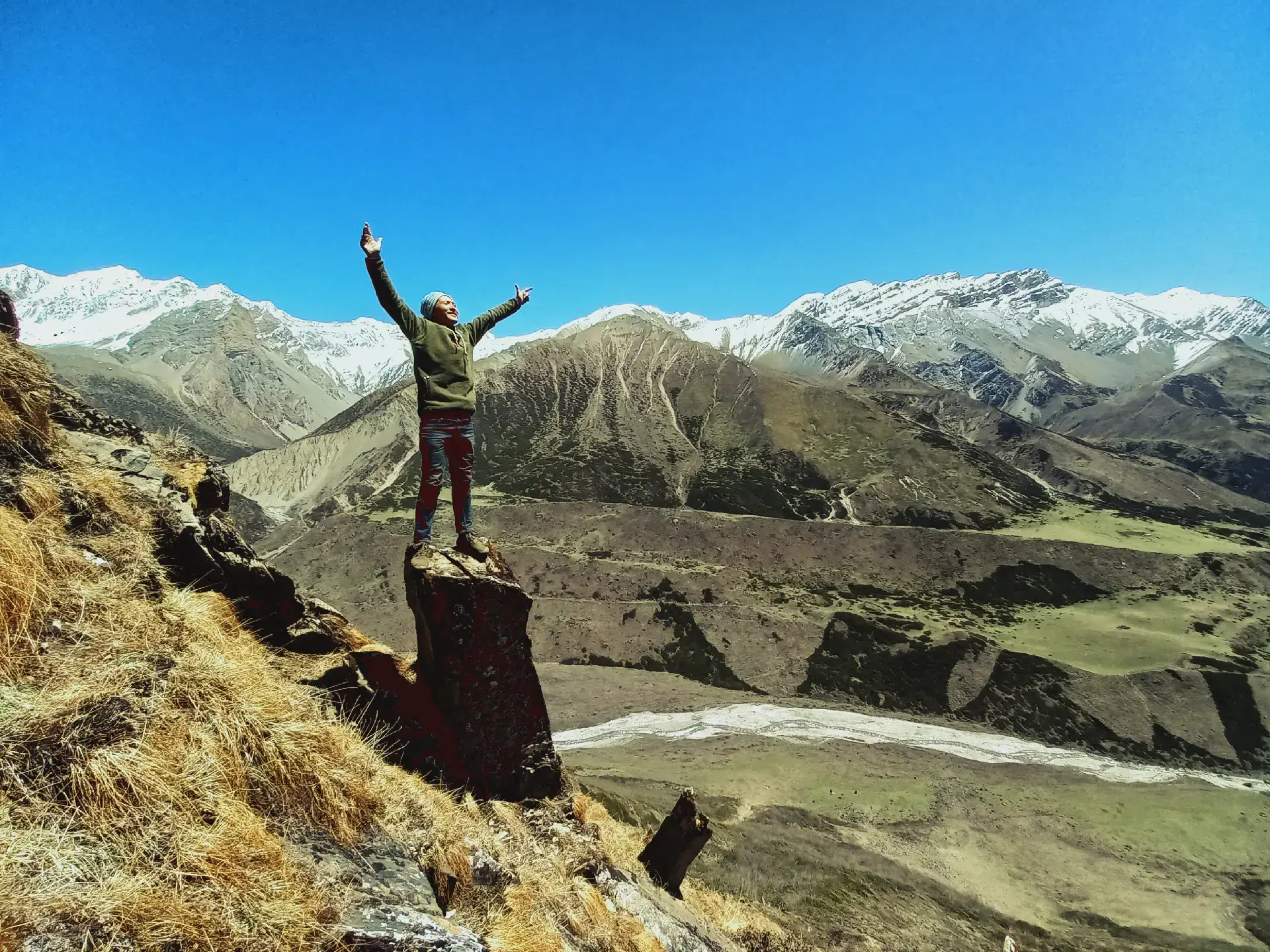
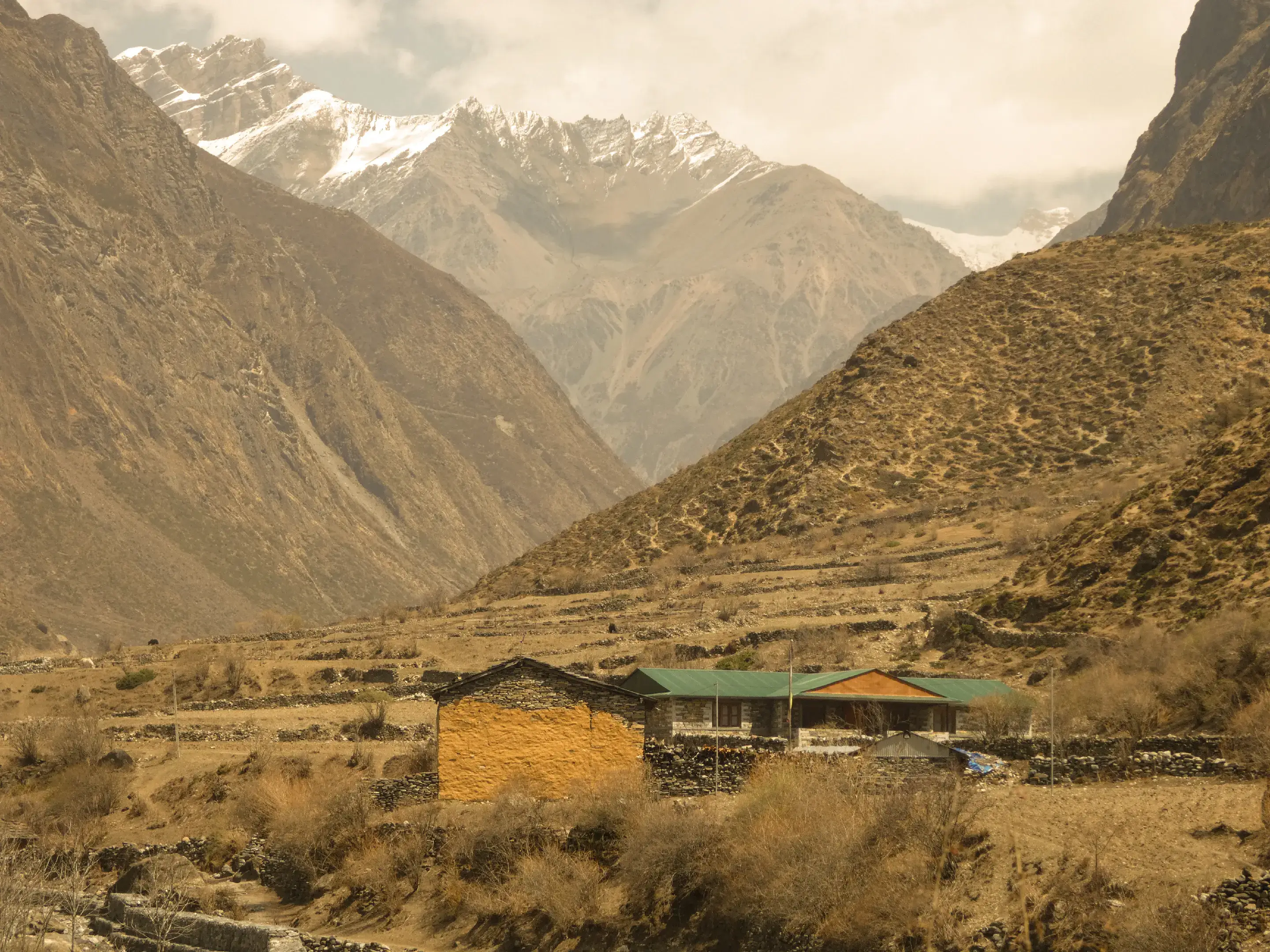
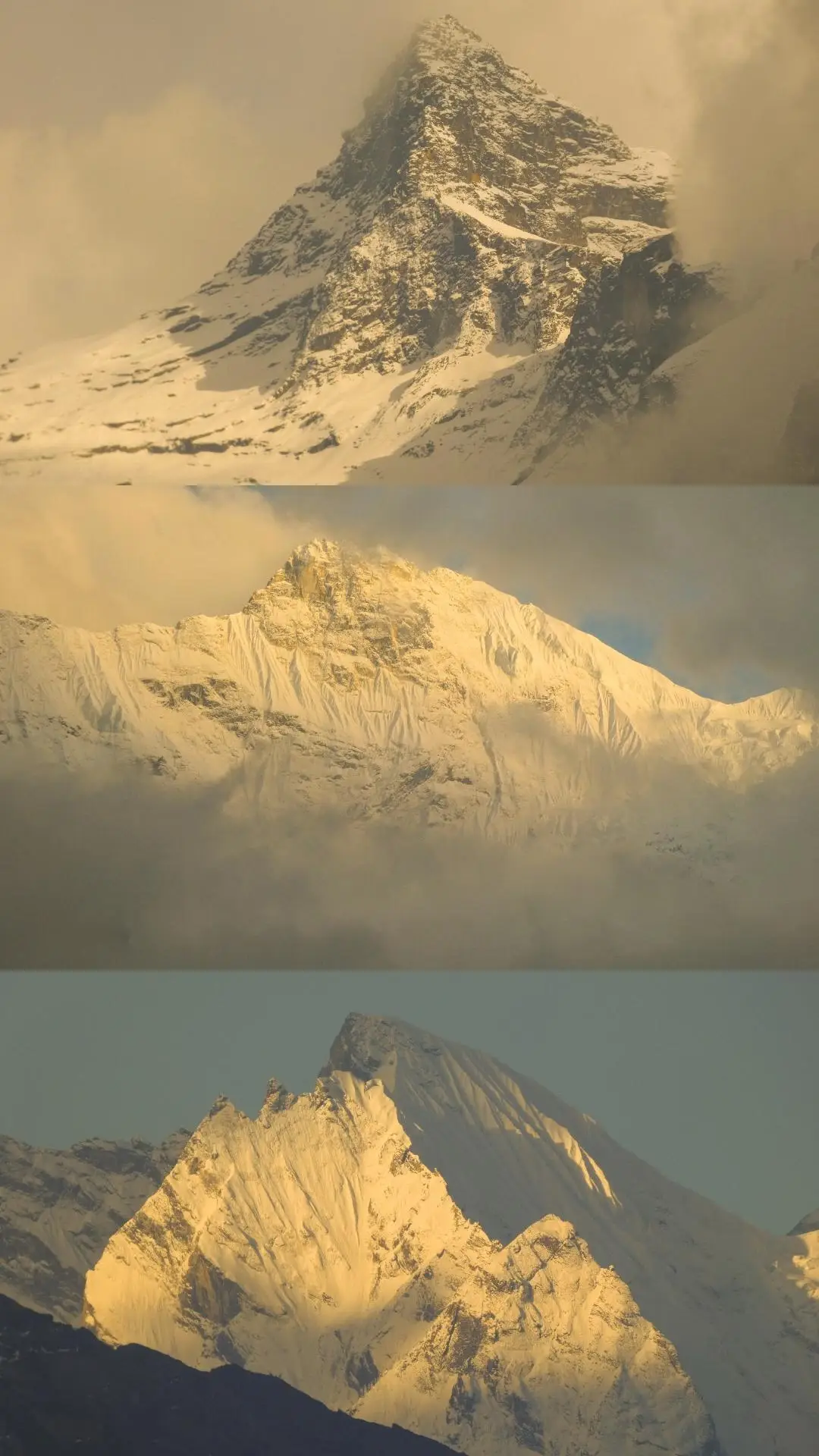
The valley is surrounded by the majestic peaks of the Himalayas, with breathtaking panoramic views at every turn. From lush green forests and blooming alpine flowers to unique rock formations and serene rivers, the scenery is constantly changing and mesmerizing. The views from Mu Gompa and other high points are unforgettable, offering clear skies and mountain vistas that seem to stretch forever.
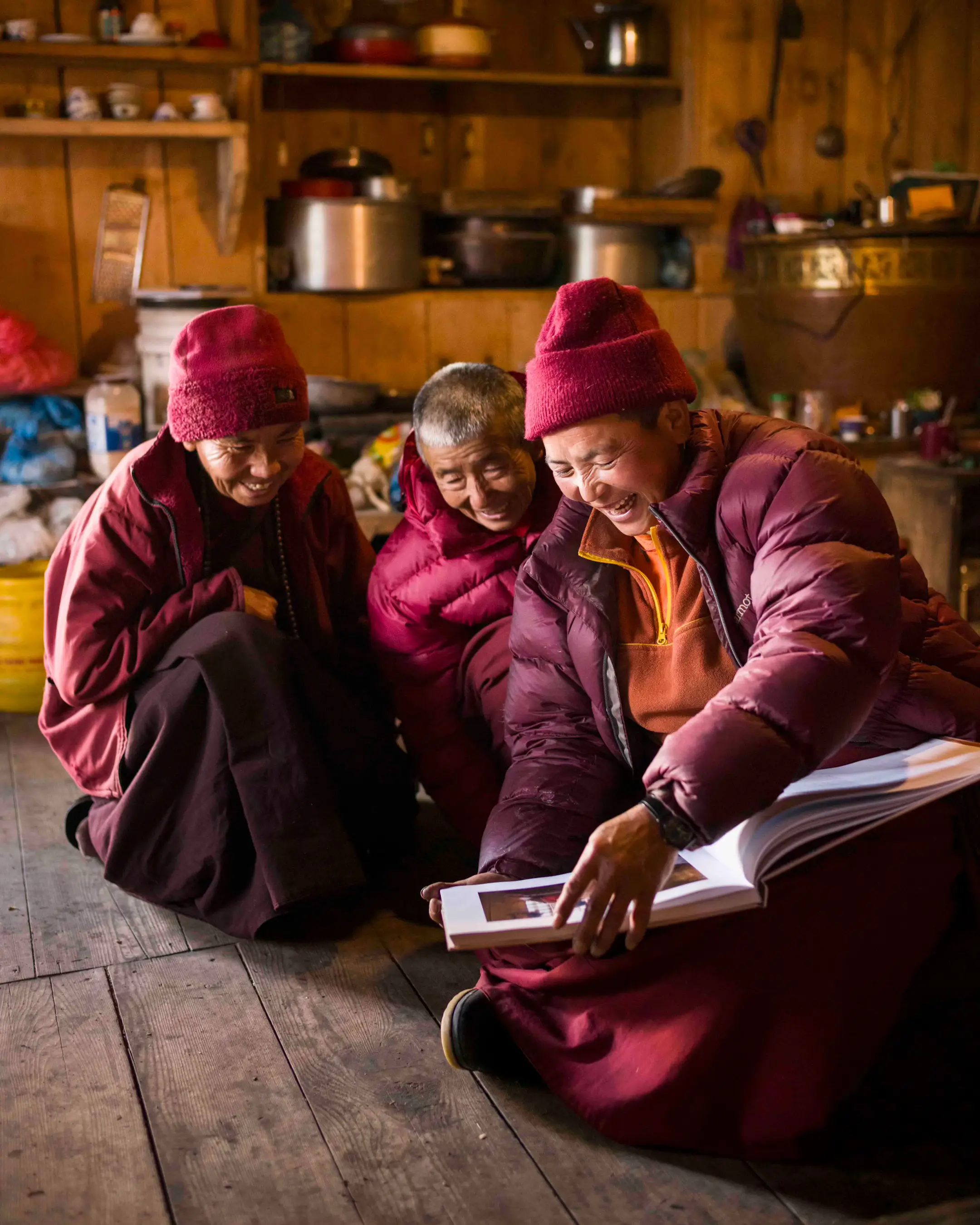
The Tsum Valley is deeply influenced by Tibetan Buddhism. Most of the villages you pass through are home to monks and families who maintain traditional lifestyles. You will see ancient monasteries, prayer flags fluttering in the wind, and locals performing rituals passed down through generations. This cultural immersion makes the trek much more than just a physical journey—it’s a spiritual and cultural experience.
The people of Tsum Valley are known for their friendliness, warmth, and simplicity. Villagers live in harmony with nature, primarily relying on farming and livestock. During the trek, you may have the opportunity to stay in local homestays, share meals, and learn about their customs and traditions firsthand. The connections you make here often leave lasting memories.
The trek offers a diverse trekking experience. From walking through dense forests and riverside trails to crossing high mountain passes and exploring ancient villages, every day brings something new. The moderate trekking difficulty makes it accessible for both beginner and experienced trekkers who want a rewarding adventure with breathtaking scenery.
Many trekkers report that Tsum Valley feels like a healing retreat. The calm atmosphere, the sound of flowing rivers, the silence of the mountains, and the spiritual presence of monasteries create a peaceful and meditative environment. It’s a perfect trek for those seeking inner peace, reflection, and connection with nature.
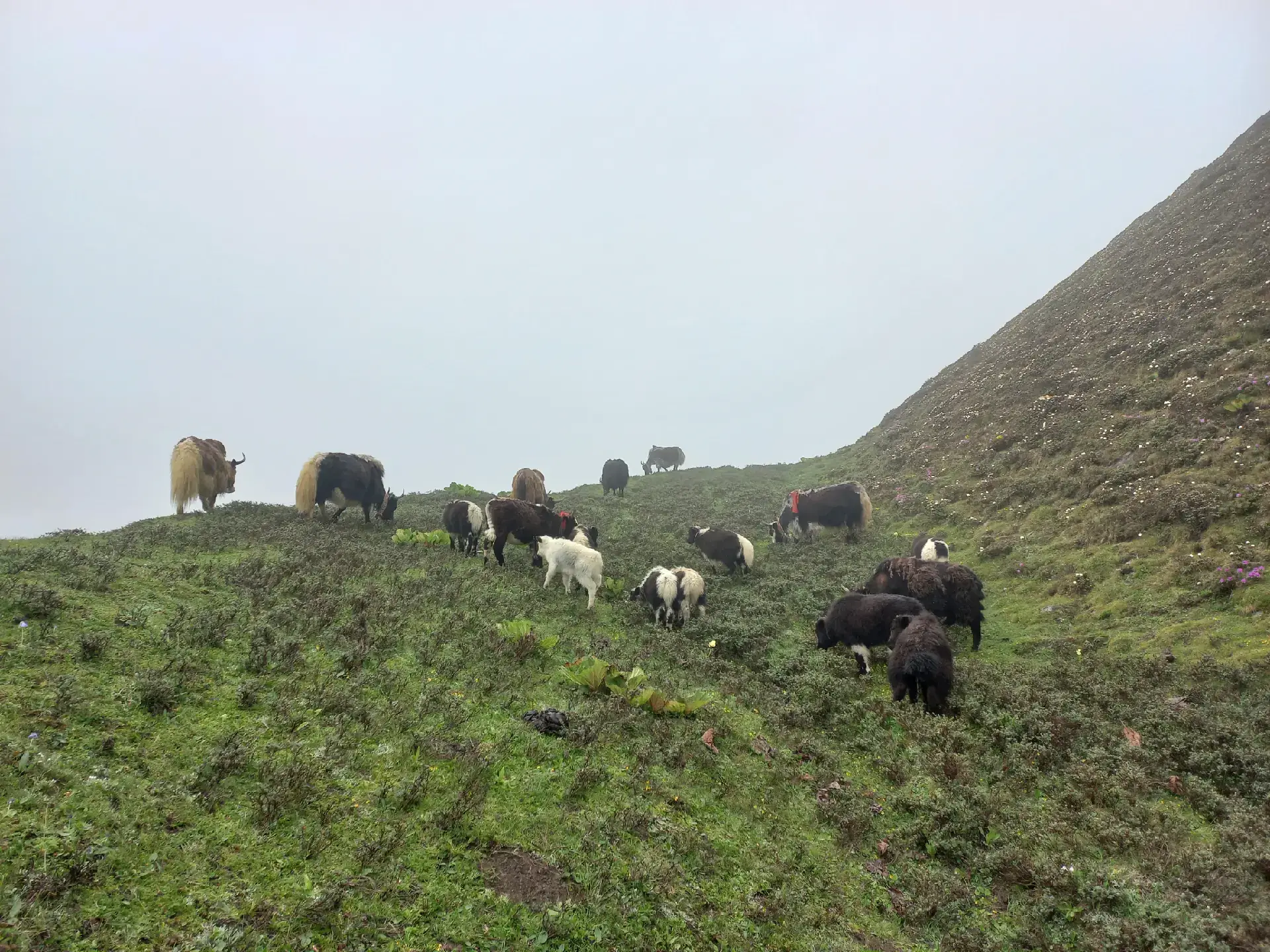
Unlike other popular trekking destinations, Tsum Valley remains relatively untouched by mass tourism. This means you get a more authentic Himalayan experience, with traditional culture, pristine landscapes, and wildlife sightings along the trail. It’s an ideal choice for travelers who want to explore the real Nepal, far from the crowded tourist routes.
Note: Before starting, you will need a Tsum Valley Permit and a Manaslu Conservation Area Permit. Karnali Rafting and Adventure will help ensure all your paperwork is perfectly organized so you can simply focus on the adventure of a lifetime.
Before embarking on the Tsum Valley Trek, there are several important points that every trekker should keep in mind to ensure a safe, enjoyable, and meaningful journey:
The Tsum Valley Trek is a 14-day off-the-beaten-path adventure in the Gorkha District of Nepal, located within the Manaslu Conservation Area. This trek offers a unique mix of pristine Himalayan landscapes, Tibetan Buddhist culture, and traditional Gurung village life. Starting from Maccha Khola, trekkers journey through dense forests, terraced fields, and alpine meadows, visiting charming villages like Jagat, Lokpa, Chumling, Chhokang Paro, and Chhule, and reaching the spiritual highlight Mu Gompa monastery.
The trek is moderate in difficulty, suitable for those seeking both adventure and cultural immersion. Along the way, travelers enjoy panoramic mountain views, vibrant flora, ancient monasteries, and the warm hospitality of locals. Required permits include the Tsum Valley Restricted Area Permit and the Manaslu Conservation Area Permit. The trek concludes with a return to Kathmandu, offering a perfect blend of nature, culture, and spiritual experiences in one of Nepal’s most serene valleys.
Short Tsum Valley Trek – 14 Days itinerary
Day 1: Arrival in Kathmandu (Pickup and Transfer to your hotel)
Day 2: Drive from Kathmandu to Maccha Khola (1,200 m) – 10 hours
Day 3: Trek from Maccha Khola to Jagat (1,340 m) – 5 hours
Day 4: Trek from Jagat to Lokpa (2,245 m) – 7 hours
Day 5: Trek from Lokpa to Chumling (2,390 m) – 6 hours
Day 6: Trek from Chumling to Chhokang Paro (3,040 m) – 7 hours
Day 7: Trek from Chhokang Paro to Chhule (3,370 m) – 6 hours
Day 8: Trek from Chhule to Mu Gompa (3,705 m) – 4 hours
Day 9: Trek from Mu Gompa to Chhokang Paro (3,200 m) – 5 hours
Day 10: Trek from Chhokang Paro to Lokpa (2,205 m) – 7 hours
Day 11: Trek from Lokpa to Jagat (1,340 m) – 6 hours
Day 12: Trek from Jagat to Maccha Khola (1,200 m) – 4 hours
Day 13: Drive from Maccha Khola to Kathmandu (Transfer to hotel) – 9 hours
Day 14: Final Departure / Transfer to the International Airport
 Accommodation Hotel
  Meals Breakfast Accommodation Tea House Meals B/L/D Accommodation Tea House Meals B/L/D Accommodation Tea House Meals B/L/D Accommodation Tea House Meals B/L/D Accommodation Tea House Meals B/L/D Accommodation Tea House Meals B/L/D Accommodation Tea House Meals B/L/D Accommodation Tea House Meals B/L/D Accommodation Tea House Meals B/L/D Accommodation Tea House Meals B/L/D Accommodation Tea House Meals B/L/D Accommodation Tourist-Level Hotel Meals B/L/D Accommodation Tourist-Level Hotel Meals B/L/D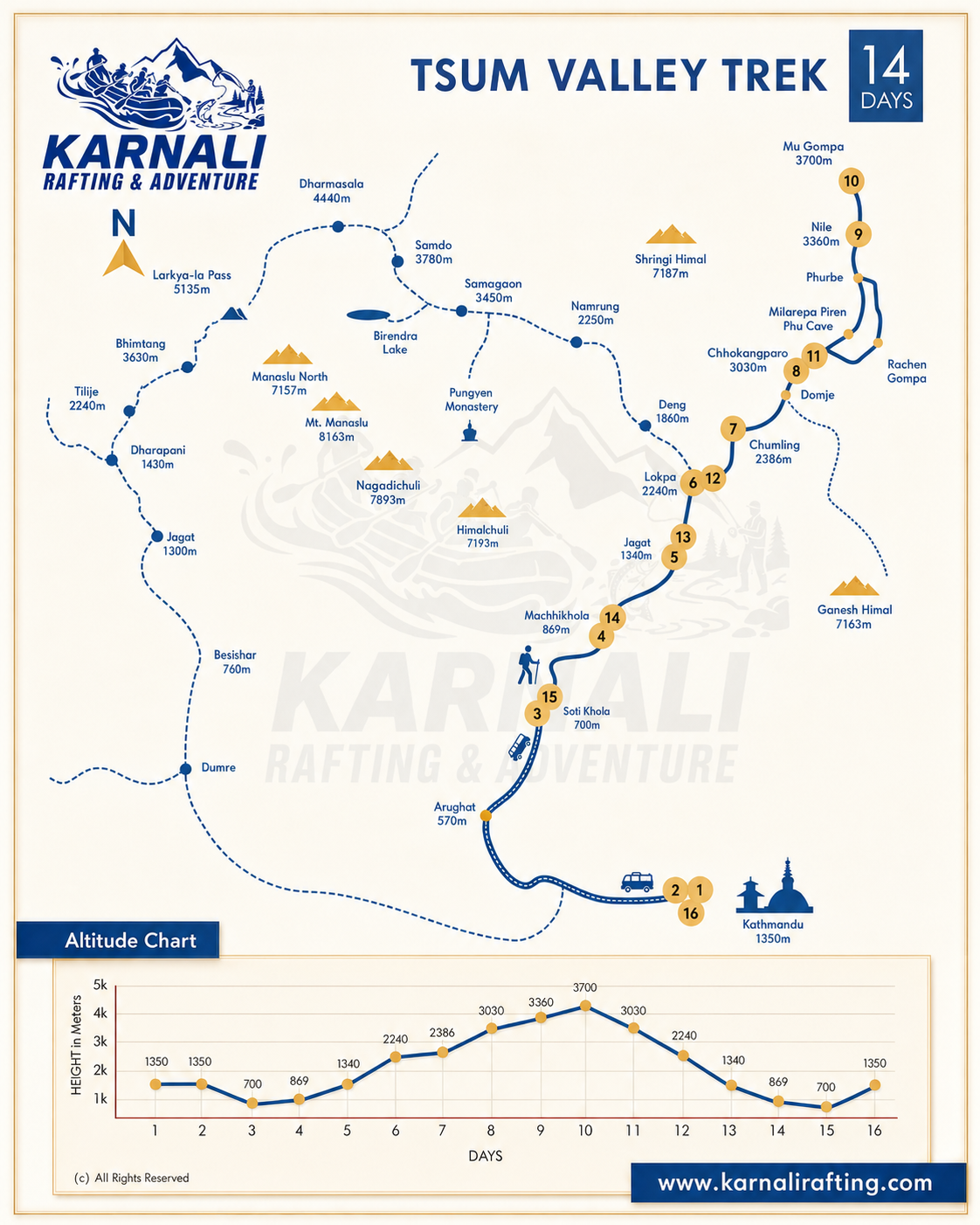
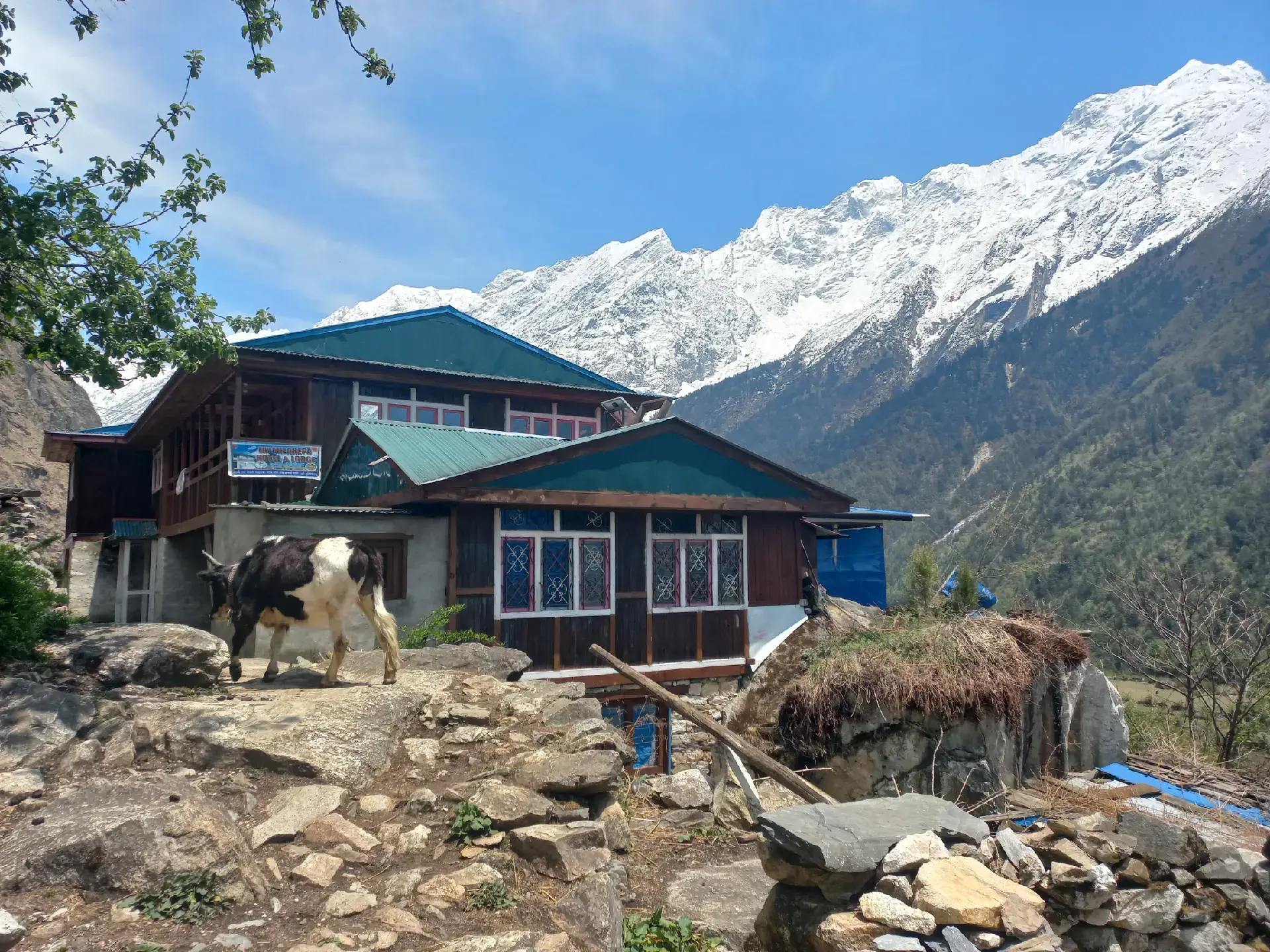
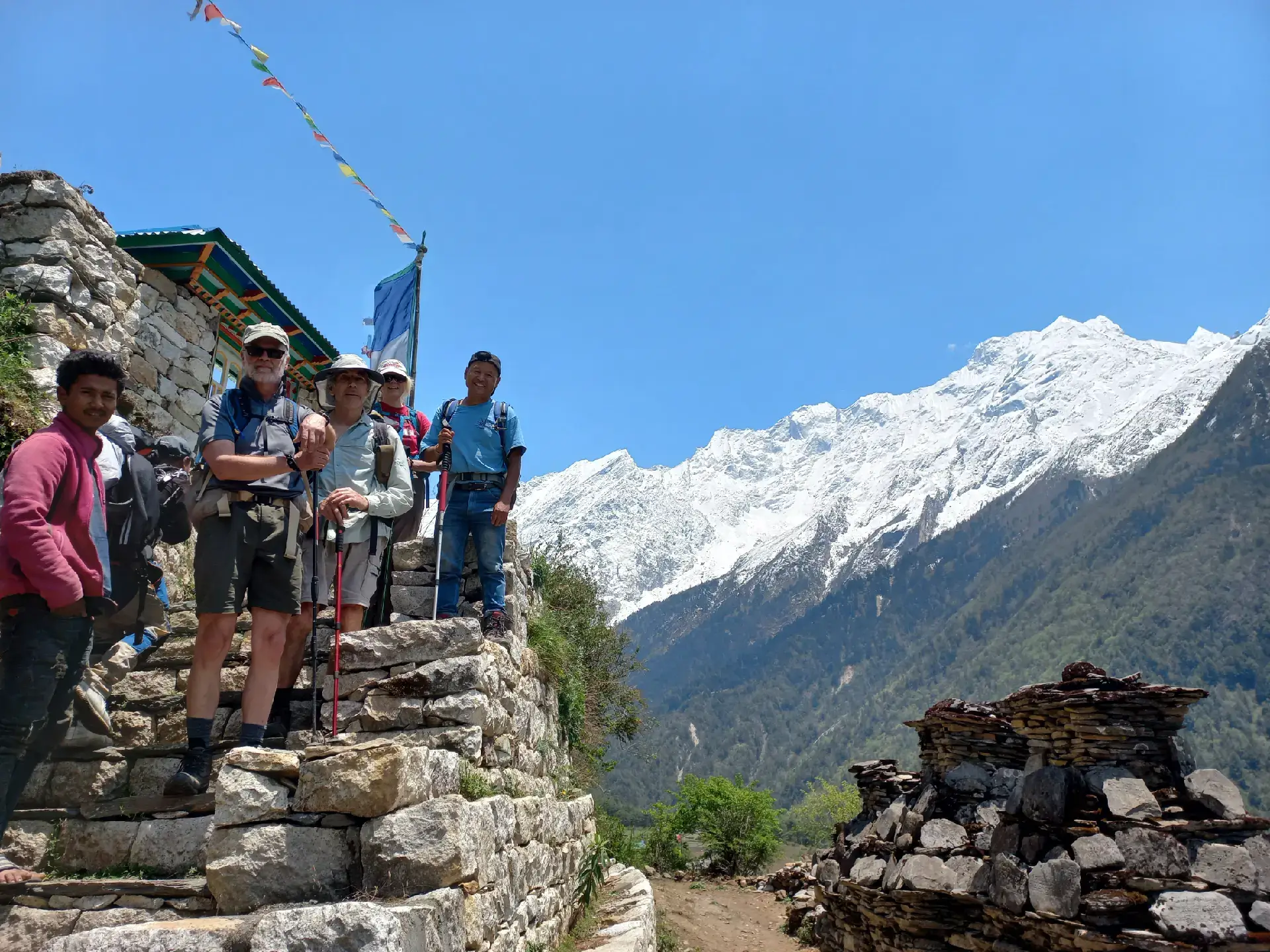
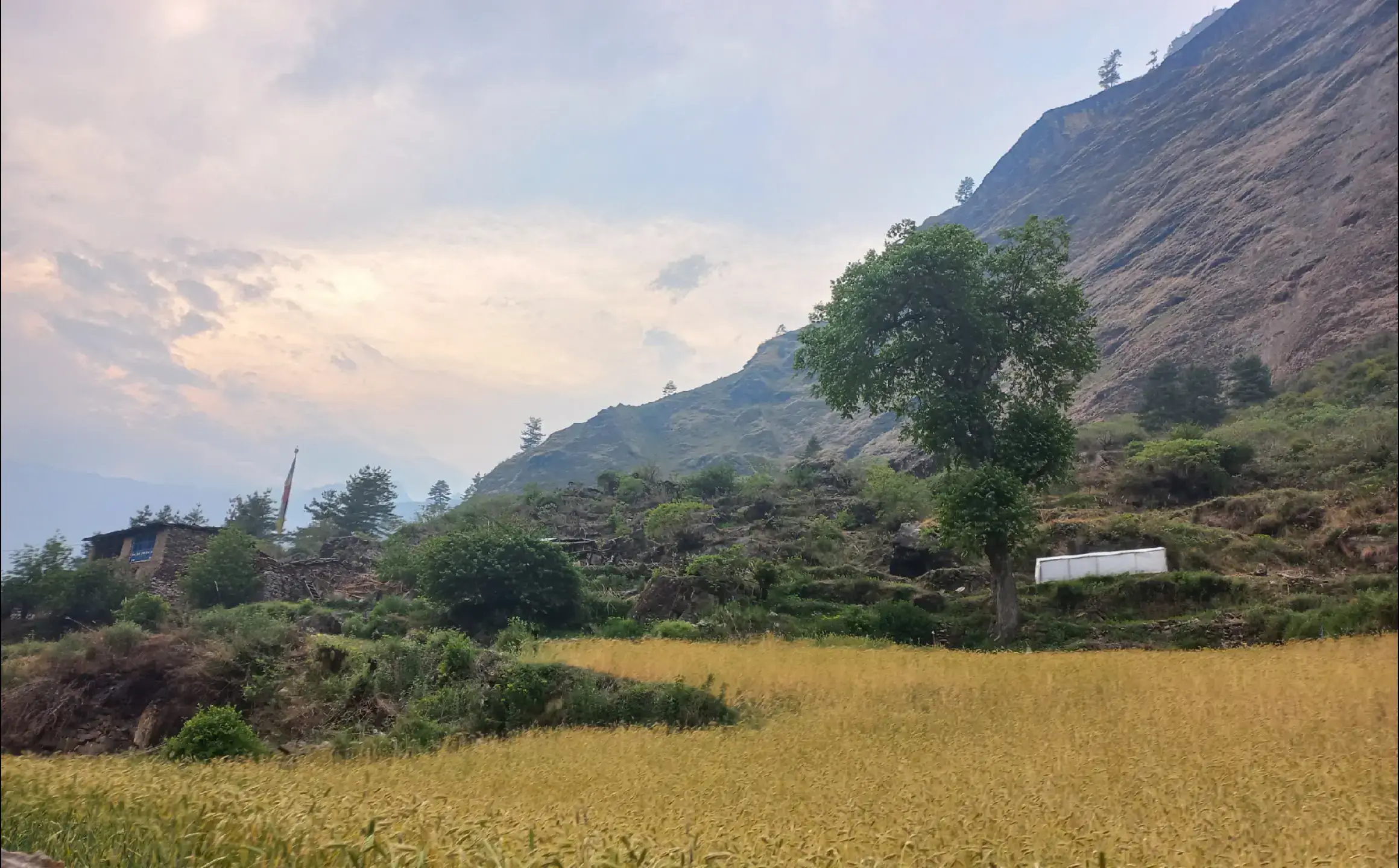
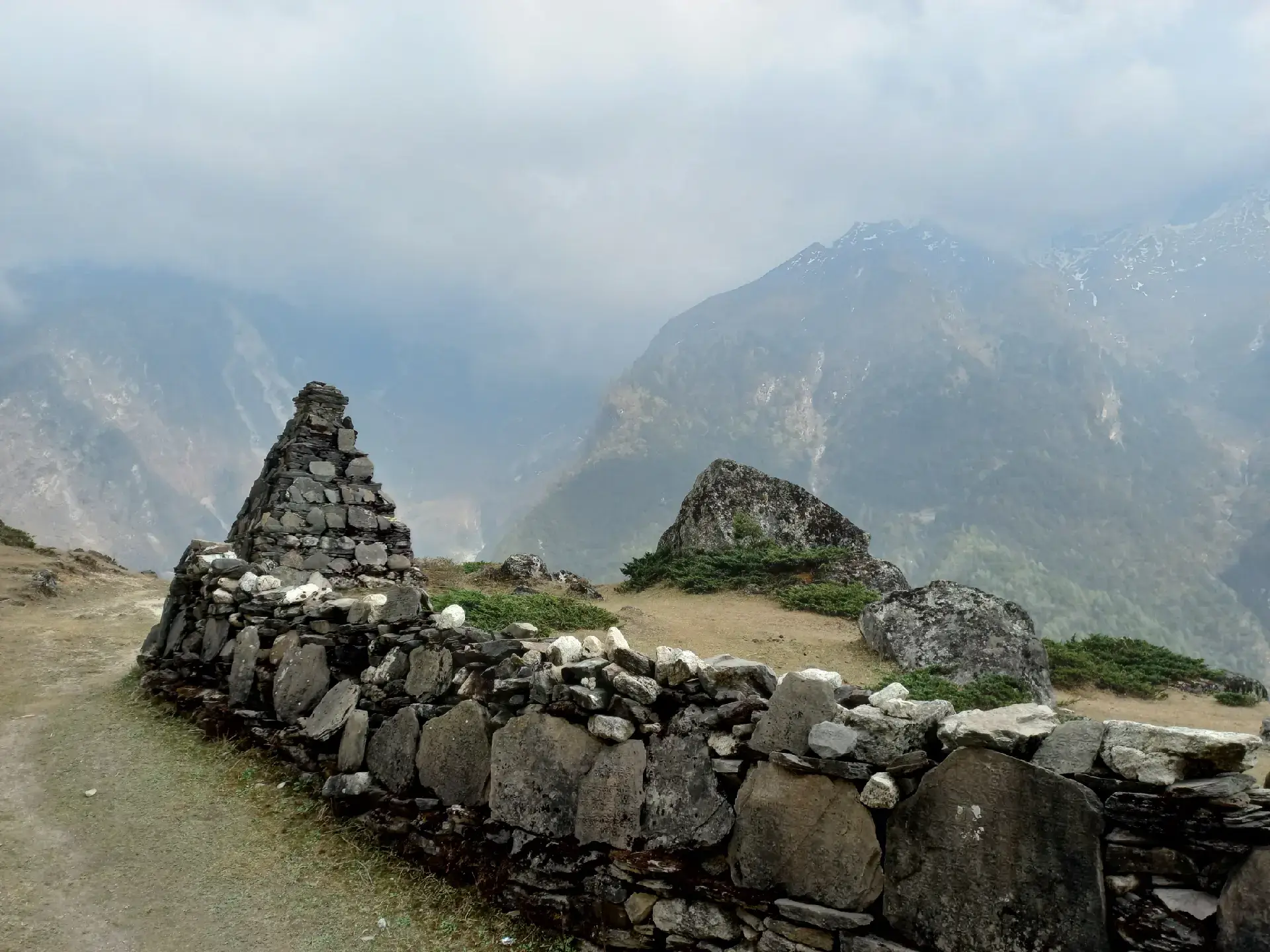
Your Start Date is the day you land in Nepal, and your End Date is when you fly home.
If the set Tsum Valley Trek - 14 Days group dates don’t suit your schedule, we can offer alternative dates upon request.
The Tsum Valley Trek exceeded my expectations. The landscapes are breathtaking, and the local culture is incredibly rich. The guides were knowledgeable and made the trek very safe and enjoyable.
Tsum Valley is truly off the beaten path. The villages, monasteries, and mountain views made every day unforgettable. A perfect mix of adventure and cultural immersion.
Visiting Mu Gompa was a spiritual highlight. The trek offered quiet paths and stunning panoramas. Highly recommended for those seeking peace and natural beauty with karnali rafting and adventure.
The trek was challenging but manageable. Tea house accommodations were comfortable, and the local hospitality was heartwarming. Definitely a trek I will remember forever. Karnali rafting ceo devraj jaishi sir is very energetic with happily in trip.
I loved interacting with the local communities and observing their traditions. The food and accommodation were simple but authentic, enhancing the overall experience.
The trek was well-organized. Guides were professional and friendly. The scenery and quiet villages made this trek feel like a step back in time.
The Tsum Valley trek is a perfect blend of scenic beauty and cultural richness. The guides made the experience smooth and safe.
The trek was physically demanding, especially the high-altitude sections, but the views and cultural experiences made every step worth it.
Few trekkers visit Tsum Valley, which makes it magical. The villages and monasteries are authentic, and the mountains are stunning with karnali rafting
The spiritual atmosphere, friendly locals, and unspoiled nature made this trek a soul-refreshing experience. Highly recommended.
Every day offered new and breathtaking views. The trek was well-paced and the guides were excellent with karnali rafting adventure.
The chance to stay in remote villages and witness Tibetan Buddhist traditions was the highlight of my trek.
I loved the isolation and serenity of Tsum Valley. The trek allowed me to disconnect and fully immerse in nature
The combination of adventure, culture, and spectacular mountains made the Tsum Valley Trek an unforgettable journey.
1. What is the Tsum Valley Trek?
The Tsum Valley Trek is a 14-day off-the-beaten-path trek in the Gorkha District of Nepal, offering pristine Himalayan landscapes, Tibetan Buddhist culture, and remote villages.
2. Where is Tsum Valley located?
Tsum Valley is located in northern Gorkha, inside the Manaslu Conservation Area in Nepal, bordering Tibet.
3. How many days does the Tsum Valley Trek take?
The trek typically takes 14 days, including arrival and departure from Kathmandu.
4. What is the highest point of the trek?
The highest point is Mu Gompa, at 3,705 meters (12,155 ft).
5. Is the trek suitable for beginners?
Yes, with moderate fitness. Some trails are steep and rocky, so basic trekking experience helps.
6. What is the best season for Tsum Valley Trek?
The best seasons are autumn (September–November) and spring (March–May) for clear skies and moderate temperatures.
7. Do I need permits for Tsum Valley?
Yes, trekkers need the Tsum Valley Restricted Area Permit and the Manaslu Conservation Area Permit.
8. Are guides and porters required?
While not mandatory, experienced guides and porters are highly recommended for navigation, safety, and cultural insights.
9. What kind of accommodation is available?
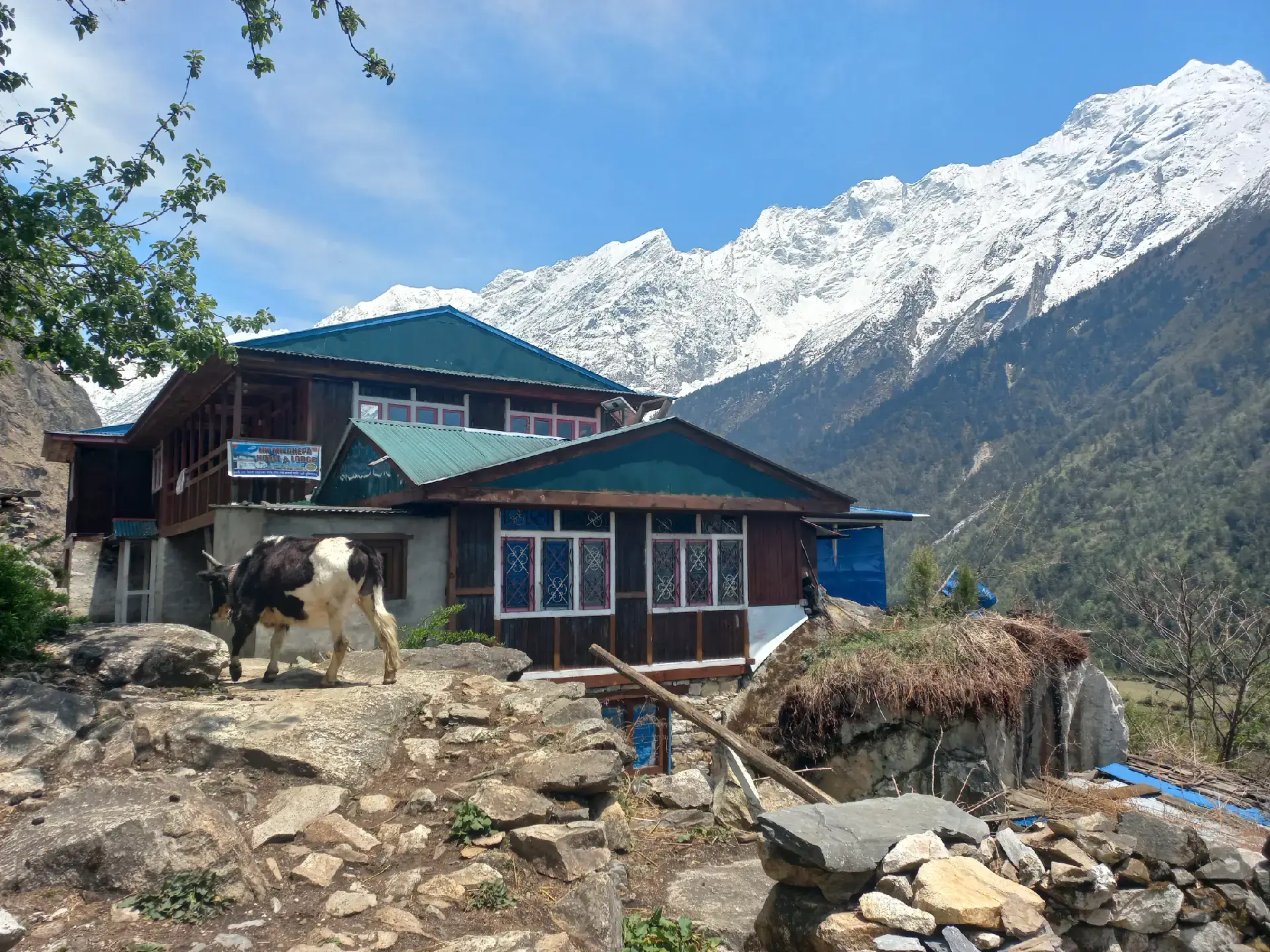
Tea houses and lodges are available along the trek; basic facilities are provided. Hotels are available in Kathmandu.
10. What meals are included?
Breakfast, lunch, and dinner are included in most trekking packages. Meals along the trek are typically local Nepali or Tibetan-style dishes.
11. How physically demanding is the trek?
The trek is moderate to challenging, with daily walking between 4–7 hours, and gradual to steep ascents.
12. Can I use mobile networks along the trek?
Mobile coverage is limited. Some villages have partial connectivity; it’s best to rely on offline maps.
13. What currency is used in Tsum Valley?
The Nepalese Rupee (NPR) is used. Cash is recommended as ATMs are unavailable in remote villages.
14. Are there health risks?
Altitude sickness can occur above 3,000 m. Gradual acclimatization and hydration are important.
15. Do I need travel insurance?
Yes, trekking insurance covering high-altitude trekking and emergency evacuation is strongly recommended.
16. Is the trek safe for solo travelers?
Yes, especially with a guide or organized trekking group, although it is a remote region.
17. What is the landscape like?
The trek passes through forests, terraced fields, alpine meadows, rivers, and Himalayan mountain vistas.
18. Can I see wildlife on the trek?
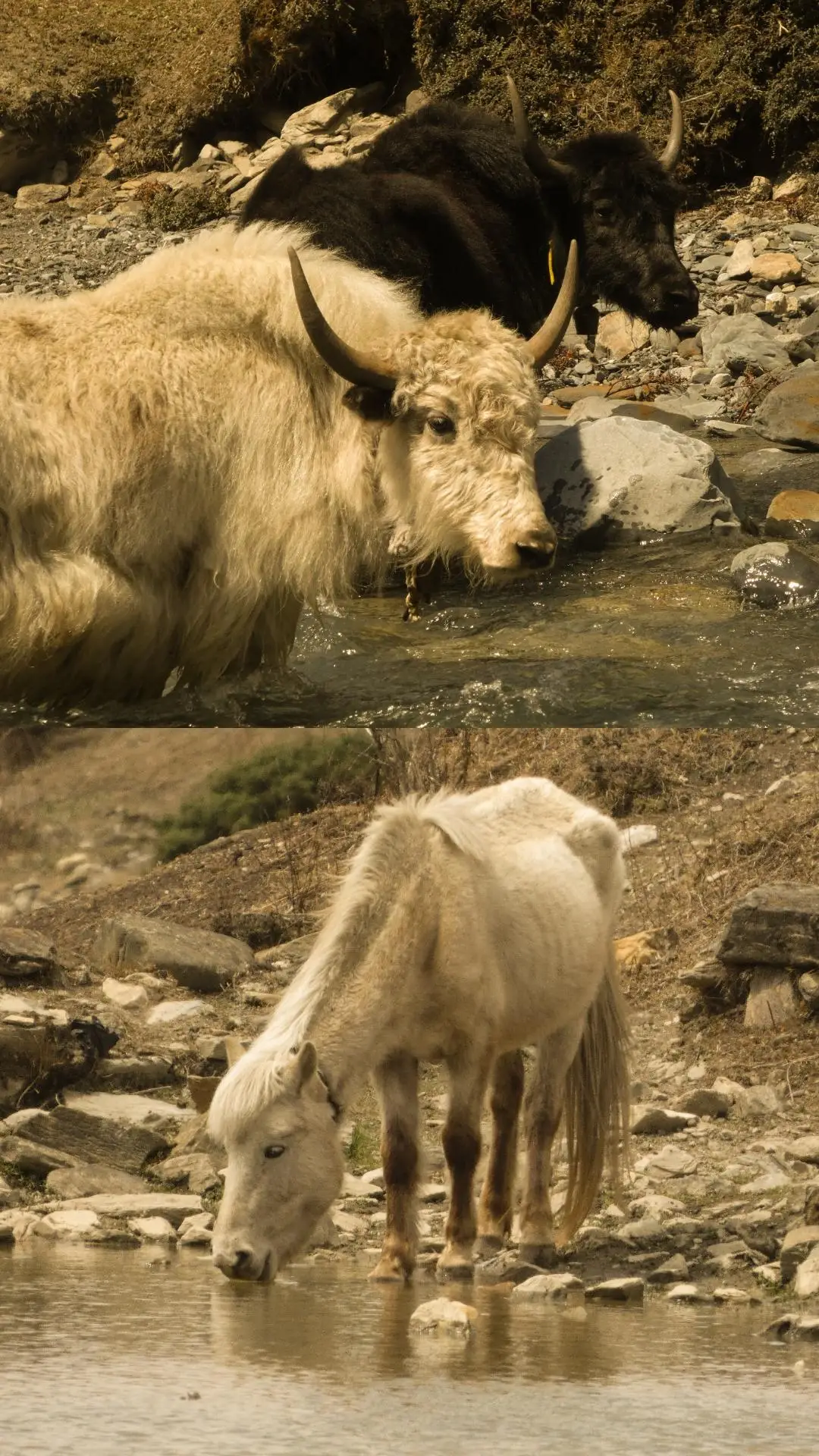
Yes, you may spot langurs, musk deer, pheasants, and various Himalayan birds.
19. How remote is Tsum Valley?
Tsum Valley is quite remote; villages are small and the trail is sparsely populated, giving a truly off-the-beaten-path experience.
20. What cultural experiences can I expect?
You’ll encounter Tibetan Buddhist monasteries, prayer flags, mani walls, and traditional Gurung and Tibetan-influenced villages.
21. Do I need special clothing?
Yes, layered clothing for cold weather, trekking boots, gloves, hats, and a rain jacket are recommended.
22. Are there shops along the route?
Only small tea house shops are available in some villages. Carry snacks and personal essentials.
23. Can families do this trek?
It is suitable for older children or teens with prior trekking experience; very young children are not recommended.
24. What is the daily walking distance?
Daily trekking ranges from 4–7 hours, depending on elevation and trail conditions.
25. Can I trek independently without a guide?
Technically yes, but due to remoteness and permits, hiring a guide is strongly recommended.
26. Is there internet access along the trek?
Internet access is very limited; most connectivity is only in a few lodges and outside major villages.
27. How should I prepare physically?
Cardio exercises, long walks, stair climbing, and strength training will help you handle altitude and long trekking days.
28. Are there any spiritual sites on the trek?
Yes, Mu Gompa monastery and several small local monasteries offer spiritual experiences and Tibetan Buddhist insights.
29. What is the weather like?
Temperatures vary with altitude: warm in lower villages, cold at higher elevations, and occasional rainfall or snow depending on the season.
30. What makes Tsum Valley Trek unique?
Its combination of remote Himalayan scenery, Tibetan Buddhist culture, pristine villages, and off-the-beaten-path adventure makes it one of Nepal’s most unique trekking experiences.
1. What is a trekking expedition?
A trekking expedition is a planned journey on foot through mountainous or remote areas, combining adventure, nature, and sometimes cultural exploration.
2. How long do trekking expeditions usually last?
Trekking expeditions can range from a single day to several weeks, depending on the destination and trail difficulty.
3. Which countries are best for trekking expeditions?
Popular countries include Nepal, India, Bhutan, Peru, Switzerland, and Canada, known for scenic mountains and well-established trails.
4. What permits are required for trekking expeditions?
Permits depend on the country and region. Popular trekking destinations may require national park permits or restricted area permits.
5. Do I need a guide for trekking expeditions?
While some trails can be trekked independently, hiring a local guide enhances safety, navigation, and cultural insight.
6. What is the difference between trekking and hiking?
Trekking usually involves multi-day journeys in remote or mountainous areas, whereas hiking is often shorter, day-long walks.
7. What level of fitness is required for trekking expeditions?
Moderate to high fitness is recommended, especially for high-altitude or multi-day treks. Cardio, strength, and endurance training help.
8. How do I prepare physically for a trekking expedition?
Regular exercise including walking, stair climbing, strength training, and cardio will help prepare your body for the challenges of trekking.
9. What kind of gear is essential?
Essentials include a trekking backpack, proper footwear, layered clothing, rain protection, water bottles, trekking poles, and a sleeping bag for overnight trips.
10. Are trekking expeditions safe?
With proper preparation, guides, and awareness of altitude sickness, trekking expeditions are generally safe. Risks increase with extreme altitudes or harsh weather.
11. How should I acclimatize for high-altitude treks?
Gradual ascent, hydration, rest days, and monitoring for altitude sickness are key strategies for safe acclimatization.
12. Can children participate in trekking expeditions?
Older children or teens with some trekking experience can participate, but very young children are generally not recommended for remote expeditions.
13. Are trekking expeditions suitable for solo travelers?
Yes, but it’s safer to join a group or hire a guide in remote or challenging areas.
14. How do I choose a trekking expedition?
Consider duration, difficulty, altitude, scenery, cultural exposure, and your fitness level when selecting a trek.
15. What is the cost of a trekking expedition?
Costs vary widely depending on location, duration, guides, porters, accommodation, permits, and included meals.
16. What meals are provided during trekking expeditions?
Meals vary; many expeditions provide breakfast, lunch, and dinner. Local cuisine is often offered, with vegetarian options available.
17. How is accommodation arranged?
Accommodation ranges from lodges and tea houses in populated areas to tents or camping in remote regions.
18. Do I need travel insurance?
Yes, travel insurance covering high-altitude trekking, medical emergencies, and evacuation is strongly recommended.
19. What is the typical daily distance in trekking expeditions?
Most expeditions cover 10–20 km per day, depending on terrain, elevation gain, and group pace.
20. Can I carry my own luggage?
Yes, but many expeditions provide porters to carry heavy bags, allowing you to trek with a day pack.
21. How do trekking expeditions deal with emergencies?
Professional guides carry first aid kits and have plans for medical evacuation. High-altitude treks require careful monitoring for altitude sickness.
22. Is it possible to trek in the rainy season?
Trekking is possible, but trails may be slippery, rivers swollen, and accommodation limited. It’s usually recommended to trek in dry seasons.
23. What is the role of a trekking guide?
Guides navigate trails, provide cultural insights, monitor safety, assist with permits, and manage logistics.
24. Can trekking expeditions be done independently?
Yes, but in remote or restricted areas, permits, local knowledge, and safety considerations often require guides.
25. What should I pack for a trekking expedition?
Essentials include layered clothing, sturdy footwear, rain gear, trekking poles, water, snacks, personal medicines, and camera.
26. How do I prevent altitude sickness?
Ascend gradually, stay hydrated, avoid alcohol, and take rest days as needed. Consider medication like Diamox if prescribed.
27. Are there wildlife risks on trekking expeditions?
Some areas have wildlife like monkeys, deer, or snakes. Guides help ensure safe interaction, and dangerous encounters are rare.
28. How do I stay connected on a trekking expedition?
Mobile coverage is often limited; satellite phones or offline maps are recommended for remote regions.
29. Can trekking expeditions be customized?
Yes, many agencies offer customizable expeditions based on duration, difficulty, and cultural interests.
30. What makes trekking expeditions special?
They combine adventure, nature, cultural experiences, personal challenge, and scenic beauty, offering a truly immersive experience for travelers seeking exploration and self-discovery.
1. How should I prepare physically for a trekking expedition?
Regular cardio, hiking, stair climbing, and strength training will help build stamina, endurance, and balance for long treks.
2. Do I need prior trekking experience?
Basic trekking experience is helpful, especially for multi-day or high-altitude treks, but beginners can manage with proper preparation.
3. What type of backpack should I carry?
A daypack of 35–50 liters is ideal for daily essentials. Larger backpacks are only needed if you carry your own gear for camping.
4. What clothing is essential for trekking?
Layered clothing is key: thermal base layers, fleece or down jackets, trekking pants, moisture-wicking shirts, and rain protection like jackets or ponchos.
5. What footwear is recommended?
Sturdy, waterproof hiking boots with good ankle support are essential, plus extra socks to keep feet dry.
6. Should I carry trekking poles?
Yes, trekking poles help with stability, reduce strain on knees during steep ascents and descents, and are especially useful on rocky or uneven trails.
7. What personal items should I pack?
Include sunscreen, sunglasses, hat, gloves, personal toiletries, medications, first aid essentials, and a reusable water bottle.
8. Do I need a sleeping bag?
For overnight tea house or camping treks, a lightweight, warm sleeping bag suitable for sub-zero temperatures is recommended.
9. How much water should I carry?
At least 2–3 liters per day; carry a reusable water bottle or hydration system and use water purification methods if sourcing from streams.
10. Is rain gear necessary?
Yes, weather can change rapidly in the mountains. A waterproof jacket, pants, and rain cover for your backpack are essential.
11. What kind of navigation tools are required?
Maps, compass, and offline GPS apps are recommended. Guides typically manage navigation for remote treks.
12. Should I carry food or snacks?
Yes, carry energy bars, nuts, or dried fruit for quick energy during long trekking days.
13. How do I prevent altitude sickness?
Ascend gradually, take rest days, stay hydrated, avoid alcohol, and monitor symptoms carefully. Medication like Diamox can help if prescribed.
14. Are cameras or phones allowed?
Yes, but ensure extra batteries or power banks, as electricity can be limited along remote treks.
15. Do I need trekking gloves and hats?
Yes, to protect against cold temperatures, sun, and wind at higher altitudes.
16. Should I carry a first aid kit?
Yes, including blister treatment, bandages, antiseptic, painkillers, and any personal medications.
17. Are portable chargers or solar panels useful?
Yes, they are very useful for charging phones, GPS devices, or cameras in remote areas.
18. How should I pack my gear?
Use waterproof dry bags for clothing and essentials; keep heavy items close to your back for balance.
19. Can I rent equipment locally?
In major trekking hubs like Kathmandu, gear like sleeping bags, trekking poles, and down jackets can be rented.
20. What essentials should I carry for emergencies?
Include a whistle, headlamp, extra food, water purification tablets, and a small first aid kit.
21. How do I pack for different weather conditions?
Layering is key: lightweight breathable layers for lower elevations and insulated layers for high altitudes, plus waterproof protection.
22. Do I need trekking sunglasses?
Yes, to protect against intense UV rays and glare from snow at higher altitudes.
23. Are trekking boots different from regular hiking shoes?
Yes, trekking boots provide better ankle support, waterproofing, and sturdiness for rocky and uneven Himalayan terrain.
24. Should I carry a walking stick?
Trekking poles are recommended for steep or uneven trails; some treks allow wooden walking sticks as well.
25. Do I need extra clothes for villages?
Yes, carry modest clothing for cultural respect when visiting monasteries or villages.
26. How do I manage laundry on trek?
Most tea houses offer limited laundry services, but quick-dry clothing is best for washing small items yourself.
27. Should I carry a hydration system?
Yes, hydration bladders or bottles allow easy access to water without removing your backpack.
28. What type of bag is best for electronics?
Waterproof pouches or small dry bags are recommended to protect cameras, phones, and chargers.
29. How much weight should I carry daily?
Keep your daypack under 10–12 kg; heavier loads can cause fatigue and imbalance on steep trails.
30. How do I prepare mentally for a trekking expedition?
Be ready for long walks, changing weather, limited connectivity, and physical challenges. Patience, flexibility, and a positive attitude make the trek more enjoyable.
1. What types of accommodation are available along the trek?
Mostly tea houses and lodges, offering basic rooms with beds and blankets.
2. Are the tea houses comfortable?
They are simple but clean. Expect shared bathrooms and modest amenities.
3. Do I need to carry my own sleeping bag?
Some tea houses provide blankets, but a personal sleeping bag is recommended for hygiene and warmth.
4. Is electricity available in tea houses?
Limited electricity is available, often through solar panels or generators, mainly for charging devices.
5. Can I get Wi-Fi on the trek?
Wi-Fi is very limited and only available in select tea houses; most of the trek has no internet.
6. What meals are served in tea houses?
Typical meals include rice, noodles, dal bhat (lentil soup with rice), soups, and occasional Western dishes.
7. Are vegetarian meals available?
Yes, most tea houses offer vegetarian options.
8. Can I get vegan or special diet meals?
Special diets may be limited; it’s best to carry personal snacks or inform your guide in advance.
9. Are drinks available along the trek?
Tea, coffee, and hot chocolate are commonly available. Bottled water may be limited; bring a reusable bottle and purification tablets.
10. Can I cook my own food?
Cooking facilities are generally not available in tea houses; meals are provided by the lodge.
11. How many people share a room?
Rooms are usually double, triple, or quadruple occupancy. Single rooms may be available at extra cost.
12. Are mattresses provided?
Yes, basic mattresses are provided; bringing a sleeping liner is recommended.
13. Are toilets private or shared?
Most tea houses have shared toilets; some higher-end lodges may offer private toilets.
14. Is hot water available?
Hot water may be available in the evening or at extra cost, often heated by solar or fire.
15. Are blankets sufficient for winter or cold nights?
Bring your own sleeping bag or liner; blankets alone may not be warm enough at high altitudes.
16. Can I drink tap water safely?
It’s safer to boil or purify water using tablets or filters.
17. Is laundry service available?
Limited laundry services are sometimes offered in tea houses; quick-dry clothing is recommended.
18. Can I carry snacks or energy bars?
Yes, it’s recommended to carry your own snacks for long trekking days.
19. Are alcohol or soft drinks available?
Some tea houses may provide local beer, but availability is limited in remote areas.
20. Do tea houses provide blankets, pillows, and bedding?
Yes, basic bedding is provided, but personal sleeping liners are recommended for comfort and hygiene.
21. How early are meals served?
Breakfast is usually around 7–8 AM; lunch is 12–1 PM; dinner is 6–7 PM.
22. Can I request specific meals?
Tea houses are flexible, but options may be limited; informing your guide helps.
23. Are there vegetarian-friendly snacks along the trail?
Yes, items like noodles, bread, boiled eggs, and fruit are common.
24. How much do meals typically cost at tea houses?
Meals range from USD 3–10 depending on location and type.
25. Do I need to carry my own cutlery?
No, tea houses provide plates, spoons, and bowls.
26. Is there heating in the rooms?
Some tea houses have wood or coal stoves, but heating may be minimal; warm clothing is essential.
27. Can I charge electronic devices in tea houses?
Yes, often at an extra charge or limited by power availability.
28. How many tea houses are there per day?
Every trekking section typically has a tea house within reachable distance, making daily stops convenient.
29. Do tea houses have dining areas?
Yes, common dining areas are where trekkers eat, socialize, and sometimes meet other travelers.
30. What should I carry for comfort in accommodation?
A sleeping liner, warm clothing, toiletries, personal towel, and a small flashlight/headlamp for convenience.
1. Is the Tsum Valley Trek safe?
Yes, the trek is generally safe with proper preparation, an experienced guide, and adherence to trekking guidelines. Remote sections may require caution due to rugged trails.
2. What are the major health risks during the trek?
Altitude sickness, dehydration, exhaustion, and minor injuries like blisters or sprains are the most common risks.
3. How can I prevent altitude sickness?
Ascend gradually, take rest days, stay hydrated, avoid alcohol, and monitor symptoms. Medication like Diamox can help if prescribed.
4. At what altitude does altitude sickness occur?
Symptoms often start above 2,500–3,000 meters, becoming more significant at higher elevations like Mu Gompa (3,705 m).
5. What are the symptoms of altitude sickness?
Headache, nausea, dizziness, shortness of breath, fatigue, and loss of appetite are common signs.
6. What should I do if I experience altitude sickness?
Rest, hydrate, avoid further ascent, and descend if symptoms worsen. Seek medical attention for severe cases.
7. How important is hydration on the trek?
Hydration is crucial. Drink 2–3 liters of water daily and use purification tablets or filters for river water.
8. Can I drink water from rivers?
Water should be boiled, filtered, or treated with purification tablets to avoid waterborne illnesses.
9. Are there risks of hypothermia?
Yes, especially at higher altitudes and in cold nights. Layered clothing and sleeping bags help prevent hypothermia.
10. Should I bring my own first aid kit?
Yes, a personal kit with bandages, antiseptics, blister care, painkillers, and any prescription medications is recommended.
11. Are there medical facilities along the trek?
Medical facilities are very limited in Tsum Valley; basic aid is available at some tea houses, but serious cases require evacuation.
12. How do I handle emergencies?
Follow your guide’s instructions, use the communication plan, and know the location of the nearest evacuation points.
13. Is trekking insurance necessary?
Yes, comprehensive travel insurance covering high-altitude trekking, medical emergencies, and evacuation is essential.
14. Can I contract infections or diseases during the trek?
Minor gastrointestinal infections may occur if water or food hygiene is poor. Use bottled or purified water and eat cooked meals.
15. What vaccinations are recommended before trekking in Nepal?
Routine vaccinations like tetanus, hepatitis A and B, typhoid, and influenza are recommended. Consult a travel doctor.
16. How can I prevent blisters on my feet?
Wear properly fitted trekking boots, moisture-wicking socks, and consider using blister pads or tape on sensitive areas.
17. Are insect-borne diseases a concern?
Low risk at high altitudes, but mosquitoes may be present in lower regions. Use insect repellent and protective clothing.
18. How do I prevent sunburn?
Use high-SPF sunscreen, lip balm, sunglasses, and a hat to protect against UV exposure at high altitudes.
19. Is trekking alone safe?
Solo trekking in remote regions is not recommended; guides and groups enhance safety and emergency response.
20. What should I do in case of a fall or injury?
Stop immediately, assess the injury, apply first aid, and contact your guide. Severe injuries may require evacuation.
21. Are there snakes or dangerous animals in Tsum Valley?
Wildlife encounters are rare. Small mammals or snakes may appear, but serious incidents are uncommon.
22. How do I avoid fatigue during the trek?
Pace yourself, take regular breaks, maintain hydration, eat nutritious meals, and get adequate sleep.
23. Should I carry altitude sickness medication?
Yes, if recommended by a doctor. Diamox (acetazolamide) is commonly used for prevention and treatment.
24. Are trekking poles safe to use?
Yes, they reduce strain on knees and improve balance, especially on rocky and steep trails.
25. How do I stay warm at night?
Use a high-quality sleeping bag, thermal layers, insulated socks, and keep your head covered.
26. Can I catch cold or flu during the trek?
Yes, due to cold nights and changing weather. Layer clothing, maintain hygiene, and keep dry.
27. Are there guides trained in first aid?
Professional trekking guides usually have basic first aid training and carry emergency supplies.
28. How do I manage food safety?
Eat freshly cooked meals, avoid raw foods, and drink boiled or filtered water.
29. Should I carry a satellite phone or GPS device?
For remote treks, carrying a satellite phone or GPS is recommended for emergencies.
30. What is the most important safety tip for Tsum Valley Trek?
Listen to your body, follow your guide’s advice, stay hydrated, take rest days for acclimatization, and always prepare for changing weather.
1. What kind of communities live in Tsum Valley?
The valley is home to Tibetan-influenced Gurung communities who maintain traditional lifestyles, customs, and spiritual practices.
2. What is the main religion in Tsum Valley?
Tibetan Buddhism is the dominant religion, with monasteries, prayer flags, and daily rituals visible throughout the valley.
3. Can trekkers visit monasteries?
Yes, trekkers can visit Mu Gompa and smaller local monasteries to observe Buddhist practices and interact with monks.
4. Are trekkers allowed to take photographs?
Photography is allowed, but always ask permission before photographing locals or religious sites.
5. What festivals are celebrated in Tsum Valley?
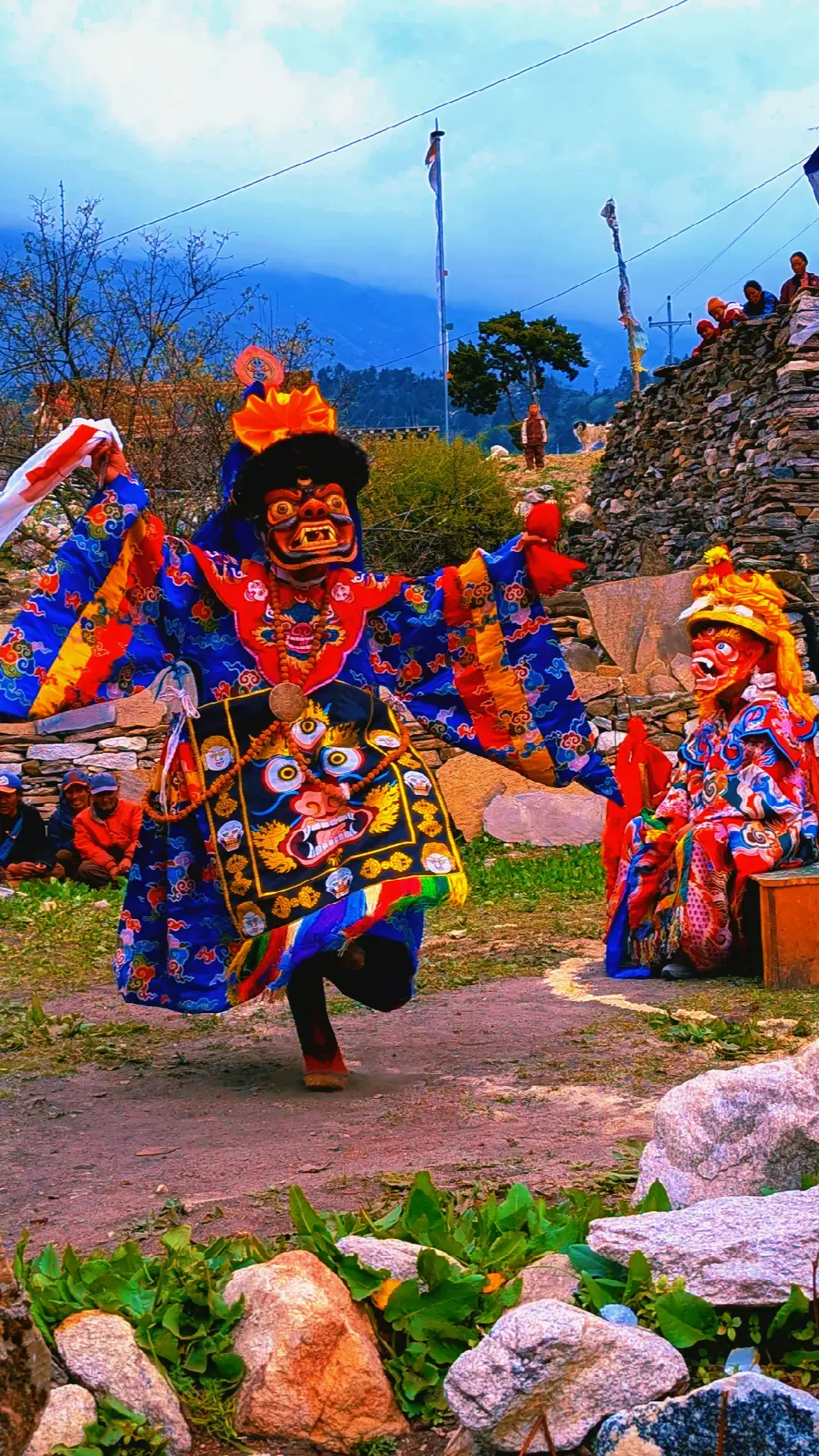
Local communities celebrate Tibetan Buddhist festivals, such as Losar (Tibetan New Year) and Mani Rimdu ceremonies in monasteries.
6. Can I participate in local cultural activities?
With respect and guidance, trekkers can observe and sometimes participate in local rituals, dances, or prayer ceremonies.
7. Do locals speak English?
Basic English is spoken by some locals, especially guides and lodge owners, but learning simple Nepali or Tibetan phrases is helpful.
8. How do locals make a living?
Most depend on subsistence farming, livestock rearing, and hospitality services for trekkers.
9. Can I experience local food during the trek?
Yes, tea houses serve local dishes like dal bhat, momo (dumplings), thukpa (noodle soup), and butter tea.
10. Are there opportunities to learn about Tibetan Buddhist culture?
Yes, visiting monasteries, speaking with monks, and observing rituals provide deep cultural insights.
11. How traditional are the villages?
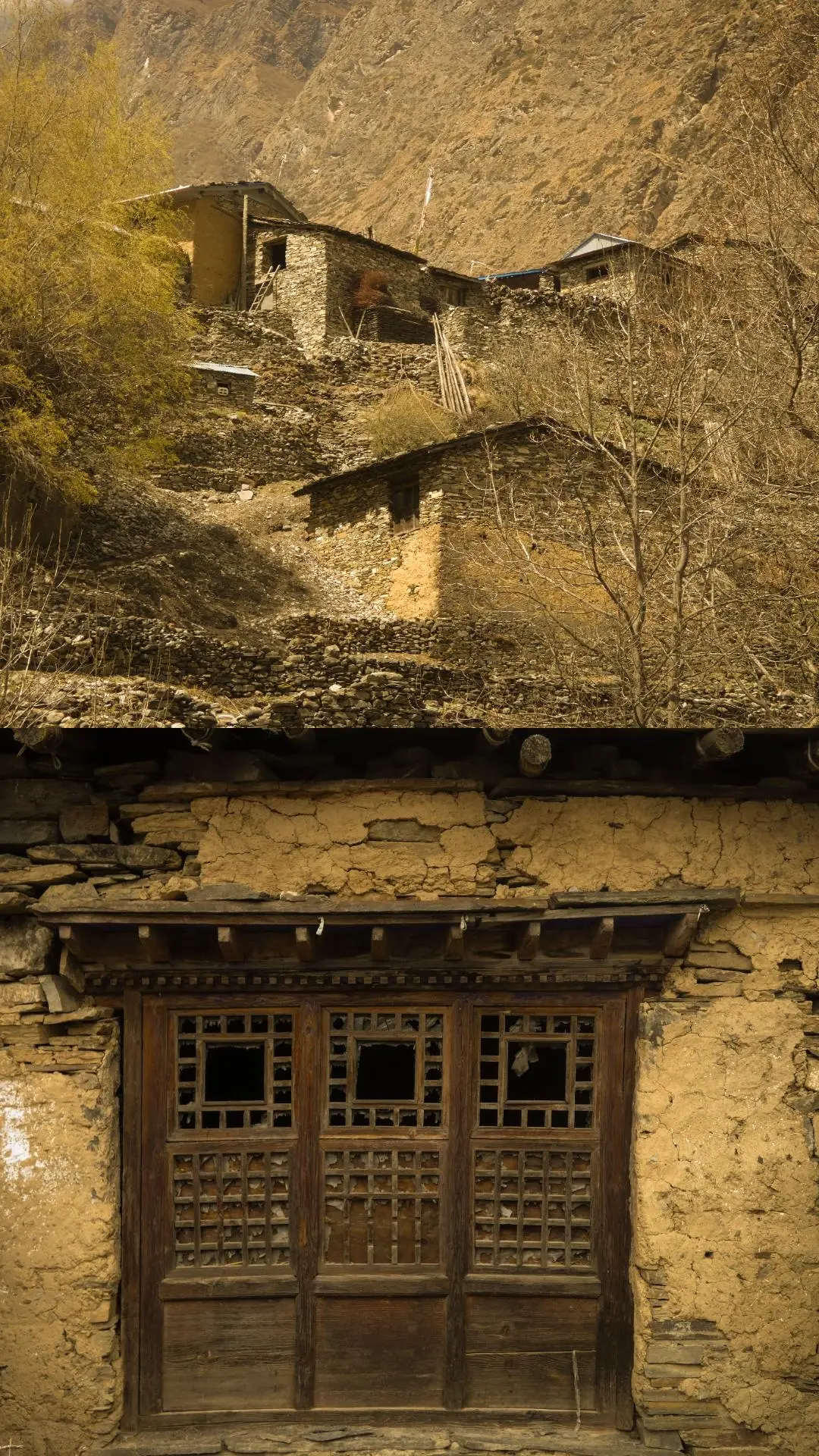
Villages have traditional stone-and-wood houses with Tibetan-style architecture, and daily life remains closely tied to age-old customs.
12. Do locals sell handicrafts or souvenirs?
Some villagers offer handmade crafts, prayer flags, or jewelry, which are excellent for supporting local economies.
13. Is it possible to interact with children in the villages?
Yes, local children are friendly, and interaction provides a glimpse into everyday life in the valley.
14. How do locals celebrate religious events?
Monks perform rituals, prayers, and ceremonies at monasteries; villagers gather with traditional attire and music.
15. Can trekkers volunteer or contribute to communities?
While organized volunteer programs are rare, respecting local customs and supporting local businesses helps the community.
16. How do locals dress?
Traditional clothing includes Tibetan-style robes, woolen jackets, and hats, reflecting the climate and culture.
17. Are there local guides from the community?
Yes, local guides provide cultural insights, language help, and detailed knowledge of traditions and festivals.
18. How do prayer flags and mani stones reflect local culture?
Prayer flags and carved stones are spiritual symbols representing blessings, compassion, and Tibetan Buddhist beliefs.
19. Are there gender-specific cultural norms?
Yes, modest dress and respect for religious customs are important, especially around monasteries.
20. Can I learn local crafts or skills?
Some villages offer hands-on experiences in weaving, pottery, or traditional cooking with guidance.
21. Do locals practice any traditional medicine?
Yes, Tibetan herbal remedies and traditional healing practices are still used for minor ailments.
22. How important is hospitality in Tsum Valley culture?
Hospitality is central; guests are warmly welcomed with tea, meals, and conversation.
23. Are there opportunities to learn the local language?
Trekkers can learn basic Tibetan or Gurung phrases from guides and locals for a more immersive experience.
24. How do communities preserve their culture?
Through monasteries, rituals, festivals, oral history, and traditional architecture.
25. Can I attend a local ceremony?
Yes, with permission, trekkers can observe or respectfully participate in rituals and prayer ceremonies.
26. How do locals view tourists?
Tourists are generally welcomed, and interactions are valued as a way to share and preserve cultural heritage.
27. Are there music or dance traditions?
Traditional Tibetan and Gurung music and dances are performed during festivals and special occasions.
28. How do villagers use natural resources?
Villagers practice subsistence farming, animal husbandry, and use local forest resources responsibly.
29. Can I learn about local architecture?
Yes, villages feature stone-and-wood homes, prayer houses, and monasteries showcasing Tibetan architectural styles.
30. What makes Tsum Valley culturally unique?
Its strong Tibetan Buddhist heritage, remote lifestyle, preserved traditions, and warm, hospitable communities make it an authentic cultural trekking experience.
| No of people | Price per person |
|---|---|
| 1 - 1 | $1,750 |
| 2 - 3 | $1,700 |
| 4 - 5 | $1,650 |
| 6 - 7 | $1,600 |
| 8 - 12 | $1,550 |
| No of people | Price per person |
|---|---|
| 1 - 1 | $6,199 |
| 2 - 2 | $5,999 |
| 3 - 4 | $5,799 |
| 5 - 6 | $5,599 |
| 7 - 10 | $5,398 |
| 11 - 12 | $5,199 |
| 13 | $4,999 |
| No of people | Price per person |
|---|---|
| 1 - 1 | $4,539 |
| 2 - 2 | $4,439 |
| 3 - 4 | $4,339 |
| 5 - 6 | $4,239 |
| 7 - 10 | $4,139 |
| 11 - 12 | $4,039 |
| 13 | $3,939 |
| No of people | Price per person |
|---|---|
| 1 - 1 | $1,999 |
| 2 - 2 | $1,899 |
| 3 - 4 | $1,749 |
| 5 - 6 | $1,699 |
| 7 - 10 | $1,649 |
| 11 - 12 | $1,599 |
| 13 - 20 | $1,549 |