Reg. No: 113279/69/070
License No: 64/72
18Years of Experience
+977-9858053899
[email protected]
Karnali Rafting and AdventureKarnali Rafting
& Adventure
"The only authorised rafting and angling company of Nepal"

Everest Base Camp Trek – 14 Days

  • Best price guaranteed
  • Including Domestic Round Air Fare
  • Book Now, Pay Later
from 1 reviews
Everest Base Camp Trek – 14 Days
Days
14
  • Best price guaranteed
  • Including Domestic Round Air Fare
  • Book Now, Pay Later
Share
Print
Max. Elevation
5364 m / 17598 ft
Group size
Min 1+
Grading
Moderate
Transportation
Domestic flight and all ground transportation as per itinerary
Best Season
Mar - May, Sep - Nov
Starts at / Ends at
Kathmandu / Kathmandu
Accomodation
Hotel in Kathmandu and Tea House / Lodge during the trek
Meals
Breakfast in Kathmandu and all meals during the trek
Trip Route
Kathmandu - Lukla - Phakding - Namche Bazaar - Tengboche - Dingboche - Lobuche - Everest BC - Gorak Shep - Kala Patthar - Pheriche - Namche - Lukla - Kathmandu

Highlights

  • Flight to Lukla: The adventure begins with a 35-minute flight from Kathmandu to Lukla (or a flight from Manthali/Ramechhap in specific months) followed by a 5-6 hour drive during the trekking season of March, April, May, October, and November.
  • Sagarmatha National Park: Embark on your trek along the Dudh Koshi River’s banks and into the protected UNESCO-listed Sagarmatha National Park, home to unique wildlife and stunning landscapes.
  • Cultural Experience: Pass through Sherpa villages and trading points, with an acclimatization stop in Namche Bazaar, a bustling town with panoramic views of Everest and other peaks.
  • Tengboche Monastery: Visit the renowned Tengboche Monastery, nestled among the mountains and considered one of the most important Buddhist monasteries in the region.
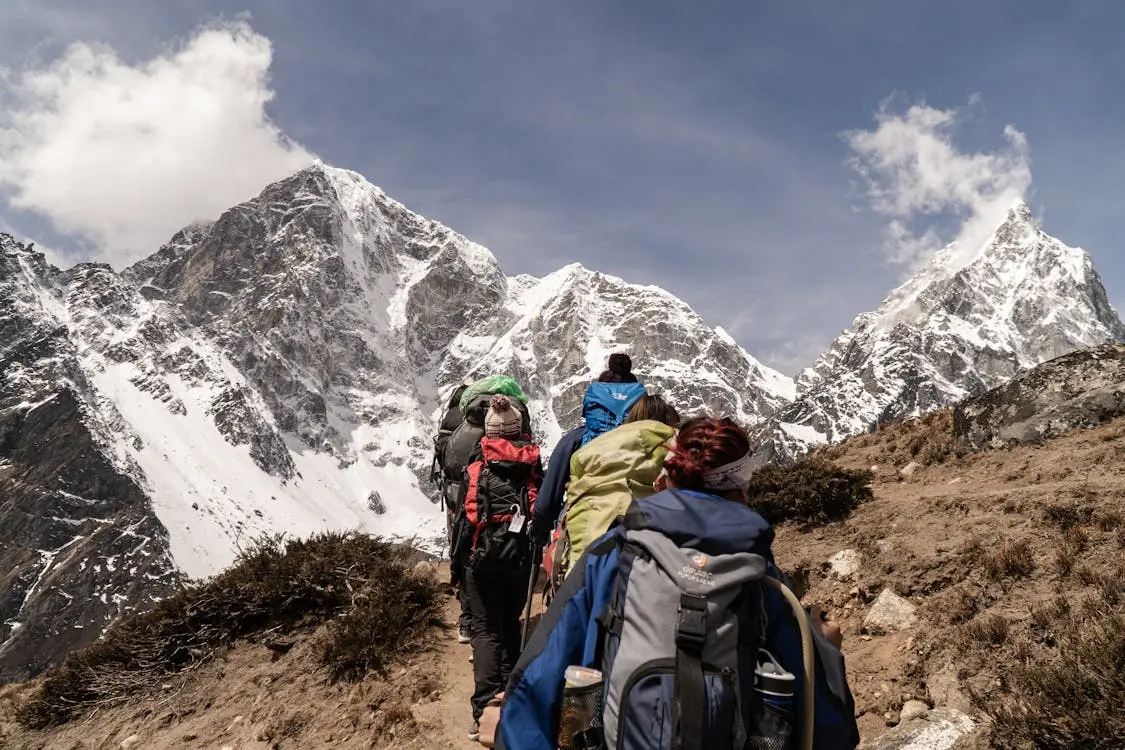
  • Breathtaking Mountain Views: Trek through alpine forests, verdant hills, and traditional Sherpa settlements, with spectacular views of Lhotse, Makalu, Cho Oyu, Ama Dablam, and more.
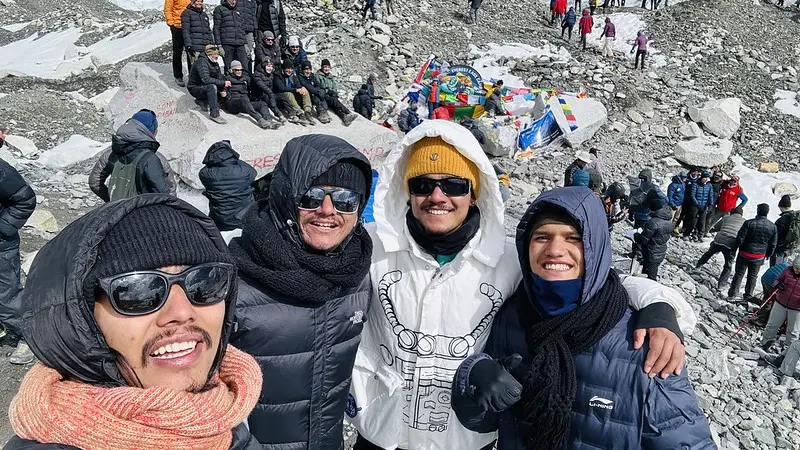
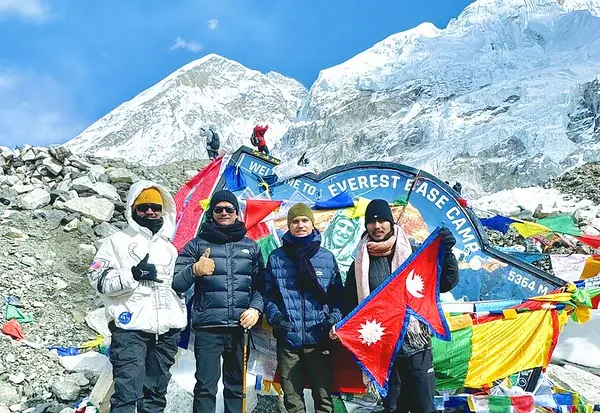
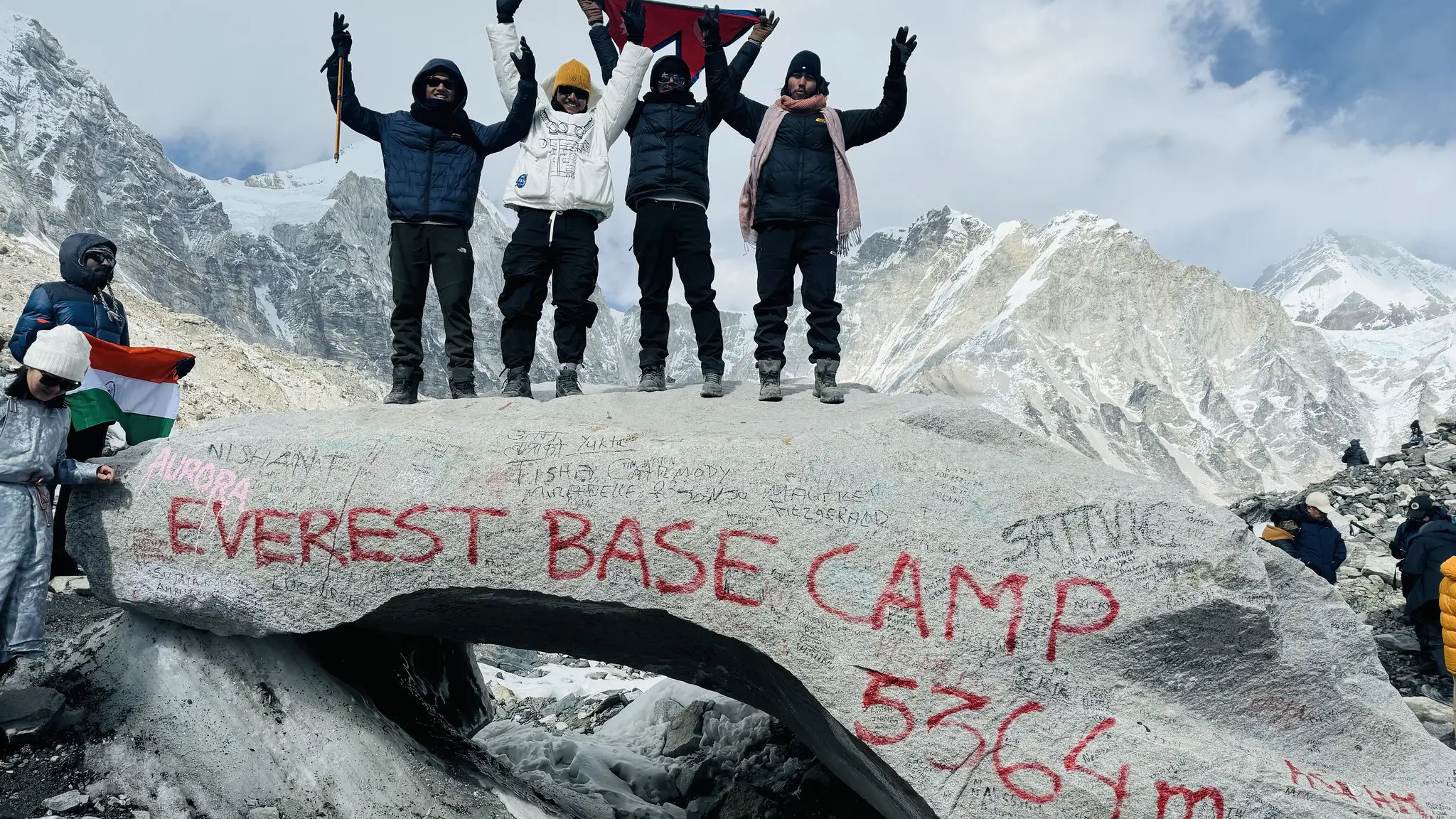
  • Everest Base Camp: Continue the trek to Gorak Shep and then to the Everest Base Camp, where the world’s deepest Khumbu Glacier can be seen. Feel the thrill of standing at the foot of the tallest mountain on Earth.
  • Kala Patthar Sunrise: On the following day, wake up early for a sunrise hike to Kala Patthar, where you can witness breathtaking views of Mount Everest and the surrounding peaks.

Overview

The Everest Base Camp Trek offers the perfect blend of well-maintained paths and the untouched beauty of the Himalayas. This iconic trek, set in the lap of the mighty Everest, allows you to experience the grandeur of Nepal’s natural landscapes and the rich Sherpa culture. It’s a once-in-a-lifetime adventure that not only brings you to the base of the world’s highest peak but also introduces you to the spirit and traditions of the local people.

The 14-day journey takes you through breathtaking mountain villages, lush rhododendron forests, ancient monasteries, and alpine terrains, eventually reaching an altitude of 5,364 meters at Everest Base Camp. You’ll witness majestic panoramic views of the Himalayas, including Mount Everest, Lhotse, Nuptse, Ama Dablam, and Pumori. The trek is not just a physical adventure but a deeply enriching cultural experience in the heart of the Khumbu region.

Best Time for Everest Base Camp Trek

The best time to trek to Everest Base Camp is during the pre-monsoon (spring) and post-monsoon (autumn) seasons. These periods offer the most stable weather, clear mountain views, and comfortable temperatures for trekking.

  • Spring (March to May): This is a popular season for trekking. The skies are generally clear, the weather is mild, and the rhododendrons are in full bloom, adding vibrant color to the trails. It’s also a great time to spot climbers preparing for Everest summits.
  • Autumn (late September to early December):Post-monsoon, the air is fresh and the skies are crystal clear. The trails are dry and safe, and the mountain views are exceptional. This season attracts trekkers from all over the world for its reliable conditions.

While winter (December to February) is less crowded and offers serene landscapes, it comes with freezing temperatures and snow-covered trails. Monsoon season (June to August) is generally discouraged due to heavy rain, slippery paths, and limited mountain views.

Everest Base Camp Trekking Difficulty

The Everest Base Camp Trek is considered a moderate to strenuous trek. While it doesn’t require technical climbing skills, it does demand a good level of physical fitness, mental endurance, and preparation for high-altitude conditions.

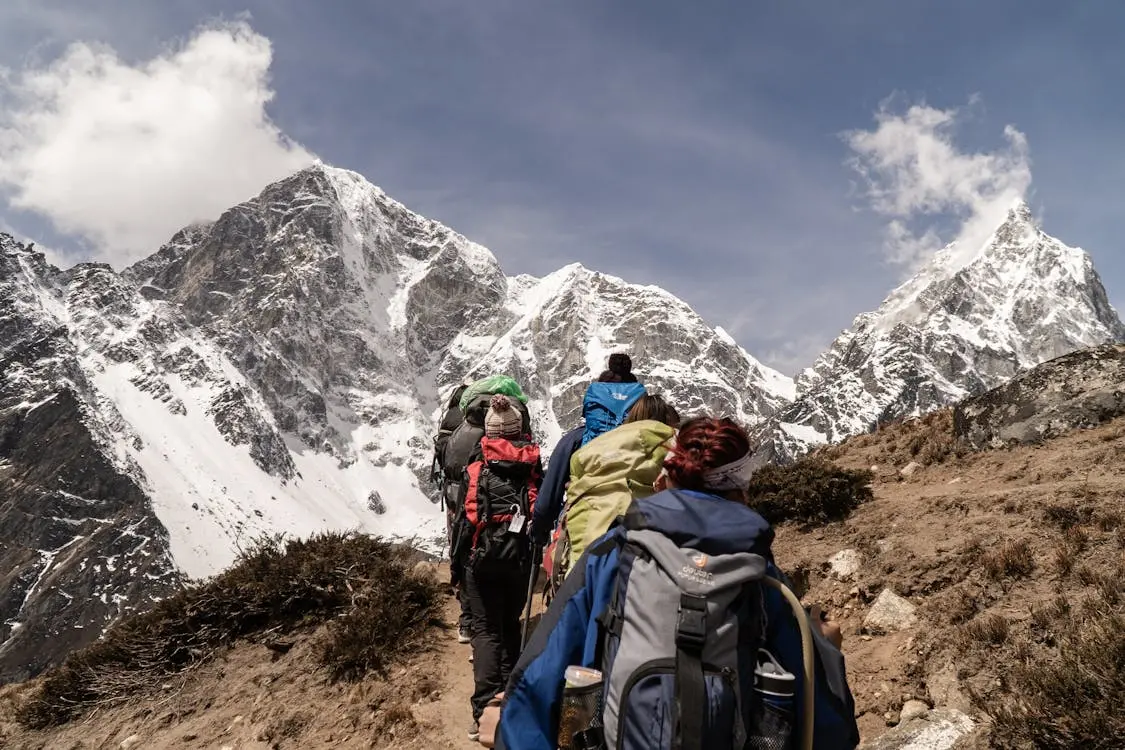
Trekkers will cover around 130 km (80 miles) round-trip, walking 5 to 8 hours per day on varied terrain — from stone-paved trails and suspension bridges to rocky moraines and glacial paths. The real challenge, however, lies in the altitude. At elevations above 3,000 meters, the risk of altitude sickness (AMS) increases, especially as you climb above 4,000 meters and approach Base Camp and Kala Patthar.

Proper acclimatization days, hydration, and pacing are crucial to a successful trek. With Karnali Rafting and Adventure’s experienced guides, you’ll be closely monitored and supported every step of the way to ensure a safe and successful journey.

Food and Accommodation for Everest Base Camp Trek

During the trek, you’ll be staying in traditional teahouses or guesthouses, which offer a cozy and authentic Himalayan experience. These lodges provide basic but comfortable rooms, typically with twin beds, shared bathrooms, and common dining areas with wood stoves for warmth.

Meals on the trek are nourishing and plentiful. The menu includes both local and international dishes, with staples such as:

  • Dal Bhat (rice, lentil soup, and vegetables) – a favorite for its nutrition and energy.
  • Noodles, fried rice, momos (dumplings), pasta, and soups.
  • Breakfast items include pancakes, porridge, eggs, Tibetan bread, and tea or coffee.

While food options are more diverse in lower villages like Namche Bazaar, they become simpler as you gain altitude. All meals are freshly prepared, and vegetarian options are widely available. Karnali Rafting and Adventure ensures that all teahouses and food providers adhere to hygienic cooking practices to maintain your health and energy throughout the trek.

Why Choose Karnali Rafting and Adventure Pvt. Ltd.?

Choosing the right trekking company is essential for a successful and safe Everest Base Camp adventure. Karnali Rafting and Adventure Pvt. Ltd. offers more than just a trek — we offer a complete Himalayan experience with a deep commitment to quality, safety, and responsible travel.

Why trek with us?

  • Experienced Guides:Our professional trekking guides are highly trained in first aid, high-altitude sickness management, and emergency protocols. Their local knowledge and dedication ensure your safety and comfort at every step.
  • Tailored Itineraries:We understand that every trekker is different. We offer customized itineraries to suit your fitness level, travel time, and interests, ensuring a fulfilling experience.
  • Sustainable and Responsible Travel:We practice eco-friendly trekking methods by minimizing waste and encouraging Leave No Trace principles. We also support local Sherpa communities by partnering with local teahouses and employing local staff.
  • Reliable Logistics and Support: From airport pickups to accommodation bookings, permits, and porter arrangements — we handle all the logistics, so you can focus entirely on your journey.

With Karnali Rafting and Adventure Pvt. Ltd., your dream of reaching Everest Base Camp becomes a well-supported, safe, and unforgettable adventure. Join us to explore the roof of the world with confidence and care.
Important Note

Trekking Mode: Lodges & guesthouses (Lukla to Lukla)
Grade:Moderate to adventurous (high altitude)
Region:Khumbu-Everest, Far North Mid-East Nepal
Highest Points:Kalapathar (5,643m) & Everest Base Camp (5,364m)
Culture: Sherpa communities, Tibetan Buddhist traditions
Trekking Duration:10 Nights/11 Days (Lukla to Lukla)
Total Trip: 13 Nights/14 Days (arrival to departure)
Best Seasons:Spring (Mar-May) & Autumn (Sep-Nov); winter trekking possible but very cold

Trip Itinerary

Upon your arrival at Tribhuvan International Airport in Kathmandu, a representative from Karnali Rafting and Adventure will greet you and transfer you to your hotel in the heart of the city. Kathmandu, Nepal’s bustling capital, is a vibrant blend of tradition and modernity, where ancient temples sit alongside busy marketplaces. After check-in, you’ll have time to rest and recover from your journey. If you arrive early, you may choose to explore the nearby Thamel area, known for its colorful shops, local eateries, and cultural charm. In the evening, your trekking guide will conduct a briefing about the adventure ahead, covering important details such as route plans, altitude awareness, and safety tips. This is also a great opportunity to meet fellow trekkers. Overnight stay will be at a comfortable 3-star hotel in Kathmandu, where you can relax and prepare mentally and physically for the epic Himalayan journey ahead.

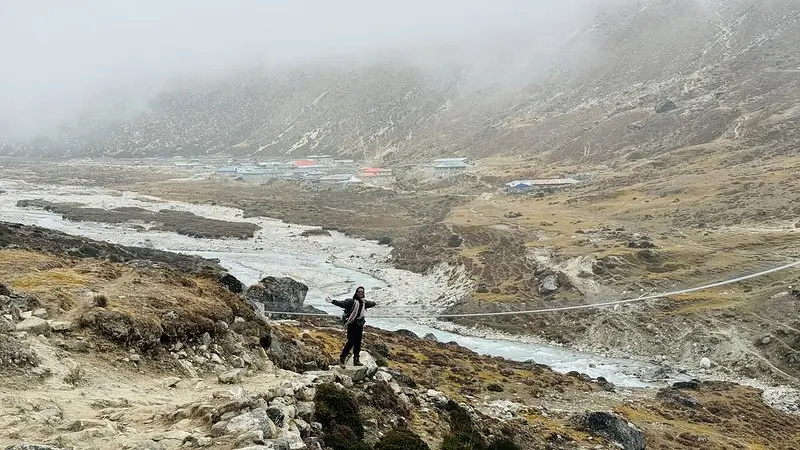
Today begins with an early morning transfer to the airport for a thrilling flight to Lukla, the gateway to the Everest region. Depending on the season, you’ll either fly directly from Kathmandu or take a drive to Manthali/Ramechhap and fly from there. The 20–35-minute flight is a breathtaking experience in itself, offering your first aerial views of the towering Himalayas. Upon landing in Lukla, you’ll meet your porter team and begin the trek. The trail descends gently through pine forests and Sherpa villages like Chheplung, offering glimpses of Mount Kusum Kanguru. After a few hours of walking along the Dudh Koshi River, you’ll reach Phakding, a peaceful village nestled amidst pine forests and riverbanks. This first trekking day allows your body to begin acclimatizing. Relax in a cozy guesthouse in Phakding, enjoy a warm Sherpa meal, and rest up for the journey ahead.

After a hearty breakfast in Phakding, you’ll continue trekking north along the Dudh Koshi River. The trail winds through beautiful pine and rhododendron forests, crossing several suspension bridges—including the famous Hillary Bridge—offering dramatic views of the river gorges below. As you ascend gradually, you’ll pass villages like Monjo and Jorsalle, where you officially enter the Sagarmatha National Park. After a brief break, the trail becomes steeper, zigzagging uphill through dense forest. As you near Namche Bazaar, the first glimpses of Mount Everest peek through the clouds—an unforgettable sight. Namche, the largest town in the Khumbu region, is a bustling Sherpa hub with shops, cafes, bakeries, and mountain gear stores. Upon arrival, you’ll check into a comfortable guesthouse and take time to rest. The altitude begins to make itself known here, so hydration and relaxation are essential. Overnight in Namche Bazaar, surrounded by stunning Himalayan panoramas.

Acclimatization is crucial at this stage, and today is dedicated to allowing your body to adjust to the higher elevation. After breakfast, you’ll embark on a scenic acclimatization hike to the renowned Hotel Everest View, located at an altitude of 3,880 meters. The trail provides panoramic views of Everest (8,848 m), Lhotse (8,516 m), Ama Dablam (6,812 m), and other iconic peaks. The hotel itself is one of the highest-altitude luxury hotels in the world and offers an excellent vantage point for photography. After enjoying a warm beverage with a view, you’ll return to Namche. The rest of the day can be spent exploring the vibrant town, visiting the Sherpa Museum, or relaxing at one of the many cafes. This day plays a pivotal role in your acclimatization and sets the stage for a safer ascent. Overnight stay at a guesthouse in Namche Bazaar.

Leaving Namche Bazaar behind, you’ll follow the contour of the valley, enjoying stunning views of snow-capped peaks and occasional sightings of Himalayan wildlife such as musk deer or Himalayan Thar. The trail gradually descends to the river at Phunki Tenga, where you’ll stop for lunch beside the rushing waters. From here, a steep ascent through conifer and rhododendron forests leads to the spiritual center of the Khumbu region—Tengboche. This small village is home to the magnificent Tengboche Monastery, the largest in the region, where trekkers can observe daily Buddhist ceremonies. On clear days, the view from Tengboche includes Everest, Nuptse, Lhotse, and the majestic Ama Dablam rising prominently. After checking into your guesthouse, you can explore the monastery or simply relax, soaking in the serene energy of this sacred place. Overnight at a guesthouse in Tengboche.

After an early breakfast in Tengboche, the trail descends through a beautiful forest filled with rhododendron and conifer trees to Debuche. You’ll cross a suspension bridge over the Imja Khola, passing picturesque chortens and mani walls, with Ama Dablam rising majestically in the distance. The route climbs steadily to the village of Pangboche, where trekkers can visit one of the oldest monasteries in the region. Continuing on, the landscape begins to shift, with alpine vegetation replacing the dense forests. You’ll notice fewer trees and more expansive views as you ascend through open valleys. After crossing several small streams and traversing dry, glacial terrain, you arrive in the high-altitude village of Dingboche. Nestled in the Imja Valley and surrounded by mountains, Dingboche is a tranquil place ideal for acclimatization. The village offers beautiful views of Lhotse, Island Peak, and Ama Dablam. Overnight at a guesthouse in Dingboche, enjoying warm hospitality and hearty mountain meals.

Today is another vital acclimatization day to prepare your body for higher altitudes. After breakfast, you’ll embark on a side hike to Nangkartsang Peak, which rises to 5,083 meters above sea level. This rewarding half-day hike offers exceptional panoramic views of several towering Himalayan giants, including Makalu (8,481 m), the world’s fifth-highest peak, as well as Lhotse, Ama Dablam, and Island Peak. The trail ascends steeply, offering not only physical challenge but also perfect acclimatization gains. You may encounter grazing yaks and mountain birds along the rocky ridges. After reaching the summit and soaking in the views, you’ll return to Dingboche for lunch and a relaxed afternoon. The rest of the day is free for rest, journaling, or chatting with fellow trekkers. Staying active but not overexerting is key to acclimatization success. Overnight at a cozy guesthouse in Dingboche, as the excitement builds for your approach to Everest Base Camp.

The journey from Dingboche to Lobuche begins with a steady ascent through wide alpine meadows and rugged glacial moraine. After leaving the village, you’ll climb towards Dughla, passing along the lateral moraine of the Khumbu Glacier. A brief rest in Dughla allows for lunch before a challenging uphill section known as the Thukla Pass. This emotional part of the trail features memorials and stone cairns dedicated to climbers who lost their lives on Everest, creating a reflective and humbling atmosphere. Beyond the pass, the terrain flattens out somewhat as you approach Lobuche, a windswept settlement nestled among towering peaks. You’re now well above 4,900 meters, and the air feels significantly thinner, so walking at a slow, steady pace is essential. Despite the tough conditions, the scenery is nothing short of awe-inspiring, with views of Nuptse, Pumori, and the vast glacier fields. Overnight at a guesthouse in Lobuche, preparing for the big day ahead.

Today is the most anticipated and rewarding day of the entire trek. After an early breakfast in Lobuche, you set out along a rocky and glacial path towards Gorak Shep. The walk is gradual but challenging due to the thin air and the uneven, icy terrain. Upon reaching Gorak Shep, you’ll take a brief rest, leave your belongings, and continue the final push to Everest Base Camp. The trail runs along the Khumbu Glacier, weaving through glacial moraines, ice formations, and rugged landscapes. After a few hours, you’ll arrive at the iconic Everest Base Camp, where climbers prepare their summit expeditions. Standing at 5,364 meters, you’ll be surrounded by the dramatic Khumbu Icefall and towering peaks—an unforgettable moment of achievement. After taking photos and enjoying the victory, you’ll return to Gorak Shep for a well-earned rest. Overnight at a guesthouse in Gorak Shep, surrounded by the shadows of the world’s highest mountains.

You’ll wake before dawn to begin the steep ascent to Kala Patthar, one of the best vantage points for panoramic views of Mount Everest and its neighboring giants. As the sun rises, the golden hues strike Everest, Lhotse, Nuptse, and Pumori, creating a magical, once-in-a-lifetime scene. Reaching the summit of Kala Patthar (5,555 m) is a proud moment—it is often the highest point trekkers reach without mountaineering gear. After enjoying the sunrise and capturing photos, you’ll carefully descend back to Gorak Shep for breakfast. From there, the trek begins its descent, retracing the trail toward the lower altitude of Pheriche. The downhill journey is easier on the lungs but can be hard on the knees, so trekking poles are useful. Upon arrival in Pheriche, you’ll check into your guesthouse and enjoy a well-deserved rest. The oxygen-rich air feels comforting after days spent at extreme altitudes.

Today’s trek takes you through the familiar landscapes of the Khumbu, now more appreciated after your time at Everest Base Camp. Descending through the Imja Valley, you’ll pass through Orsho and Pangboche, with beautiful mountain views and traditional Sherpa villages along the way. The trail descends further to Debuche and crosses the Imja Khola, leading back up to the rhododendron forests of Tengboche. After a rest near the monastery, you continue the trail down to Phunki Tenga and then climb again to Kyangjuma. From here, it's a scenic walk along ridges toward Namche Bazaar, with the Dudh Koshi River deep below and the Himalayan peaks now looking even more glorious after your EBC achievement. Arriving in Namche feels like returning home—you can celebrate your successful trek with a bakery treat or a warm drink in a café. Overnight at a guesthouse in Namche Bazaar.

After breakfast in Namche, you’ll begin the final day of trekking back to Lukla. The descent follows the same trail, crossing suspension bridges, pine forests, and picturesque villages like Monjo and Phakding. Although mostly downhill, the trek can still be physically challenging due to the length and the effort of maintaining balance on rocky, uneven paths. Along the way, you'll say goodbye to the Dudh Koshi River, the Sherpa settlements, and the towering peaks that have been your companions. Upon reaching Lukla, the sense of accomplishment is profound—you’ve completed one of the world’s most iconic treks. In the evening, the group can enjoy a celebratory dinner with the trekking crew, reflecting on the memories, challenges, and unforgettable landscapes. Overnight stay at a guesthouse in Lukla as you prepare for your flight back to Kathmandu.

Today, you’ll take an early morning flight from Lukla to either Kathmandu or Manthali, depending on weather and flight operations. The short flight offers one last glimpse of the Everest region, with majestic peaks fading into the horizon. Upon arrival, a representative from Karnali Rafting and Adventure will transfer you to your hotel in Kathmandu. The rest of the day is free to explore, shop for souvenirs, or simply relax. You might consider visiting cultural landmarks like Boudhanath Stupa or Kathmandu Durbar Square if time allows. In the evening, the company may host a farewell dinner at a local Nepali restaurant to celebrate your adventure. Overnight stay at a 3-star hotel in Kathmandu, reflecting on your journey from the bustling city to the roof of the world.

Your incredible 14-day Everest Base Camp Trek with Karnali Rafting and Adventure comes to an end today. After breakfast, depending on your flight schedule, you’ll be transferred to Tribhuvan International Airport by a company representative. Take with you unforgettable memories of snow-capped giants, warm Sherpa hospitality, and the sense of achievement that only the Himalayas can provide. For those with more time, Karnali Rafting and Adventure also offers a variety of extension trips including jungle safaris, rafting adventures, or cultural tours throughout Nepal. Safe travels and we hope to welcome you again!

Not satisfied with this itinerary? Make your own.
Plan My Trip

Includes

  • Airport-hotel transfers
  • hotel in Kathmandu (B&B)
  • Guided sightseeing in Kathmandu
  • Domestic flights: Kathmandu–Lukla–Kathmandu
  • Trekking permits & Sagarmatha National Park fees
  • Full board (meals & tea/coffee) in lodges during the trek
  • Guide & porters (wages, meals, lodging, transport, insurance)
  • Welcome/farewell dinner & trek briefing
  • Medical kit with the guide
  • Private vehicle for sightseeing
  • Local government permit

Doesn't Include

  • Nepal visa, travel insurance
  • Meals in Kathmandu & personal expenses
  • Single room (extra cost)
  • Emergency evacuation & helicopter rescue
  • Personal trekking gear
  • Extra snacks, drinks, bottled water
  • Early trek return expenses (to be claimed from insurance)
  • Personal medical kit
  • Staff tips
  • Alcoholic & soft drinks

Trip Info

Why Book with Us?
  • Excellent customer service. Our travel experts are ready to help you 24/7.
  • Best price guaranteed.
  • No credit card or booking fees.
  • 100% financial protection.
  • Environmentally-friendly tours.

Everest Base Camp & Karnali Rafting Review – Nepal’s Best Adventure Combo

I recently completed the Everest Base Camp Trek followed by the Karnali River Rafting with Karnali Rafting & Adventure Pvt. Ltd., and it was hands down the most incredible adventure of my life. The EBC trek was perfectly organized, with well-paced acclimatization days, knowledgeable guides who shared fascinating insights into Sherpa culture, and breathtaking views of Everest, Lhotse, and Ama Dablam, especially from Kala Patthar at sunrise. Every tea house along the route was cozy, and the food was warm and hearty, keeping us energized for the challenging trails. Transitioning from the high Himalayas to the pristine waters of the Karnali was like stepping into a different world—thrilling rapids, calm stretches for swimming, untouched sandy beaches for camping, and wildlife sightings including rare birds and even river dolphins. The rafting crew’s expertise, safety measures, and cheerful spirit made every moment enjoyable, and the riverside meals were fresh and delicious. From the moment I landed in Kathmandu to the final day on the river, the entire trip was seamless, safe, and filled with unforgettable memories. I highly recommend Karnali Rafting & Adventure Pvt. Ltd. to anyone seeking the ultimate Nepal adventure in 2024.

Kamal Sanjyal
Kamal Sanjyal
Nepal
See more reviews

Equipment List

Clothing
  • Thermal underwear (top and bottom)
  • Moisture-wicking t-shirts (long-sleeved)
  • Moisture-wicking underwear
  • Fleece jacket or pullover
  • Insulated down or synthetic jacket
  • Waterproof, windproof jacket (Gore-Tex or similar)
  • Waterproof, windproof pants (Gore-Tex or similar)
  • Warm beanie or hat
  • Sun hat or cap
  • Neck gaiter or scarf
  • Trekking pants (convertible preferred)
  • Waterproof trousers
Handwear
  • Lightweight gloves (inner)
  • Insulated gloves or mittens (outer)
Footwear
  • Hiking boots (broken in and waterproof)
  • Comfortable camp shoes (e.g., sneakers or sandals)
Gear
  • Trekking backpack (30-40 liters) with waterproof cover
  • Sleeping bag (rated for cold temperatures)
  • Sleeping pad or mattress (insulated)
  • Adjustable trekking poles
  • Insulated water bottles or hydration bladder (2 liters capacity)
  • Travel-sized toiletries
  • Biodegradable soap
  • Quick-dry towel
  • Medications for altitude sickness, pain relief, and common ailments
  • Sun protection cream, wet wipes, and hand sanitizer
Miscellaneous
  • Camera and batteries
  • Notebook and pen
  • Earplugs (for sleeping in lodges)
  • Portable solar charger
  • Headlamp, power bank, and extra batteries

Frequently Asked Questions

The Everest Base Camp Trek is moderate to challenging. It involves long days of trekking with some steep ascents. Proper acclimatization is essential, and those with a good fitness level can successfully complete the trek.

The best months for trekking to Everest Base Camp are March to May and September to November, as the weather is clear, and the trails are not too cold.

No prior trekking experience is required, but a basic level of fitness and the ability to walk for long hours on mountain terrain is essential. Acclimatization days are included to help you adjust to the altitude.

Yes, travel insurance that covers high-altitude trekking, emergency evacuation, and medical treatment is highly recommended.

You can charge your devices at most guesthouses along the trail, though it may require a small fee. However, power supply might be limited, especially as you ascend higher.

Accommodation is typically in guesthouses or lodges along the trail. These offer basic facilities like a bed, meals, and shared bathroom facilities. As you ascend, accommodations become more basic.

You should bring lightweight clothing for the lower altitudes, warm clothing for higher elevations, a good quality sleeping bag, trekking boots, and accessories such as sunglasses, sunblock, a hat, and trekking poles. A detailed packing list will be provided.

You can refill water bottles along the trail at guesthouses. It’s recommended to drink purified or boiled water to avoid waterborne diseases.

The trek is generally safe, but altitude sickness is a concern, so proper acclimatization is essential. Guides will ensure you follow the correct pace and take regular breaks.

Yes, all trekkers will have a professional guide and porter to assist you throughout the trek. Our guides are trained in first aid and will ensure your safety.


Read more FAQs

Join our Newsletter

Sign up to stay updated with latest offers, recent events and more news.
Art representing various natural and cultutal heritages of Nepal