Reg. No: 113279/69/070
License No: 64/72
18 Years of Experience
Karnali Rafting
"Government authorized rafting, angling & adventure Agency."
Share: Print

Manaslu Circuit Trek 18 Days

18
Days
17
Nights
From US$ 3,299
US$ 2,149
Save
US$ 1,150
Group Discounts Available
  • 1 - 1 pax
    US$ 2,699
  • 2 - 2 pax
    US$ 2,599
  • 3 - 4 pax
    US$ 2,499
  • 5 - 6 pax
    US$ 2,399
  • 7 - 10 pax
    US$ 2,299
  • 11 - 12 pax
    US$ 2,199
  • 13 - 20 pax
    US$ 2,149
Book Now
5.0
53 reviews
Read reviews

Need help with booking? Send us a message.

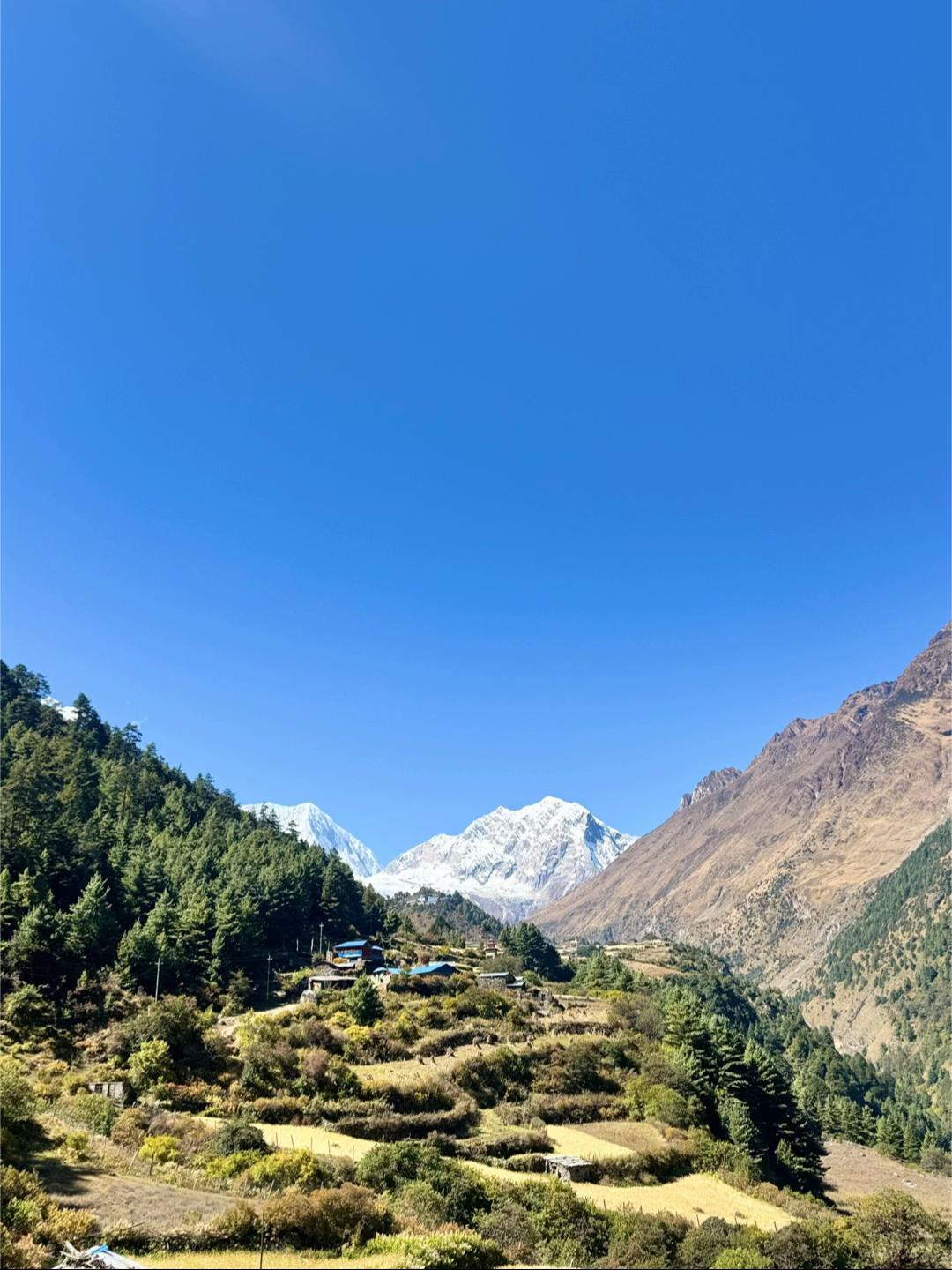
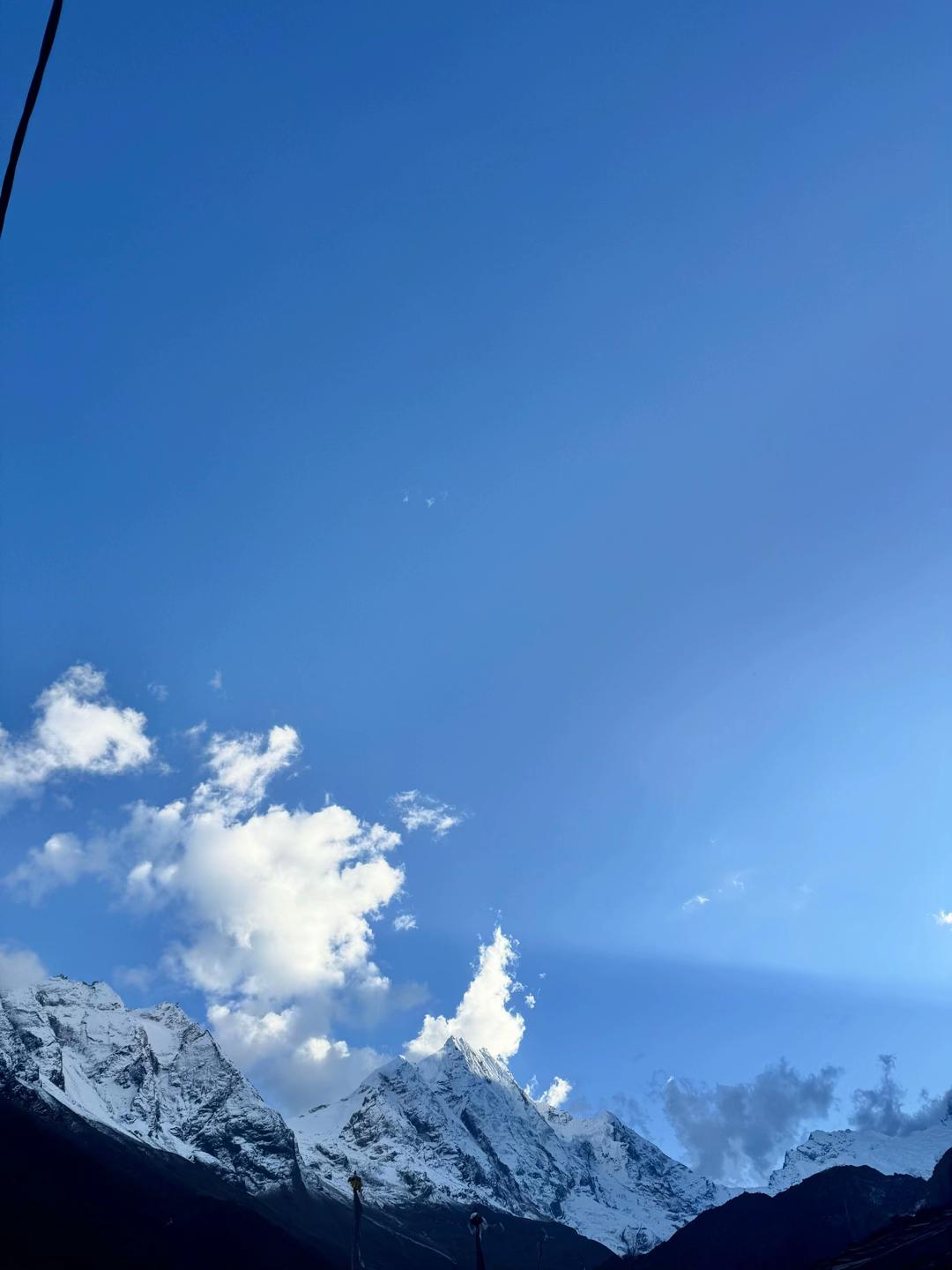
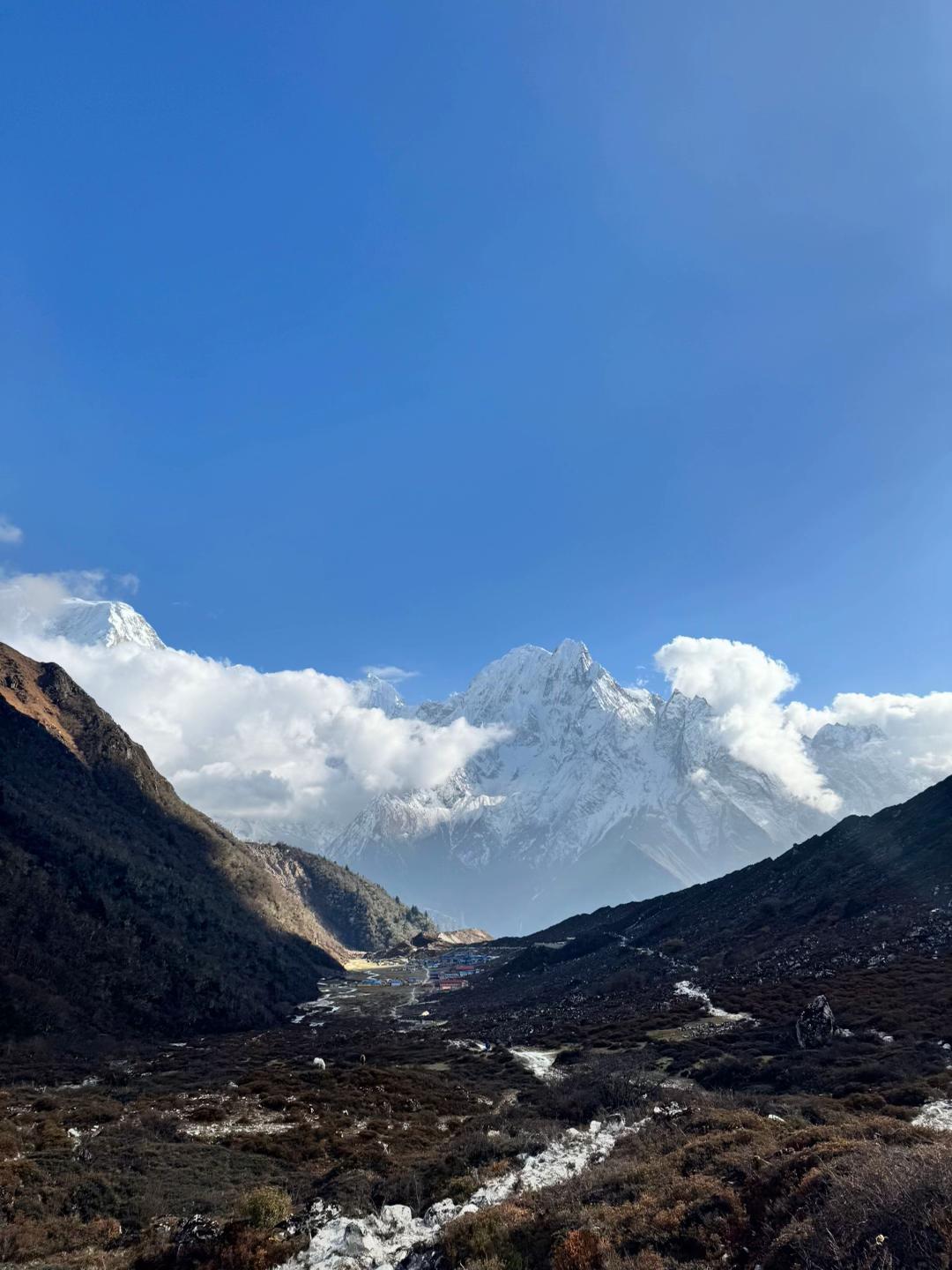
Step into the untouched wilderness of the Himalayas on the Manaslu Circuit, an 18-day journey that promises adventure, culture, and breathtaking scenery. Begin in the bustling capital of Kathmandu, where ancient temples, colorful markets, and Himalayan hospitality set the stage for your trek. After obtaining the necessary Manaslu Restricted Area Permits, you’ll embark on a scenic drive to Soti Khola, where the trail begins. From riverside villages to dense rhododendron forests, each day introduces you to stunning landscapes and authentic Tibetan-influenced culture. Cross wooden suspension bridges, enjoy hot springs at Tatopani, and ascend terraced hills with views of Shringi Himal and Mount Manaslu looming above. High-altitude highlights include Sama Gompa, the serene village at the base of glaciers, and the Larkya La Pass (5160m), offering panoramic vistas of Himlung Himal, Cheo Himal, Kangguru, and Annapurna II. Explore alpine meadows, moraines, and glacial valleys while staying in cozy tea houses and occasional high-altitude shelters. The descent through Bimtang, Tilche, and Dharapani leads you back to civilization, concluding with a reflective bus ride to Kathmandu. Along the way, immerse yourself in the warm hospitality of local communities, savor traditional cuisine, and experience one of Nepal’s most exclusive trekking routes. Whether you are a moderately-fit adventurer or a seasoned trekker, this journey promises pristine nature, cultural discovery, and memories that will last a lifetime.

Destination
Nepal
Activities
Trekking
Group size
Min 1+
Max. elevation
5,160 m / 16,929 ft
Best season
February – June & September – January
Starts and ends
Kathmandu / Kathmandu
Transportation
Private Jeep and Domestic round Air transfer
Accommodation

 Tourist-Level Hotel And Tea- House's Lodge

Meals
B/LD

Highlights

  1. Breathtaking Mountain Views 🏔️
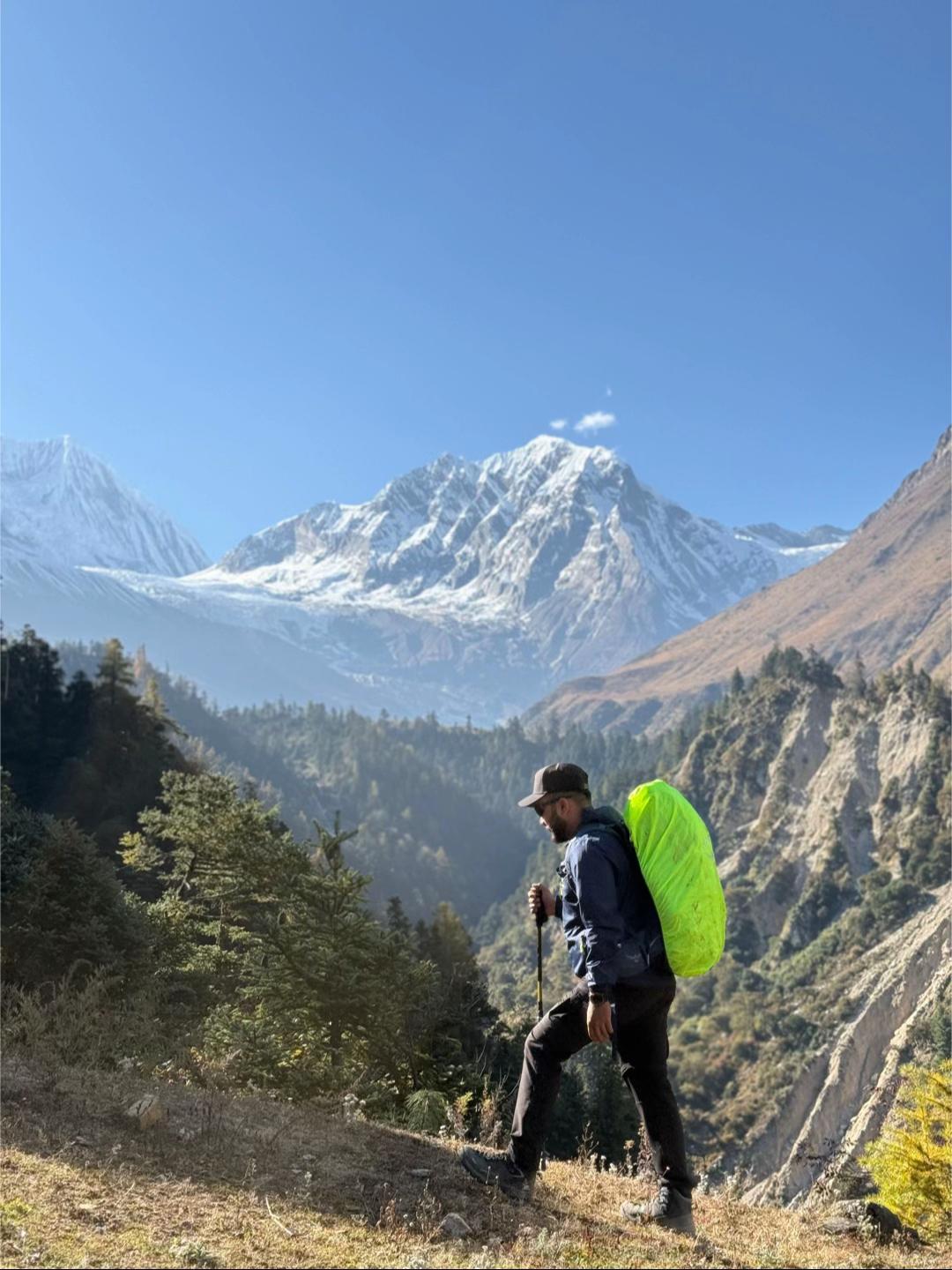
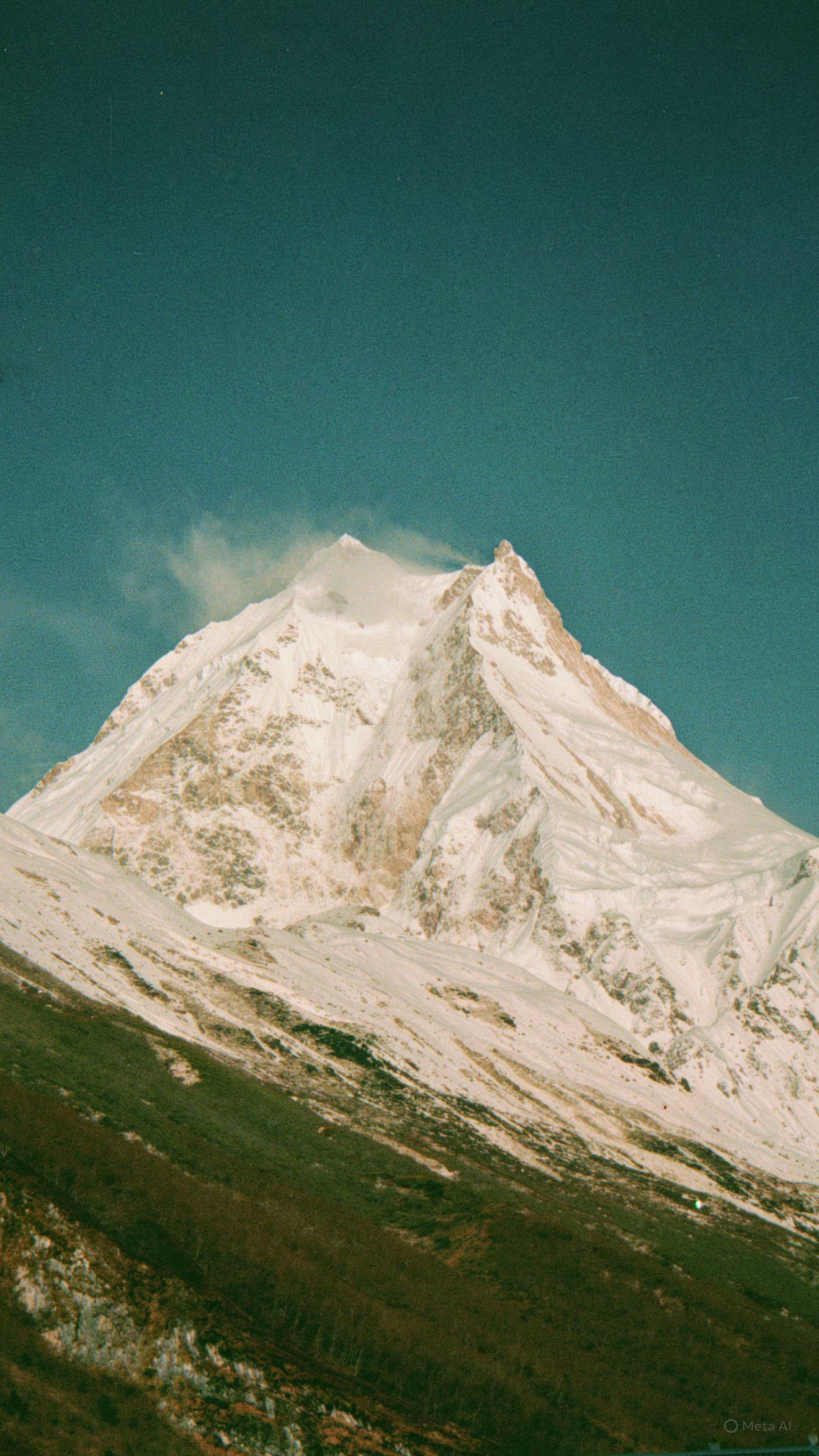
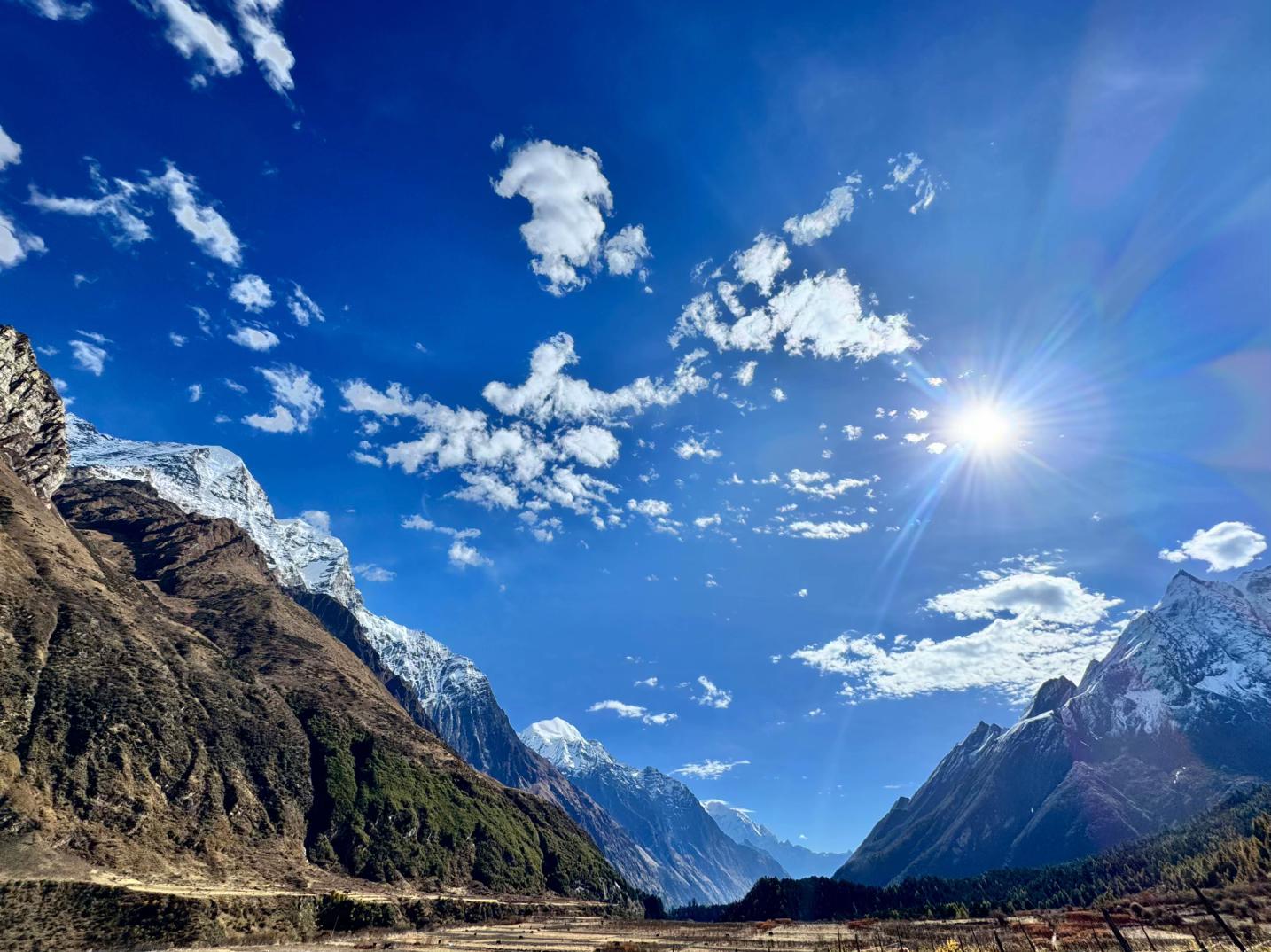
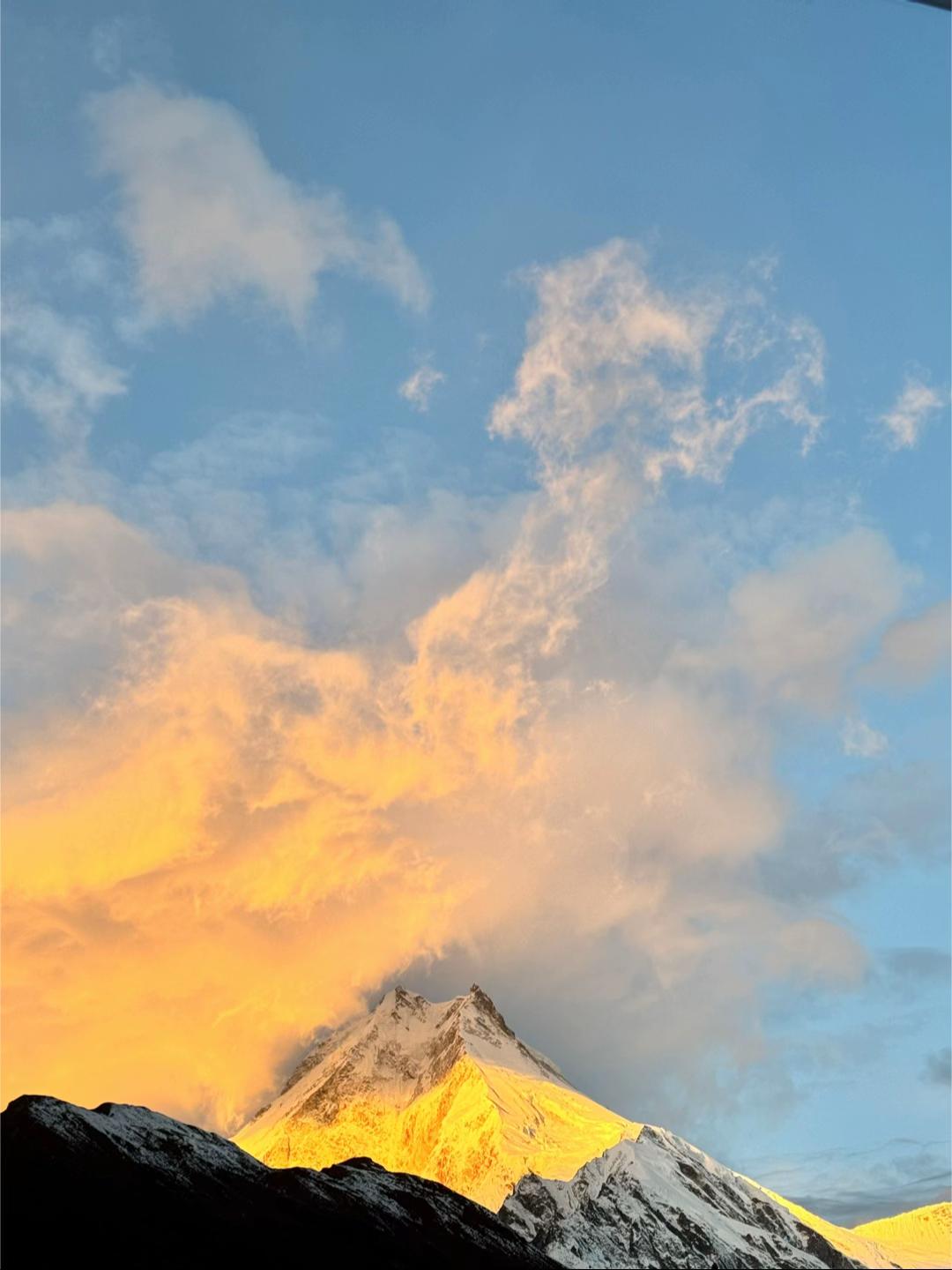
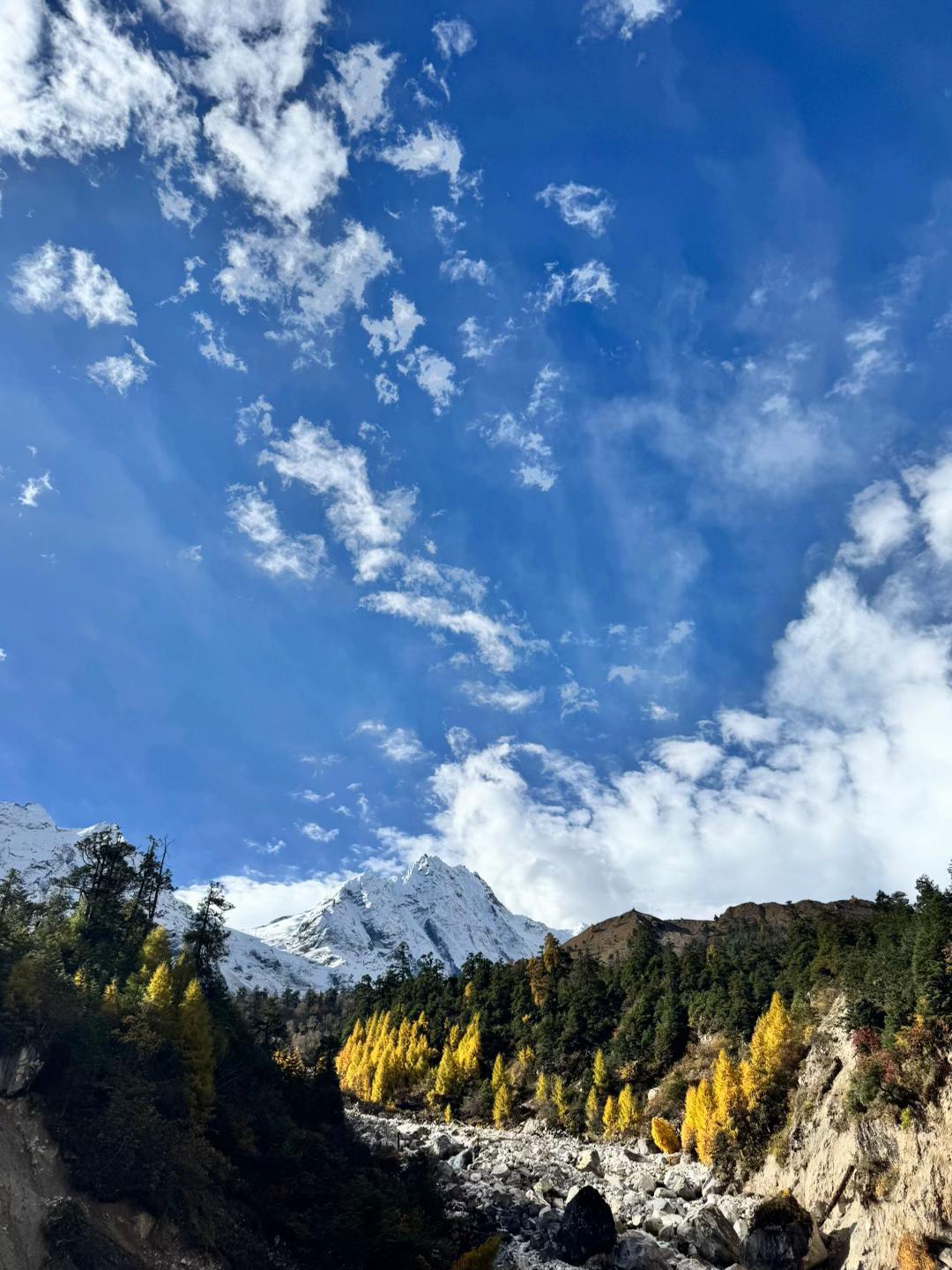
    • Marvel at Mount Manaslu (8,163 m), the 8th highest peak in the world.
    • Enjoy panoramic views of surrounding Himalayan giants like Himalchuli, Ngadi Chuli, and Shringi Himal.
  2. Diverse Trekking Terrain 🌳❄️
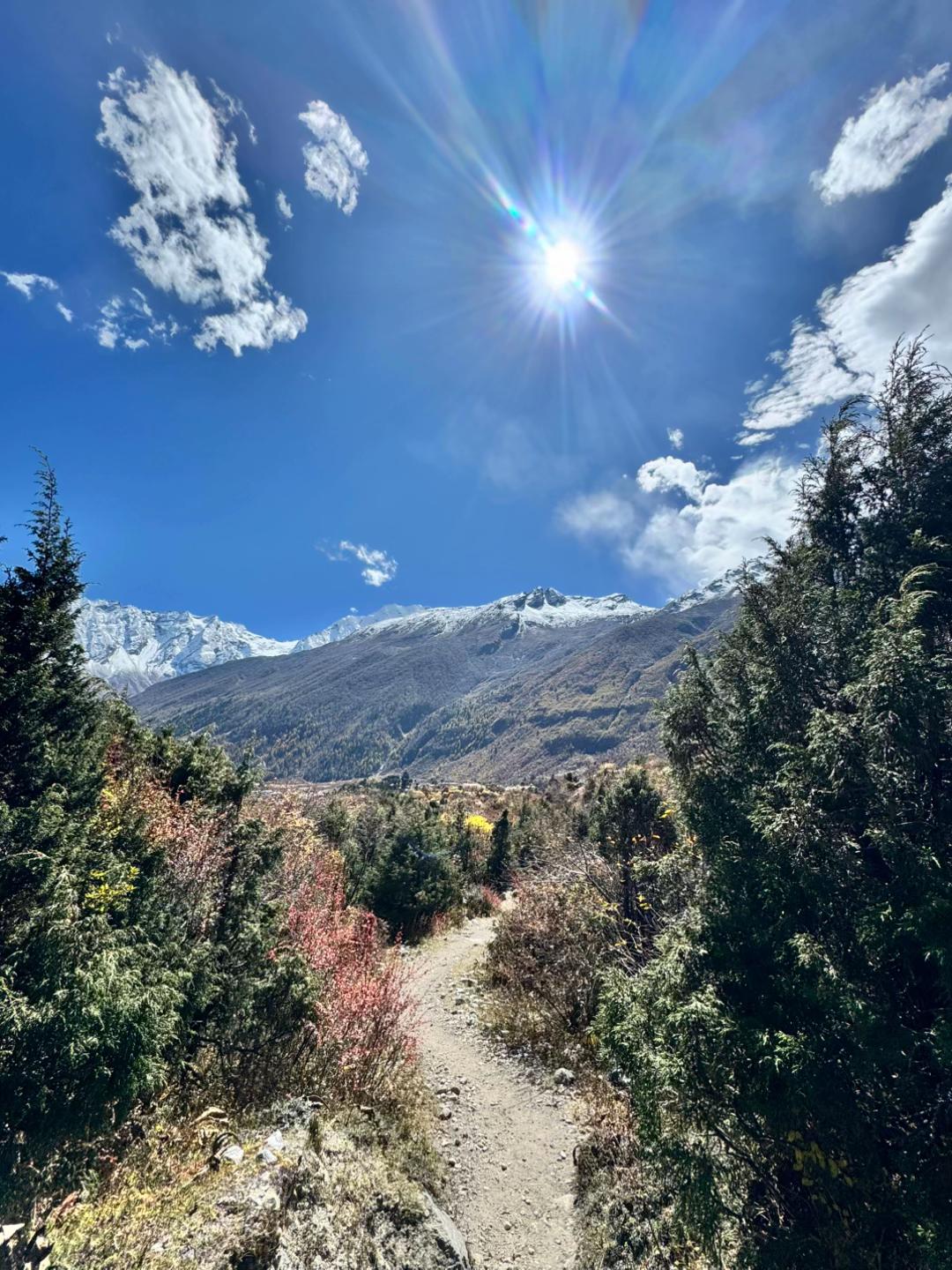
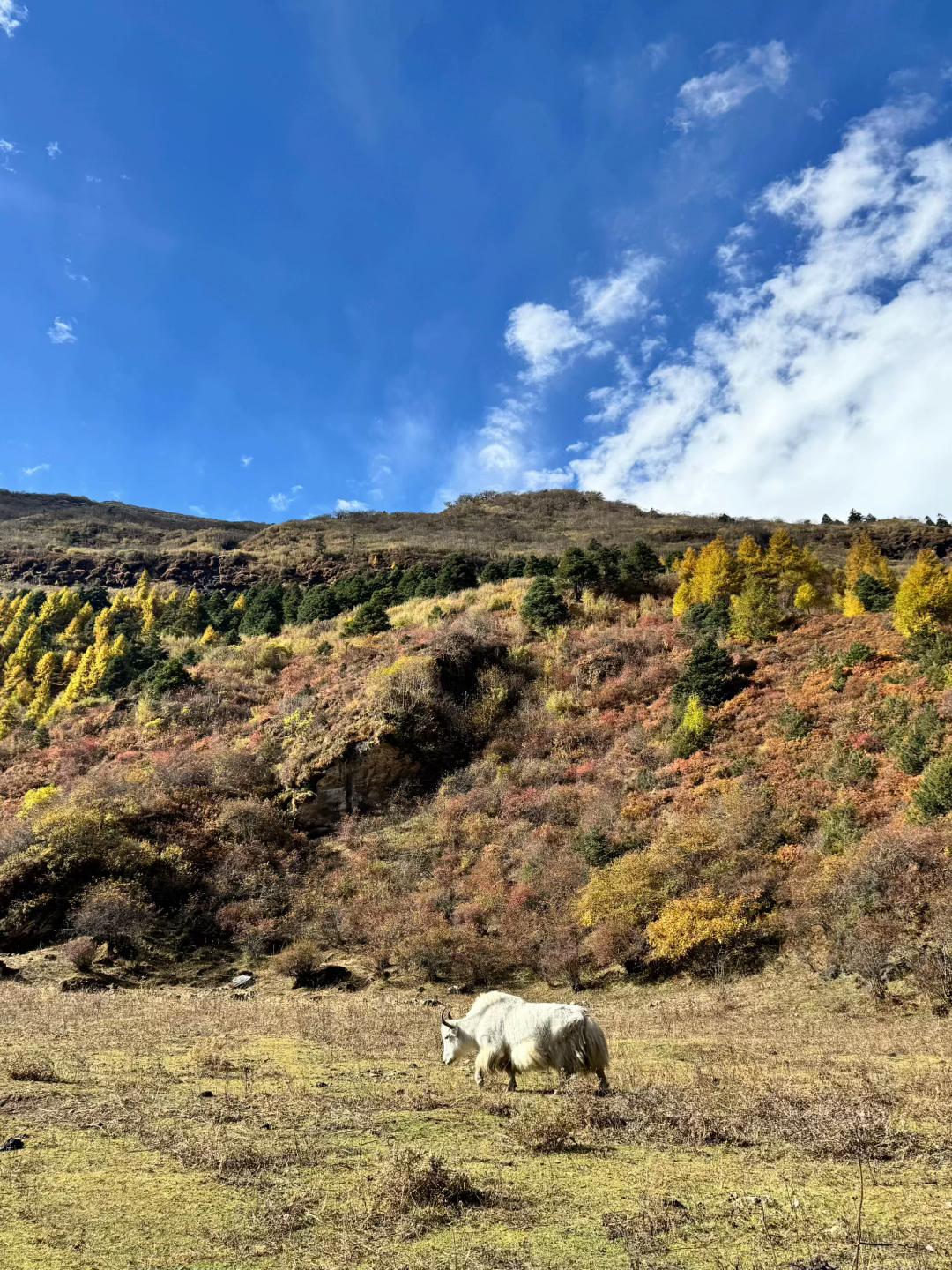
    • Walk through lush rhododendron forests, bamboo groves, and terraced farmlands.
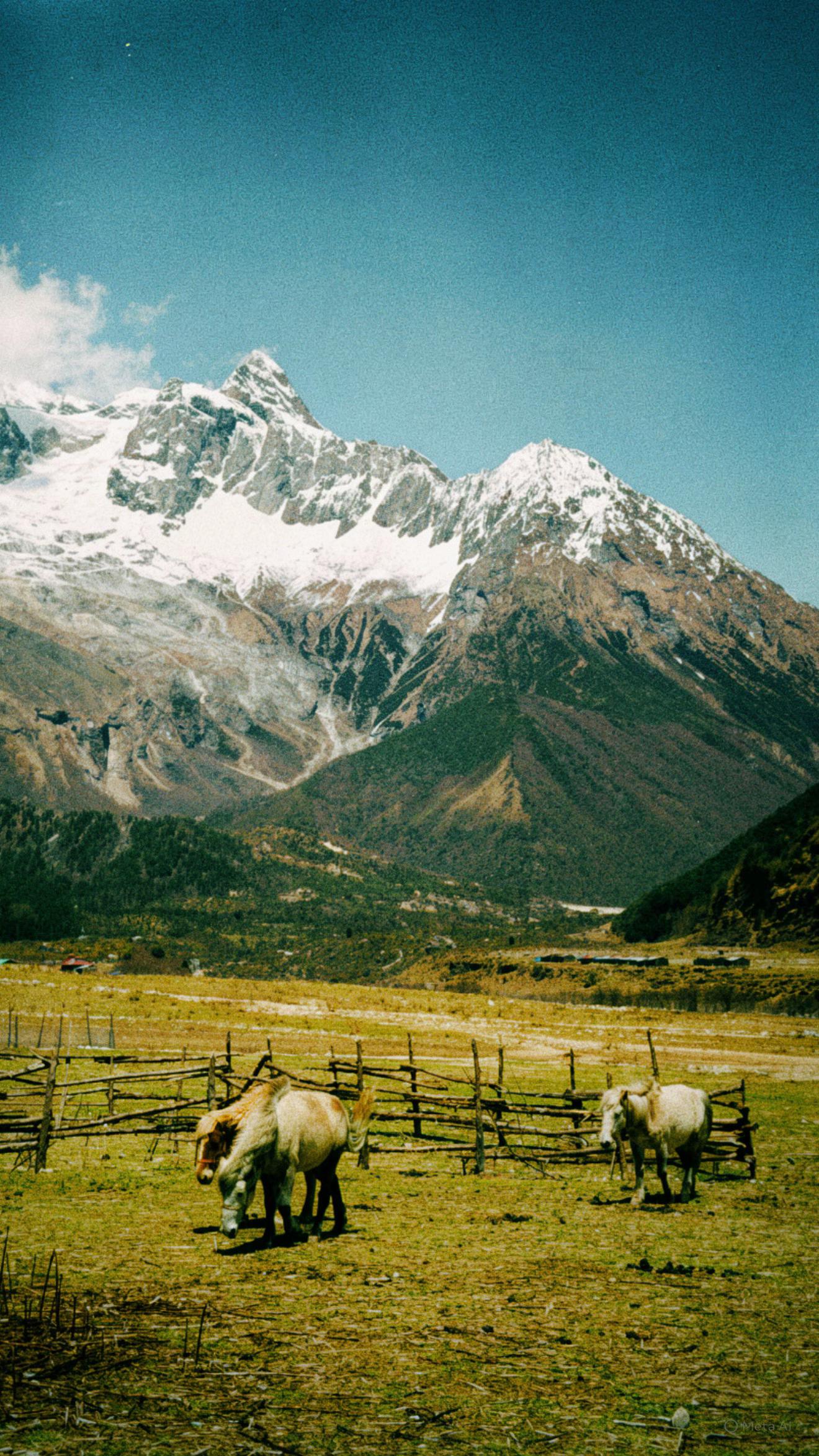
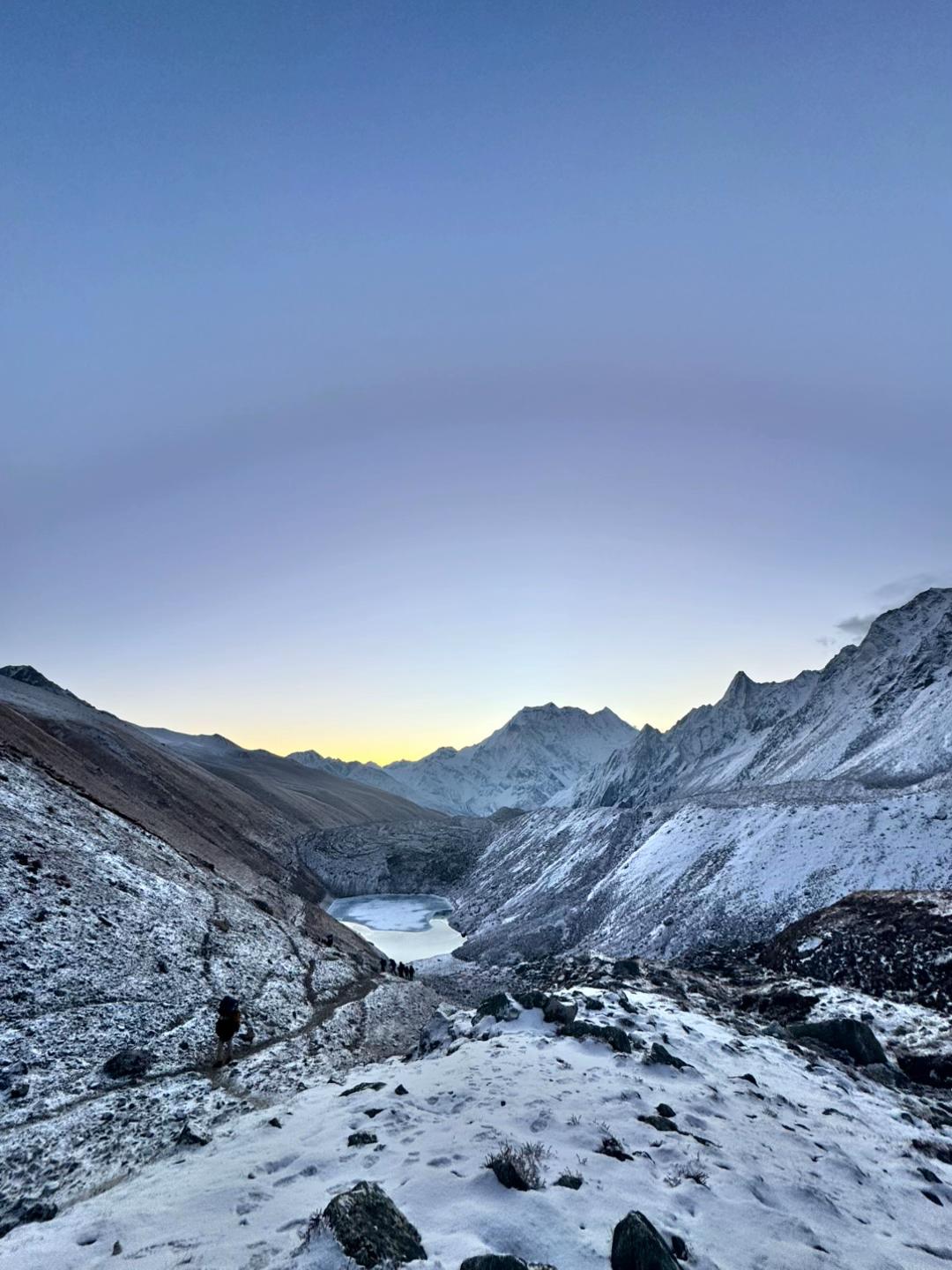
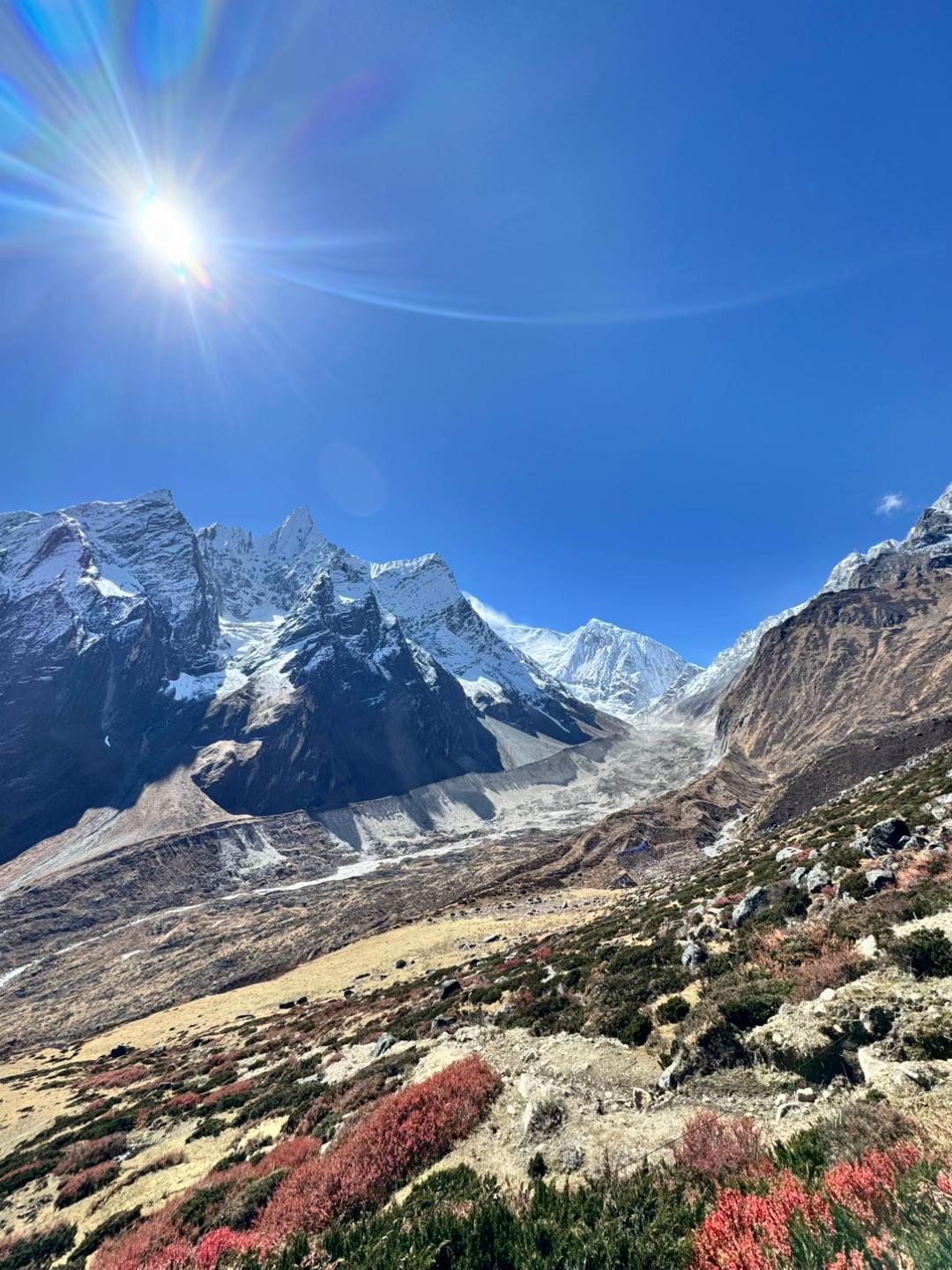
    • Traverse alpine meadows, high mountain passes, and glacial valleys for an ever-changing landscape.
  3. Cultural Encounters 🛖
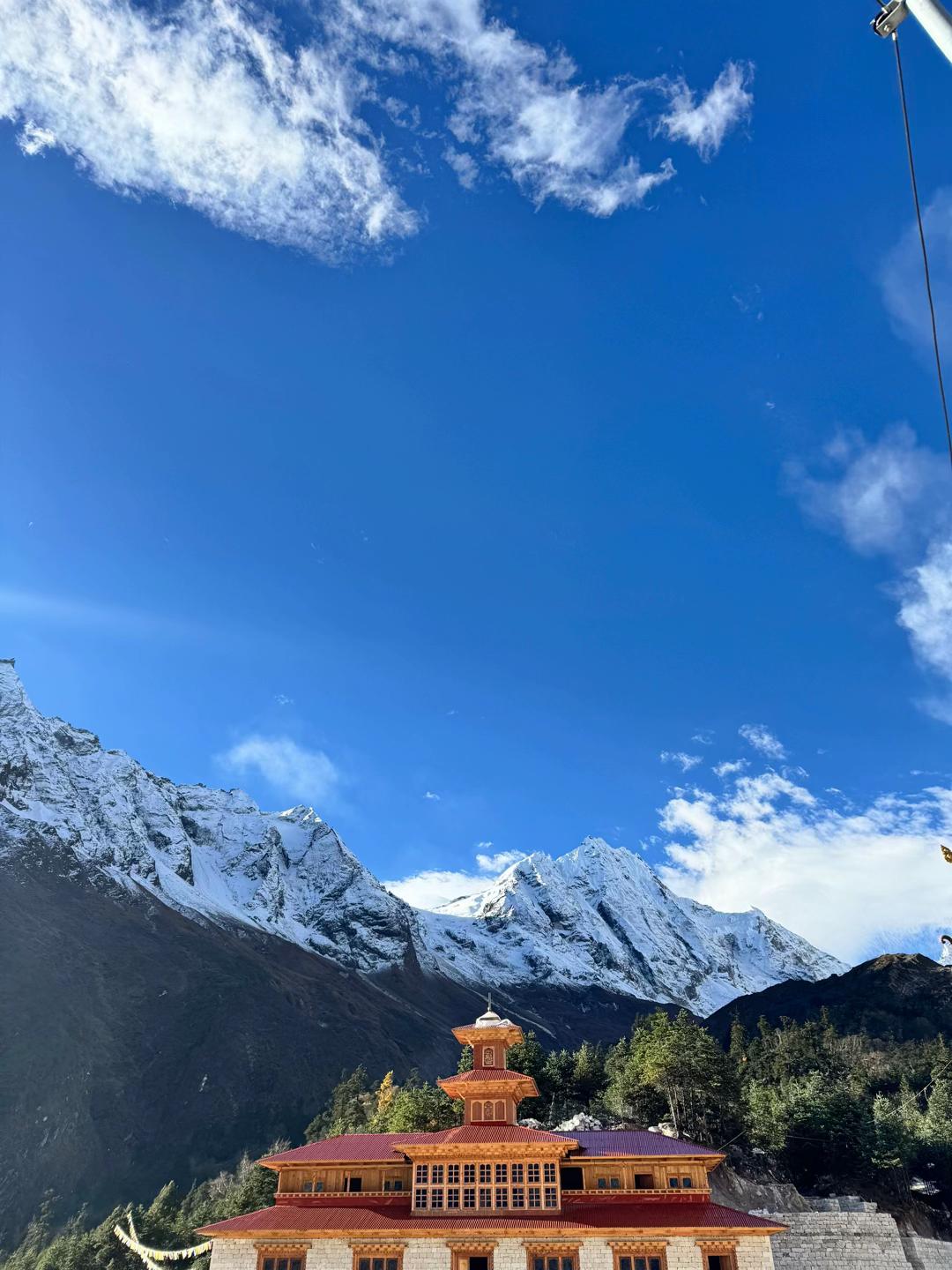
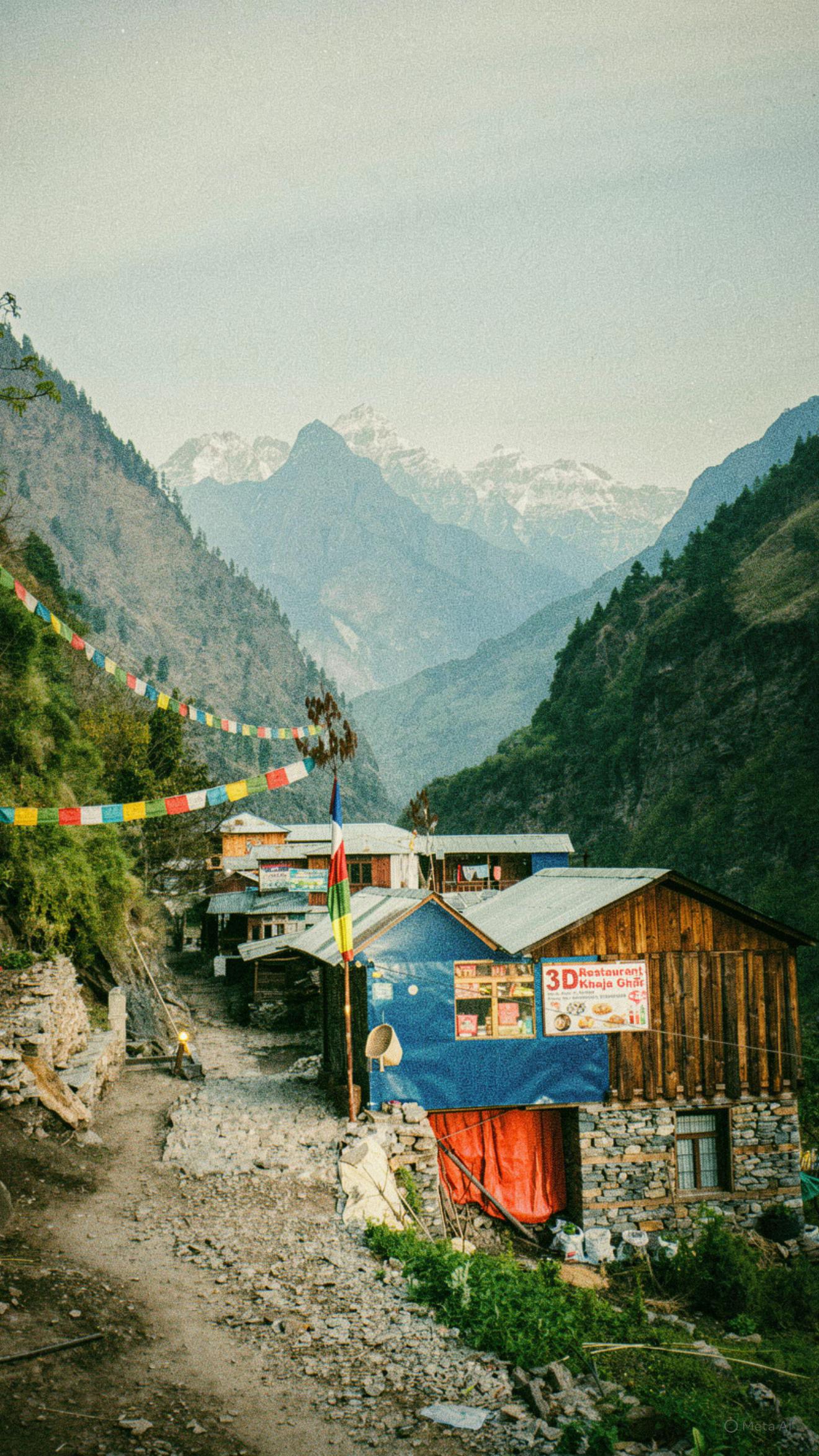
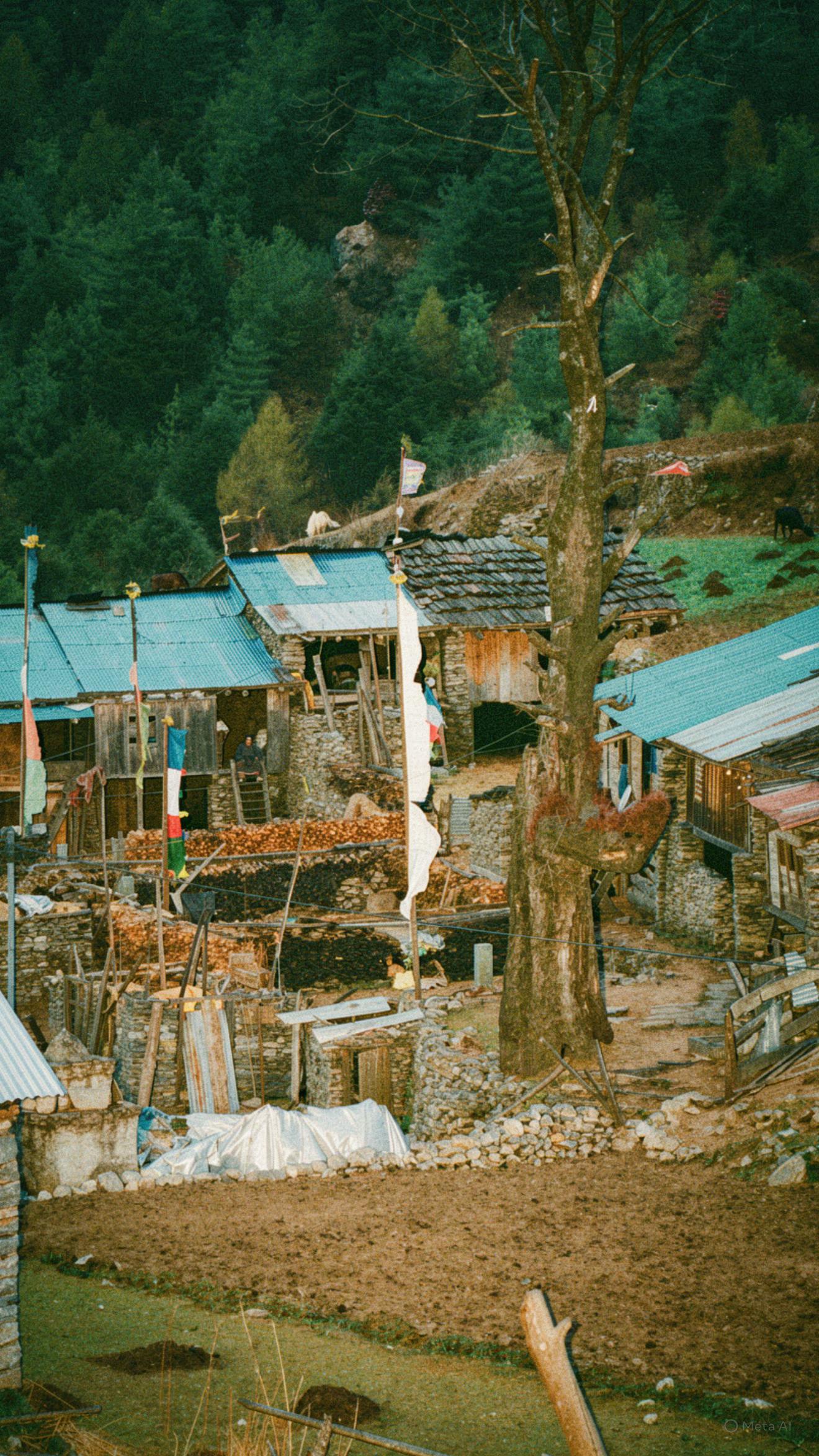
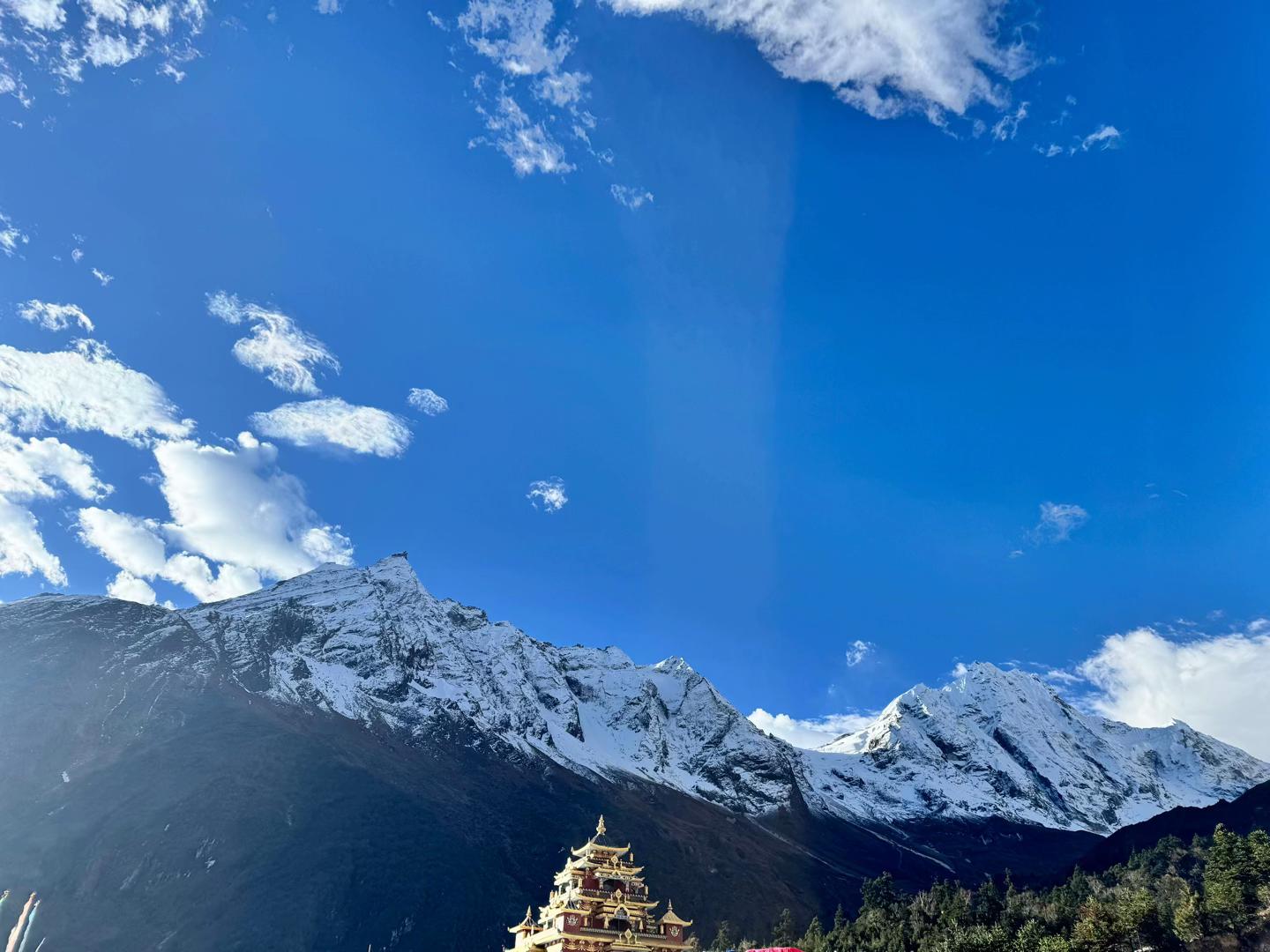
    • Visit remote villages where traditional Tibetan-Buddhist culture thrives.
    • Witness local festivals, monasteries, and homestays offering authentic Nepali hospitality.
  4. Pristine Wilderness & Seclusion 🌿
    • Experience the untouched beauty of one of Nepal’s least-touristed trekking routes.
    • Avoid crowded trails and enjoy serene landscapes that feel entirely your own.
  5. Adventure & Challenges 🚶‍♂️
    • Moderate trekking difficulty suitable for moderately-fit adventurers.
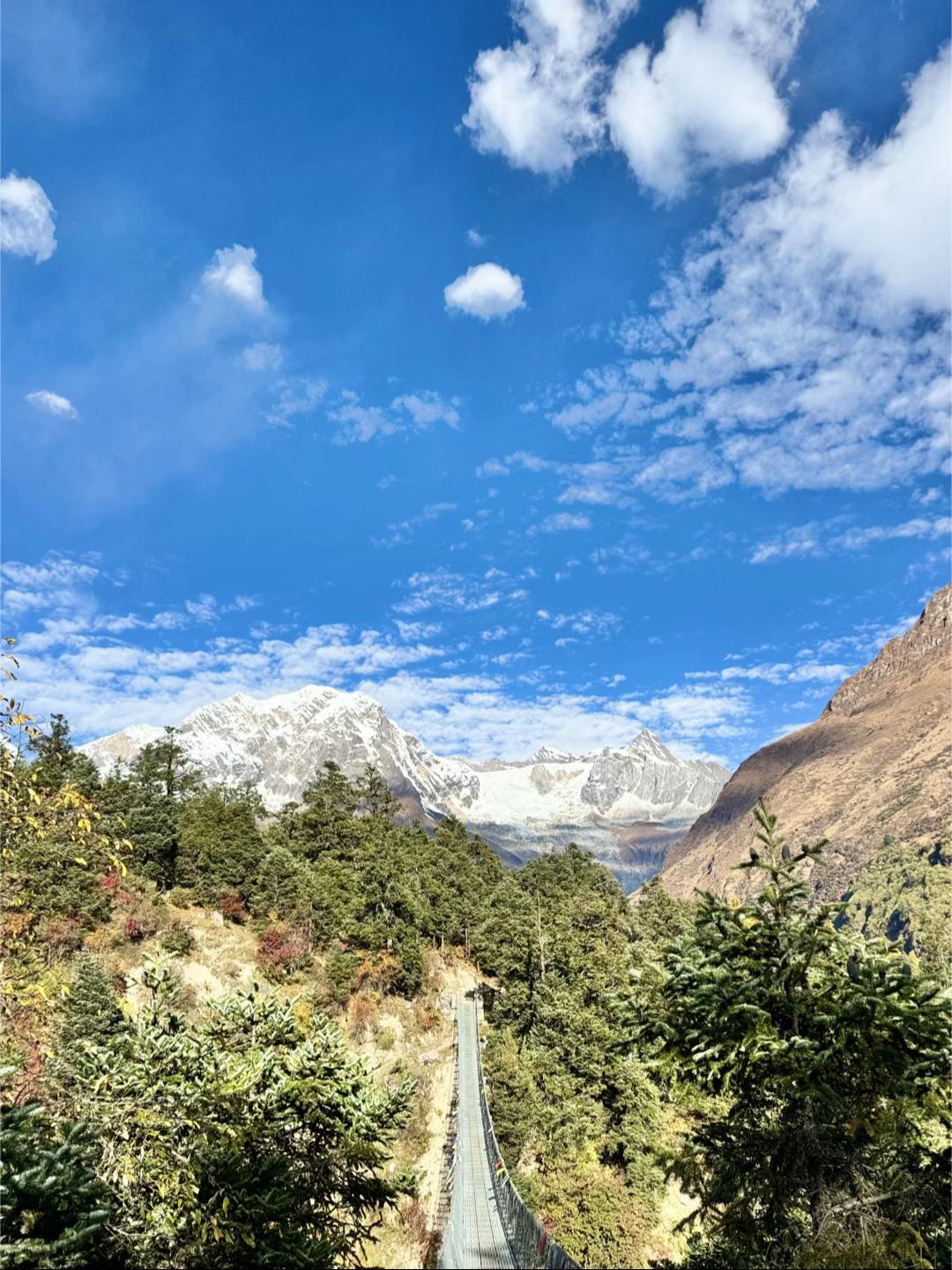
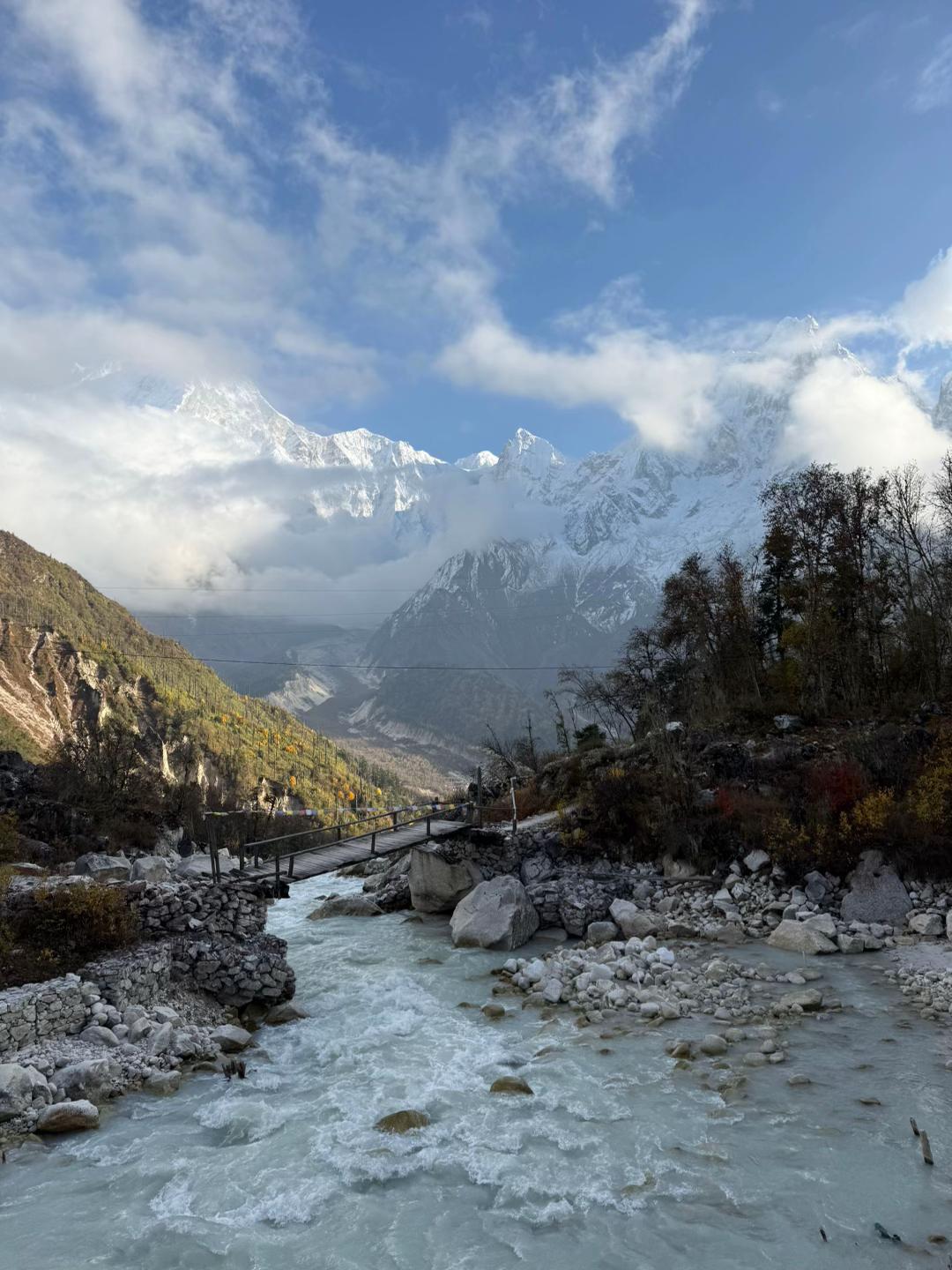
    • Cross high-altitude passes, wooden suspension bridges, and fast-flowing glacial rivers.
  6. Permit-Only Exclusive Route 🎫
    • Restricted access ensures minimal environmental impact and a unique, exclusive trekking experience.
    • Guided treks with Karnali Rafting and Adventure Pvt. Ltd. take care of all permits, logistics, and safety.
  7. Photography & Nature 📸
    • Capture stunning sunrise and sunset views over Himalayan peaks.
    • Spot unique flora and fauna, including alpine flowers, Himalayan birds, and occasional wildlife.

Overview

If you’re craving a Himalayan adventure far from the usual tourist trails, the Manaslu trekking circuit is your ultimate escape. Opened to trekkers only since 1991, this restricted route offers a rare glimpse into pristine landscapes and authentic local culture, making it a perfect choice for those who want to experience Nepal’s mountains in their purest form.

Why Choose the Manaslu Circuit?

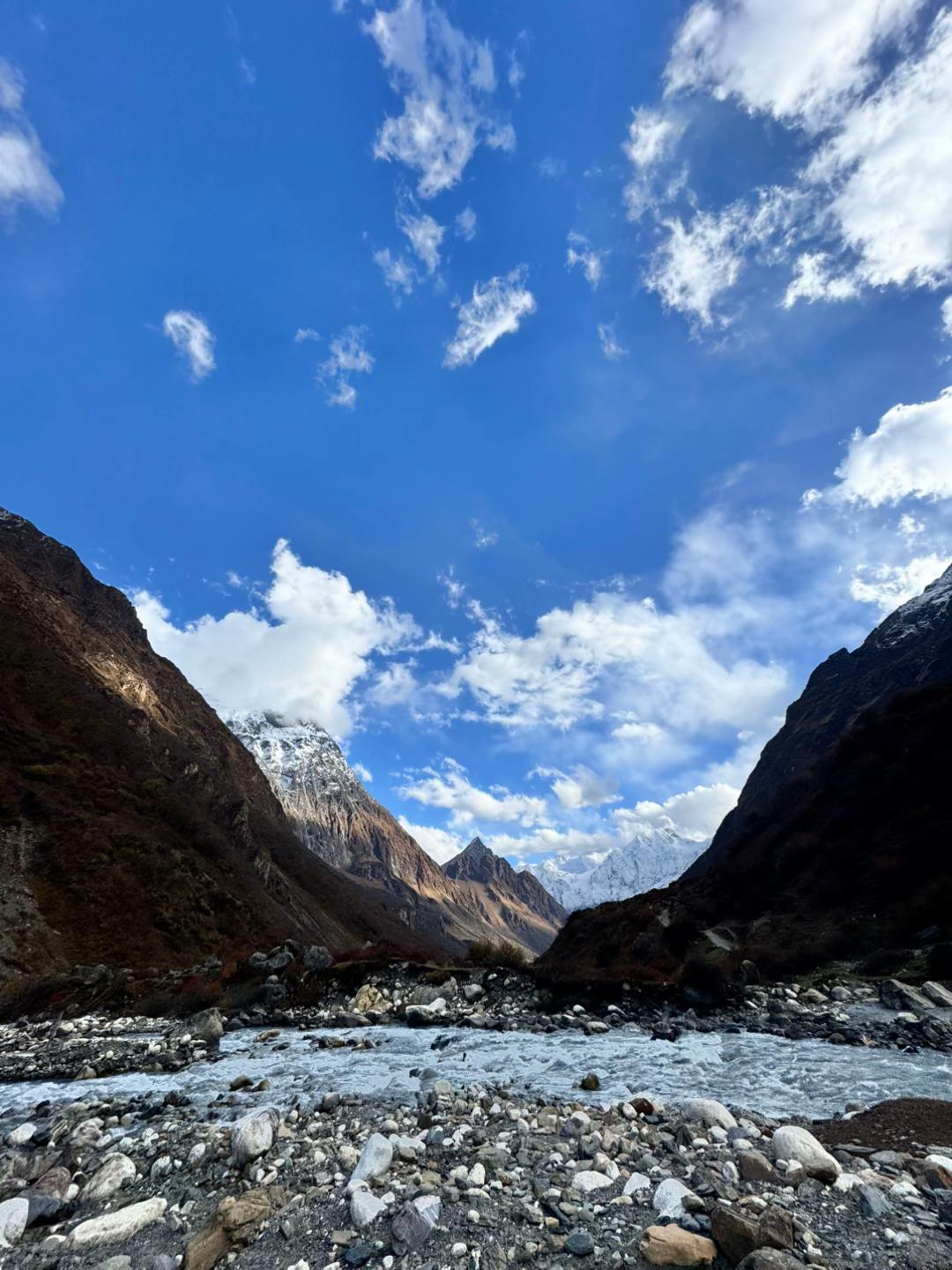
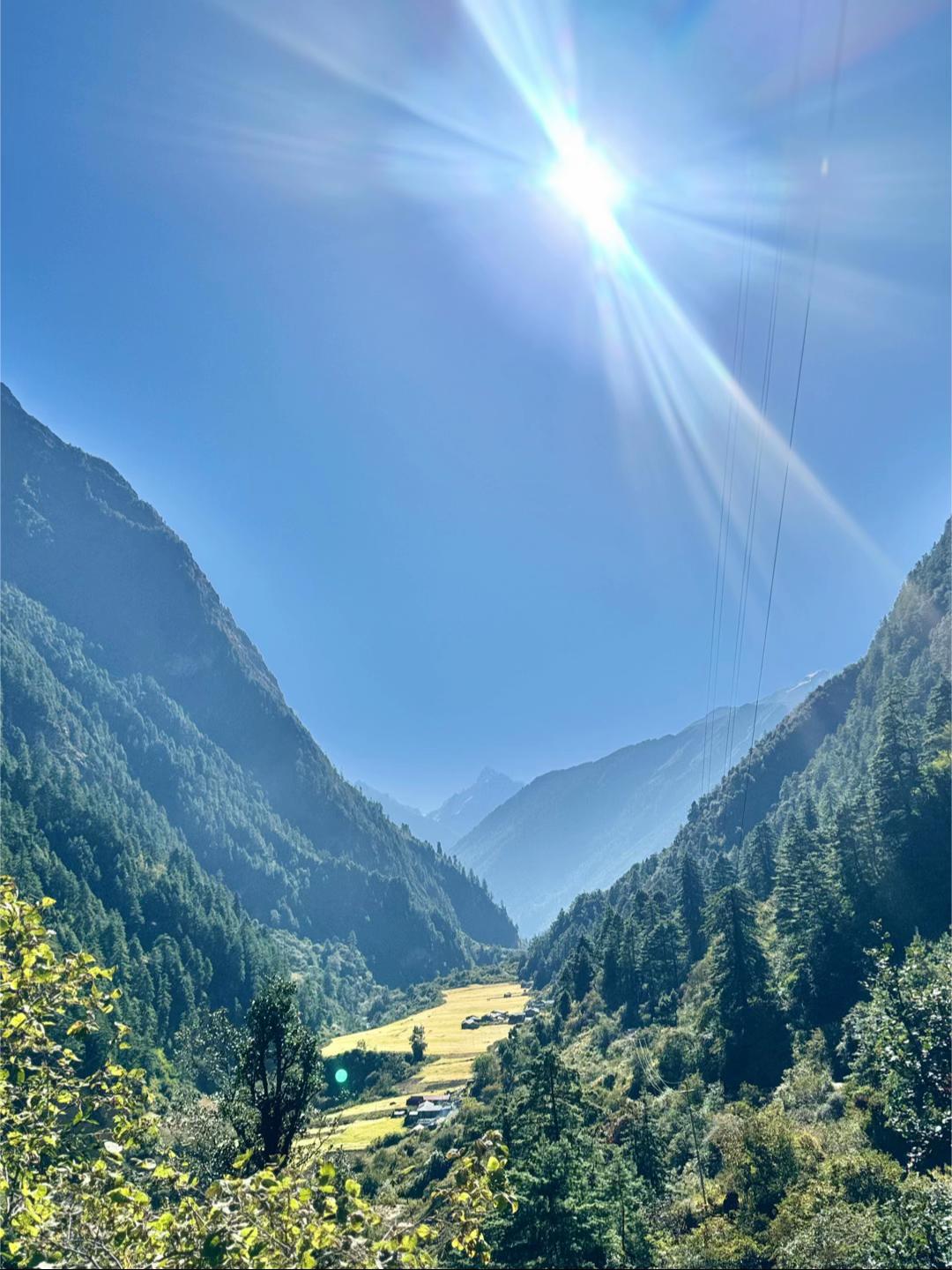
The Manaslu region, bordering Nepal and Tibet, is famed for its spectacular scenery: soaring snow-capped peaks, serene valleys, and untouched villages where traditional lifestyles thrive. The trek is carefully designed to offer maximum visual diversity, from lush subtropical forests to high-altitude alpine meadows, without overwhelming moderately-fit adventurers. Thanks to its thoughtful itinerary, altitude sickness concerns are minimized, making it an accessible choice for most trekkers.

Experience a Trek Like No Other

At Karnali Rafting and Adventure Pvt. Ltd., we specialize in providing fully-guided treks that combine adventure with comfort and safety. Our Manaslu trek includes:

  • Stunning Panoramas: Each day brings new views of iconic peaks like Mount Manaslu, along with lesser-known but equally breathtaking ridges and passes.
  • Cultural Encounters: Walk through remote villages, witness traditional rituals, and meet the warm-hearted locals who call these highlands home.
  • Diverse Terrain: From river valleys to high mountain passes, our route ensures a mix of trekking experiences without overexertion.

Restricted Access for an Exclusive Experience

The Manaslu circuit is a permit-only route, preserving the area’s pristine environment and authentic lifestyle. Trekking with a licensed operator like Karnali Rafting and Adventure Pvt. Ltd. ensures that you comply with all regulations while enjoying a seamless journey through one of the Himalayas’ most spectacular regions.

Highlights of the Trek

  • Lush Forests & Alpine Landscapes: Traverse rhododendron forests, bamboo groves, and high-altitude meadows.
  • Traditional Villages: Experience authentic rural Nepali culture with warm homestays and local cuisine.
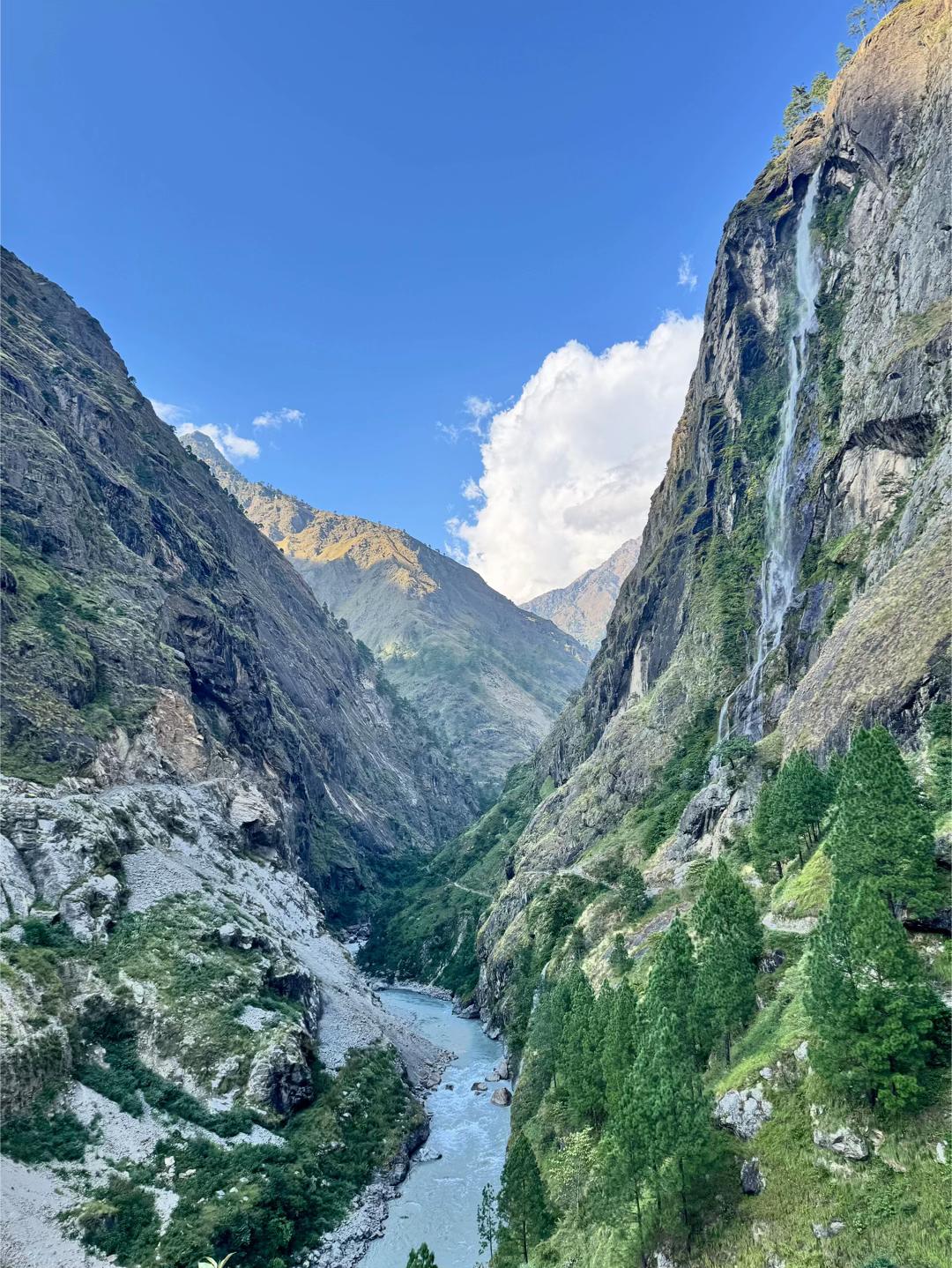
  • Scenic River Crossings & Glacial Views: Cross wooden suspension bridges and marvel at glacial rivers sculpting the landscape.
  • Moderate Difficulty: Ideal for trekkers with moderate fitness levels, minimizing high-altitude health risks.

Why Trek with Karnali Rafting and Adventure Pvt. Ltd.?

Our experienced guides, careful route planning, and small-group approach make us the preferred choice for adventurers seeking a safe, enriching, and unforgettable journey. We manage all logistics, including permits, accommodations, and transport, so you can focus entirely on the trek and the breathtaking views around you.

Embark on your Manaslu adventure today and discover the untouched charm of the Himalayas. Trekking with Karnali Rafting and Adventure Pvt. Ltd. isn’t just a trip; it’s a journey into the heart of Nepal’s natural and cultural treasures.

Important Note

  • Restricted Area: The Manaslu Circuit is a permit-only trekking region; independent trekking is not allowed.
  • Altitude Consideration: Maximum altitude is 5,160m at Larkya La Pass. Acclimatization is essential to avoid altitude sickness.
  • Fitness Requirement: Suitable for moderately-fit trekkers; some prior trekking experience is recommended.
  • Weather Conditions: Best seasons are Autumn (Sept–Nov) and Spring (Mar–May). Avoid monsoon (Jun–Aug) due to landslides and slippery trails.
  • Accommodation: Tea houses and stone shelters are basic; bring a sleeping bag suitable for cold nights.
  • Travel Insurance: Mandatory, including high-altitude trekking and emergency evacuation coverage.
  • Packing: Use layered clothing and limit backpack weight to 10–12 kg. Bring trekking poles, warm gloves, and UV protection.
  • Health & Safety: Follow guides’ advice, stay hydrated, eat high-energy meals, and report any altitude sickness symptoms immediately.
  • Cultural Respect: Villages are predominantly Tibetan Buddhist; dress modestly and respect local customs.
  • Connectivity: Mobile and internet signals are limited along the trail; some tea houses may offer Wi-Fi for a fee.

Trip Itinerary

Embark on a once-in-a-lifetime adventure along the Manaslu Circuit, one of Nepal’s most pristine and restricted trekking routes. Managed by Karnali Rafting and Adventure Pvt. Ltd., this trek blends spectacular Himalayan scenery, authentic culture, and manageable trekking for moderately-fit adventurers.

Manaslu Trek Overview (18 Days) – Short Points

  • Day 1 – Arrival in Kathmandu: Airport pickup, transfer to hotel, settle in.
  • Day 2 – Kathmandu: Free day, permit processing, trekking briefing.
  • Day 3 – Kathmandu to Soti Khola: Bus to Arughat, start trek along Soti River.
  • Day 4 – Soti Khola to Machha Khola: Forest trails, river valleys, traditional villages.
  • Day 5 – Machha Khola to Jagat: Cross rivers, optional Tatopani hot springs, changing landscapes.
  • Day 6 – Jagat to Dyang: Ascend terraced hills, panoramic Himalayan views.
  • Day 7 – Dyang to Namrung: Tibetan culture, mani stones, small villages.
  • Day 8 – Namrung to Lho Gaon: Glacier views, Pungen Glacier side trek, Manaslu vistas.
  • Day 9 – Lho Gaon to Sama Gompa: Glacier moraines, high-altitude village.
  • Day 10 – Sama Gompa: Rest/acclimatization day, explore local culture.
  • Day 11 – Sama Gompa to Samdo: Larkya La trail, forest shelves, mani walls.
  • Day 12 – Samdo to Dharmashala: Streams, glacier views, stone shelter overnight.
  • Day 13 – Dharmashala to Bimtang: Cross Larkya La Pass (5160m), alpine meadows, mountain panoramas.
  • Day 14 – Bimtang to Tilche: Pleasant riverside descent, village views.
  • Day 15 – Tilche to Jagat: Villages, stone arches, enter Annapurna Circuit section.
  • Day 16 – Jagat to Bhulbhule: Easy riverside walk to Bhulbhule.
  • Day 17 – Bhulbhule to Kathmandu: Long scenic bus ride, arrive back in the capital.
  • Day 18 – Kathmandu Departure: Airport transfer and farewell from Nepal.
  • Welcome at Tribhuvan International Airport.
  • Transfer to your hotel and settle in.
  • First glimpses of Kathmandu: vibrant streets, historic temples, and local culture.
Manaslu Circuit Trek 18 Days Max. altitude 1,340m / 4,396ft.
  • Free day to rest, explore, and prepare.
  • Obtain the special restricted area permit required for the Manaslu region.
  • Afternoon briefing with guides to review trekking plans and safety measures.
  • Early morning departure for Arughat via bus.
  • Scenic, partially off-road journey over rugged terrain.
  • Trek begins along the Soti River, arriving at your first riverside campsite.
  • Trek along forested trails with colorful blooms and small villages like RidenGaon.
  • Follow the Budhi Gandaki River, arriving at Machha Khola for an overnight stay.
  • Cross Machha Khola and Kharola Besi.
  • Optional stop at Tatopani Hot Springs for a relaxing soak.
  • Trek through forests and riverside paths, witnessing changing landscapes and increasing elevation.
  • Ascend the terraced hill of Saguleri, with stunning views of Shringi Himal.
  • Pass through Sirish Gaon and navigate narrowing valley trails to reach Dyang.
  • Follow the Deng River to a small village of four houses.
  • Pass through Ghap, featuring Tibetan cultural sites with mani stones and chortens.
  • Trek to Sho Village, enjoying panoramic views of Naike, Manaslu North, and Manaslu.
  • Optional side trek to Pungen Glacier for spectacular mountain photography.
  • Follow lateral glacier moraines to Sama Village.
  • Continue to Sama Gompa campsite, surrounded by breathtaking peaks.
  • Acclimatization day to reduce altitude sickness risks.
  • Explore the village, interact with locals, or simply relax and enjoy the serene mountain environment.
  • Descend to Budhi Gandaki River, cross side streams, and follow the Larkya La Trail.
  • Trek through juniper and birch forests and pass traditional mani walls before reaching Samdo.
  • Trek across wooden bridges and gradually climb along streams.
  • Enjoy views of Larkya Glacier and reach Dharmashala, a high-altitude stone shelter.
  • Time for acclimatization and relaxation before the challenging pass.
  • Cross Larkya Pass, one of the highlights of the trek.
  • Marvel at views of Cho Danda, Larkya Peak, Himlung Himal, Cheo Himal, Kangguru, and Annapurna II.
  • Descend to Bimtang, surrounded by alpine meadows and majestic mountains.
  • Gradual descent along riverside trails.
  • Enjoy picturesque views of Chamje Village and Himalpani en route.
  • Trek over a small ridge along a stone-paved path.
  • Pass Dudh Khola, a chorten arch, mani walls, and Thonje Village.
  • Enter the Annapurna Circuit section from Dharapani.
  • Easy, pleasant walk along the Marshyangdi River.
  • Reach the town of Bhulbhule for overnight stay.
  • Long bus ride back to Kathmandu.
  • Reflect on your journey and enjoy a comfortable hotel stay with amenities after the trek.
  • Transfer to Tribhuvan International Airport.
  • Bid farewell to Nepal with unforgettable memories and breathtaking photographs.
Not satisfied with this itinerary? Make your own.
Plan My Trip

Need To Know

1. Trek Overview

  • Location: Gandaki Province, Nepal, along the Nepal-Tibet border.
  • Route: Kathmandu → Arughat → Soti Khola → Machha Khola → Jagat → Dyang → Namrung → Lho Gaon → Sama Gompa → Larkya La Pass → Bimtang → Tilche → Dharapani → Jagat → Kathmandu.
  • Duration: 18 days.
  • Maximum Altitude: 5,160m (Larkya La Pass).
  • Difficulty: Moderate to challenging; suitable for moderately-fit trekkers.

2. Permits & Regulations

  • Manaslu is a restricted area; trekking requires a Manaslu Restricted Area Permit and TIMS card.
  • Only licensed trekking operators like Karnali Rafting and Adventure Pvt. Ltd. can organize treks here.
  • Independent trekking is not allowed.

3. Best Time to Trek

  • Autumn (Sept–Nov): Clear skies, great mountain views, and stable weather.
  • Spring (Mar–May): Blooming rhododendrons, pleasant temperatures, and cultural festivals.
  • Avoid Monsoon (Jun–Aug): Heavy rainfall, slippery trails, and landslides.

4. Accommodation & Food

  • Tea houses provide basic lodging: bed, blankets, and shared or attached toilets.
  • Stone shelters/tents may be used at high altitudes like Dharmashala or Bimtang.
  • Full-board meals are included during trekking days; food includes Nepali, Tibetan, and international dishes.
  • Bring snacks and water purification tablets as backups.

5. Health & Safety

  • Altitude sickness is a risk above 3,500m. Acclimatization days are built into the itinerary.
  • Stay hydrated, eat high-energy meals, and follow your guide’s advice.
  • Travel insurance covering high-altitude trekking and emergency evacuation is mandatory.
  • First-aid kits and oxygen are carried by guides; major medical facilities are available in Kathmandu.

6. Trekking Gear & Packing

  • Essential clothing: Thermal layers, fleece jacket, insulated down jacket, waterproof outerwear.
  • Footwear: Sturdy trekking boots, camp shoes, moisture-wicking socks.
  • Equipment: Daypack, trekking poles, headlamp, sunglasses, sleeping bag (-10°C recommended), water bottles/hydration system.
  • Keep backpack weight to 10–12 kg for comfort.

7. Connectivity & Communication

  • Mobile network coverage is limited; some tea houses may provide Wi-Fi for a fee.
  • Carry a power bank for electronic devices.

8. Cultural Etiquette

  • Respect Tibetan Buddhist villages, dress modestly, and ask before taking photographs.
  • Be mindful of local customs, especially in monasteries and during festivals.

9. Physical Preparation

  • Recommended: 2–3 months of cardio, strength training, and hiking with a backpack.
  • Gradually increase trekking duration and elevation in preparation for high-altitude days.

10. Key Highlights

  • Larkya La Pass (5,160m) and panoramic Himalayan views.
  • Villages like Sama, Samdo, and Namrung with Tibetan culture.
  • Hot springs at Tatopani, Pungen Glacier, Budhi Gandaki Valley, and alpine meadows.
  • Remote, pristine environment with fewer trekkers than Annapurna or Everest circuits.

Includes

  • Experienced English-speaking trekking guide and porters.
  • All ground transportation (Kathmandu to Arughat and return).
  • Accommodation: Hotels in Kathmandu; tea houses and tents along the trek.
  • Full-board meals (breakfast, lunch, and dinner) during the trek.
  • Manaslu Restricted Area Permit, TIMS card, and other government fees.
  • Trekking map, first-aid kit, and support during the entire trek.
  • Arranged cultural programs or village interactions en route.

Doesn't Include

  • International and domestic flights.
  • Nepal visa fees.
  • Travel and trekking insurance (highly recommended, including emergency evacuation).
  • Personal gear (sleeping bags, trekking poles, etc.).
  • Hot showers and laundry fees along the trek (optional, if available).
  • Beverages like tea, coffee, and alcohol outside included meals.
  • Tips for guides, porters, and drivers.

Trip Info

  • Airport pick-up and drop-off in Kathmandu.
  • Pre-trek briefing and orientation in Kathmandu.
  • Welcome kit including trekking itinerary and local insights.
  • Small group support and porter assistance for luggage handling.
  • Emergency support and 24/7 contact from Karnali Rafting and Adventure Pvt. Ltd.

Upcoming Departure Dates

Your Start Date is the day you land in Nepal, and your End Date is when you fly home.

If the set Manaslu Circuit Trek 18 Days group dates don’t suit your schedule, we can offer alternative dates upon request.

,

Packing List

  • Lightweight trekking shirts (long and short sleeve)
  • Thermal base layers (top and bottom)
  • Fleece jacket or warm layer
  • Waterproof and windproof jacket (Gore-Tex recommended)
  • Trekking pants (convertible and full-length)
  • Insulated down jacket for high-altitude days
  • Warm hat, gloves, and scarf or buff
  • Trekking socks (multiple pairs, moisture-wicking)
  • Comfortable sleeping clothes for tea houses
  • Sturdy trekking boots (waterproof, broken-in)
  • Camp shoes or sandals
  • Gaiters (optional, for snow or mud)
  • Daypack (30–40L)
  • Waterproof cover for backpack
  • Trekking poles
  • Headlamp with extra batteries
  • Sunglasses (UV protection)
  • Sun hat or cap
  • Water bottles or hydration system (2–3 liters capacity)
  • Reusable snack containers or small dry bags
  • Sleeping bag (rated to -10°C or suitable for high-altitude)
  • Lightweight travel pillow
  • Personal towel
  • Sunscreen (SPF 50+)
  • Lip balm with SPF
  • Moisturizer
  • Wet wipes and tissues
  • Toothbrush, toothpaste, and personal toiletries
  • Hand sanitizer
  • Quick-dry towel
  • Personal first-aid kit (plasters, antiseptic, painkillers)
  • Altitude sickness medication (consult doctor before trek)
  • Prescription medicines
  • Water purification tablets or filter
  • Insect repellent
  • Camera or smartphone with extra memory cards
  • Chargers and power bank (portable)
  • Travel adapter (Nepal uses type C, D, and M plugs)
  • Notebook and pen
  • Passport, permits, ID copies, and travel insurance
Why Book with Us?
  • Excellent customer service.
  • Our travel experts are ready to help you 24/7.
  • Best price guaranteed.
  • No credit card or booking fees.
  • 100% financial protection.
  • Environmentally-friendly tours.
S
Sarah Thompson - United Kingdom

An Unforgettable Himalayan Adventure

The Manaslu Circuit Trek was truly life-changing! From the bustling streets of Kathmandu to the serene villages of Sama and Samdo, every day offered breathtaking views of the Himalayas. Crossing Larkya La Pass at 5,160 meters was challenging but incredibly rewarding. The guides from Karnali Rafting and Adventure Pvt. Ltd. were knowledgeable, supportive, and made the trek safe and enjoyable. The tea houses were cozy, and the local food added a wonderful cultural touch. I would highly recommend this trek to anyone looking for a mix of adventure, nature, and authentic Himalayan culture.

24th Feb 2026
J
James Wilson - USA

Breathtaking Himalayan Experience

The Manaslu Circuit Trek was an incredible adventure! Every day brought new mountain views and cultural encounters. Larkya La Pass was challenging, but the reward was absolutely worth it. The guides were professional and made sure we were safe throughout. Truly unforgettable.

12th May 2025
A
Anika Sharma - India

A Trekker’s Dream

This trek exceeded my expectations! Walking through Tibetan villages, glaciers, and alpine meadows was magical. The hospitality from locals and the support from Karnali Rafting and Adventure Pvt. Ltd. made it seamless.

3rd Jun 2025
M
Michael Brown - Canada

Nature and Culture Combined

I loved every aspect of this trek. The combination of pristine landscapes and Tibetan-influenced villages was perfect. Acclimatization days helped a lot. The experience was adventurous but very manageable.

6th Jun 2025
L
Laura Martinez - Spain

Once-in-a-Lifetime Journey

Manaslu Trek is off the beaten path and absolutely worth it. The guides were knowledgeable, the scenery was breathtaking, and the cultural immersion unforgettable. Larkya La Pass was a highlight of my life!

31st Mar 2024
D
David Lee - Australia

Challenging but Rewarding

A moderate to challenging trek with stunning landscapes and peaceful villages. The team from Karnali Rafting ensured we were comfortable and safe. Truly a Himalayan adventure like no other.

31st Mar 2023
S
Sofia Rossi - Italy

Peaceful and Scenic Trekking

I was amazed by the quiet villages and the breathtaking mountain panoramas. Crossing Larkya La Pass was tough but thrilling. The local food and cozy tea houses made the trek very enjoyable.

1st Jan 2021
T
Tom Richardson - UK

Adventure with Authentic Culture

Manaslu Circuit Trek is perfect for those seeking adventure with a cultural twist. From Machha Khola to Samdo, every village had something unique. The guides were supportive and knowledgeable.

5th Jan 2025
E
Emma Johnson - USA

A Hidden Himalayan Gem

This trek is less crowded than Annapurna or Everest and offers pristine scenery. The glaciers, rivers, and alpine forests were incredible. The trekking company handled all permits and logistics perfectly.

9th Jun 2023
K
Kamal Sanjyal - Japan

Exhilarating High-Altitude Trek

Larkya La Pass at 5,160m was the highlight! Stunning mountain views and Tibetan villages along the route made every step memorable. Safety and guidance were top-notch throughout the trek

12th Jun 2023
I
Isabella Müller - Germany

Unforgettable Himalayan Adventure

The Manaslu Circuit Trek is truly magical. The combination of high-altitude passes, serene villages, and glacier views is unmatched. Karnali Rafting’s team ensured comfort, safety, and cultural immersion every step of the way.

2nd Feb 2020
See more reviews

Frequently Asked Questions

General Information

1. What is the Manaslu Trek?

The Manaslu Trek is an 18-day circuit in the Nepalese Himalayas that takes you around Mount Manaslu (8,163m), the world’s 8th highest peak. This trek combines spectacular mountain scenery, Tibetan-influenced villages, glaciers, and high-altitude passes like Larkya La.

2. How difficult is the trek?

The trek is considered moderate to challenging. It’s suitable for moderately-fit trekkers with some prior trekking experience. Acclimatization days and gradual elevation gain help minimize altitude sickness risks.

3. Do I need a permit?

Yes, the Manaslu region is restricted, requiring a special Manaslu Restricted Area Permit. Trekking with a licensed operator like Karnali Rafting and Adventure Pvt. Ltd. ensures all permits are arranged legally and efficiently.

4. Best time to do the Manaslu Trek?

  • Autumn (September – November): Clear skies and moderate temperatures.
  • Spring (March – May): Blooming rhododendrons and pleasant weather.
  • Avoid monsoon season (June – August) due to heavy rainfall and landslides.

5. What are the highlights of the trek?

  • Crossing Larkya La Pass (5160m)
  • Views of Mount Manaslu, Himalchuli, Cheo Himal, and Annapurna II
  • Visiting Tibetan-style villages like Samdo and Namrung
  • Glacier treks, riverside trails, and alpine meadows
  • Hot springs at Tatopani for a relaxing stop

6. What’s included in the trek package?

  • Experienced trekking guides and porters
  • Accommodation in Kathmandu, tea houses, and tents
  • Full-board meals during the trek
  • Trekking permits and fees
  • Transportation from Kathmandu to Arughat and back

7. What’s not included?

  • International and domestic flights
  • Nepal visa fees
  • Travel insurance (mandatory for trekking)
  • Personal trekking gear
  • Optional hot showers, laundry, and beverages

8. What should I pack?

Bring layered clothing, trekking boots, sleeping bag, personal toiletries, water bottles, trekking poles, and a first-aid kit. Optional items include camera, sunglasses, and portable chargers.

9. How safe is the Manaslu Trek?

Trekking with licensed operators ensures proper guides, permits, and emergency support. Acclimatization days reduce altitude sickness risks. Carrying travel insurance with emergency evacuation coverage is highly recommended.

10. Can beginners do this trek?

While moderately-fit beginners can attempt it, some prior trekking experience is recommended due to altitude, river crossings, and uneven trails. Proper preparation and guidance make the trek manageable.

Trekking Expeditions

1. What types of trekking expeditions are offered?

We offer moderate to challenging Himalayan treks, including restricted areas like the Manaslu Circuit, Annapurna Circuit, and Everest Base Camp. Packages vary from 18-day classic circuits to customizable adventure itineraries for groups or individuals.

2. What is included in a trekking expedition package?

  • Experienced English-speaking guides and porters
  • Accommodation in hotels, tea houses, or tents
  • Full-board meals during trekking days
  • Necessary permits and trekking fees
  • Transportation from Kathmandu to the trailhead and back
  • Emergency support and first-aid

3. What is not included in trekking expeditions?

  • International and domestic flights
  • Nepal visa fees
  • Personal travel insurance (strongly recommended)
  • Personal trekking gear (boots, sleeping bag, poles)
  • Optional services like laundry, hot showers, or soft drinks
  • Tips for guides and porters

4. Do I need prior trekking experience?

While moderately-fit beginners can attempt some treks, it is recommended to have prior trekking or hiking experience, especially for high-altitude or restricted routes. Proper preparation and a guided team make the expedition safer and more enjoyable.

5. How physically demanding are the treks?

Treks vary from moderate to strenuous, depending on altitude and daily trekking hours. Typical treks involve 4–8 hours of hiking per day, gradual ascents, and occasional steep passes like Larkya La in the Manaslu Circuit.

6. When is the best season for Himalayan trekking?

  • Autumn (September – November): Clear skies, mild weather, best for photography.
  • Spring (March – May): Rhododendron blooms, moderate temperatures.
  • Avoid Monsoon (June – August): Heavy rain, landslides, and slippery trails.

7. Are high-altitude risks covered?

Guided expeditions include acclimatization days, altitude awareness, and emergency protocols. Travelers are advised to carry travel insurance covering high-altitude evacuation.

8. What gear and clothing are necessary?

Essential items include: trekking boots, layered clothing, sleeping bag, trekking poles, water bottles, sunscreen, and a first-aid kit. Optional items: camera, portable charger, and sunglasses.

9. Can trekking expeditions be customized?

Yes! Expeditions can be tailored for groups, solo trekkers, or special interests like photography, cultural immersion, or high-altitude passes. Routes, duration, and difficulty can be adjusted with prior consultation.

10. How do I book a trekking expedition?

Booking is simple: contact Karnali Rafting and Adventure Pvt. Ltd., choose your trek, finalize dates, and arrange permits. Early bookings are recommended for restricted areas like Manaslu.
Trip Preparation & Equipment

1. How should I prepare physically for the trek?

  • Start cardio exercises like jogging, cycling, or swimming 2–3 months in advance.
  • Include strength training and stair climbing to simulate uphill trekking.
  • Practice day hikes with a loaded backpack to build stamina.
  • Gradually increase hiking duration to mimic trekking hours of 4–8 hours daily.

2. What documents and permits are required?

  • Passport with at least six months validity.
  • Nepal visa (available on arrival or online).
  • Manaslu Restricted Area Permit and TIMS card.
  • Copies of travel insurance and emergency contacts.

3. What clothing is essential?

  • Layered clothing for varying temperatures: thermal base layers, fleece jackets, and insulated down jackets.
  • Waterproof and windproof jackets and pants.
  • Comfortable trekking pants and shirts, gloves, hat, and scarf/buff.
  • Sturdy, waterproof trekking boots (broken-in) and camp shoes/sandals.

4. What trekking equipment should I carry?

  • Daypack (30–40L) with waterproof cover
  • Trekking poles for stability on uneven terrain
  • Headlamp and spare batteries
  • Sunglasses, sunscreen, and lip balm (UV protection)
  • Water bottles or hydration system (2–3L)
  • Sleeping bag (rated for -10°C or suitable for high-altitude)

5. What personal items are recommended?

  • Personal first-aid kit and prescription medicines
  • Altitude sickness medication (consult your doctor)
  • Toiletries: toothpaste, toothbrush, wet wipes, hand sanitizer
  • Camera, portable chargers, and travel adapter

6. How to pack efficiently for high-altitude trekking?

  • Use packing cubes or dry bags to organize clothing and gear.
  • Only bring essentials; limit backpack weight to 10–12 kg for daily trekking.
  • Keep important items like documents, water, and snacks easily accessible.

7. What health and safety precautions are necessary?

  • Stay hydrated and follow acclimatization days.
  • Avoid alcohol and heavy meals at high altitude.
  • Carry travel insurance covering emergency evacuation.
  • Listen to your body and inform your guide if you feel unwell.

8. What is the recommended footwear strategy?

  • Break-in trekking boots before the trek to prevent blisters.
  • Wear moisture-wicking socks and bring extra pairs.
  • Gaiters are optional but useful for snow or muddy trails.

9. Are electronic devices allowed on the trek?

  • Yes, cameras, smartphones, and power banks are allowed.
  • Keep devices in waterproof cases to protect from rain and snow.
  • Limited charging facilities are available at higher tea houses.

10. Any tips for first-time high-altitude trekkers?

  • Start with shorter day hikes to build stamina.
  • Always follow your guide’s advice and respect acclimatization days.
  • Pack lightweight, layered clothing to adjust to changing weather.
  • Carry snacks and water for energy during long trekking days.

Accommodation & Food

1. What type of accommodation is available during the trek?

  • Accommodation is primarily in tea houses along the Manaslu trail, which are small lodges run by local families.
  • In remote areas like Dharmashala or Bimtang, stone shelters or tents may be used when tea houses are limited.
  • Kathmandu accommodation is in comfortable hotels with basic amenities.

2. Are the tea houses comfortable?

  • Tea houses offer basic facilities: a bed, mattress, and blankets.
  • Some tea houses have shared or attached toilets, but hot water may be limited or available for a small fee.
  • Electricity is limited, so bring a power bank for charging devices.

3. What kind of food is served during the trek?

  • Meals include a mix of Nepali, Tibetan, and international cuisine.
  • Typical dishes: dal bhat (rice and lentils), momo (dumplings), noodles, soups, and omelets.
  • Breakfast, lunch, and dinner are provided at tea houses; snacks and beverages can be purchased additionally.

4. Is drinking water safe on the trek?

  • Boiled or filtered water is available at tea houses.
  • Trekkers are recommended to carry water purification tablets or a portable filter as a backup.

5. Can dietary restrictions be accommodated?

  • Yes, vegetarian, vegan, and some dietary restrictions can be accommodated, but special diets should be informed to the operator in advance.

6. Are meals included in the trek package?

  • Full-board meals (breakfast, lunch, and dinner) are included during trekking days.
  • Snacks, tea, coffee, and alcohol are usually extra.

7. Are there opportunities to try local food?

  • Yes, the trek passes through remote Tibetan-style villages, offering authentic local cuisine like Tsampa, butter tea, and yak cheese dishes.
  • Guides can also recommend local specialties in each tea house or village.

8. Do I need to bring my own sleeping bag?

  • A warm sleeping bag is recommended, especially for high-altitude nights above 3500m, as blankets may not be sufficient.

9. Is it possible to stay in a tent?

  • Yes, in areas where tea houses are full or unavailable, the trekking operator provides tents and camping facilities.

10. Tips for accommodation & food during the trek

  • Carry some instant snacks or energy bars for long trekking days.
  • Pack a small travel towel for hygiene.
  • Hydrate frequently and consume high-energy meals to cope with altitude.

Safety & Health

1. Is the Manaslu Trek safe?

  • Yes, trekking with licensed guides and operators like Karnali Rafting & Adventure Pvt. Ltd. ensures safety protocols are followed.
  • Proper acclimatization, experienced guides, and emergency plans help minimize risks.

2. What are the common health risks?

  • Altitude sickness is the main concern above 3,500m.
  • Other minor risks: dehydration, cold-related issues (frostbite), and minor cuts or sprains.

3. How can altitude sickness be prevented?

  • Follow gradual acclimatization days, especially at Sama Gompa and Dharmashala.
  • Stay hydrated and avoid alcohol.
  • Take prescribed medication for altitude sickness if recommended by a doctor.

4. Are there medical facilities along the trek?

  • Basic medical care is available at some tea houses.
  • Guides carry first-aid kits, oxygen cylinders, and satellite phones for emergencies.
  • Major medical facilities are in Kathmandu; evacuation is possible in severe cases.

5. Do I need travel insurance?

  • Yes, comprehensive travel insurance covering high-altitude trekking and emergency evacuation is mandatory.

6. What should I do if I feel unwell during the trek?

  • Inform your guide immediately.
  • Rest, hydrate, and monitor symptoms.
  • In serious cases, descent to a lower altitude is recommended.

7. Is trekking during monsoon safe?

  • Monsoon season (June – August) is not recommended due to slippery trails, landslides, and river flooding.

8. What precautions should I take for cold and snow?

  • Carry warm, layered clothing and insulated jackets.
  • Use gloves, hats, and thermal socks to prevent frostbite.
  • Avoid prolonged exposure to high-altitude wind or snow without protection.

9. Are food and water safe?

  • Drink boiled or filtered water from tea houses.
  • Eat freshly prepared meals to avoid stomach issues.
  • Carry water purification tablets as a backup.

10. Tips for staying healthy on the trek

  • Walk at a steady pace and avoid overexertion.
  • Eat high-energy meals and snack regularly.
  • Follow hygiene practices: handwashing, using wet wipes, and keeping footwear clean.

Similar Trips

Karnali River Fishing Expedition – 6 Days
Far Western Nepal – Karnali River
Difficulty: moderate
Best Selling
Fishing
Karnali River Fishing Expedition – 6 Days - 6 days
From US$ 4,075
US$ 2,375 Save US$ 1,700
No of people Price per person
1 - 1 $3,500
2 - 2 $3,325
3 - 4 $3,100
5 - 6 $2,875
7 - 10 $2,725
11 - 12 $2,450
13 $2,375
Explore
Tripadvisor Travellers' Choice Awards 2024, 2025 and 2026
Associated with
Chat with us on WhatsApp
Plan my Trip Whatsapp Book Now