Reg. No: 113279/69/070
License No: 64/72
18 Years of Experience
Karnali Rafting
"Government authorized rafting, angling & adventure Agency."
Share: Print

Api Base Camp Trek - 14 Days

14
Days
13
Nights
From US$ 3,299
US$ 2,199
Save
US$ 1,100
Group Discounts Available
  • 1 - 1 pax
    US$ 2,499
  • 2 - 2 pax
    US$ 2,449
  • 3 - 4 pax
    US$ 2,399
  • 5 - 6 pax
    US$ 2,349
  • 6 - 10 pax
    US$ 2,299
  • 11 - 12 pax
    US$ 2,249
  • 13 - 20 pax
    US$ 2,199
Book Now
5.0
53 reviews
Read reviews

Need help with booking? Send us a message.

Embark on the Api Base Camp Trek, a hidden gem of Nepal’s far western Himalaya, where quiet trails, dramatic peaks, and untouched valleys await. This journey takes you deep into remote villages, along the sparkling Chameliya River, and through alpine meadows, culminating at the base of the majestic Mount Api and the sacred Kalidhunga Taal. Experience the warmth of local homestays, savor traditional meals, and witness the rich culture of high-altitude Himalayan communities. Perfect for adventurers seeking solitude, breathtaking landscapes, and authentic Himalayan experiences, the Api Base Camp Trek offers a journey unlike any other in Nepal—a trek where every step tells a story and every view inspires awe.

Destination
Nepal
Activities
Trekking
Group size
Min 1+
Max. elevation
4,200 m / 13,779 ft
Best season
March – May (Spring) September – November (Autumn)
Starts and ends
Kathmandu / Kathmandu
Transportation
Private Jeep and Domestic round air transfer
Accommodation

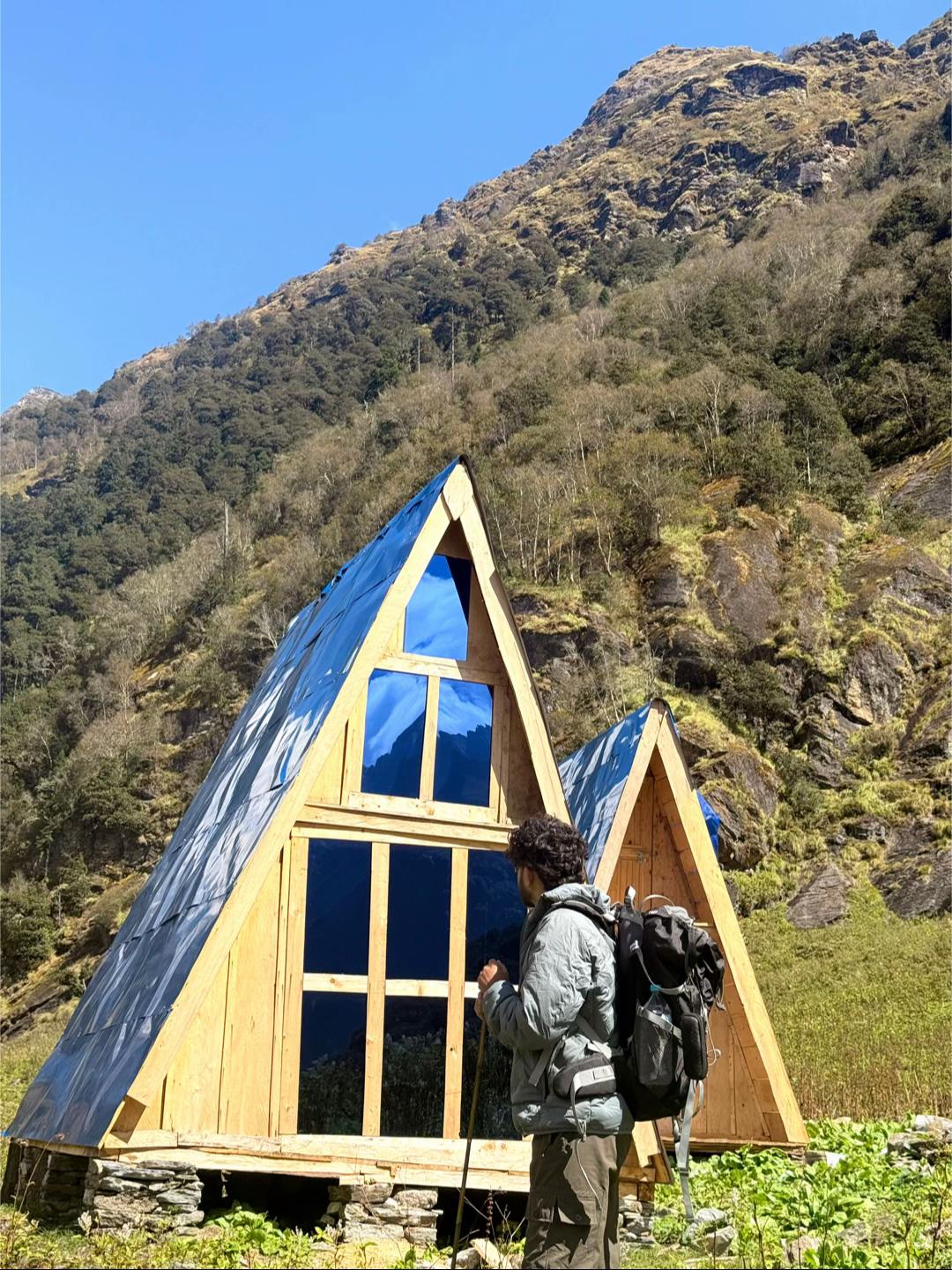
 Tourist-Level Hotel And High-Quality Camping

Meals
B/LD
Trip route

Kathmandu (1,330 m) → Dhangadhi → Dadeldhura → Gokuleshwor → Makarigaad → Sitigaun → Dhauli Odar → Api Base Camp → Kalidhunga Taal → Sitigaun → Makarigaad → Dadeldhura → Dhangadhi → Kathmandu (1,330 m)


Highlights

  • Explore one of Nepal’s most remote trekking regions in the far western Himalaya, far away from crowded trails.
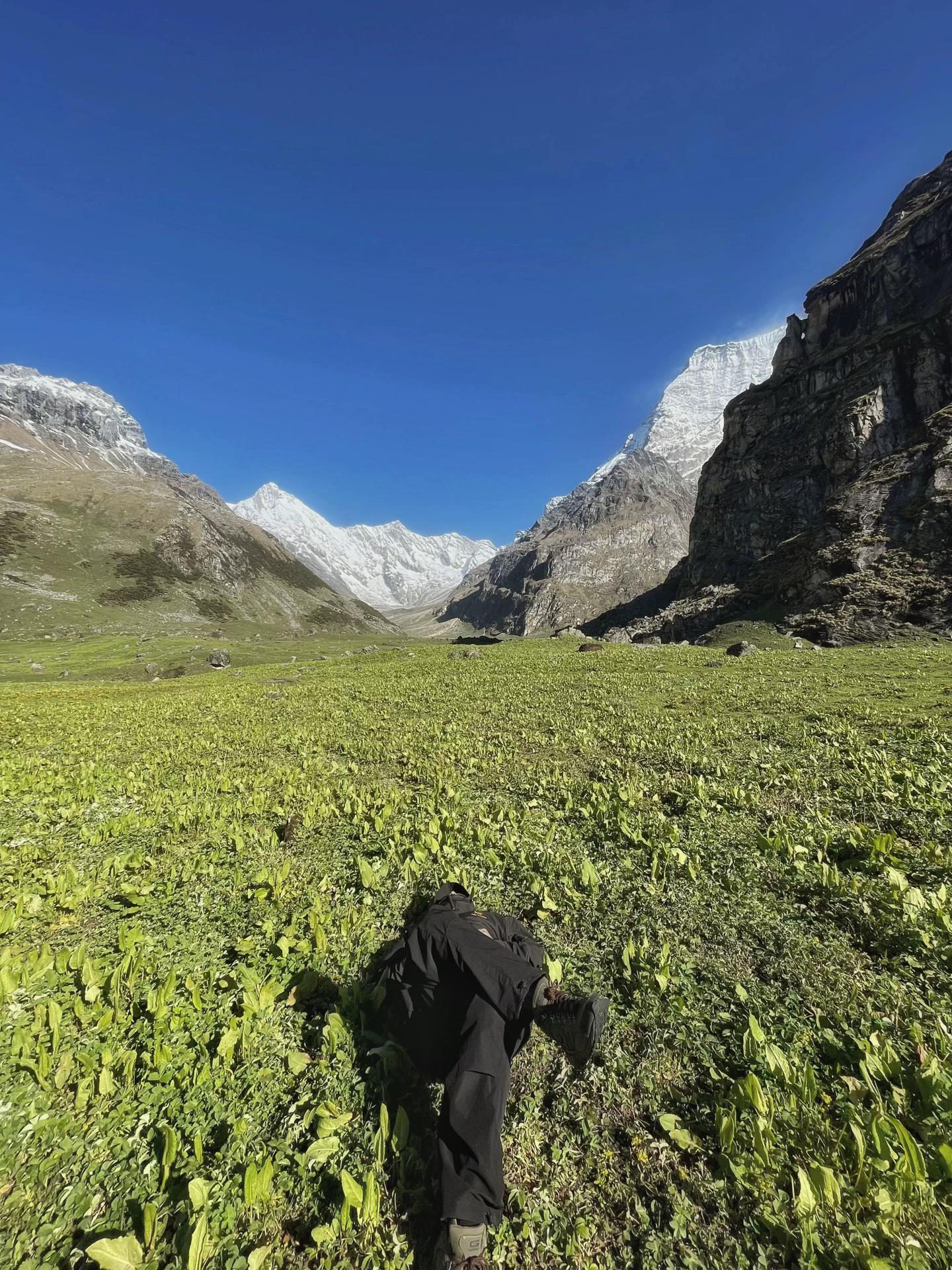
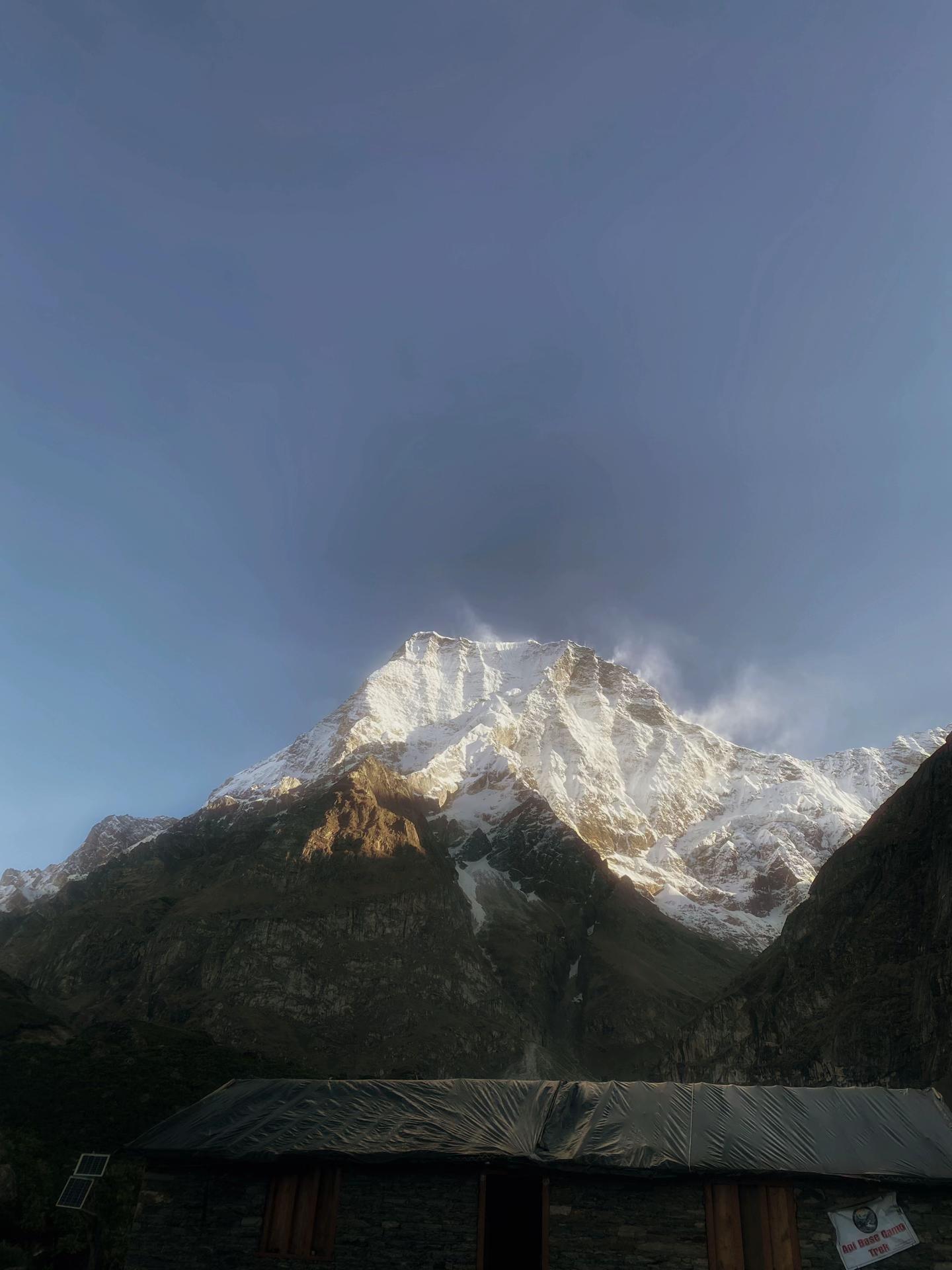
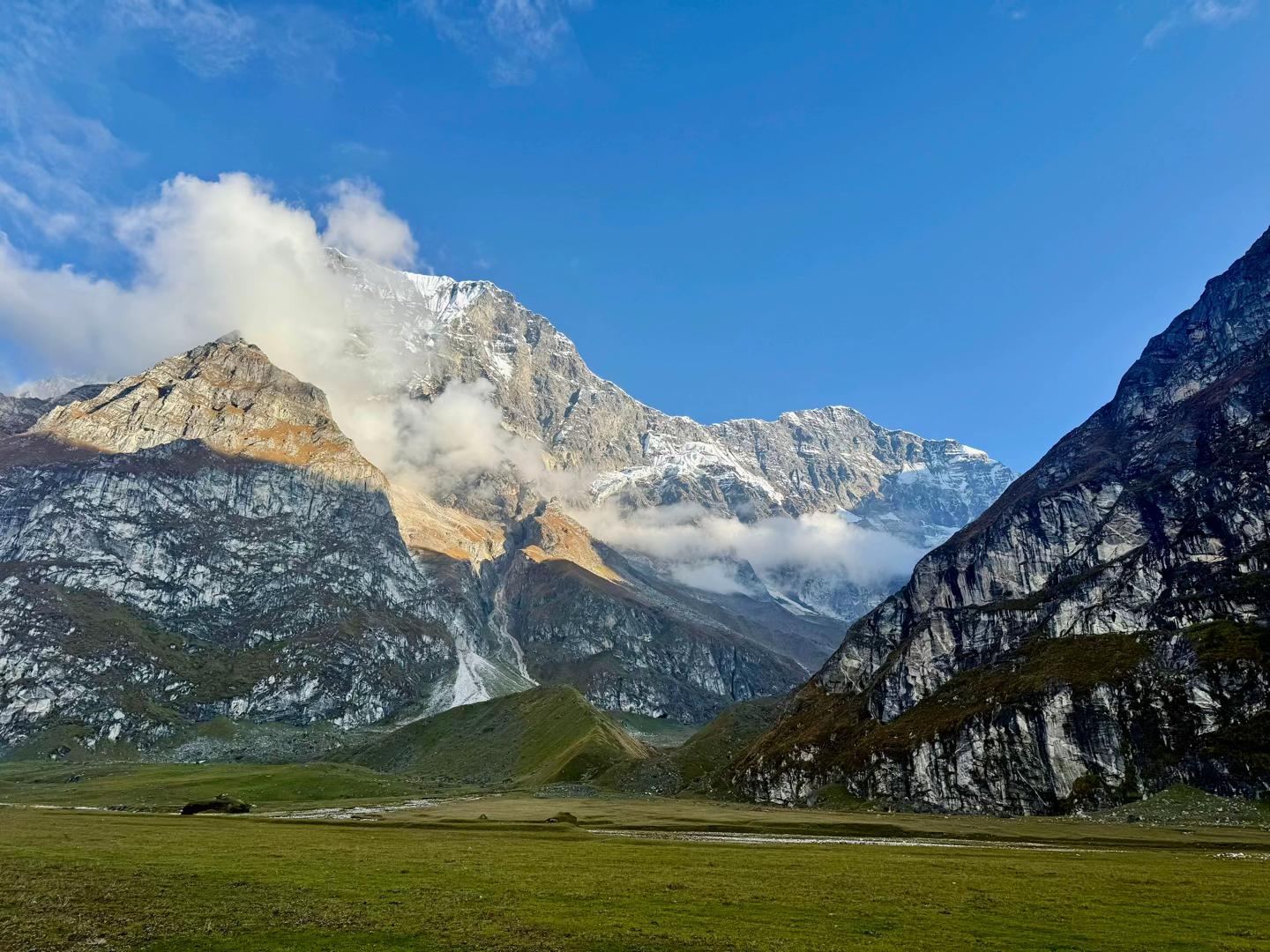
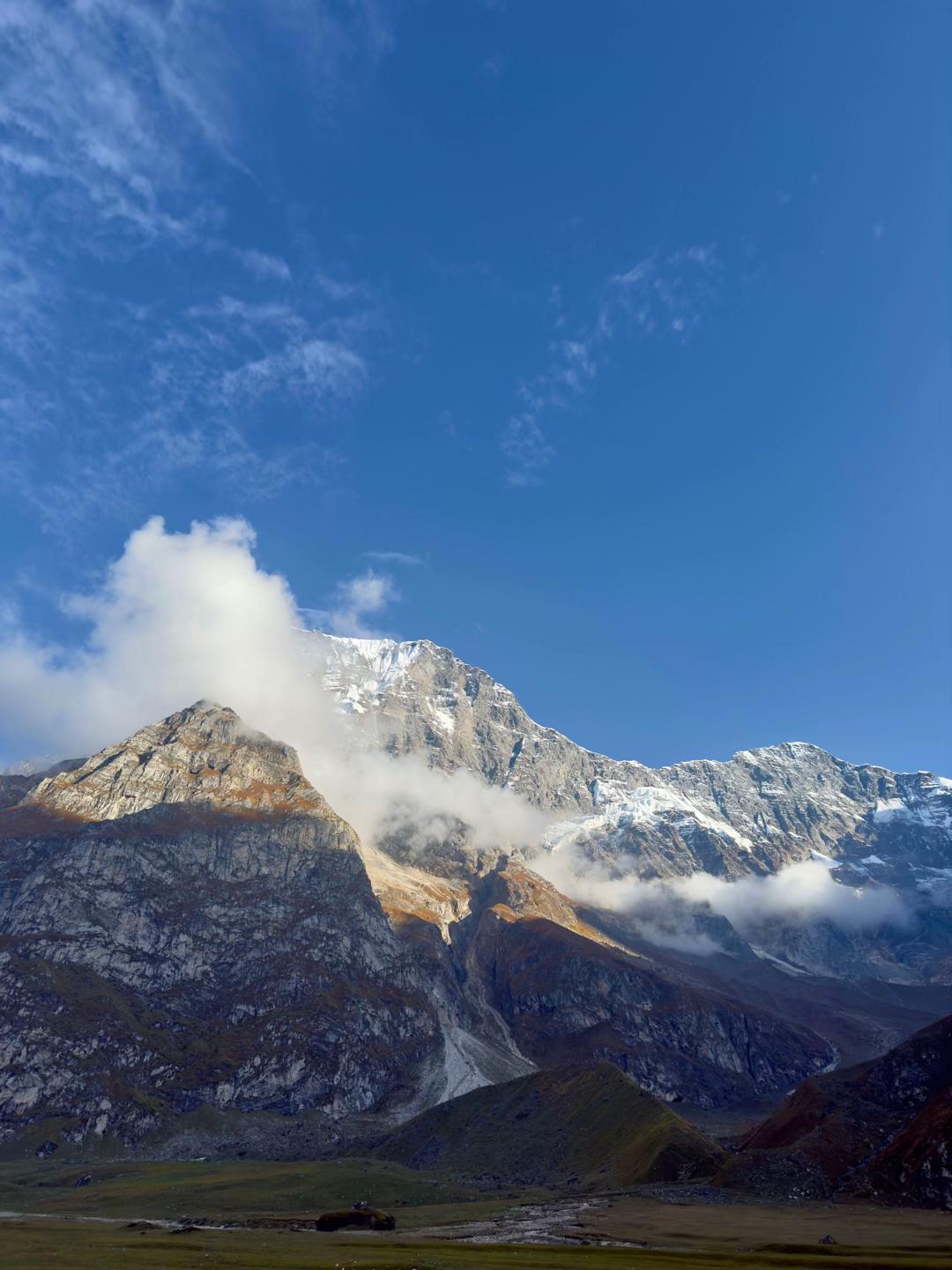
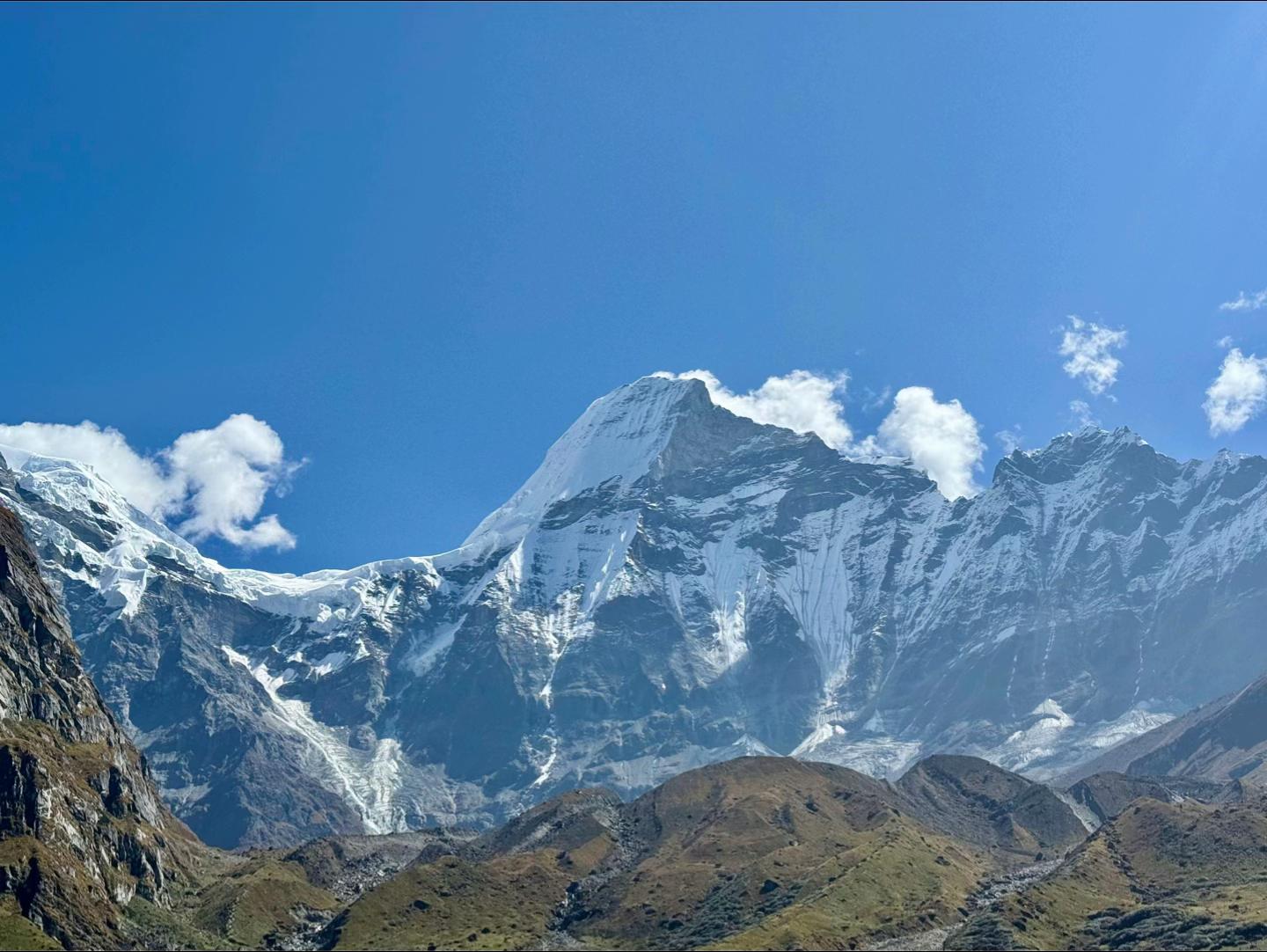
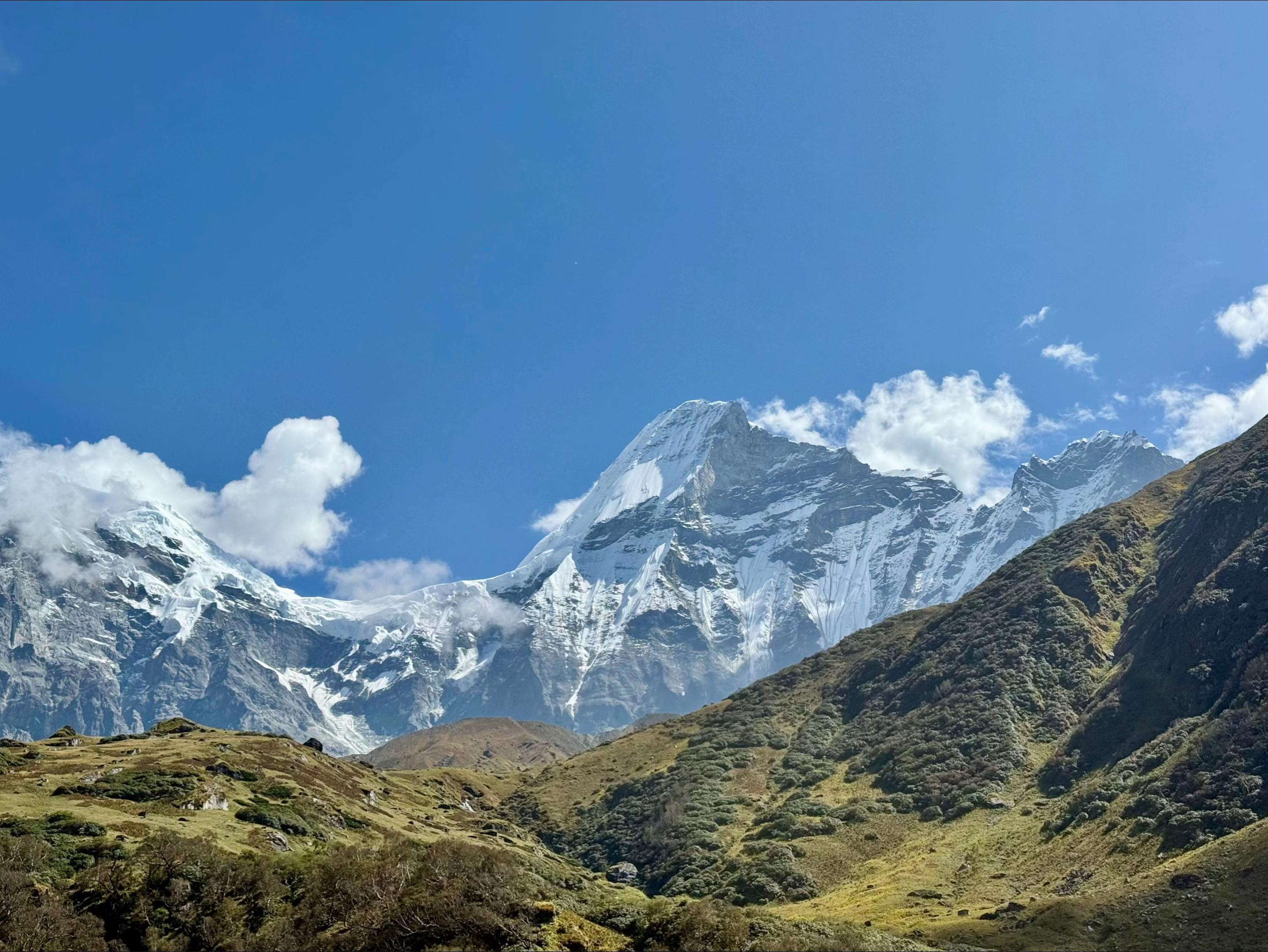
  • Trek to the base of Mount Api, one of the highest and least-explored peaks in western Nepal.
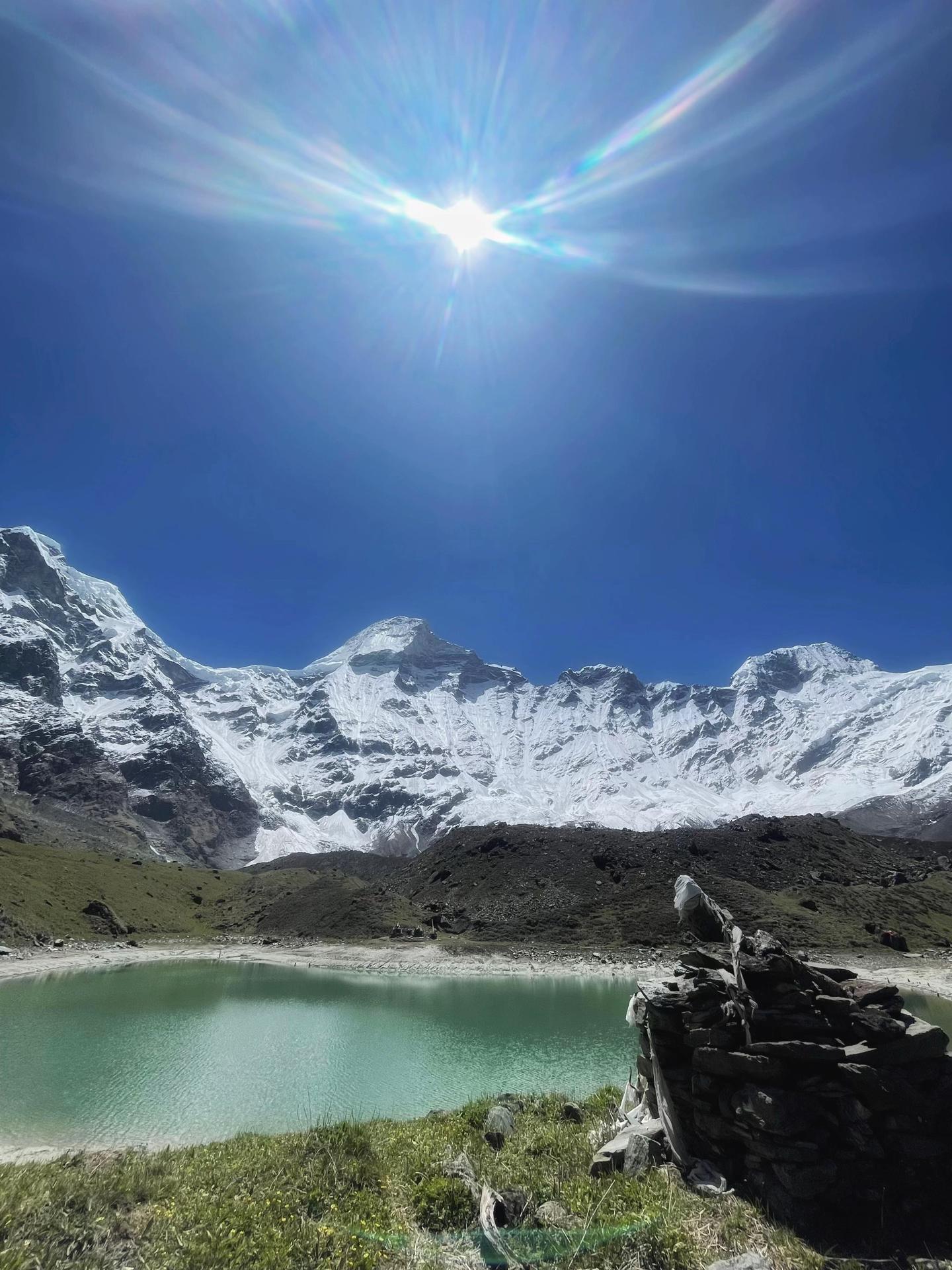
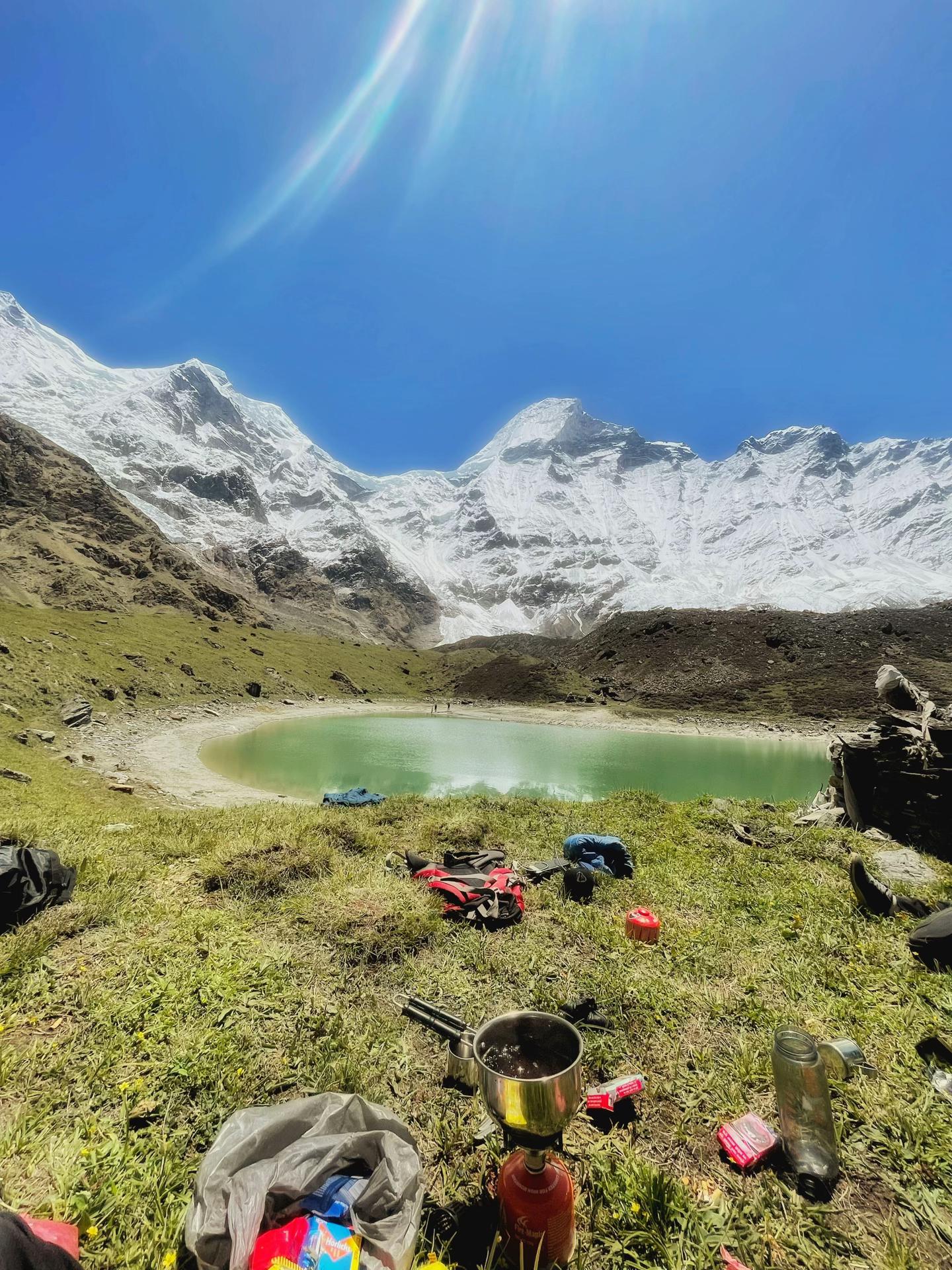
  • Visit the sacred Kalidhunga Taal, a beautiful high-altitude glacial lake with strong spiritual importance for local communities.
  • Experience peaceful and quiet Himalayan trails, ideal for trekkers looking for solitude and raw adventure.
  • Walk through traditional villages such as Khandeshwori, Lumcha, Simar, Khaykot, Sitti, Ghusha, and Jhusku.
  • Enjoy authentic local homestay experiences, with warm hospitality, simple meals, and genuine cultural interaction.
  • Discover the untouched beauty of the Api Himal region, including forests, river valleys, alpine meadows, waterfalls, and mountain viewpoints.
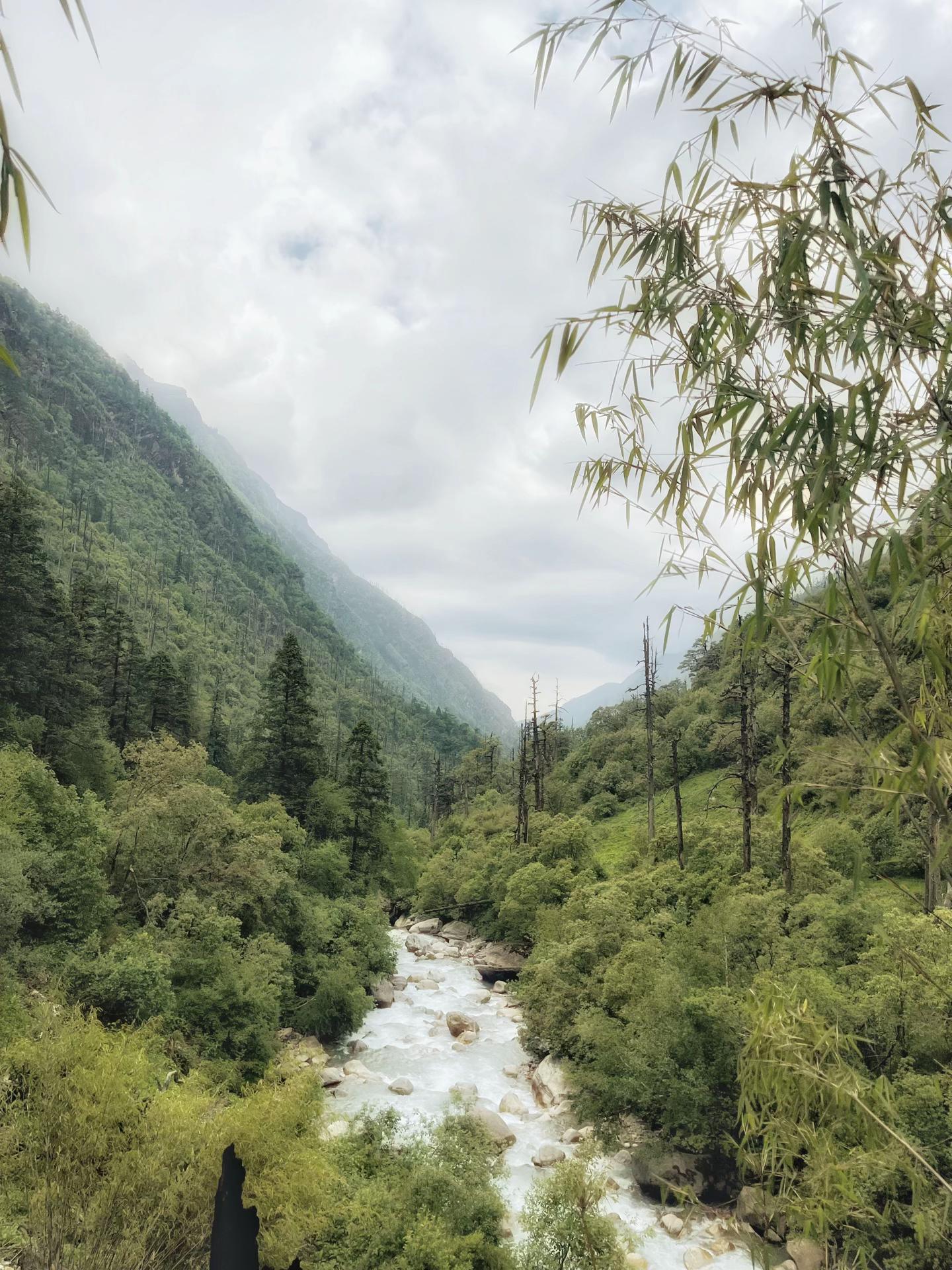
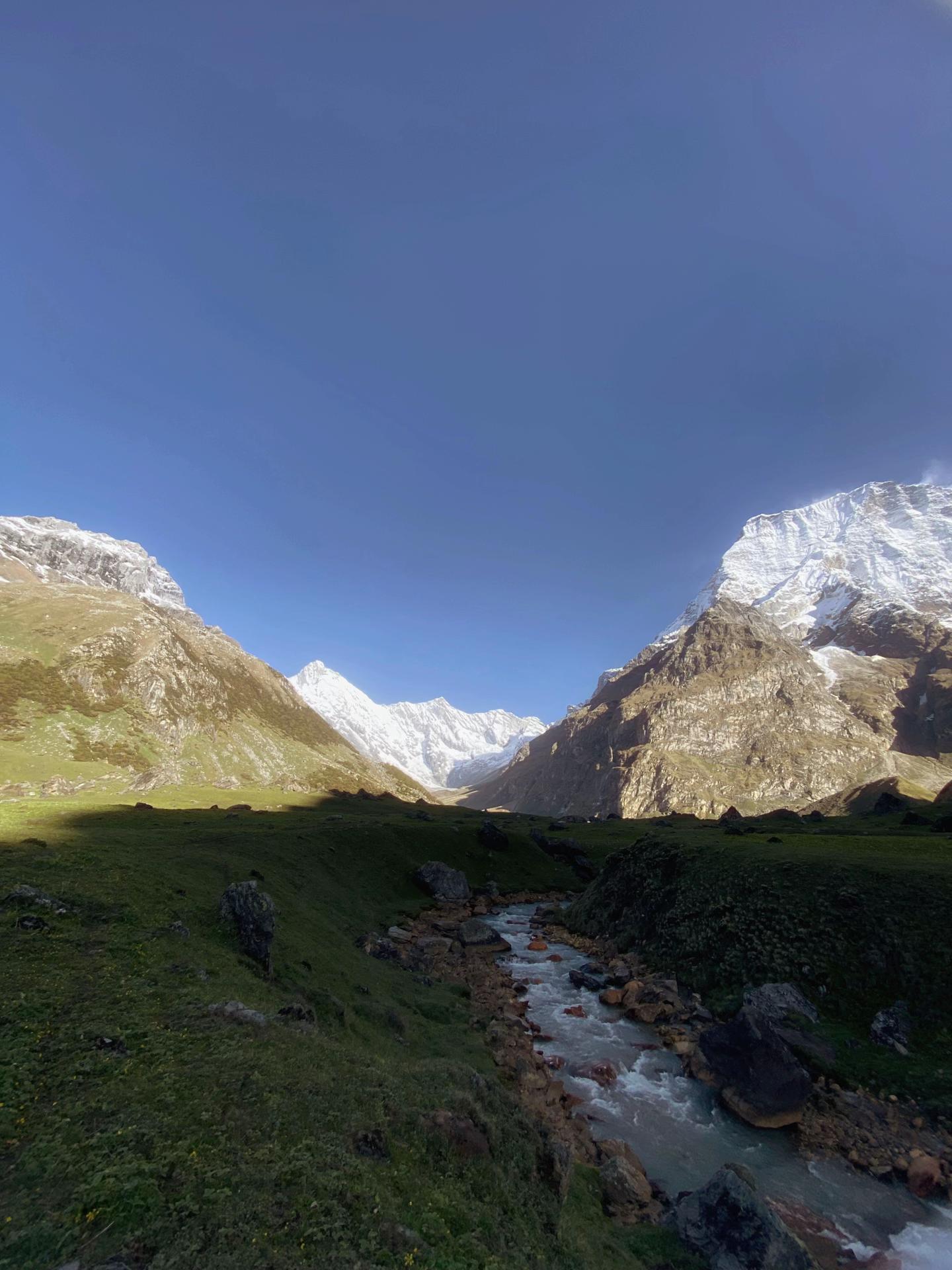
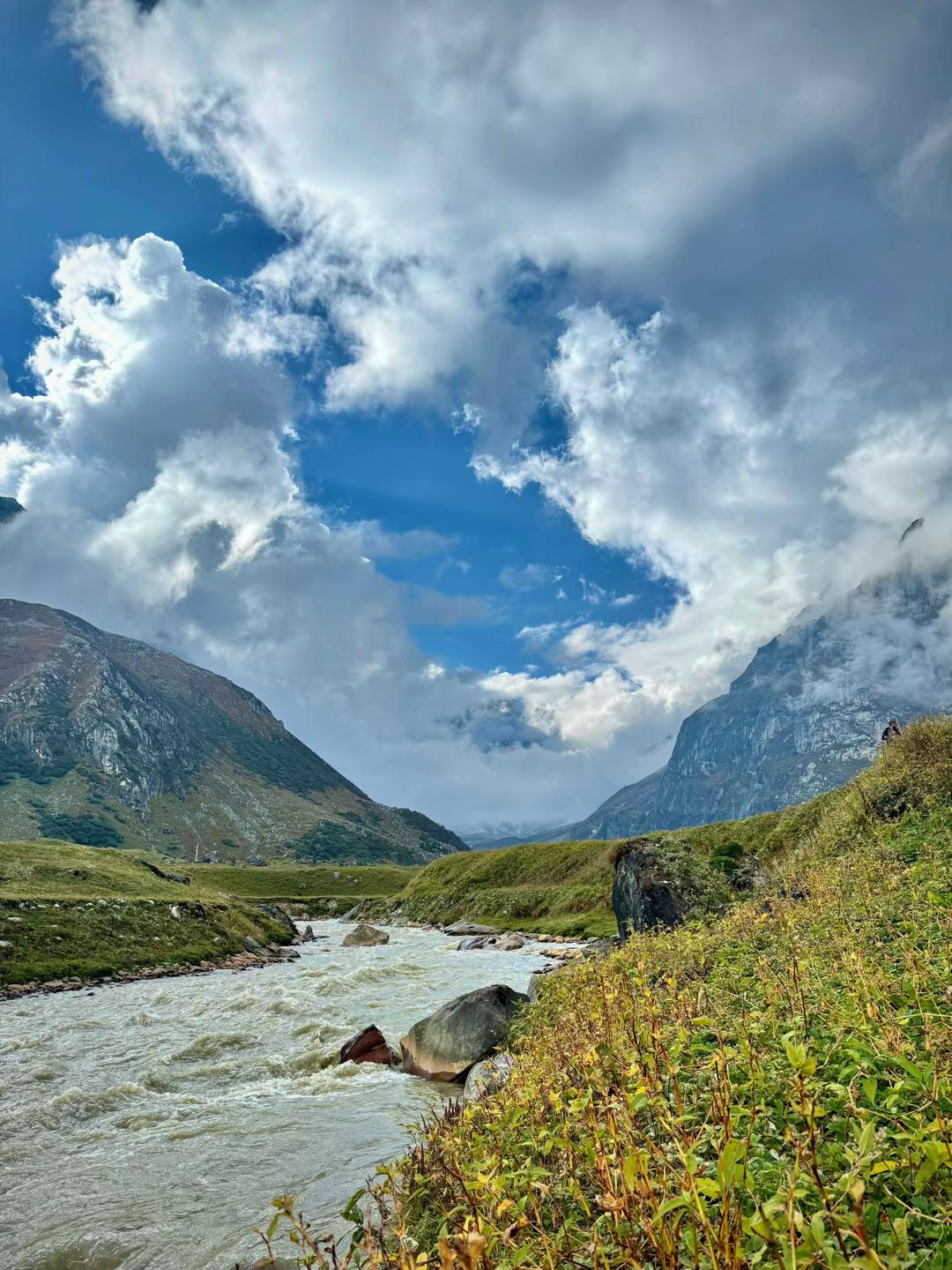
  • Follow scenic trails along the Chameliya River, surrounded by wide valleys, fresh mountain air, and peaceful landscapes.
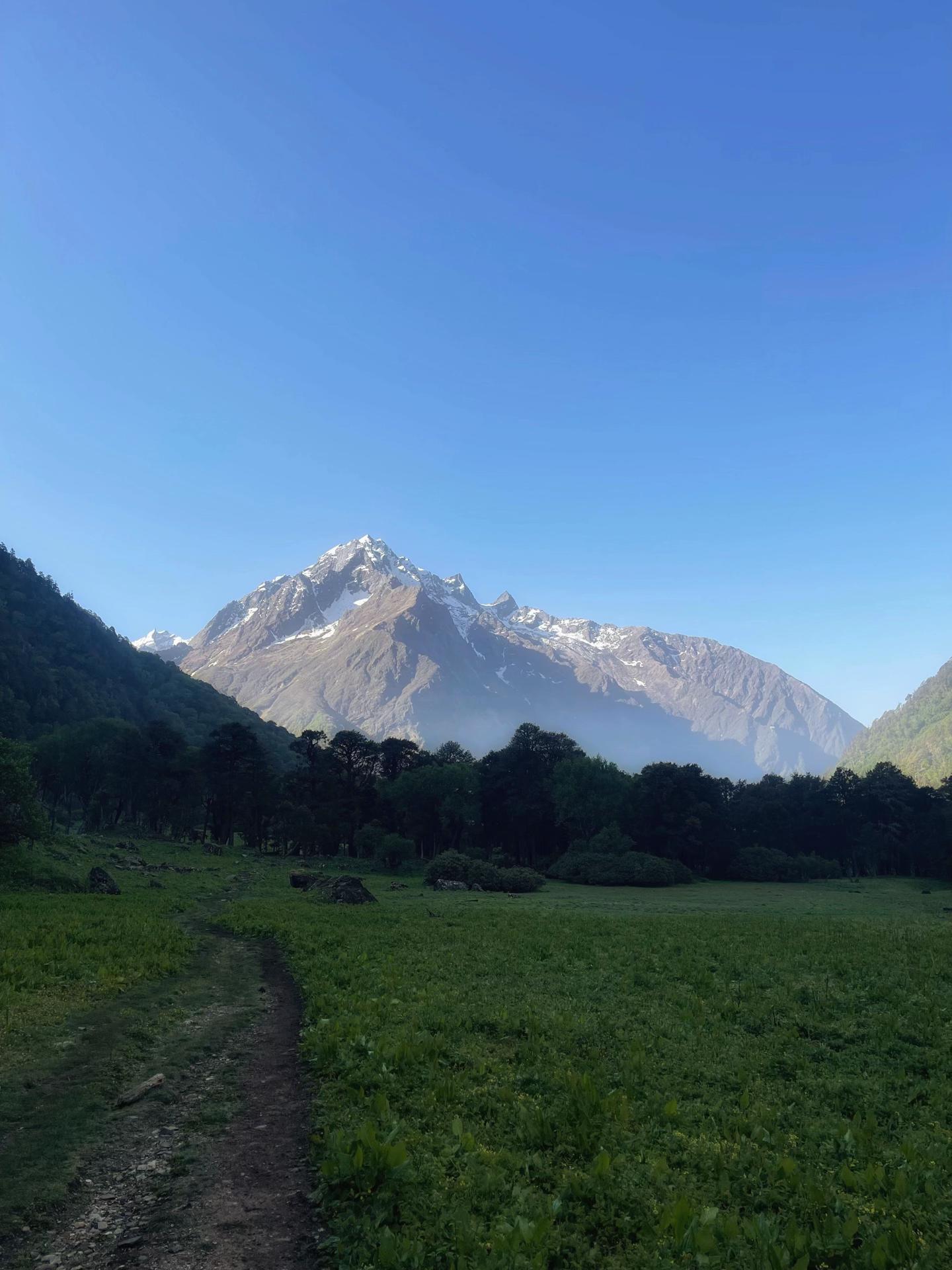
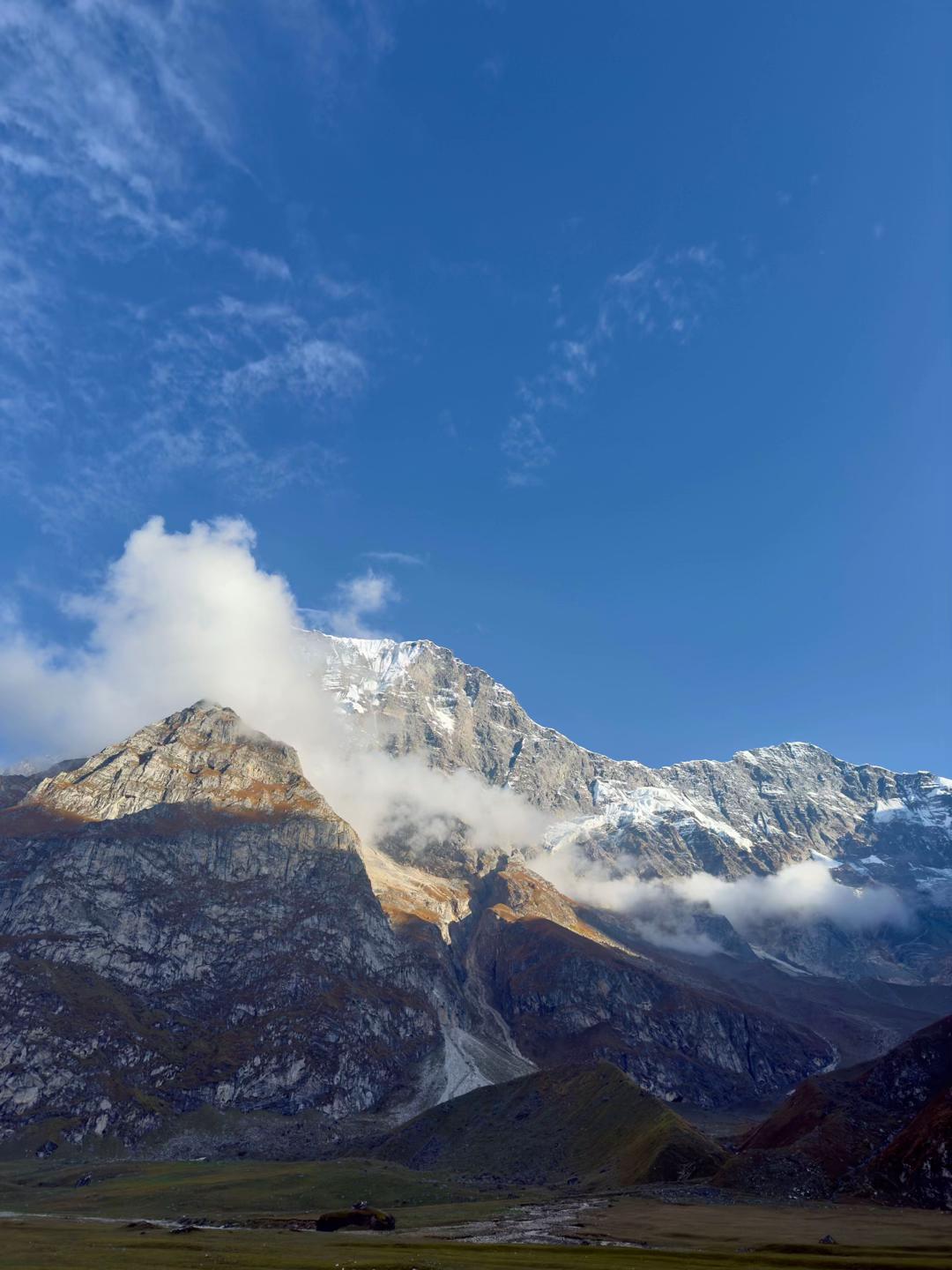
  • Witness stunning views of Mount Api, Jethi Bahurani, and surrounding Himalayan peaks throughout the higher sections of the trek.
  • Experience the rich culture of far western Nepal, including traditional mud houses, local farming lifestyles, village customs, and mountain hospitality.
  • Enjoy a true off-the-beaten-path trek in Nepal, perfect for adventure lovers who want something different from Everest, Annapurna, or Langtang.
  • Trek through Bhabaiya Valley, a beautiful acclimatization side trip with open landscapes and mountain scenery.
  • Reach Api Base Camp and explore nearby sacred landscapes, including the Chameliya water source and Kalidhunga Taal.
  • Support local communities directly through local guides, porters, homestays, and village-based tourism.
  • Travel with Expedition Our Karnali Rafting & Adventure Pvt. Ltd., with experienced local support for a safe and meaningful trekking experience.

Overview

Api Base Camp Trek – Explore the Hidden Himalaya of Western Nepal

The Api Base Camp Trek is a rare opportunity to journey deep into the untouched and breathtaking landscapes of far western Nepal, a region often overlooked by mainstream trekkers. Unlike the crowded trails of Everest and Annapurna, this trek offers a truly remote Himalayan adventure, where solitude, raw mountain beauty, and authentic cultural encounters await every traveler. From lush forested valleys to high alpine pastures and the awe-inspiring Mount Api, this journey is a perfect blend of nature, culture, and adventure for seasoned trekkers and those seeking off-the-beaten-path experiences.

Why the Api Base Camp Trek is Special

If you are a trekker looking for solitude in the Himalaya, the Api Base Camp Trek delivers it in abundance. Far removed from Nepal’s heavily trafficked trails, this journey takes you through traditional villages, verdant forests, and rugged mountain terrain, gradually ascending toward the imposing south face of Mount Api, one of the country’s most dramatic and least explored peaks.

One of the highlights of this trek is Kalidhunga Taal, a serene glacial lake considered sacred by the local communities. Trekking to this high-altitude lake is not just a physical challenge but also a spiritual journey, giving you a glimpse into the Himalayan cultural landscape and the deep reverence local people have for their mountains and water sources.

Beyond natural beauty, the trek offers an intimate encounter with the lives of the remote Himalayan communities in the Api region. Villages like Khandeshwori, Lumcha, Simar, and Jhusku feature traditional stone and mud houses, terraced fields, and yak pastures. Staying in local homes not only provides cozy accommodations but also supports the communities and allows travelers to experience authentic Nepalese hospitality.

Trek Overview: Trails, Villages, and Mountains

The Api Base Camp Trek typically spans 10–14 days, combining jeep rides, moderate-to-strenuous trekking, and immersive village stays. Here’s what you can expect along the route:

Forest Trails and Traditional Villages

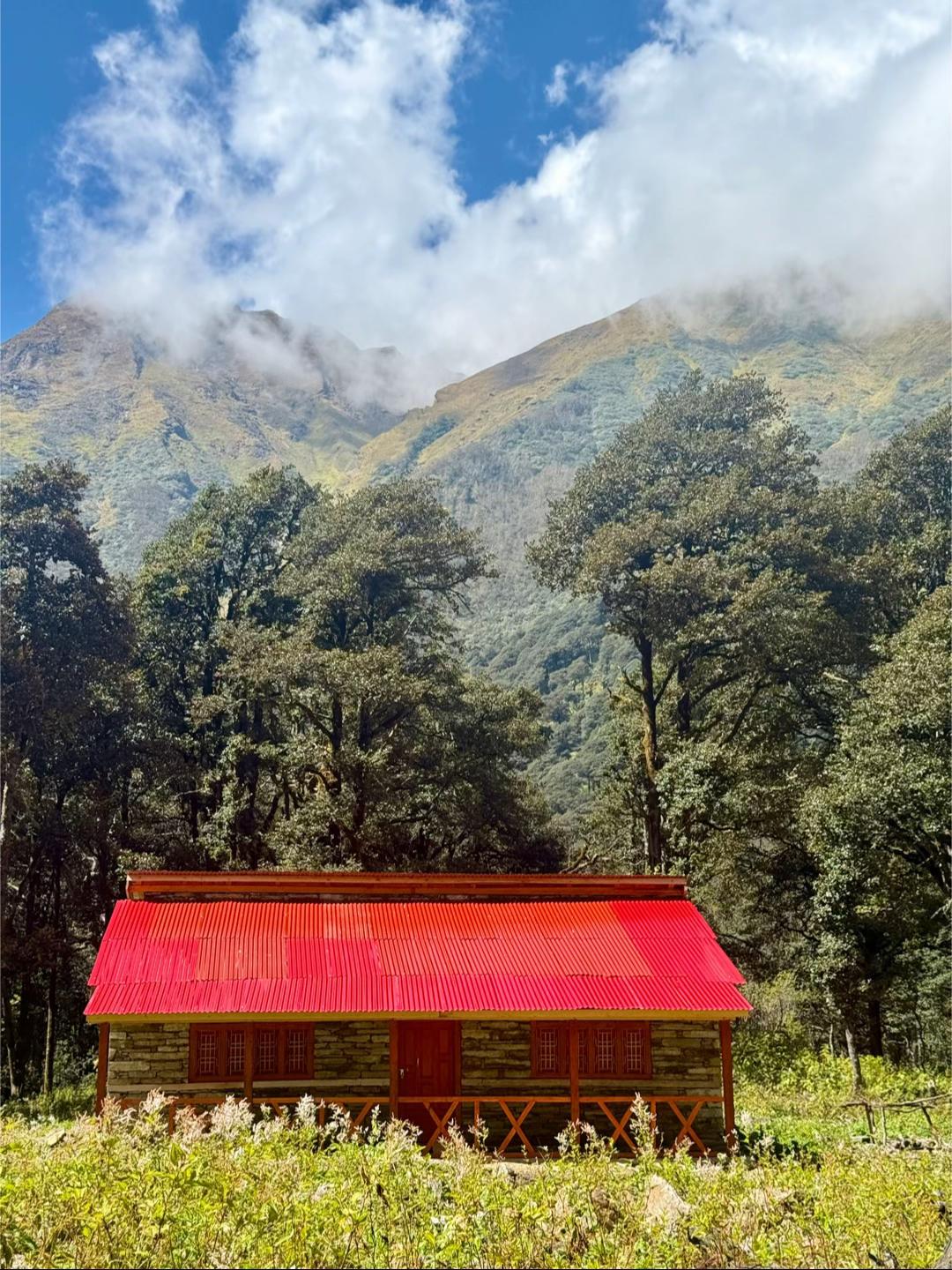
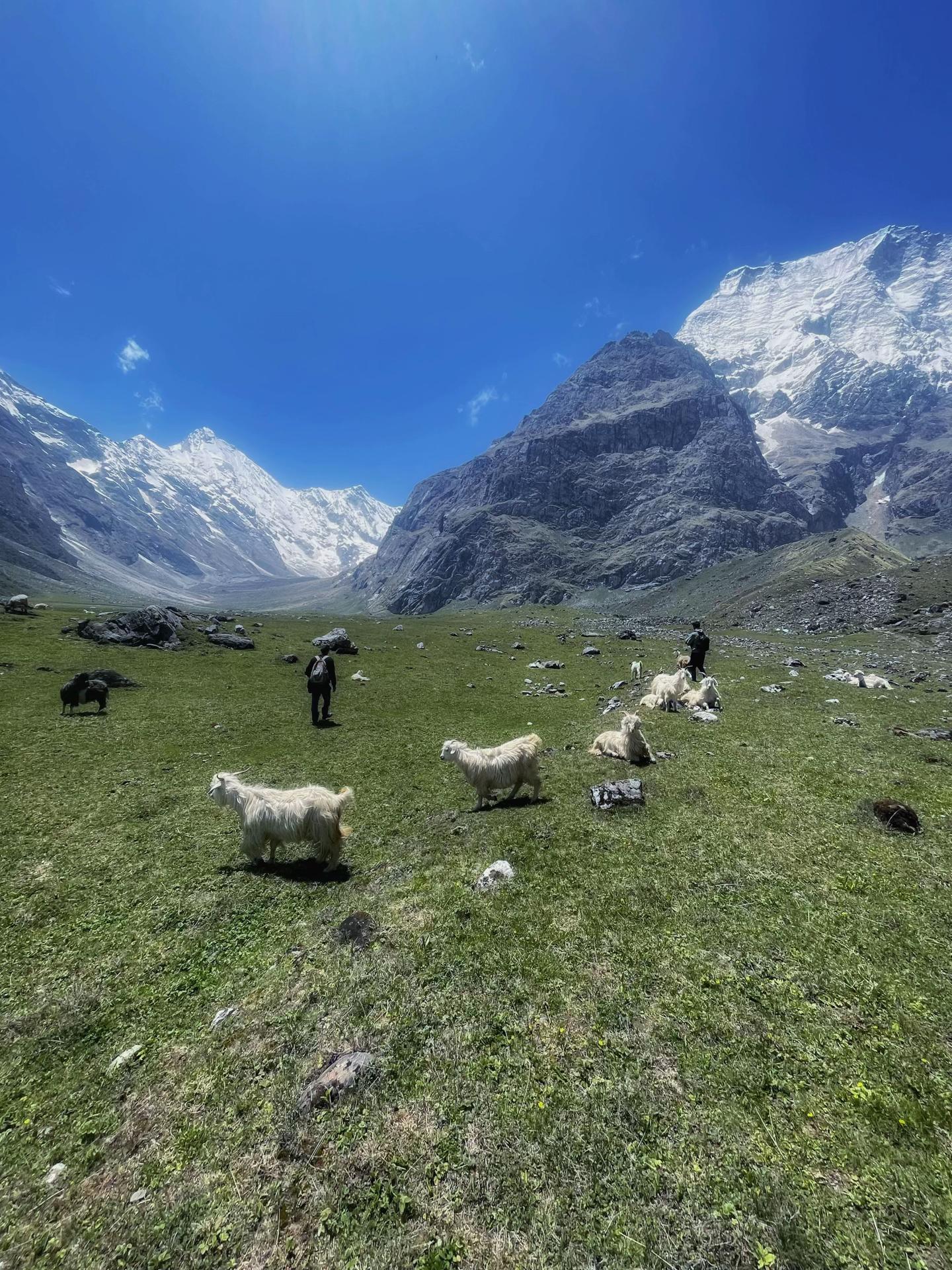
The trek begins in the lower valleys, passing through forested hills, rivers, and terraced farms. Early days are gentle, allowing trekkers to acclimatize while enjoying the simple life of the local communities. Villages along the route are quiet, with mud-built houses painted with white clay, narrow winding paths, and fields where locals grow barley, millet, and potatoes. Home stays here provide hearty traditional meals and warm, welcoming hospitality.

High Alpine Landscapes

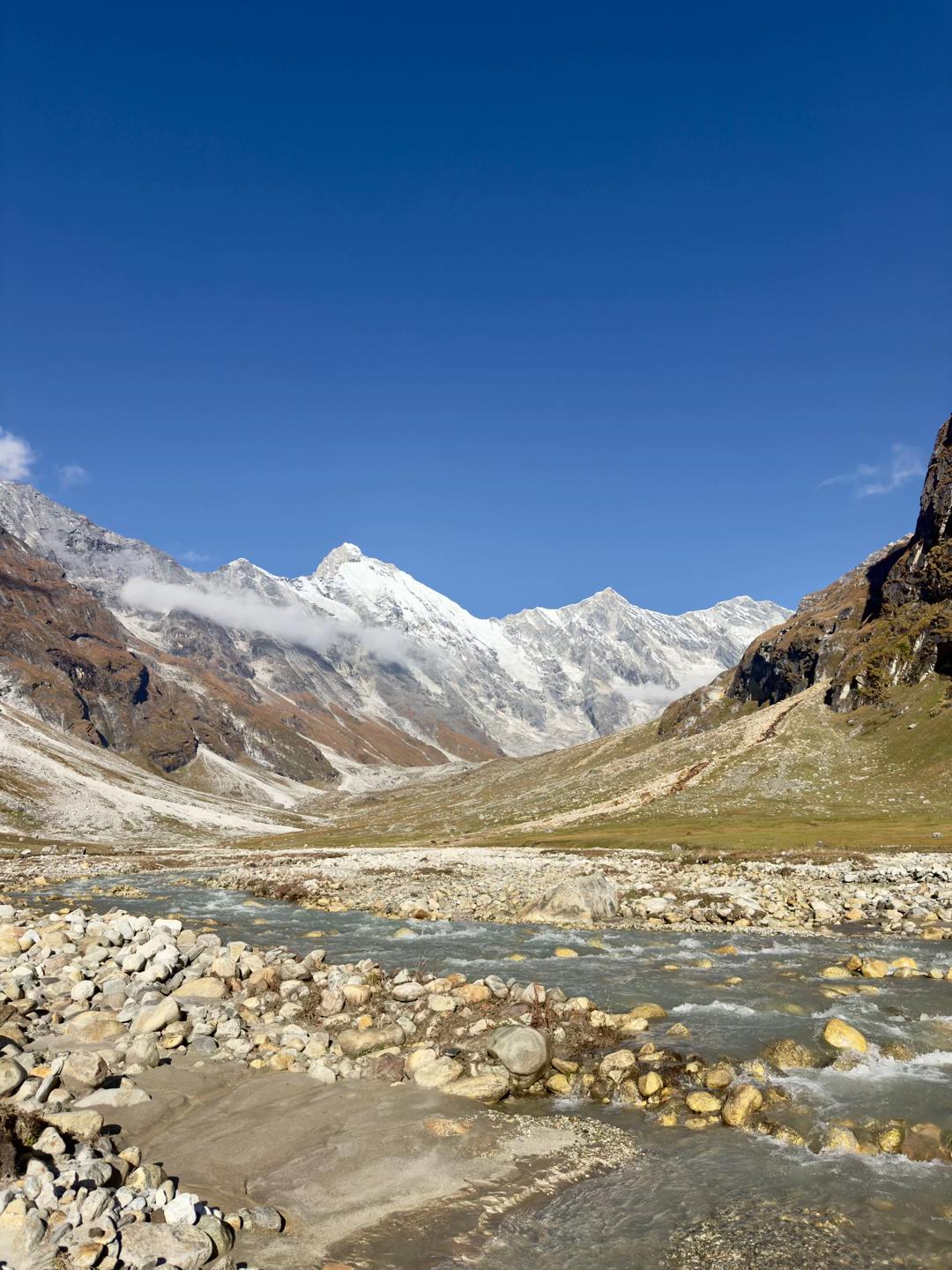
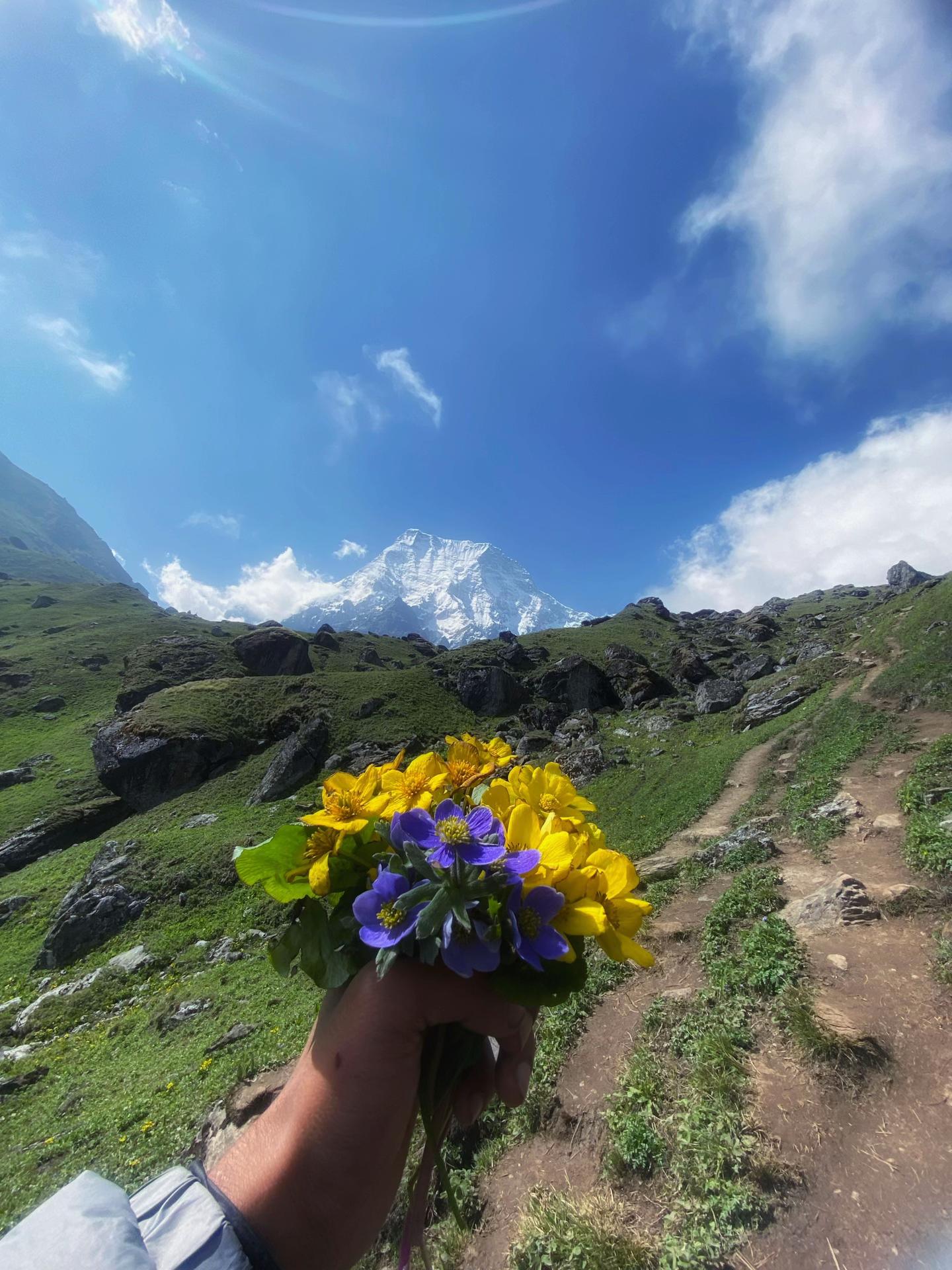
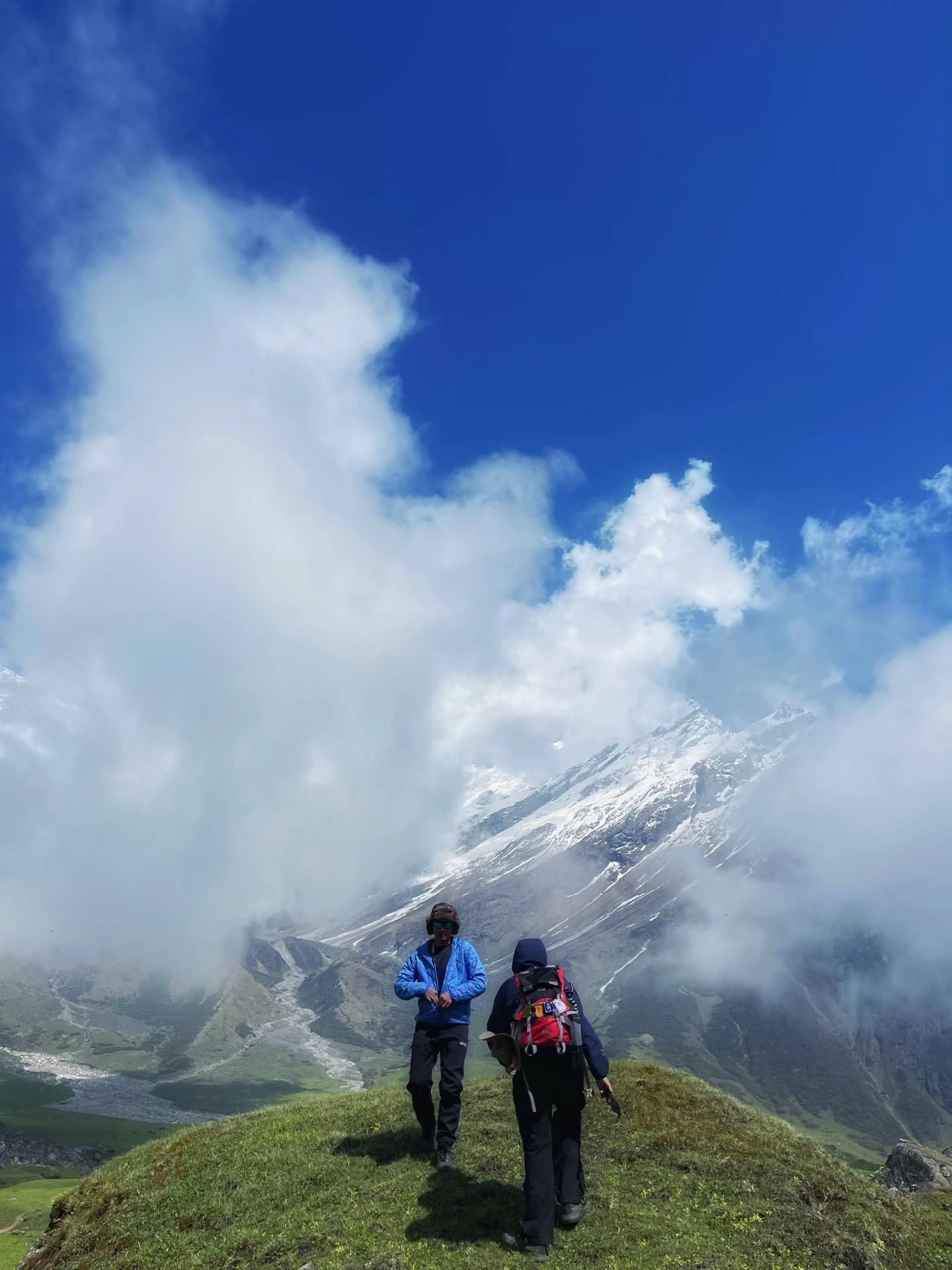
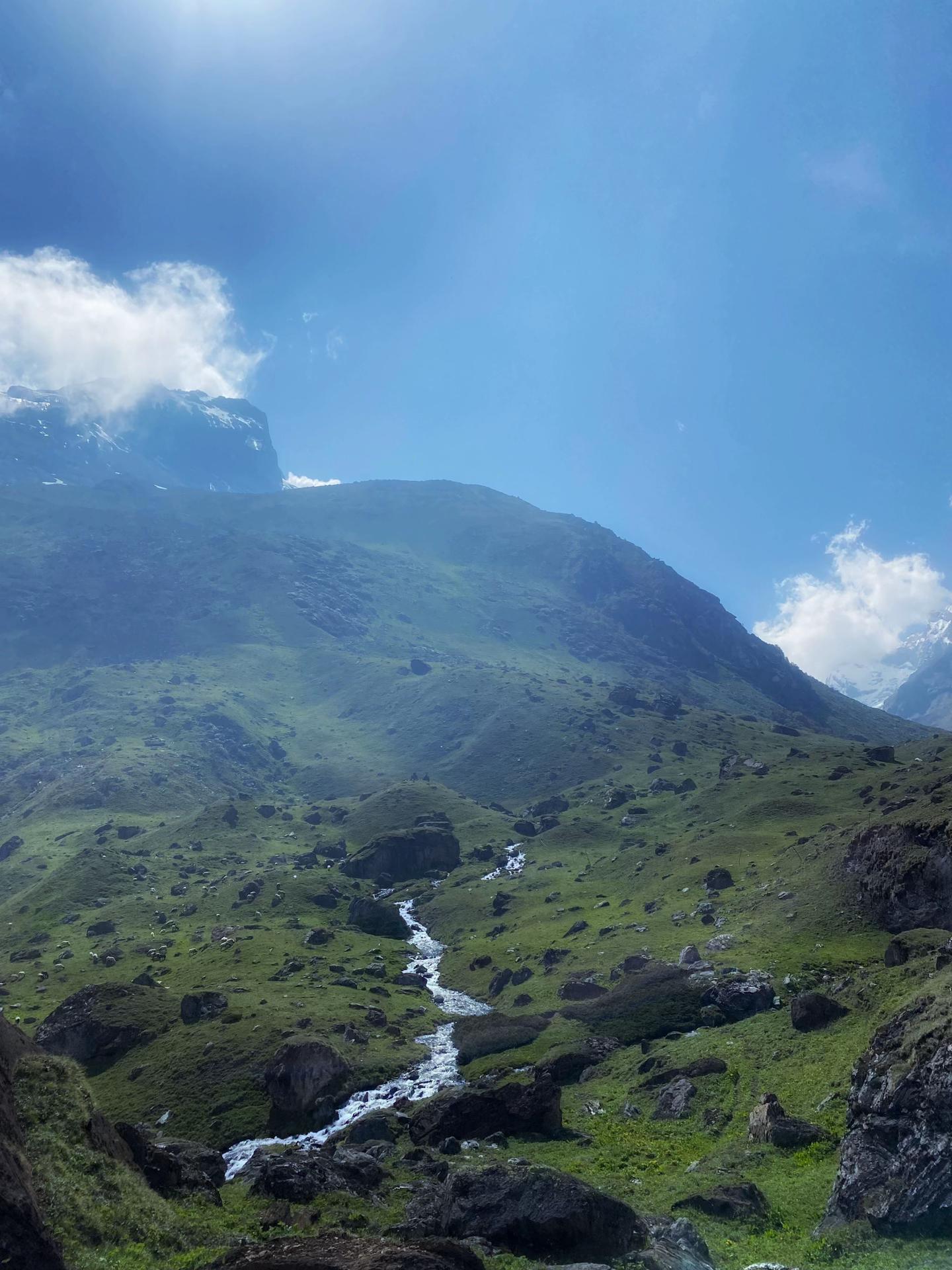
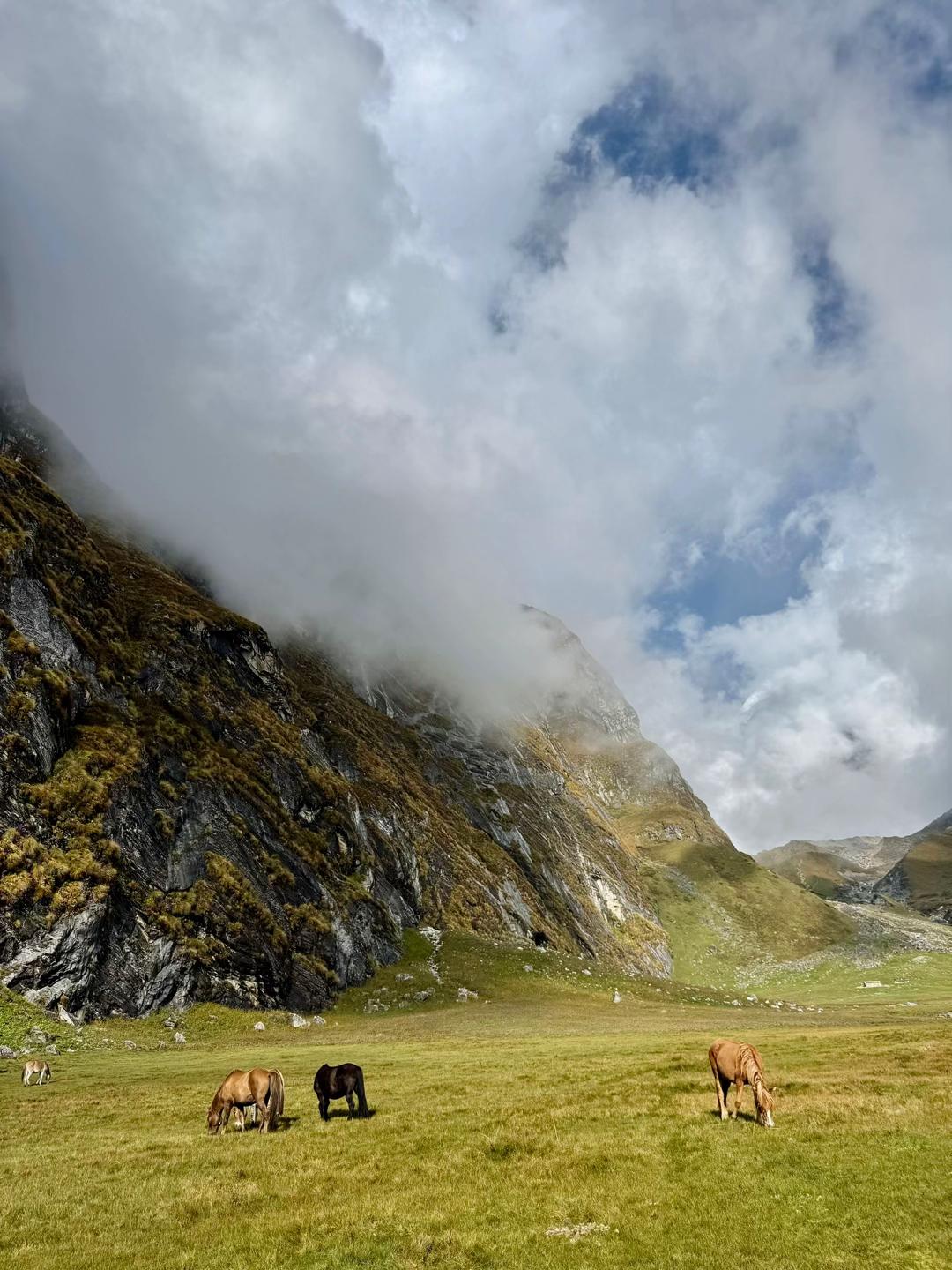
As the trek progresses, you’ll gain altitude and the environment transforms dramatically. Alpine pastures, wildflowers, cascading streams, and panoramic mountain views dominate the landscape. The path to Mount Api Base Camp winds through rugged terrain, offering trekkers a chance to truly feel the remoteness and majesty of the western Himalaya.

Mount Api and Kalidhunga Taal

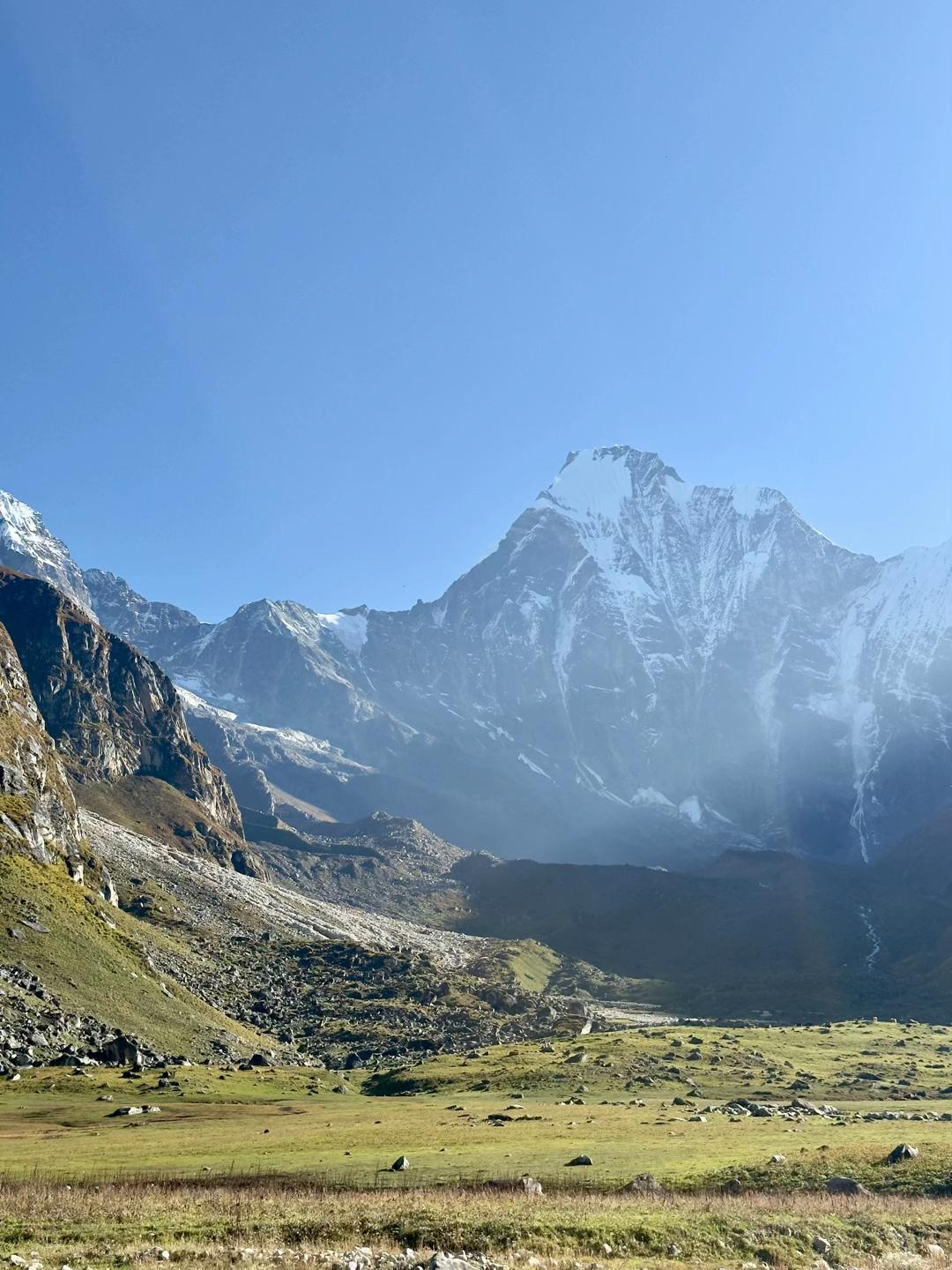
The Api Base Camp is the centerpiece of this trek. Standing beneath the towering south face of Mount Api, trekkers are rewarded with awe-inspiring views, perfect for photography and reflection. Nearby is Kalidhunga Taal, a high-altitude glacial lake considered sacred by local people. Visiting this serene lake allows trekkers to witness spiritual Himalayan traditions while soaking in the pristine natural beauty.

Cultural Encounters

Throughout the trek, you will experience authentic village life. Interacting with locals, sharing meals, and participating in cultural rituals provide a deep understanding of the Karnali region’s traditions. This combination of natural exploration and cultural immersion makes the Api Base Camp Trek a uniquely humanized adventure.

What Makes This Trek Different

  1. Remote and Untouched: Unlike the Everest or Annapurna regions, the Api trek is largely unexplored. Crowds are minimal, and the trails offer a sense of real adventure.
  2. Cultural Depth: Visiting villages along the Chameliya River and staying with local families gives you a first-hand cultural experience that mainstream trekking routes rarely provide.
  3. Dramatic Himalayan Scenery: Expect sweeping views of Mount Api, Jethi Bhaurani, and surrounding peaks, alongside verdant valleys, rivers, and alpine landscapes.
  4. Spiritual Highlights: Kalidhunga Taal is more than a sightseeing stop; it is a sacred site, providing a spiritual dimension to your trek.
  5. Tailored Adventure: With experienced local guides from Expedition Our Karnali Rafting & Adventure Pvt Ltd, the trek is carefully paced for safety, acclimatization, and immersive experiences.

Who Should Consider the Api Base Camp Trek?

This trek is perfect for travelers who:

  • Seek solitude and authentic adventure in the Himalaya
  • Enjoy moderate to challenging trekking with cultural immersion
  • Want to experience remote Nepalese villages and traditional lifestyles
  • Are passionate about photography and nature
  • Appreciate spiritual and high-altitude natural sites, like Kalidhunga Taal

It is not a luxury trek. The accommodations are simple, mostly local home stays or small guest houses, which enhances the authenticity and intimacy of the journey. The focus is on connection with nature, culture, and self, rather than luxury comfort.

Practical Tips for Trekkers

  • Best Season: Spring (March–May) or Autumn (September–November) for clear skies and moderate weather.
  • Fitness Level: Moderate; daily treks can range from 5–8 hours with some steep ascents.
  • Accommodation: Home stays in villages like Khandeshwori, Lumcha, Simar, and Jhusku; basic facilities with traditional meals.
  • Guides and Porters: Highly recommended; local guides enhance safety, navigation, and cultural understanding.
  • Packing Essentials: Trekking boots, layered clothing, trekking poles, water bottles, first aid, and camera for breathtaking landscapes.

Note

The Api Base Camp Trek is more than a trek—it is an immersive journey into Nepal’s hidden Himalaya, where nature, culture, and adventure come together in harmony. From walking through remote villages and lush valleys to standing in awe beneath the towering Mount Api and visiting the sacred Kalidhunga Taal, this trek offers experiences that remain etched in memory long after the journey ends.

For trekkers seeking a quiet, authentic, and soul-enriching Himalayan adventure, the Api Base Camp Trek promises an unforgettable expedition into one of Nepal’s last frontiers.

Important Note


  • Remote Location: This trek is in a very isolated region of far western Nepal. Mobile networks are limited or unavailable in many areas, so plan accordingly.
  • Accommodations: Home stays are basic and traditional. Expect mud-built houses, simple beds, shared bathrooms, and limited hot water. This is part of the authentic experience.
  • Food & Meals: Local meals are available at home stays or tea houses. Vegetarian options are usually available, but options are limited. Carry snacks and energy bars for long trekking days.
  • Altitude & Acclimatization: Highest points are around 3,000–3,500 m. Take time to acclimatize properly and stay hydrated to avoid altitude sickness.
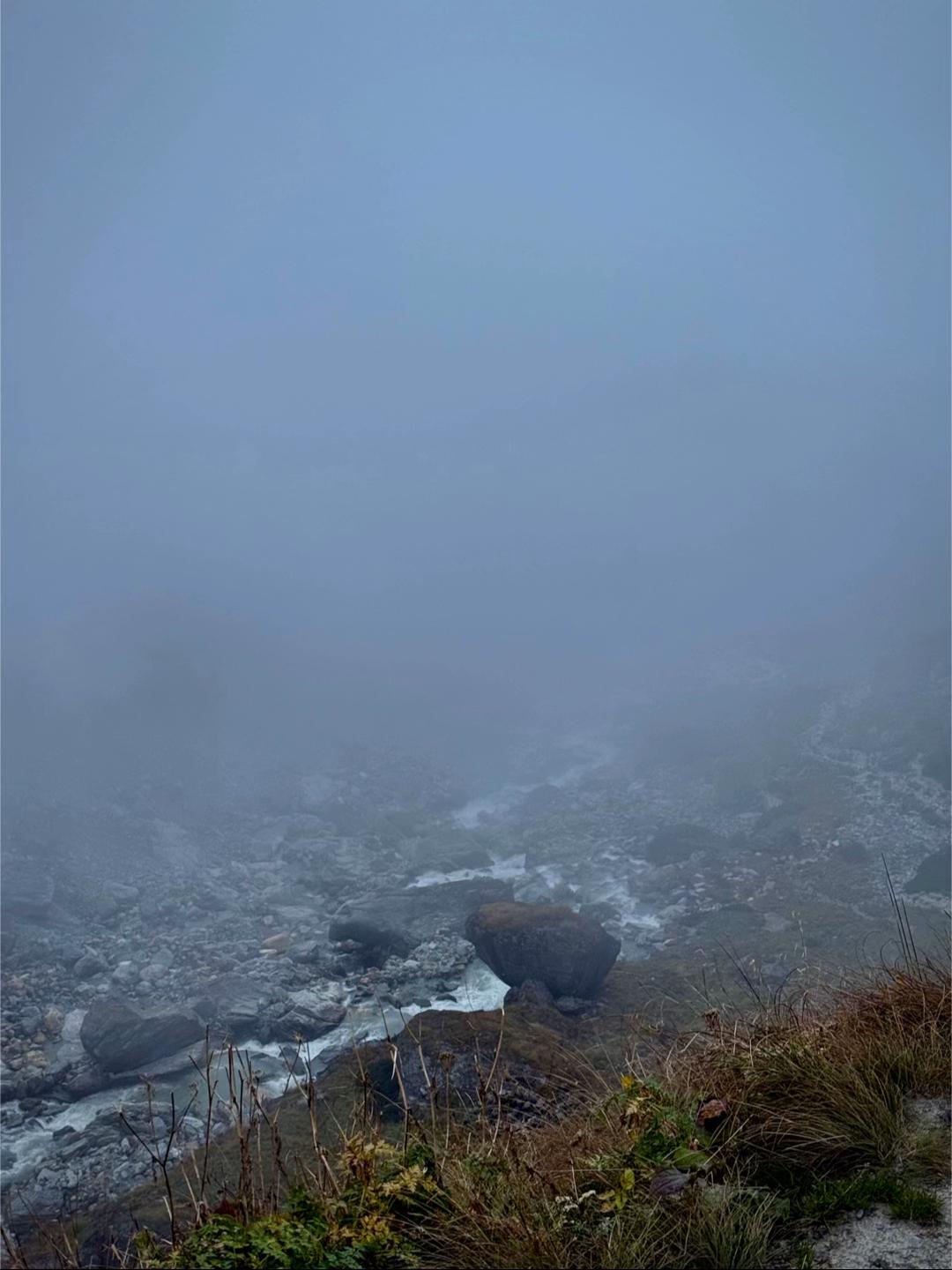
  • Weather: Conditions can change rapidly in the Himalaya. Prepare for cold mornings, possible rain, or snow at higher elevations, even in spring or autumn.
  • Fitness Level: Moderate trekking experience is recommended. Daily treks can last 5–8 hours on mixed terrain, including steep ascents and descents.
  • Packing Essentials: Trekking boots, warm layered clothing, rain gear, trekking poles, water bottle, sunscreen, hat, gloves, and a personal first-aid kit.
  • Local Culture & Respect: Villagers follow traditional lifestyles and spiritual practices. Dress modestly, ask before taking photos, and respect local customs.
  • Guides & Porters: Hiring local guides is highly recommended for safety, navigation, and cultural insight. Porters can help carry heavy loads, especially during longer trekking days.
  • Cash & Essentials: ATMs are not available in villages. Carry enough cash (Nepalese Rupees) for food, tea, tips, and small purchases.
  • Connectivity & Emergencies: Internet and phone coverage is sporadic. Emergency evacuation may take several hours. Always follow your guide’s instructions and have a contingency plan.
  • Environmental Responsibility: Carry reusable bottles, avoid plastic waste, and respect wildlife and natural surroundings.
  • Travel Insurance: Strongly recommended. Ensure it covers trekking at high altitudes and emergency evacuation.

Trip Itinerary

The Api Base Camp Trek begins with a journey from Kathmandu to Dhangadi, either by a one-hour flight (approximately $200) or a night bus that takes around 18 hours. From Attariya, trekkers continue by night bus or jeep to Latinath, stopping for dinner at Saule and morning tea at Gokuleshwer before arriving early the next day. The adventure truly starts with a short jeep ride from Latinath to Makarigad, followed by a trek to Khandeshwori, where travelers stay in local homestays. From Khandeshwori, the route leads through Thumti to Lumcha, with lunch in Thumti and an overnight stay in Lumcha, offering a glimpse into traditional village life.

The following days take trekkers from Lumcha through Chhirchhire to Simar, a relatively easy day along the banks of the Chameliya River, followed by a scenic trek from Simar to Dhaule Odar, including a side trip to Bhabaiya Valley for sightseeing. From Dhaule Odar, the highlight of the trek unfolds with a journey to Api Base Camp and the sacred Kali Dhunga Taal, before returning to Dhaule Odar for the night. The trek then continues back toward civilization, passing through Simar, Chhirchhire, Khaykot, Sitti Village, Ghusha, and Jhusku, with overnight stays in local homestays that provide warm hospitality and authentic experiences.

On the final trekking day, participants move from Jhusku to Makarigad before taking a jeep back to Latinath, where they can connect with public buses for the return journey. Travelers then return from Latinath to Attariya by night bus or jeep, followed by a night bus or flight from Dhangadhi to Kathmandu, with an optional stop at Bardiya National Park along the way. The last two days are reserved for flexibility, acclimatization, or rest. On Day 14, trekkers are transferred to Tribhuvan International Airport for their onward international flight, leaving with a deep appreciation for the untouched landscapes, quiet trails, and rich cultural experiences of western Nepal.

Welcome to Kathmandu, the vibrant gateway to the Himalaya! Upon arrival, you will be transferred to your hotel, where you can rest and recover from your international journey. Take this time to relax, settle in, and soak in the sights, sounds, and energy of Nepal’s bustling capital.

In the evening, join the Expedition Karnali Rafting & Adventure team for a comprehensive trek briefing. This session will cover everything you need to know about the far-western region, including trail conditions, logistics, safety tips, and cultural insights. It’s the perfect opportunity to ask questions, meet your guides, and prepare for the adventure ahead, ensuring you start your Api Base Camp Trek informed, confident, and excited.
Not satisfied with this itinerary? Make your own.
Plan My Trip
Elevation Chart

Need To Know

1. Trek Difficulty & Fitness

  • Level: Moderate to challenging
  • Daily trekking: 5–8 hours, mixed terrain including steep ascents, river crossings, and uneven paths
  • Fitness tip: Good cardiovascular fitness and prior trekking experience is recommended. Practice with hikes carrying a backpack before departure.

2. Altitude & Acclimatization

  • Max altitude: ~3,500 m at Api Base Camp and Kalidhunga Taal
  • Acclimatization: Follow the itinerary pace, stay hydrated, and avoid rapid ascent
  • Health tip: Watch for altitude sickness symptoms: headache, nausea, fatigue. Inform your guide immediately if symptoms appear.

3. Accommodation

  • Simple homestays and village houses along the route
  • Facilities: basic beds, shared bathrooms, limited hot water
  • Expect mud-built or stone houses; part of the authentic Himalayan experience

4. Meals & Food

  • Local cuisine is mostly dal-bhat, rice, lentils, vegetables, and sometimes meat
  • Tea houses serve light snacks and drinks
  • Carry energy bars or snacks for long trekking days
  • Water should be boiled or filtered

5. Weather & Clothing

  • Best seasons: Spring (March–May) and Autumn (September–November)
  • Temperature: Can be cold in mornings and evenings, especially above 2,500 m
  • Essentials: warm layers, rain jacket, trekking boots, gloves, hat, and sun protection

6. Connectivity & Communication

  • Mobile network: Limited; mostly unavailable in higher-altitude areas
  • Internet: Rare and unreliable; plan to disconnect and enjoy the wilderness
  • Emergency communication: Follow your guide’s instructions

7. Cultural Etiquette

  • Villagers follow traditional lifestyles; respect local customs
  • Ask permission before photographing people or religious sites
  • Dress modestly in villages and temples

8. Cash & Payments

  • ATMs: Not available in villages along the trek
  • Carry sufficient Nepalese Rupees for meals, tea, tips, and small purchases
  • Small change is useful for donations or minor expenses

9. Guides & Porters

  • Highly recommended for safety, navigation, and cultural insight
  • Porters can carry heavier backpacks to make trekking easier
  • Local guides enhance the authenticity of the experience

10. Environmental Responsibility

  • Avoid plastic waste; carry reusable bottles
  • Respect wildlife and natural surroundings
  • Leave no trace: keep trails and villages clean

11. Emergency Preparedness

  • Evacuation can take several hours due to remoteness
  • Carry a basic first-aid kit
  • Travel insurance covering high-altitude trekking and emergency evacuation is mandatory

12. Air Travel & Logistics

  • Kathmandu → Dhangadi: ~1 hour flight, ~$200 USD
  • Return flight Dhangadi → Kathmandu: ~50 min, ~$200 USD
  • Other segments: Domestic Airfare, Jeeps, night buses, and trekking only

Includes

  • Domestic flights: Kathmandu → Dhangadi and return (if opted)
  • All ground transportation: Jeeps, local buses, and airport transfers as per itinerary
  • Accommodation: Local homestays and tea houses along the trek
  • Meals during trek: Breakfast, lunch, and dinner at home stays or designated stops
  • Experienced local guide: Knowledgeable about trails, culture, and safety
  • Porters (optional): To carry luggage along the trekking route
  • Trekking permits and fees: Necessary permits for trekking in the Api region
  • Sightseeing & entry fees: Any planned stops like Bhabaiya Valley, Kalidhunga Taal

Doesn't Include

  • International airfare to/from Kathmandu
  • Meals in Kathmandu or Dhangadhi outside the trekking itinerary
  • Personal expenses: shopping, tips, laundry, phone/internet usage
  • Travel insurance (strongly recommended, covering high-altitude trekking and evacuation)
  • Equipment rental: trekking poles, sleeping bags, or personal gear
  • Optional activities not mentioned in the itinerary
  • Emergency evacuation costs if required

Trip Info

  • Welcome briefing and trek orientation in Kathmandu
  • Local guide support for cultural insights and safety
  • Bottled water refill during jeep or bus rides (where available)
  • Maps and itinerary details
  • Assistance with local communication and village arrangements

Upcoming Departure Dates

Your Start Date is the day you land in Nepal, and your End Date is when you fly home.

If the set Api Base Camp Trek - 14 Days group dates don’t suit your schedule, we can offer alternative dates upon request.


,

Packing List

Clothing 

  • Waterproof and windproof jacket
  • Insulated fleece or down jacket
  • Base layers (thermal top & bottom)
  • Trekking pants and shorts
  • Quick-dry t-shirts and long-sleeve shirts
  • Warm hat or beanie
  • Sun hat or cap
  • Gloves (warm + light for trekking)
  • Hiking socks (several pairs)
  • Sleepwear / comfortable clothes for homestays
  • Rain pants

Footwear 

  • Sturdy trekking boots (well broken-in)
  • Camp shoes or sandals
  • Gaiters (optional, for mud or snow)

Backpack & Bags 

  • Daypack (20–30 L) for daily essentials
  • Large duffel or trekking backpack for porters
  • Waterproof dry bags or zip-lock bags for clothing and electronics
  • Rain cover for backpack

Trekking Gear 

  • Trekking poles
  • Sleeping bag (if not provided by homestay)
  • Headlamp / flashlight with extra batteries
  • Sunglasses (UV protection)
  • Water bottle / hydration system (1–2 L)
  • Water purification tablets or filter
  • Personal trekking map / guidebook

Health & Personal Care 

  • Sunscreen and lip balm (high SPF)
  • Personal toiletries (toothbrush, toothpaste, soap, shampoo)
  • Quick-dry towel
  • Hand sanitizer / wet wipes
  • Small first-aid kit (bandages, antiseptic, blister pads, painkillers, altitude sickness meds)
  • Prescription medicines (if any)
  • Mosquito repellent

Documents & Essentials 

  • Passport and visa (for international travelers)
  • Trekking permits and copies
  • Flight tickets and itinerary
  • Cash in Nepalese Rupees (ATMs are limited)
  • Travel insurance details
  • Notebook / pen

Optional Items 

  • Camera and extra batteries / memory cards
  • Binoculars
  • Snacks / energy bars
  • Lightweight book or journal
  • Travel pillow
Why Book with Us?
  • Excellent customer service.
  • Our travel experts are ready to help you 24/7.
  • Best price guaranteed.
  • No credit card or booking fees.
  • 100% financial protection.
  • Environmentally-friendly tours.

Frequently Asked Questions

General Information

1️⃣ Trek Planning & Preparation (1–20)

  1. When is the best season to trek in Api Himal?
    • Spring (Mar–May) and Autumn (Sep–Nov) are best for clear skies and stable weather.
  2. Which months are not recommended for trekking?
    • Monsoon (Jun–Aug) due to heavy rain; Winter (Dec–Feb) can be very cold.
  3. How many days does a typical trek take?
    • 10–14 days including approach and return.
  4. What is the starting point of the trek?
    • Makarigaad, after driving from Dhangadhi / Dadeldhura.
  5. What is the highest altitude reached?
    • Kalidhunga Taal (~4,200 m).
  6. How difficult is the trek?
    • Moderate to challenging, suitable for experienced trekkers or those in good fitness.
  7. Is prior trekking experience necessary?
    • Recommended but not mandatory; some trekking experience helps.
  8. How fit should I be?
    • Able to trek 5–7 hours/day on uneven terrain with moderate elevation gain.
  9. What permits are required?
    • TIMS (Trekkers’ Information Management System) and Api Himal Trekking Permit.
  10. Where can permits be obtained?
    • In Kathmandu before starting the trek.
  11. Is travel insurance necessary?
    • Strongly recommended, covering medical evacuation and trekking accidents.
  12. Should I hire a guide or porter?
    • Guides are recommended for navigation and local insight; porters reduce load.
  13. Are maps available for the trail?
    • Basic maps exist, but GPS or guide is recommended.
  14. Can I trek independently without a group?
    • Possible, but less safe due to remoteness and limited communication.
  15. What is the typical group size for guided treks?
    • Usually 4–12 trekkers.
  16. How many hours per day will I trek?
    • About 5–7 hours depending on terrain and altitude.
  17. Are there alternative shorter routes?
    • Few; most trekkers follow Makarigaad → Sitigaun → Api Base Camp → Return.
  18. What is the total trekking distance?
    • Approx. 50–60 km round trip.
  19. Is acclimatization important?
    • Yes, especially for altitudes above 3,500 m.
  20. Are there contingency days for bad weather?
    • Usually 1–2 days built into trekking schedule.

2️⃣ Gear & Equipment (21–40)

  1. What clothing should I pack?
    • Layered clothing: base layer, fleece, insulated jacket, waterproof outer layer.
  2. Are trekking poles recommended?
    • Yes, for stability on uneven or steep terrain.
  3. What type of trekking boots is best?
    • Waterproof, ankle-support boots with good grip.
  4. Should I bring gloves and a hat?
    • Yes, especially for early morning or high-altitude sections.
  5. Is a sleeping bag required?
    • Recommended for tea houses above 3,500 m.
  6. Can I charge electronics along the trek?
    • Limited; some tea houses have charging points (usually small fee).
  7. Do I need a backpack or duffel bag?
    • Backpack for trekking essentials; duffel for porter-carried luggage.
  8. Should I bring trekking snacks?
    • Yes, energy bars, nuts, chocolate for high-altitude energy.
  9. Is a water purification system needed?
    • Recommended; tablets, filters, or UV purifier are useful.
  10. Can I carry trekking shoes separately?
    • Yes, pack in your duffel bag for tea house stays.
  11. Should I bring a raincoat or poncho?
    • Yes, especially in pre-monsoon or post-monsoon seasons.
  12. Are sunglasses and sunscreen necessary?
    • Absolutely, for UV protection at high altitude.
  13. Should I bring a down jacket?
    • Recommended for nights above 3,000 m.
  14. Do I need trekking gaiters?
    • Optional but useful to keep mud, snow, or sand out of boots.
  15. Are crampons needed?
    • Rarely, unless trekking in deep snow.
  16. Should I carry a first aid kit?
    • Yes, include painkillers, blister pads, altitude meds, bandages.
  17. Can I rent gear locally?
    • Limited in Dhangadhi or Kathmandu; better to bring essentials.
  18. How heavy should my backpack be?
    • Ideally 10–12 kg, heavier items can be carried by porters.
  19. Are trekking hats recommended?
    • Yes, for sun protection and warmth.
  20. Do I need trekking gloves for snow?
    • Yes, insulated waterproof gloves for higher altitudes.

3️⃣ Accommodation & Meals (41–60)

  1. Where will I stay during the trek?
    • Tea houses or lodges in villages like Sitigaun, Dhauli Odar, Makarigaad.
  2. Are there tea houses in all villages?
    • Most villages have basic tea houses; some small settlements may have none.
  3. What meals are provided in tea houses?
    • Dal bhat (rice & lentils), noodles, bread, eggs.
  4. Can I find vegetarian food easily?
    • Yes, dal bhat is vegetarian; ask for no meat dishes.
  5. Are water and drinks available?
    • Usually boiled or bottled water, tea, coffee, soft drinks.
  6. Is bottled water safe?
    • Yes, but expensive; better to bring a filter or tablets.
  7. Should I carry water purification tablets?
    • Recommended for safety and cost-saving.
  8. Are blankets provided in tea houses?
    • Usually, but a sleeping bag liner is advised.
  9. Are rooms shared or private?
    • Shared rooms are common; some private rooms exist for extra cost.
  10. Can I book tea houses in advance?
    • Not usually necessary; low tourist traffic.
  11. Are heating facilities available?
    • Rare; some tea houses have fireplaces.
  12. Do I need to carry my own pillow?
    • Optional, but a small travel pillow is useful.
  13. Can I find Wi-Fi during the trek?
    • Very limited; mostly available in Dadeldhura or Makarigaad.
  14. Are there shops along the route?
    • Very few; small shops sell snacks, basic toiletries.
  15. Can I buy snacks and drinks along the trail?
    • Yes, but options are limited; better to carry essentials.
  16. Are meals included in trekking packages?
    • Usually breakfast and dinner included; lunch optional at tea houses.
  17. Are local foods spicy?
    • Mild to moderately spicy; dal bhat is generally neutral.
  18. Is it safe to eat cooked meals in remote areas?
    • Yes, if hot and freshly prepared.
  19. Can I carry my own food?
    • Yes, energy bars and dried fruits are ideal.
  20. Are there electricity charging points in tea houses?
    • Some; bring power bank as backup.

4️⃣ Health & Safety (61–80)

  1. What is the risk of altitude sickness?
    • Moderate above 3,500 m; varies by individual.
  2. How to prevent altitude sickness?
    • Acclimatize gradually, hydrate, avoid alcohol, ascend slowly.
  3. Should I carry medications?
    • Yes, acetazolamide, paracetamol, anti-nausea, blister treatment.
  4. Are there medical facilities on the trek?
    • Very limited; nearest hospitals in Dadeldhura or Dhangadhi.
  5. Is it safe to drink local water?
    • Only if boiled or bottled.
  6. What vaccinations are recommended?
    • Hepatitis A/B, Typhoid, Tetanus, Polio, routine vaccines.
  7. How to prevent cold injuries?
    • Layered clothing, gloves, hats, and proper sleeping bag.
  8. What if it snows heavily?
    • Trek may be delayed; follow guide’s instructions.
  9. Are there wild animals on the trail?
    • Rare; mainly birds, monkeys, and occasional livestock.
  10. Is it safe to trek alone?
    • Not recommended; guides ensure safety in remote areas.
  11. What to do in case of emergency?
    • Contact guide/porter, descend to nearest village, use mobile if available.
  12. How to handle blisters or minor injuries?
    • Clean, disinfect, cover with bandages or blister pads.
  13. Should I carry a personal locator device?
    • Optional but helpful in very remote areas.
  14. Are mobile networks available?
    • Limited; mostly in villages or roadheads.
  15. Can I trek if I have asthma?
    • Yes, but bring medications and inform guide.
  16. Is trekking safe for children?
    • Possible for fit older children; younger children not recommended.
  17. Are there guides trained in first aid?
    • Yes, licensed trekking guides carry basic first aid kits.
  18. How to avoid falls on slippery trails?
    • Use trekking poles, good boots, and walk carefully.
  19. Is insurance mandatory for trekking?
    • Not mandatory, but strongly recommended.
  20. Are avalanches a risk?
    • Minimal on this trek; more concern in snowy high ridges.

5️⃣ Culture & Local Insights (81–100)

  1. Which ethnic communities live in the region?
    • Mainly Chhetri, Brahmin, and local hill tribes.
  2. What languages are spoken?
    • Nepali is main; local dialects vary.
  3. Are the locals friendly?
    • Yes, very hospitable and welcoming.
  4. Is it customary to tip guides and porters?
    • Yes, around 10–15% of trek cost.
  5. Are there cultural dos and don’ts?
    • Respect temples, dress modestly, ask before photos.
  6. Can I take photos of villagers?
    • Yes, with permission.
  7. Are there festivals during trekking seasons?
    • Local festivals vary; check Nepali calendar.
  8. Are religious sites accessible?
    • Yes, temples and sacred lakes like Kalidhunga Taal.
  9. Can I visit monasteries?
    • Few in far-western Nepal; respect monastic rules.
  10. What traditional foods should I try?
    • Dal bhat, gundruk, chiura (beaten rice), sel roti.
  11. Are alcohol and tobacco available locally?
    • Limited; local spirits sometimes available.
  12. Are local markets accessible?
    • Only in Dadeldhura, Dhangadhi, Gokuleshwor.
  13. How do locals travel between villages?
    • Mainly on foot or by local jeeps.
  14. Are there homestays available?
    • Rare; mostly tea houses.
  15. Can I interact with herders and farmers?
    • Yes, they are welcoming; respect privacy.
  16. Is it safe to camp near villages?
    • Generally safe, but follow guide’s advice.
  17. Are there sacred lakes and sites?
    • Yes, Kalidhunga Taal and Ringde Pani Taal.
  18. Are dogs or livestock dangerous?
    • Rarely; mostly friendly or neutral.
  19. Can I buy handicrafts along the trail?
    • Limited; small souvenirs in villages or Gokuleshwor.
  20. How to respect local customs and beliefs?
    - Dress modestly, remove shoes in temples, ask before photography, avoid loud behavior.
Tripadvisor Travellers' Choice Awards 2024, 2025 and 2026
Associated with
Chat with us on WhatsApp
Plan my Trip Whatsapp Book Now