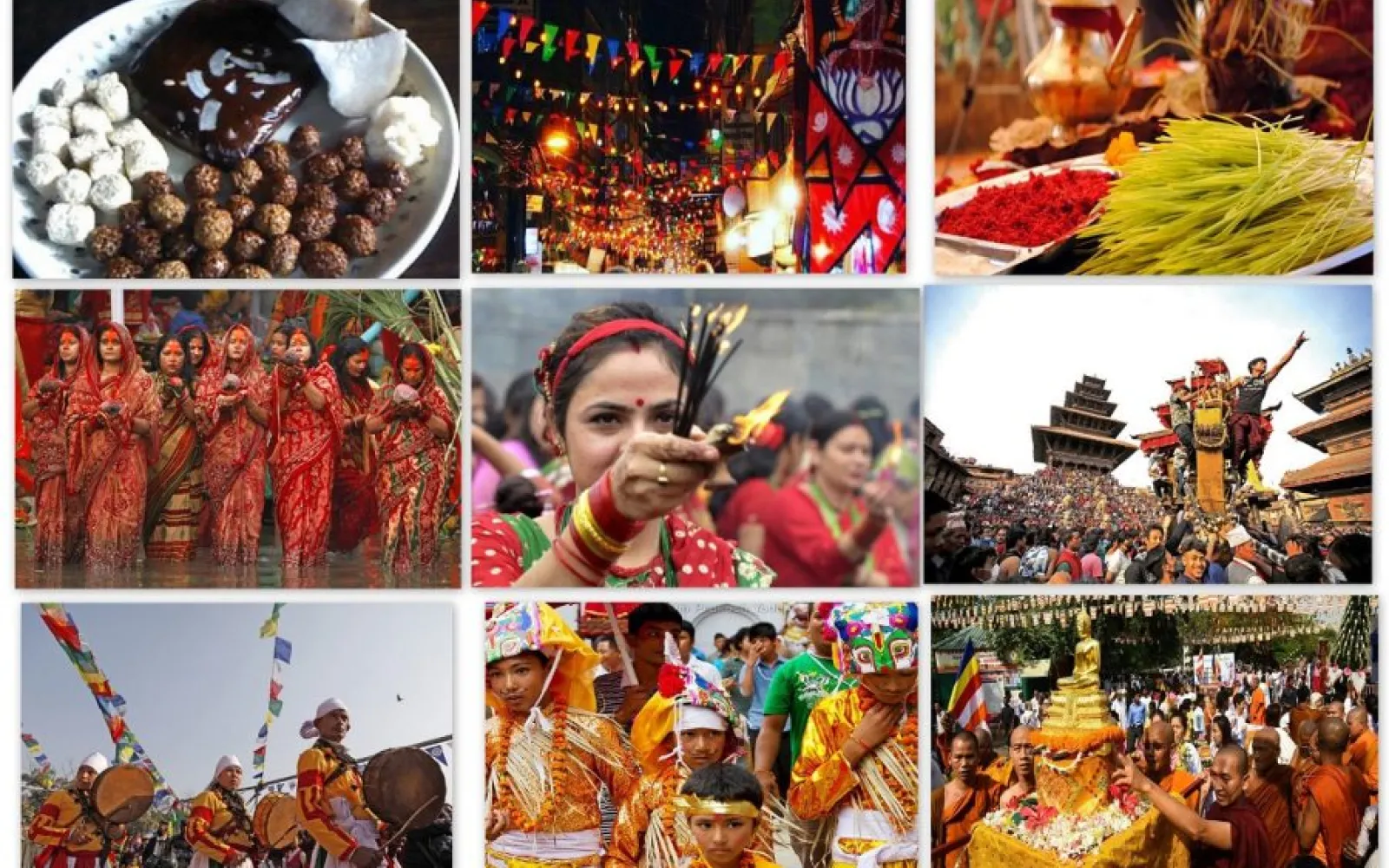
Nepal is a land where culture and spirituality are woven into everyday life, and nowhere is this more evident than in its seasonal festivals. Throughout the year, the country comes alive with vibrant celebrations filled with color, music, rituals, and deep-rooted traditions. These festivals are not just religious observances—they are a reflection of Nepal’s diverse heritage, bringing communities together to celebrate life, faith, and harmony.
From sacred temple rituals to joyful public gatherings, each festival offers a unique insight into Nepalese identity, where ancient beliefs continue to thrive in modern times.
Chaite Dashain marks an important springtime celebration dedicated to Goddess Durga, symbolizing the triumph of good over evil. Observed during the bright fortnight of the Nepali month of Chaitra, this festival falls on Ashtami and Nawami and carries deep religious significance.
Temples across the Kathmandu Valley, particularly in Bhaktapur, become vibrant centers of devotion. Devotees gather early in the morning to offer flowers, vermillion, and prayers to the goddess. The air is filled with the rhythmic chants of priests and the fragrance of incense, creating a powerful spiritual atmosphere.
While traditional practices such as animal sacrifice are still observed in some temples, many devotees choose symbolic offerings or fasting, consuming only fruits and milk. The festival serves as a timeless reminder of courage, faith, and the victory of righteousness.

Celebrated as the birth anniversary of Lord Rama, Ram Nawami continues the spiritual energy of Chaite Dashain. Lord Rama, revered as a symbol of virtue, truth, and justice, is honored across Nepal with great devotion.
Temples are beautifully decorated, and idols of Rama, Sita, Lakshman, and Hanuman are displayed in processions. Devotees observe fasting and perform puja rituals, offering fruits, sweets, and flowers. Religious discourses and recitations from the Ramayana echo through temples and homes.
Families gather to participate in aarti ceremonies and sing devotional songs, creating an atmosphere filled with reverence and joy. This festival reinforces moral values and the importance of righteousness in everyday life.

The Nepali New Year, or Nava Barsha, marks the beginning of the Bikram Sambat calendar. Falling in mid-April, it is a time of renewal, reflection, and fresh beginnings.
People celebrate by cleaning and decorating their homes, wearing new clothes, and exchanging gifts and शुभकामना (good wishes) with family and friends. Streets and marketplaces are lively with celebrations, music, and gatherings.
Many individuals visit temples to seek blessings for prosperity and success in the coming year. The New Year is not only a festive occasion but also a moment to set new goals and embrace positivity for the future.
Matatirtha Aunsi, also known as “Aama ko Mukh Herne Din” (Mother’s Day in Nepal), is a deeply emotional and meaningful festival dedicated to honoring mothers.
On this day, children express gratitude and love by offering gifts, sweets, fruits, and clothing to their mothers. Families come together to celebrate the nurturing and unconditional love that mothers provide.
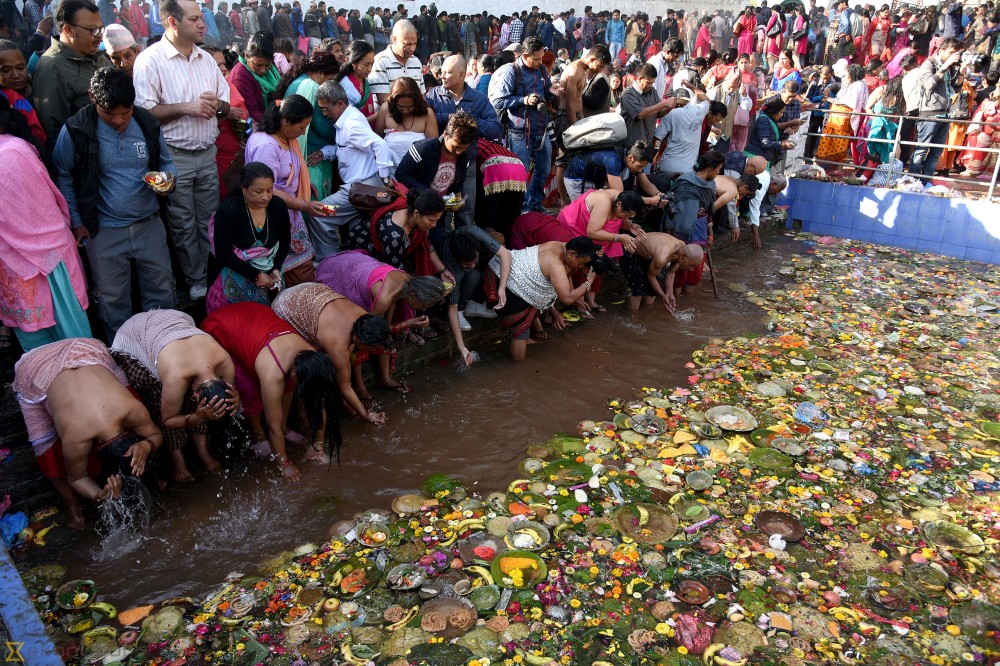
For those who have lost their mothers, the day holds a spiritual significance. Many visit the sacred Matatirtha temple in Kathmandu to perform rituals and pay tribute to their departed mothers. It is a day of remembrance, respect, and heartfelt appreciation.
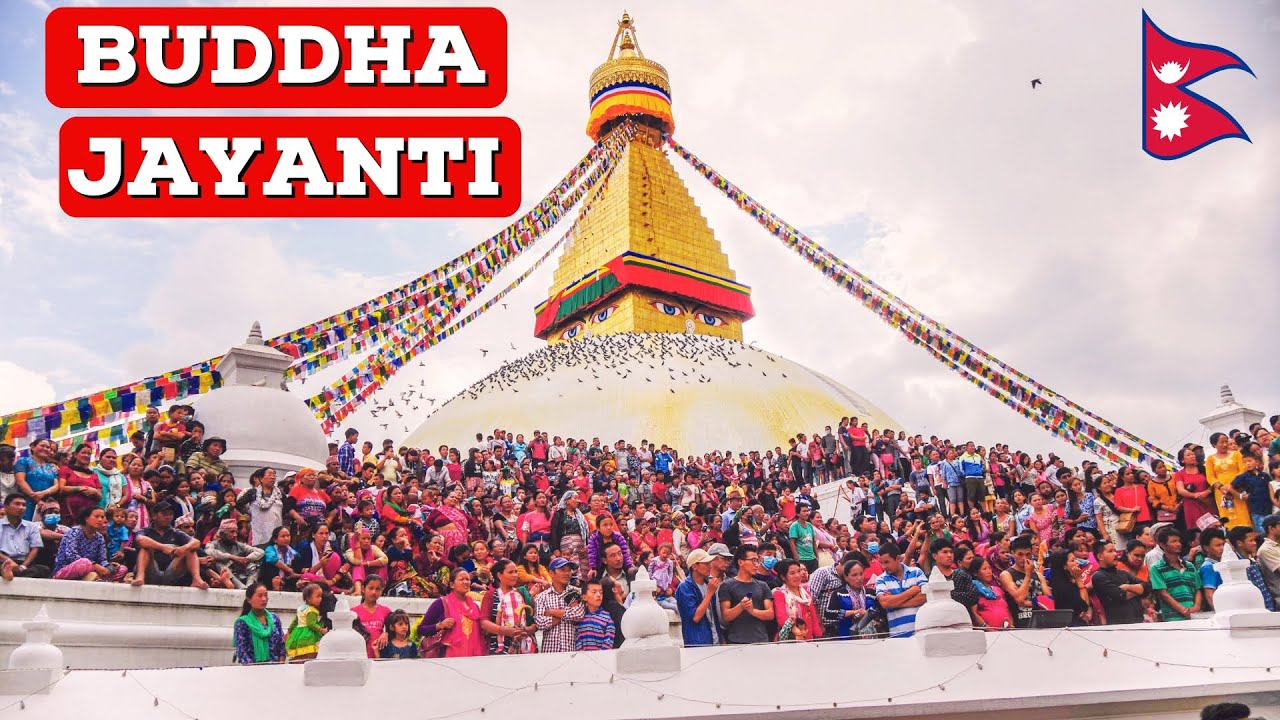
Buddha Jayanti, also known as Buddha Purnima, is one of the most sacred festivals in Nepal, especially for the Buddhist community. It commemorates three significant events in the life of Gautama Buddha—his birth, enlightenment, and passing into Nirvana.
Pilgrims from around the world gather at holy sites such as Lumbini, Swayambhunath, and Boudhanath. Monasteries and stupas are adorned with prayer flags, butter lamps, and offerings of flowers and rice.
The peaceful chanting of monks and the serene ambiance create a deeply spiritual experience. This festival promotes the universal values of peace, compassion, and mindfulness, attracting both devotees and travelers seeking spiritual insight.
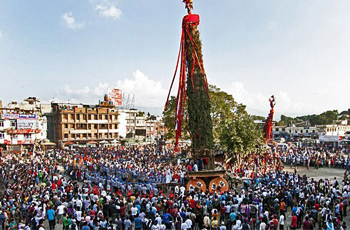
Bhoto Jatra is a unique and culturally rich festival that marks the conclusion of the Rato Machindranath chariot procession. Celebrated in Jawalakhel, this event is dedicated to the rain god Rato Machindranath, believed to ensure a good harvest.
The highlight of the festival is the display of a jewel-studded vest (bhoto) from a tall platform in front of a massive crowd. The tradition is rooted in a fascinating legend involving a serpent king and a farmer.
The presence of dignitaries, including the President and the Living Goddess Kumari, adds grandeur to the occasion. Music, dance, and community participation make Bhoto Jatra a lively and unforgettable celebration.
Rastriya Dhan Diwas, or National Paddy Day, celebrates the beginning of the rice planting season during the monsoon. Observed on Asar 15, it highlights the importance of agriculture in Nepal’s economy and culture.
Farmers gather in muddy fields, joyfully planting rice seedlings while singing traditional folk songs. The atmosphere is filled with laughter, music, and a sense of unity.
The day concludes with the sharing of dahi chiura (yogurt and beaten rice), symbolizing prosperity and nourishment. This festival not only honors the hard work of farmers but also connects people to the land and the rhythms of nature.

Note: Seasonal festivals in Nepal are more than celebrations—they are living traditions that reflect the country’s spiritual depth, cultural diversity, and communal harmony. Each festival tells a story, preserves ancient customs, and brings people together in shared joy and devotion.
For travelers and cultural enthusiasts, experiencing these festivals offers a unique opportunity to witness Nepal’s soul—vibrant, spiritual, and deeply rooted in tradition.