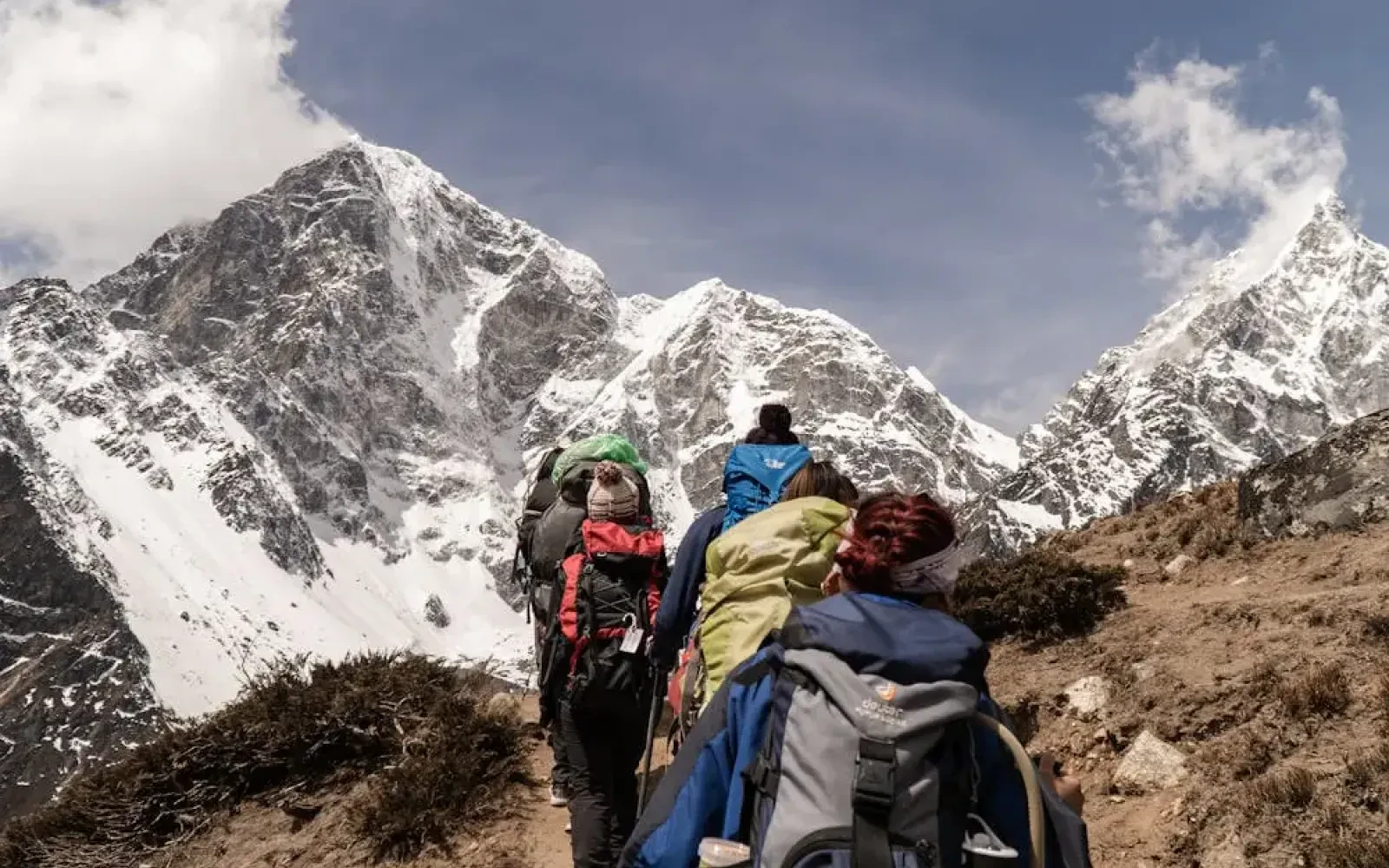
For Karnali Rafting and Adventure Pvt. Ltd., trekking can be described as an immersive adventure experience that takes travelers through Nepal’s breathtaking landscapes, from the remote wilderness of Karnali and the Far-Western Himalayas to the culturally rich trails of Nepal.
Trekking with Karnali Rafting and Adventure
At Karnali Rafting and Adventure Pvt. Ltd., trekking is not just about reaching a destination—it’s about exploring untouched nature, experiencing authentic cultures, and challenging personal limits. Our guided treks take you through rugged mountains, pristine riversides, and hidden trails where nature and adventure blend seamlessly.
We specialize in:
With our expert guides, well-planned itineraries, and a passion for adventure, Karnali Rafting and Adventure guarantees an unforgettable trekking experience. Whether you’re seeking a spiritual journey, a challenging expedition, or a peaceful nature escape, we have the perfect trek for you!
Would you like this refined into a slogan or promotional content for your business?
The Nepal Adventure Tour is a carefully curated 8-day experience blending the best of Nepal’s natural beauty, rich culture, and adrenaline-pumping activities. From the ancient palaces of Kathmandu to the serene beauty of Pokhara, the lush forests of Ghorepani, and the thrill of white-water rafting on the Seti River—this itinerary is perfect for those seeking a balanced travel experience.This immersive journey takes you deep into the heart of Nepal, offering a taste of everything: UNESCO World Heritage Sites, stunning Himalayan panoramas, traditional village life, and outdoor adventure. With expert guides, private transport, comfortable hotels, and locally-run tea houses and camps, this tour is designed for travelers who want an authentic yet hassle-free introduction to Nepal.Best Time for Nepal Adventure TourNepal is a year-round destination, but the best time for the Nepal Adventure Tour is during spring (March–May) and autumn (September–November). These seasons offer the clearest mountain views, pleasant daytime temperatures, and stable weather for trekking and rafting.Spring brings blooming rhododendrons and lush greenery—especially beautiful during your Ghorepani trek. Autumn, on the other hand, offers crisp air and excellent visibility, perfect for sunrise views from Poon Hill and safe, enjoyable rafting on the Seti River. Avoid the monsoon months (June–August) if you're looking to maximize clear skies and minimize rain.Nepal Adventure Tour ActivitiesThis tour includes a diverse range of activities that showcase the beauty and thrill of Nepal:Cultural Sightseeing: Explore centuries-old architecture in Kathmandu, Patan, and Bhaktapur Durbar Squares, the spiritual Swayambhunath Stupa (Monkey Temple), and charming Thamel markets.Trekking to Ghorepani: A scenic trek through rhododendron forests and Gurung villages, culminating in the iconic Poon Hill sunrise, where you witness a 360° view of the Annapurna and Dhaulagiri ranges.White Water Rafting: Enjoy Seti River rafting, ideal for beginners and families, with its gentle Class II-III rapids and warm waters. Camp riverside under the stars and enjoy Nepal’s pristine nature.Pokhara Exploration: Relax in Lakeside Pokhara, take a serene boat ride on Fewa Lake, and catch sunset views from Seto Gumba Stupa.Shopping & Local Markets: Time in Thamel offers a chance to shop for Nepali handicrafts, trekking gear, and souvenirs.Why Choose Nepal Adventure Tour with Karnali Rafting and Adventure?At Karnali Rafting and Adventure, we believe travel should be more than just sightseeing. It should be a life-changing journey. Our Nepal Adventure Tour is crafted by local experts, ensuring not only seamless logistics but also authentic cultural interactions and memorable adventure experiences.We provide high-quality services at every step—from knowledgeable guides and safe drivers to cozy accommodations and delicious local meals. Our team has deep roots in Nepal’s trekking and rafting communities, ensuring you travel with people who truly understand the land and its traditions. Safety, comfort, and responsible tourism are at the core of what we do.Why Choose This Package?Best of Nepal – Culture, Trekking, & Adventure in 8 DaysThis tour gives you a little bit of everything Nepal has to offer—sacred temples, panoramic mountain treks, serene lakes, and exciting river rafting—all in just over a week.Perfect Balance – Mix of Sightseeing, Rafting, and TrekkingUnlike typical trekking packages, this tour is designed for all levels of fitness and interests. Whether you're drawn to nature, heritage, or adrenaline, this itinerary has you covered.Comfortable & Hassle-Free – Private Transport & Quality AccommodationWith private ground transport, hand-picked hotels, and guided tours, you’ll enjoy your trip without the stress of planning logistics. All you have to do is show up and enjoy Nepal.Final ThoughtsThe Nepal Adventure Tour by Karnali Rafting and Adventure is more than a holiday—it’s a journey through Nepal’s soul. Whether you're watching the sunrise over the Himalayas, rafting through jungle gorges, or walking ancient streets, this experience will leave you with stories to tell for a lifetime.We also offer customizations for private groups, families, and solo travelers. Let us know if you'd like to extend your trip, add more adventure, or include cultural workshops—we'll tailor the experience to your needs.
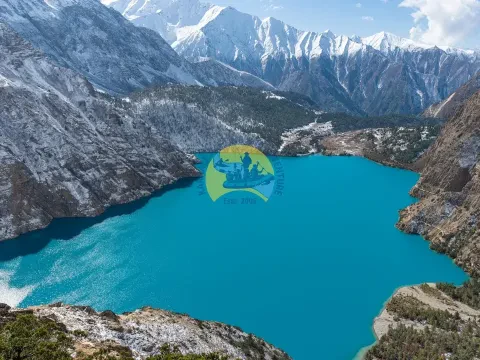
Phoksundo Lake Trek is one of Nepal’s most mesmerizing short treks, leading you into the heart of Dolpo, one of the most remote and culturally preserved regions of the Himalayas. The trek revolves around the iconic Shey Phoksundo Lake (3,611 m)—a turquoise alpine lake famous for its crystal-clear waters, sacred Buddhist heritage, and dramatic cliffs rising straight from the water’s edge. This 9-day trekking adventure offers an exceptional blend of mountain flights, traditional Dolpo culture, unspoiled nature, hidden waterfalls, dense forests, and striking landscapes that feel untouched by time. The route passes through charming villages like Dunai, Chhepka, Jharana, and Raktang, each offering insights into the ethnic Thakuri, Bonpo, and Tibetan-influenced cultures. The trek is moderately challenging and perfect for trekkers seeking a short but rewarding Himalayan experience without extremely high altitudes. The journey starts with flights from Kathmandu to Nepalgunj and then to Juphal—one of the most scenic mountain flights in Nepal—followed by an exciting trekking trail through Shey Phoksundo National Park. As part of your adventure, Karnali Rafting & Adventure Pvt. Ltd., a trusted and experienced local adventure company from Western Nepal, ensures the safest and most authentic trekking experience. With professional guides, quality logistics, and years of operational excellence in Karnali & Dolpo regions, we deliver a memorable Himalayan journey that blends adventure, comfort, and cultural discovery. This trek is ideal for adventure lovers, photographers, nature enthusiasts, and travelers seeking hidden gems of Nepal away from crowded mainstream trekking routes.
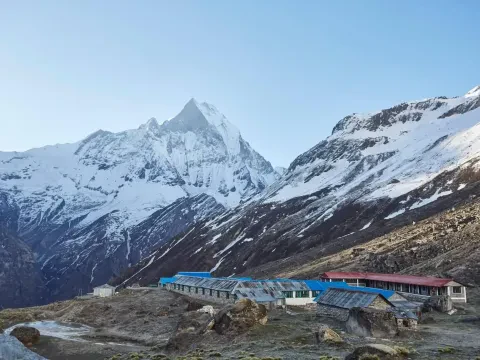
The Annapurna Base Camp (ABC) Trek is one of Nepal’s most iconic and rewarding trekking routes, taking adventurers deep into the heart of the Annapurna region. At a maximum elevation of 4,130 meters (13,546 feet), the journey to Annapurna Base Camp offers trekkers the chance to experience the stunning Himalayan landscapes, rich Gurung culture, and diverse ecosystems – all within a two-week itinerary. This trek is a perfect blend of nature, adventure, and cultural exploration.Offered by Karnali Rafting and Adventure, the ABC Trek follows a carefully crafted route starting from Kathmandu, winding through the beautiful lakeside city of Pokhara, and leading into serene mountain villages like Ghandruk, Chomrong, and Deurali. Along the way, trekkers are treated to panoramic views of majestic peaks including Annapurna I, Machapuchare (Fishtail), Hiunchuli, and Dhaulagiri. From the terraced rice fields to the alpine glaciers, the trek showcases the dramatic transition in terrain and climate, making it a photographer's and nature lover’s paradise.Best Time for Annapurna Base Camp TrekTiming your Annapurna Base Camp Trek is crucial to fully enjoy the spectacular scenery and avoid weather disruptions. The best seasons are spring (March to May) and autumn (September to November). During spring, the trail is adorned with blooming rhododendrons and lush greenery. Temperatures are moderate, skies are generally clear, and the high-altitude views of snow-capped peaks are absolutely breathtaking.In contrast, the autumn months offer the clearest skies and the most stable weather. With the monsoon rains gone, the trails are dry, and visibility is at its peak – perfect for photography and mountain viewing. Although winter (December to February) is also possible, expect colder temperatures and snow at higher altitudes, which may lead to closed trails. Monsoon season (June to August) brings heavy rain, slippery paths, and leeches, making it less ideal for trekking.Annapurna Base Camp Trekking DifficultyThe Annapurna Base Camp Trek is considered moderate in terms of difficulty, making it accessible for both experienced trekkers and fit beginners. The trek involves daily walks of 5 to 7 hours, with well-established trails that include a mix of gradual ascents, stone staircases, and occasional steep climbs. The maximum elevation of 4,130 meters at the base camp introduces a risk of altitude sickness, but the itinerary by Karnali Rafting and Adventure includes gradual elevation gain, proper acclimatization days, and overnight stops that support altitude adjustment.While prior trekking experience is helpful, it’s not mandatory. With reasonable fitness, determination, and a positive mindset, most people can complete the ABC Trek successfully. It’s recommended to prepare physically with regular cardio workouts, uphill walking, and some strength training at least a month in advance. Karnali Rafting and Adventure ensures your safety and comfort with experienced guides, porters, and well-planned logistics throughout the journey.Annapurna Base Camp Trek ActivitiesThe ABC Trek is much more than just a walk in the mountains – it’s a full-spectrum adventure experience. Along the route, trekkers get to explore traditional villages, interact with the warm and hospitable Gurung and Magar communities, and witness their unique lifestyles, food, and cultural practices. The picturesque village of Ghandruk, for example, offers a chance to visit local museums and enjoy traditional dances, giving you a deeper understanding of life in the Himalayas.As the trail ascends, the landscapes shift dramatically – from subtropical forests to bamboo groves, alpine meadows, and glacial moraine. Trekkers also have the opportunity to soak in natural hot springs at Jhinu Danda, a perfect way to relax sore muscles before concluding the trek. At Annapurna Base Camp itself, the awe-inspiring 360-degree panorama of snow-covered giants is the ultimate reward. The sunrise and sunset views from ABC are unforgettable and create lifelong memories. Every step of the trek offers adventure, discovery, and connection with nature.Why Choose Annapurna Base Camp Trek?The Annapurna Base Camp Trek is a perfect mix of moderate challenge, natural beauty, and cultural richness, making it one of the most rewarding trekking experiences in Nepal. Compared to more strenuous treks like Everest Base Camp, ABC offers similar alpine thrills without requiring extreme endurance or high-altitude experience. The proximity to Pokhara, shorter trekking duration, and good trail infrastructure make it accessible to a wide range of travelers.Choosing Karnali Rafting and Adventure for this journey ensures you receive professional guidance, personalized service, and deep local knowledge. We are a Nepal-based adventure company with a strong reputation for delivering safe, memorable, and sustainable trekking experiences. Our guides are licensed, experienced, and passionate about the mountains. Whether you’re a solo traveler, couple, or group, we handle every detail – from permits to transport – so you can focus on enjoying your Himalayan adventure.
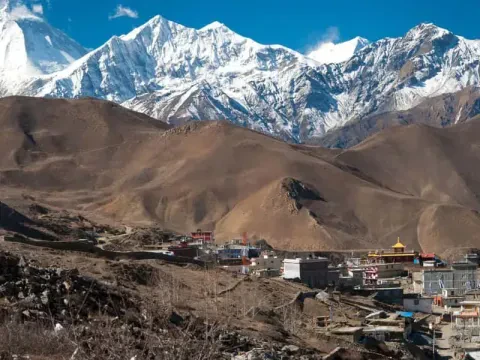
Upper Mustang Trek – A Journey to the Hidden Kingdom of Lo The Upper Mustang trek takes you on an unforgettable journey to the remote and mystical Kingdom of Mustang, also known as Lo, nestled in the trans-Himalayan region of Nepal. Situated at the border of Tibet, this secluded area is a hidden gem that offers a distinct Tibetan culture, arid landscapes, and stunning views that make it one of the most unique trekking destinations in the world. The trek begins at Kagbeni, the gateway to Upper Mustang, where you will experience a fascinating fusion of Tibetan culture and Nepali traditions. From Kagbeni, the trail leads you through a stark and desolate landscape, sheltered from the monsoon by the mighty Dhaulagiri massif, and takes you deeper into the rain shadow of the mountains toward Lo-Manthang, the ancient capital of the Kingdom of Lo. Cultural Immersion & Exploration As you make your way through this extraordinary terrain, you’ll visit sacred sites such as caves, rock paintings, monasteries, and gompas (Buddhist temples) that tell stories of a time long past. The trek is a perfect blend of adventure and culture, with each step offering a glimpse into the spiritual life of the local people and their traditions. In Lo Manthang, you’ll be greeted by the King's Palace, where you can immerse yourself in the royal history of this once-independent kingdom. A visit to Namgyal Gompa and Tingkhar, the farthest village in the northwest, will allow you to experience the quiet beauty and serenity of the area. Gyakar, located just a few hours' walk from Lo Manthang, is home to the Ghar Gompa, a sacred site dedicated to Guru Rinpoche, believed to have visited this area over 1,200 years ago. The rock paintings at Ghar Gompa are legendary, and it is said that making a wish here will bring it true – a hopeful tradition for many visitors. The Amchi Museum and traditional Tibetan medical school offer fascinating insights into the ancient healing practices of the region, where you can learn how Amchi (Tibetan doctors) are adapting their ancient wisdom to modern times. Stunning Panoramic Views Throughout your trek, enjoy panoramic views of the majestic peaks of the Annapurna, Nilgiri, and Dhaulagiri mountains. The landscape is unlike any other, with its barren cliffs, unique rock formations, and vibrant colors that change with the light. The dry, desert-like terrain provides an interesting contrast to the lush landscapes found in other parts of Nepal, making this trek a photographer's paradise. A High Altitude Adventure The trek takes you to altitudes ranging from 3,000m to 3,800m, with some areas exceeding these elevations. While the high altitude and dry air can be challenging, it is manageable for most trekkers with proper acclimatization. On average, you will hike 5 to 7 hours each day, and some paths are known to be windy and dusty, adding to the rugged appeal of the journey. For many, this slower pace allows for the opportunity to absorb the beauty of the surroundings and fully immerse in the local culture. The trek follows parts of the ancient salt trade route, offering not just an adventure in the natural world but also a journey through the rich cultural heritage of the region. Whether you are a beginner or an experienced trekker, the Upper Mustang trek promises to leave you with unforgettable memories and a deep appreciation for the timeless beauty of this remote part of Nepal. Why Choose the Upper Mustang Trek? Unique Tibetan Culture: Experience the traditional lifestyle and spiritual practices of the people of Mustang. Stunning Landscapes: Trek through one of the most unique landscapes in Nepal, with panoramic mountain views, colorful cliffs, and desert valleys. Sacred Sites: Visit ancient gompas, caves, and royal palaces that tell the story of a bygone era. Historical Significance: Explore the forbidden Kingdom of Lo and follow ancient trade routes that have shaped the culture of the region for centuries. This trek is not just a physical journey but also a spiritual one, offering a chance to connect with nature, history, and local traditions. It’s an adventure that will remain in your memory long after you’ve returned home.
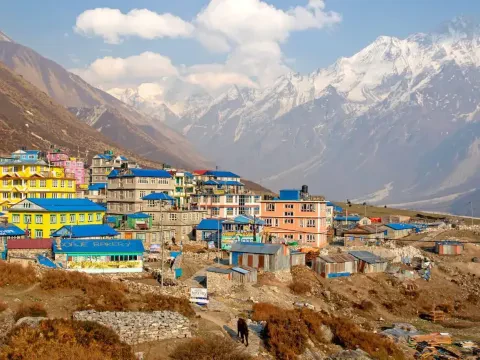
The Langtang Valley Trek is a spectacular journey through one of Nepal’s most pristine and culturally rich Himalayan regions. Located just north of Kathmandu, the trek offers breathtaking views of snow-capped peaks, lush rhododendron forests, and traditional Tamang villages. As you traverse the valley, you will experience a blend of natural beauty and warm local culture, with the opportunity to explore ancient monasteries and interact with friendly villagers. The trek culminates at Kyanjin Gompa, a serene Himalayan village known for its stunning mountain panoramas and yak cheese production.This trek is perfect for adventurers who want a less crowded alternative to the Everest or Annapurna regions but still crave an authentic Himalayan experience. The route winds through diverse landscapes—from dense forests to alpine meadows—offering unmatched photographic opportunities and peaceful solitude amid the towering peaks.Best Time for Langtang Valley TrekThe best time to e oxplore on the Langtang Valley Trek is during the pre-monsoon (spring) and post-monsoon (autumn) seasons. From March to May, the valley bursts into a vibrant display of blooming rhododendrons and other wildflowers, accompanied by clear skies and moderate temperatures. This is an ideal time for trekkers who want to experience the natural beauty of the region at its peak.The autumn season, from late September to November, offers stable weather, crisp air, and stunning views of the Himalayas. The skies are typically clear, making it perfect for photography and high-altitude hikes. While winter months (December to February) can be challenging due to snow and cold, the trek is still possible for those equipped with the right gear and experience.Langtang Valley Trekking DifficultyThe Langtang Valley Trek is classified as a moderate-level trek, suitable for trekkers with basic fitness and some trekking experience. The gradual elevation gain allows the body to acclimatize comfortably, with overnight stops that prevent altitude sickness. The highest point of the trek is Tserko Ri (5,000 meters), which requires a full day of trekking and a reasonable level of endurance.The trails are well-established and mostly involve walking on dirt paths and stone steps, with some steep ascents and descents. While the trek is not technically demanding, it does require good physical conditioning, especially for longer days like the 7-8 hours trek from Kathmandu to Syabrubesi and the high-altitude climb at Tserko Ri. For novice trekkers, guided support from experienced operators like Karnali Rafting and Adventure ensures safety, proper acclimatization, and an enjoyable experience.Langtang Valley Trek ActivitiesBeyond trekking, the Langtang Valley offers a rich palette of activities to immerse yourself in the local culture and environment. Cultural visits include exploring ancient Buddhist monasteries such as the famous Kyanjin Gompa, where you can witness traditional prayer ceremonies and learn about Himalayan Buddhism. Trekking through the Tamang villages provides an authentic experience of local life, handicrafts, and cuisine.For adventure seekers, ascending Tserko Ri offers panoramic views of the Langtang Lirung peak and the surrounding Himalayan range, making for an unforgettable summit experience. Wildlife enthusiasts can spot Himalayan birds, red pandas (in rare sightings), and various alpine flora. Additionally, the trek allows for photography, nature walks, and relaxation in the peaceful alpine meadows.Why Choose Langtang Valley Trek with Karnali Rafting and Adventure?Choosing Karnali Rafting and Adventure for your Langtang Valley Trek ensures a well-organized and memorable experience led by expert guides who are passionate about the Himalayas. With years of trekking expertise, Karnali Rafting and Adventure provides personalized service, high-quality gear, and strong support for safety and acclimatization. Their local knowledge allows you to experience hidden gems and authentic cultural encounters that typical treks might miss.Moreover, Karnali Rafting and Adventure is committed to responsible tourism, supporting local communities, and minimizing environmental impact. From arranging comfortable teahouse accommodations to handling logistics like transportation and permits, their team takes care of every detail, so you can focus on enjoying the stunning landscapes and rich culture of Langtang Valley without worry.
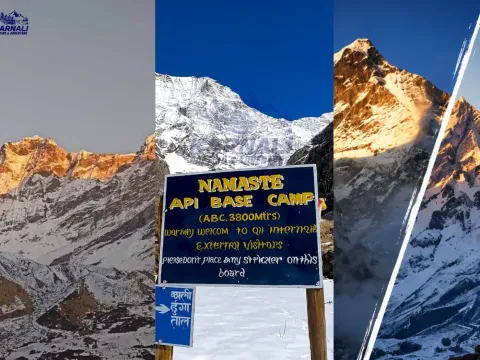
Api Himal (7,132 m), the highest peak in Nepal’s Far-Western region, is a majestic and untouched Himalayan giant located in Darchula district. The trek begins and ends at Makarighad, offering adventurers an extraordinary journey through remote landscapes, pristine forests, and vibrant cultural heritage. Despite the climbing permits provided by the Nepal Government, Api Himal remains unclimbed, making it a dream expedition for explorers seeking solitude and natural beauty. 🏔 Peaks & Surroundings The Api Himal region is surrounded by more than 12 peaks above 6,000 m, offering spectacular views of the high Himalayas. Notable peaks include: Peak NameElevationApi Himal7,132 mJethi-Bahurani6,850 mBobaya Chuli6,808 mKap Chuli6,680 mNampa I6,611 mNampa II6,611 mNampa III6,611 mOther surrounding peaks6,000+ m Trekkers are treated to panoramic vistas of snow-capped peaks, glacial streams, and dramatic valleys, making it a photographer’s paradise. 🏞 Api Himal & Bhobaya Valleys The trek navigates two breathtaking valleys: Api Himal Valley – Known for its serene landscapes, pristine forests, and sacred rivers, this valley is a gateway to Api Himal’s base camp. Bhobaya Valley – Offers a rugged terrain with alpine meadows, wildlife sightings, and a close encounter with remote Himalayan communities. Both valleys are untouched by mass tourism, providing an authentic wilderness experience. 🌿 Nature & Biodiversity The region is ecologically rich and geographically diverse: Forests: Pristine coniferous and broadleaf forests with rhododendrons and alpine flora. Rivers: Rapid-flowing rivers like Chaulani Nadi, rooted in local legends. Holy Lakes: Kalidhunga Lake and other sacred water bodies. Wildlife: Snow leopards, Himalayan tahr, musk deer, and diverse bird species inhabit this remote wilderness. Trekkers will experience virgin landscapes, off-the-beaten-path trails, and tranquil natural settings, ideal for both adventure and spiritual reflection. 🏛 Culture & Lifestyle The Api Himal region is home to the Khas ethnic communities, including Bohara, Lothyal, Khagare, and other traditional groups. Key cultural features: Languages & Songs: Each group preserves ancient dialects and traditional songs. Traditional Attire: Locals historically wove their own clothes and adorned themselves with antique ornaments on the face, neck, hands, and legs. Festivals & Rituals: Surma Sarover: Celebrated on Shukla Purnima of Shrawan month, devotees worship Surma Bhawani. A 7–8 day fair attracts visitors from Darchula, Bajhang, and neighboring districts. Religious Significance: Legends tie rivers like Chaulani Nadi and sites such as Shivadham to spiritual stories of Lord Shiva and local saints. Rituals here are considered equivalent to visiting Mansarover, cleansing sins for devotees. Daily Life: Villagers follow age-old agricultural practices, weaving, and livestock farming. Jatras and cultural gatherings maintain strong social bonds. Trekking here allows intimate interaction with local communities, gaining insight into ancient Himalayan lifestyles rarely seen elsewhere. 🌟 Adventure Highlights Untouched Trails: Remote, lesser-known routes with minimal tourist traffic. Extreme Geography: High elevations, fluctuating terrain, and challenging weather. Scenic Wonders: Panoramic views of multiple 6,000 m+ peaks, serene valleys, rapid rivers, alpine meadows, and pristine forests. Spiritual Journey: Holy lakes, sacred rivers, and legendary meditation sites provide a heavenly experience. Optional adventure extension: Karnali Rafting & Adventure Pvt Ltd offers thrilling rafting trips in Nepal’s western rivers for travelers seeking extra adrenaline. 💰 Trekking Package Api Himal Trek: 2000 USD $ Flight Ticket: Extra 525 USD $ Optional rafting & adventure activities can be added with Karnali Rafting & Adventure Pvt Ltd. ✅ Why Choose Api Himal Trek? Remote & Untouched: Experience the true Himalayas away from crowds. Cultural Immersion: Learn from ancient communities preserving unique traditions. Breathtaking Peaks: Over 12 high Himalayan peaks above 6,000 m. Nature & Wildlife: Rich biodiversity, pristine forests, and alpine lakes. Spiritual & Adventure Combo: Sacred rivers, holy lakes, and thrilling trekking in extreme geographical conditions.
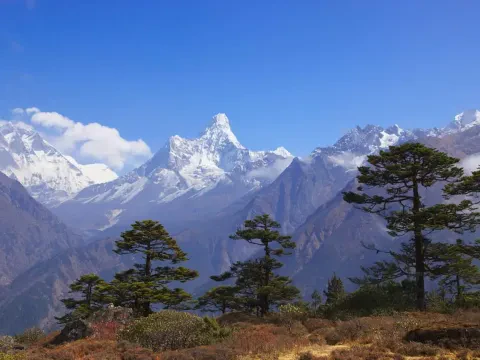
The Everest Panorama Trek is a scenic and culturally immersive short trek in Nepal’s Khumbu (Everest) region, ideal for those who want to witness the grandeur of the Himalayas without trekking all the way to Everest Base Camp. Organized by Karnali Rafting and Adventure, this 8-day trek offers a perfect blend of natural beauty, Sherpa culture, and Himalayan adventure, all while avoiding the physical demands of extreme altitude.Beginning with a thrilling mountain flight from Kathmandu (or Ramechhap) to Lukla, the trek passes through charming Sherpa villages like Phakding and the bustling mountain hub of Namche Bazaar, the unofficial capital of the Everest region. A major highlight is the hike to Hotel Everest View, offering panoramic views of some of the world’s highest peaks — including Mt. Everest (8,848 m), Lhotse, Ama Dablam, and Thamserku. This trek keeps you below 4,000 meters, significantly reducing the risk of altitude sickness while still giving you an incredible Everest experience.Perfect for families, first-time trekkers, and travelers with limited time, this trek combines moderate walking hours (4–6 per day), cozy mountain lodges, and a strong cultural flavor. Karnali Rafting and Adventure ensures your trip is smooth, safe, and enriching by managing logistics, permits, accommodations, guides, and porters.Quick Highlights:Duration: 8 Days (Kathmandu to Kathmandu)Max Altitude: ~3,962 m at Hotel Everest ViewMajor Stops: Kathmandu → Lukla → Phakding → Namche → Hotel Everest ViewTrip Type: Lodge-based trekking, moderate difficultyCompany: Karnali Rafting and AdventureBest Season for Everest Panorama TrekChoosing the right season to do the Everest Panorama Trek greatly influences your overall experience — from visibility of the mountains to comfort on the trail. Karnali Rafting and Adventure recommends trekking during two main seasons: Spring (March to May) and Autumn (September to November).Spring (March–May)This is one of the best times for the Everest Panorama Trek. The weather is relatively stable, with clear skies and warmer daytime temperatures. Spring is also when the rhododendron forests bloom, adding bursts of red, pink, and white to the hillsides, making the trail extremely picturesque. The mornings are typically clear, which is perfect for viewing Mount Everest and Ama Dablam, while afternoons may have occasional clouds.Autumn (September–November)Another excellent time to trek, autumn offers crystal-clear mountain views and pleasant weather. This is also the post-monsoon season, which means the air is clean and dust-free. Temperatures are ideal for trekking, and the skies are mostly clear from dawn till dusk. It’s also the time when Nepal celebrates major festivals like Dashain and Tihar, so you can combine cultural experiences with your trek.Off-Peak Seasons:Winter (Dec–Feb): Cold but still possible for this trek; quieter trails.Monsoon (Jun–Aug): Not recommended due to rain, poor visibility, and flight disruptions.Season Highlights:Spring: Flowers, mild weather, excellent views.Autumn: Crisp air, clear skies, cultural festivals.Winter: Fewer tourists but cold; snow possible.Monsoon: Risk of rain and flight delays.Everest Panorama Trekking Difficulty LevelThe Everest Panorama Trek is considered a moderate trek, making it one of the most accessible Himalayan treks for a wide range of adventurers. It does not go as far or as high as Everest Base Camp, but it still delivers stunning views and a fulfilling Himalayan experience. Karnali Rafting and Adventure has designed this itinerary to allow proper pacing and acclimatization.Trekkers will hike around 4 to 6 hours per day, with manageable elevation gain and rest days built in. The highest point reached is Hotel Everest View at 3,962 m, which is significantly lower than the EBC trek (5,364 m), reducing the chances of altitude-related issues. However, the trail still involves some steep ascents and descents, especially between Phakding and Namche Bazaar. Prior hiking experience is not necessary, but a good fitness level will enhance your comfort and enjoyment.Karnali Rafting and Adventure provides experienced guides and porters who monitor your health and guide you safely through the trails. They’ll also help pace the trek according to your needs. The trek is family-friendly and suited for solo travelers, small groups, and older trekkers who prefer a shorter route with less physical strain.Key Difficulty Factors:Max altitude: ~3,962 m (low risk of AMS)Trekking hours: 4–6 hours per dayTrail type: Well-marked, occasional steep sectionsFitness: Moderate; basic cardio preparation recommendedExperience: Suitable for first-time trekkersFood and Accommodation for Everest Panorama TrekDuring the Everest Panorama Trek, Karnali Rafting and Adventure ensures that your meals and accommodations are safe, hygienic, and comfortable, allowing you to enjoy the Himalayan journey with peace of mind.Accommodation:In Kathmandu: You’ll stay in a comfortable hotel with private bathrooms, Wi-Fi, and all basic amenities.On the Trek: You’ll stay in tea houses (mountain lodges) run by local families. These lodges offer clean twin-sharing rooms, shared toilets, and warm dining areas. While basic, they are cozy and often have spectacular views of the mountains. Heating is limited, so bring a sleeping bag.Food:You’ll be served three meals a day during the trek: breakfast, lunch, and dinner.Typical meals include: Breakfast: Toast, porridge, pancakes, eggs, tea/coffee and Lunch/Dinner: Dal Bhat (rice, lentils, vegetables), momos (dumplings), fried rice, noodles, pasta, soupSnacks and beverages like chocolate bars, soft drinks, tea, and instant coffee are available for purchase.Vegetarian and special dietary options are available — let your guide know in advance.Tip: Avoid meat and alcohol at higher altitudes due to freshness and digestion concerns.Food and Lodging Highlights:Cozy tea houses with stunning viewsNutritious, energy-rich local mealsVegetarian, vegan, and gluten-free options availableBring snacks for extra energy (nuts, bars, chocolate)Hot drinks available in most lodgesEverest Panorama Trekking PermitsTo trek in the Everest region, you’ll need a few official permits. Karnali Rafting and Adventure will handle all permit arrangements, so you don’t need to worry about the paperwork.Required Permits:Khumbu Pasang Lhamu Rural Municipality Permit:This local permit has replaced the traditional TIMS (Trekkers’ Information Management System) card in the Everest region.Cost: NPR 2,000 (around USD $20)Obtained at Lukla or Monjo checkpoint.Sagarmatha National Park Entry Permit:Required to enter the protected area surrounding Mount Everest.Cost: NPR 3,000 (around USD $30) for foreignersAvailable in Kathmandu or at the entrance gate in Monjo.You will need to carry two passport-sized photos and your original passport when permits are issued. Your guide from Karnali Rafting and Adventure will ensure all necessary documents are ready, and fees are included in your trip cost unless stated otherwise.Permit Summary:Khumbu Rural Municipality PermitSagarmatha National Park Entry PermitTIMS not required in this region anymoreAll permits handled by Karnali Rafting and AdventureWhy Choose Everest Panorama Trek – With Karnali Rafting and AdventureThere are countless treks in Nepal, but the Everest Panorama Trek stands out as one of the most rewarding short treks. When paired with the professional services of Karnali Rafting and Adventure, it becomes a seamless, enriching, and safe Himalayan experience.Why This Trek?Short Duration, Big Rewards: Ideal for travelers with limited time, the trek offers iconic views of Mount Everest, Ama Dablam, and Lhotse without the long journey to base camp.Cultural Depth: Explore authentic Sherpa villages, visit Buddhist monasteries, and learn about life in the Himalayas.Lower Risk of AMS: Staying below 4,000 meters makes this trek safer and more comfortable than higher-altitude routes.Why Karnali Rafting and Adventure?Experienced Local Guides: Knowledgeable, certified, and fluent in English. Safety-first approach.Quality Accommodation: Hand-picked tea houses and hotels that are safe, clean, and scenic.All-inclusive Packages: Permits, flights, accommodation, guides, meals—everything taken care of.Personalized Itinerary: Flexibility to adjust based on your pace, health, and interests.Reliable Support: From airport pickup to final departure, every detail is managed professionally.Whether you’re a first-time trekker or a seasoned traveler, the Everest Panorama Trek with Karnali Rafting and Adventure offers a perfect introduction to the beauty, spirituality, and hospitality of the Himalayas.
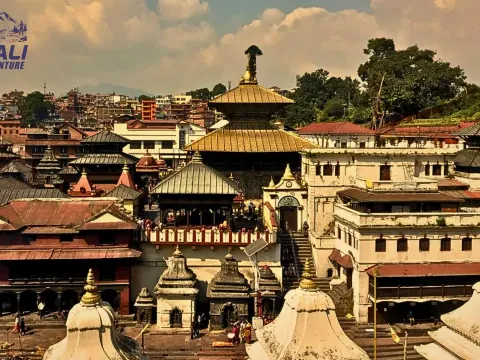
This 2 Days Kathmandu Valley Heritage City Tour is a short and rich cultural journey through Nepal’s most important historical, spiritual, and architectural landmarks. The tour is ideal for travelers who want to experience Kathmandu Valley’s UNESCO World Heritage Sites, ancient temples, Buddhist stupas, Hindu shrines, royal palace squares, Newar art, and Himalayan viewpoints within a limited time. On the first day, the trip begins with a visit to Swayambhunath, also known as the Monkey Temple. Located on a hilltop overlooking Kathmandu Valley, Swayambhunath is one of Nepal’s oldest and most sacred pilgrimage sites. The stupa is famous for its Buddha eyes, prayer flags, monkeys, ancient chaityas, and panoramic views of Kathmandu. The PDF describes it as a symbol of harmony between Buddhism and Hinduism. The journey continues to Boudhanath Stupa, one of the largest Buddhist stupas in the world and the living center of Tibetan Buddhism in Nepal. The area around Boudhanath is filled with monasteries, thangka shops, prayer wheels, rooftop cafés, and Tibetan culture. It is a peaceful place for photography, meditation, and cultural exploration. After Boudhanath, the tour visits Pashupatinath Temple, Nepal’s most sacred Hindu temple dedicated to Lord Shiva. Located beside the holy Bagmati River, Pashupatinath is known for its pagoda-style temple, sacred Shiva Lingam, cremation ghats, sadhus, shrines, and evening Bagmati Aarati ceremony. In the evening, travelers explore Kathmandu Durbar Square, the historic royal palace area of the Malla kings. The square features Hanuman Dhoka Palace, Kumari Ghar, Taleju Temple, Kasthamandap, courtyards, shrines, wood carvings, local markets, and traditional Newar architecture. On the second day, the tour covers Patan Durbar Square, Bhaktapur Durbar Square, and Nagarkot. Patan is known as the “City of Fine Arts” and is famous for Newar architecture, Krishna Mandir, Patan Museum, Golden Gate, courtyards, metalwork, and traditional craftsmanship. Bhaktapur preserves medieval Newar culture with its 55-Window Palace, Nyatapola Temple, Vatsala Temple, Dattatreya Temple, pottery traditions, and cobbled streets. The tour ends with Nagarkot, a beautiful hill station known for Himalayan views and peaceful scenery.
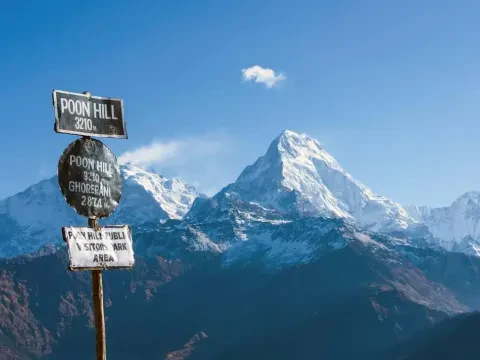
The Ghorepani Poon Hill Trek is one of Nepal’s most accessible, scenic, and rewarding short treks. Situated in the famed Annapurna region, this trek is ideal for beginners, families, and those looking for a cultural and natural experience without the physical strain of higher altitude trekking. It offers panoramic views of some of the highest Himalayan peaks, including Annapurna South (7,219m), Machhapuchhre (Fishtail - 6,993m), Hiunchuli (6,441m), and Dhaulagiri (8,167m), making it a photographer's paradise.Organized by Karnali Rafting and Adventure, this 9-day itinerary starts in Kathmandu, taking travelers through the lakeside city of Pokhara, into traditional villages like Ulleri, Ghorepani, Tadapani, and Ghandruk. The highlight is the early morning hike to Poon Hill (3,210m), a famous viewpoint known for its breathtaking sunrise over the Annapurna and Dhaulagiri ranges. The trek also gives you a deep insight into the Gurung and Magar cultures, with cozy teahouse stays and interactions with local villagers.Key Highlights:Perfect short trek (5-6 days of walking)Spectacular sunrise view from Poon HillCultural immersion in Gurung and Magar villagesLush forests of rhododendron and oakOrganized with expert guidance by Karnali Rafting and AdventureBest Season for Ghorepani Poon Hill TrekChoosing the right time to trek is crucial for the best experience on the Ghorepani Poon Hill trail. The ideal seasons for this trek are spring (March to May) and autumn (September to November). These periods offer the most favorable weather conditions—clear skies, pleasant daytime temperatures, and stunning visibility of the Himalayan peaks.In spring, the forests along the trail burst into color as rhododendrons bloom in vibrant reds, pinks, and whites. It’s a beautiful time for nature lovers and photographers. In autumn, post-monsoon clarity ensures stable weather and some of the best mountain views, making it the peak trekking season.Winter (December to February) is also possible for trekking, especially since the maximum elevation is relatively low at 3,210m. However, it can get cold, and higher sections like Ghorepani and Poon Hill may experience snow. Summer/monsoon (June to August) is generally not recommended due to heavy rainfall, leeches, and slippery trails, although it’s quieter for those seeking solitude.Best Months:March to May (Spring) – Flowers, mild weather, clear viewsSeptember to November (Autumn) – Best visibility, dry and stableDecember to February (Winter) – Quieter trails, potential snowJune to August (Monsoon) – Rainy and less ideal for trekkingGhorepani Poon Hill Trekking Difficulty and PermitsThe Ghorepani Poon Hill Trek is considered easy to moderate, making it suitable for a wide range of trekkers including first-timers, families, and older travelers. The daily walking duration ranges from 4 to 6 hours, with well-marked trails and gradual ascents. The highest point is Poon Hill at 3,210m, which is not high enough to cause serious altitude sickness, but still offers breathtaking mountain views.While physical fitness helps, no technical climbing skills are required. The most challenging part of the trek is the stone staircase from Nayapul to Ulleri, which involves several hundred steep steps. However, with a good pace and guidance from the team at Karnali Rafting and Adventure, most people complete the trek comfortably.Required Permits:Annapurna Conservation Area Permit (ACAP) – NPR 3,000 per person for foreignersTIMS Card (Trekkers’ Information Management System) – NPR 2,000 for individual trekkers or 1,000 if through an agencyBoth permits are arranged by Karnali Rafting and Adventure as part of their trek package, ensuring a hassle-free experience.Trekking Overview:Difficulty: Easy to ModerateMax Elevation: 3,210 metersNo technical skills neededPermits: ACAP and TIMS (included in trek package)Food and Accommodation for Ghorepani Poon Hill TrekAccommodation along the Ghorepani Poon Hill route is primarily in teahouses, small lodges run by local families. These provide a cozy and culturally immersive experience. While basic, they are clean and comfortable, offering twin-sharing rooms with shared bathrooms. Some lodges offer hot showers and charging points for an extra fee.Meals are served in the teahouse dining rooms and feature a variety of local and international dishes. The staple is Dal Bhat (lentils, rice, vegetables), which is nutritious and refilled at no extra cost. Other options include noodles, fried rice, momos, pasta, pancakes, eggs, and soups. Vegetarian meals are widely available, and the food is usually freshly prepared with locally sourced ingredients.Karnali Rafting and Adventure ensures that the accommodations they choose maintain good hygiene standards and are known for their hospitality. Their guides often help you order food, manage expectations with kitchen delays, and recommend what’s freshest and safest to eat.Food & Stay Summary:Accommodation: Simple teahouses/lodgesMeals: Local (Dal Bhat), Western, Vegetarian optionsFacilities: Shared toilets, limited Wi-Fi, paid hot showersDining: Cozy communal spaces with mountain viewsWhy Choose Ghorepani Poon Hill TrekThe Ghorepani Poon Hill Trek is the perfect choice for anyone seeking a short, scenic, and culturally rich Himalayan trekking experience. It doesn’t demand extensive physical preparation or long days at high altitude, yet it rewards trekkers with iconic sunrise views over the Annapurna and Dhaulagiri ranges, charming villages, and the warm hospitality of the Gurung and Magar communities.What makes it especially appealing is the trek’s accessibility from Pokhara, making it easy to fit into a 7–10 day Nepal itinerary. Unlike remote treks, this one provides the balance of natural beauty and comfort, with relatively better infrastructure. The forests, waterfalls, terraced farms, and rhododendron blooms in spring add immense scenic value.Choosing Karnali Rafting and Adventure enhances the experience with their experienced local guides, personalized service, and excellent logistics management. They offer not just guided trekking but also cultural insights, eco-friendly practices, and safety-first approach, ensuring a meaningful and enjoyable journey for every traveler.Why Trek This Route?Short but rewarding Himalayan trekSpectacular mountain and sunrise viewsCultural exposure to Magar and Gurung lifeLess risk of altitude sicknessWell-managed trek with Karnali Rafting and Adventure
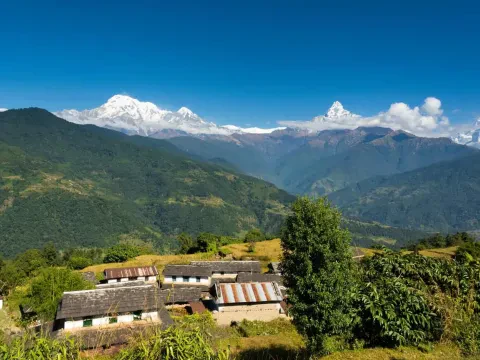
The Dhampus Sarangkot Trek is a short yet incredibly rewarding trekking route located near the picturesque city of Pokhara, Nepal. This trek offers an excellent opportunity for travelers who want to experience the majestic Himalayan panorama without undertaking a long and strenuous expedition. The trek begins with a drive from Pokhara to Phedi, after which you ascend to the traditional Gurung village of Dhampus. This village is renowned for its rich cultural heritage, warm hospitality, and stunning views of the Annapurna range.From Dhampus, the trek continues towards Sarangkot, a popular viewpoint famous for its breathtaking sunrise and sunset vistas over the Himalayas, including peaks like Machapuchare, Annapurna South, and Dhaulagiri. The descent from Sarangkot leads back to the serene city of Pokhara, completing a diverse trekking experience that combines cultural immersion, nature exploration, and panoramic mountain scenery.Best Season for Dhampus Sarangkot TrekThe best time to undertake the Dhampus Sarangkot Trek is during the spring (March to May) and autumn (September to November) seasons. During these months, the weather is generally clear, stable, and pleasant, providing the best views of the mountains. Spring is especially beautiful due to the blooming rhododendrons and other alpine flora along the trail, enhancing the natural beauty of the region.Autumn is preferred by many trekkers for its crisp air and stable skies, which offer excellent visibility of the Himalayan peaks. While summer months (June to August) bring monsoon rains that can make trails slippery and obscure mountain views, and winter months (December to February) can be chilly with occasional snowfall, trekking is still possible for those prepared for colder weather. Overall, spring and autumn remain the optimal periods for an enjoyable and scenic Dhampus Sarangkot Trek.Dhampus Sarangkot Trekking Difficulty and PermitsThe Dhampus Sarangkot Trek is considered a moderate trek suitable for beginners and experienced hikers alike. The trail involves steady uphill and downhill walking but is generally manageable for most fitness levels with proper preparation. The altitude remains relatively low compared to high Himalayan treks, with the highest point around 1650 meters (5413 feet) in Dhampus, which minimizes risks related to altitude sickness.Permits for this trek are straightforward. Trekkers need to obtain a TIMS (Trekkers’ Information Management System) card and an Annapurna Conservation Area Permit (ACAP), which can be arranged easily through trekking companies such as Karnali Rafting and Adventure. This company handles all necessary permits and logistics, ensuring a smooth trekking experience without bureaucratic hassle.Food and Accommodation for Dhampus Sarangkot TrekAlong the Dhampus Sarangkot route, food and accommodation options are comfortable and cater well to trekkers. In Dhampus and Sarangkot, teahouses and lodges provide cozy rooms with basic facilities, offering hot showers, Wi-Fi, and warm meals. The food menu usually includes local Nepali dishes such as dal bhat (lentil soup with rice), momos (dumplings), and a variety of vegetable and meat dishes.The hospitality in these villages is exceptional, with many lodges run by local families who offer a homely atmosphere. Trekkers can enjoy hearty meals prepared fresh daily, and it’s common to find international dishes as well to suit diverse tastes. This balance of comfort and cultural authenticity makes the trekking experience both pleasant and immersive.Why Choose Dhampus Sarangkot Trek?Choosing the Dhampus Sarangkot Trek with Karnali Rafting and Adventure offers a unique blend of cultural richness, natural beauty, and manageable trekking challenge. This trek is perfect for travelers seeking to explore the Himalayan foothills without committing to a multi-day expedition or extreme altitude. The route provides unparalleled views of the Annapurna and Dhaulagiri ranges, combined with the chance to experience traditional Gurung culture in Dhampus village.Karnali Rafting and Adventure stands out for its professionalism, knowledgeable guides, and commitment to responsible tourism. The company ensures safety, comfort, and environmental sustainability throughout the trek. Their personalized service, local expertise, and comprehensive support—from permits to accommodation arrangements—make them a trusted choice for trekking in Nepal. Whether you are a first-time trekker or a seasoned adventurer, the Dhampus Sarangkot Trek with Karnali promises a memorable and enriching Himalayan experience.
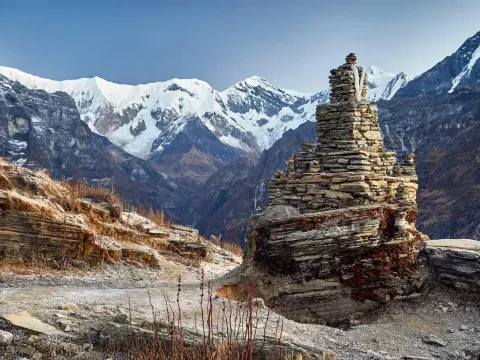
The Mardi Himal Trek, offered by Karnali Rafting and Adventure, is a breathtaking journey through the lesser-explored trails of the Annapurna region, showcasing pristine landscapes, diverse flora and fauna, and panoramic views of the Himalayas. Starting from the bustling city of Kathmandu, trekkers first journey to the serene town of Pokhara before heading to Kande, the gateway to the trek. From here, the trail winds through rhododendron forests, traditional Gurung villages, and alpine meadows, gradually ascending towards the majestic Mardi Himal Base Camp at 4,500 meters.This trek is ideal for those seeking solitude away from the crowded Annapurna Circuit or Poon Hill routes, providing an authentic experience of Nepal’s natural beauty and cultural richness. The diverse terrain offers a balanced mix of challenging ascents and gentle walks, making it perfect for moderate-level trekkers. The trek culminates with spectacular views of Annapurna South, Machapuchare (Fishtail), and Hiunchuli peaks, rewarding adventurers with an unforgettable Himalayan panorama.Best Season for Mardi Himal TrekThe optimal time to undertake the Mardi Himal Trek is during the pre-monsoon (spring) and post-monsoon (autumn) seasons. Spring, from March to May, is renowned for its blooming rhododendrons and lush green landscapes, creating vibrant scenery that captivates trekkers. The weather is generally stable, with clear skies that offer uninterrupted mountain views.Autumn, spanning from late September to November, is another excellent season for trekking in this region. During this period, the skies are often crisp and clear after the monsoon rains, providing spectacular visibility of the snow-capped peaks. These seasons also have moderate temperatures and minimal rainfall, ensuring comfortable trekking conditions. While winter and monsoon seasons are less ideal due to heavy snowfall and rain respectively, some adventurous trekkers may still choose these times for a unique experience.Mardi Himal Trekking Difficulty and PermitsThe Mardi Himal Trek is considered moderately difficult. Trekkers should be prepared for some steep ascents, especially as they approach High Camp and the Base Camp. The altitude gain demands good physical fitness and acclimatization strategies to avoid altitude sickness, particularly as the trek reaches heights over 4,500 meters. The trek involves daily walking times ranging from 3 to 8 hours, with terrain that varies from forest trails to rocky and sometimes icy paths.Permits required for this trek include the Annapurna Conservation Area Permit (ACAP) and a Trekker’s Information Management System (TIMS) card, both of which are managed by the government of Nepal to regulate tourism and protect the environment. Karnali Rafting and Adventure ensures that all necessary permits are arranged seamlessly before the trek, allowing trekkers to focus solely on enjoying their adventure.Food and Accommodation for Mardi Himal TrekThroughout the Mardi Himal Trek, trekkers can expect a range of traditional teahouses and lodges providing simple but hearty meals and basic accommodations. Typical meals include dal bhat (lentils and rice), soups, noodles, and occasionally Western dishes like pasta and pancakes. The food is nutritious and designed to fuel trekkers through long days on the trail.Accommodation generally consists of shared rooms with basic bedding; however, the lodges are warm and comfortable enough to offer a good rest after a day of trekking. Higher camps like High Camp and Base Camp are more rustic, with fewer facilities but stunning mountain views. Karnali Rafting and Adventure partners with trusted local lodges to ensure safety, hygiene, and comfort throughout the journey.Why Choose Mardi Himal Trek with Karnali Rafting and Adventure?Choosing Karnali Rafting and Adventure for your Mardi Himal Trek means opting for a well-organized, authentic, and safe trekking experience. The company prides itself on experienced guides, thorough planning, and personalized attention to each trekker’s needs. Their commitment to responsible tourism ensures that the environmental impact is minimized while supporting local communities.Moreover, their expertise in the Annapurna region means they can tailor the itinerary to match your pace and interests, whether you want a more challenging adventure or a relaxed cultural experience. With comprehensive support from arrival in Kathmandu to your final departure, Karnali Rafting and Adventure provides peace of mind and ensures you focus fully on the breathtaking beauty and tranquility of the Mardi Himal Trek.
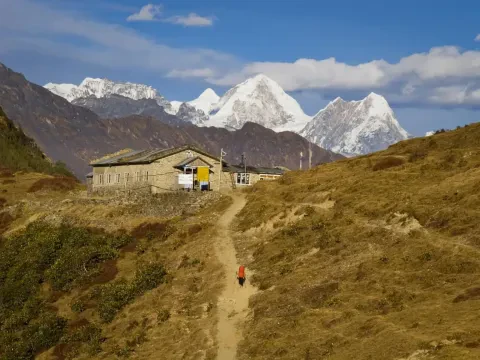
The Helambu Circuit Trek is a captivating journey through the scenic Helambu region of Nepal, known for its beautiful landscapes, rich culture, and serene mountain vistas. Starting from Kathmandu, the trek gently ascends through forests of rhododendrons and pine trees, small Sherpa villages, and terraced farmlands. It offers a perfect blend of nature, culture, and adventure. The trail gradually climbs to higher altitudes but remains accessible to many trekking enthusiasts, making it a popular choice for those wanting to explore off-the-beaten-path areas without extreme exertion.Along the route, trekkers experience the unique lifestyle of the Hyolmo people, whose Tibetan-influenced culture is evident in their colorful houses, monasteries, and traditional festivals. The trek culminates with panoramic views of the Langtang and Jugal Himalayan ranges, providing unforgettable memories. The Helambu Circuit Trek with Karnali Rafting and Adventure is well-organized, ensuring you receive local expertise, comfortable accommodations, and a responsible approach to trekking.Key Highlights:Scenic forest trails with rhododendron bloomsTraditional Hyolmo Sherpa culture and villagesPanoramic Himalayan mountain viewsModerate altitude, suitable for most trekkersBest Season for Helambu Circuit TrekThe ideal time to undertake the Helambu Circuit Trek is during the autumn months of September to November and the spring months of March to May. These periods offer the clearest skies, mild temperatures, and vibrant natural beauty. Autumn is especially popular because the monsoon rains have cleared dust and pollution, revealing crisp mountain vistas and flourishing rhododendron forests in full bloom. Spring also offers lush greenery and blossoming flowers, adding color to the trail.Winter (December to February) can be cold, with some snow at higher elevations, making the trek more challenging but peaceful for those seeking solitude. The summer months (June to August) coincide with the monsoon season, bringing heavy rains, slippery trails, and limited visibility. Therefore, trekking during the monsoon is not recommended unless you are prepared for wet conditions and potential delays. Karnali Rafting and Adventure recommends trekking during peak seasons to ensure safety, pleasant weather, and an overall better experience.Best Season Overview:Autumn (Sept-Nov): Clear skies, mild weather, rhododendron bloomsSpring (Mar-May): Blossoming flowers, green landscapes, moderate temperaturesWinter (Dec-Feb): Cold but less crowded, possible snowMonsoon (Jun-Aug): Heavy rains, slippery trails, not recommendedHelambu Circuit Trekking Difficulty and PermitsThe Helambu Circuit Trek is considered a moderate-level trek, suitable for individuals with basic trekking experience and good physical fitness. The daily trekking distances range from 4 to 7 hours, with gradual ascents and descents, allowing ample time for acclimatization. Altitude sickness risk is relatively low due to the moderate elevations, but trekkers should still be mindful and acclimatize properly. The trail traverses well-maintained footpaths with some steep sections and river crossings, providing a rewarding challenge without being overly strenuous.Permits required for the trek include the TIMS (Trekkers’ Information Management System) card and the Helambu Restricted Area Permit (RAP). These permits help regulate tourism, conserve the environment, and support local communities. Karnali Rafting and Adventure assists trekkers in obtaining all necessary permits, ensuring a hassle-free experience from start to finish. Knowledgeable guides from the company also educate trekkers on altitude safety and environmental responsibility throughout the journey.Difficulty and Permit Details:Moderate trekking difficulty, suitable for most fitness levelsDaily trekking hours: 4-7 hoursAltitude range: 1400m to 2590m approximatelyRequired permits: TIMS card and Helambu Restricted Area PermitPermit assistance and safety briefings provided by Karnali Rafting and AdventureFood and Accommodation for Helambu Circuit TrekThe food and accommodation along the Helambu Circuit Trek offer a comfortable and authentic trekking experience. Tea houses and lodges in the villages serve nutritious meals such as dal bhat (lentil soup with rice), noodles, soups, and local specialties. While Western dishes like pasta and pancakes are increasingly available, the highlight remains the traditional Nepali cuisine, which is both filling and energizing for trekkers. Vegetarians and special dietary needs can usually be accommodated with prior notice through your trekking company.Accommodations are simple but cozy, ranging from family-run guesthouses to small lodges with basic amenities like hot showers and Wi-Fi at certain stops. The homely atmosphere provides an opportunity to connect with local families and learn about their culture firsthand. Karnali Rafting and Adventure ensures all accommodations are vetted for comfort, hygiene, and environmental standards, giving trekkers a restful night before the next day’s adventure.Food and Accommodation Highlights:Traditional Nepali meals and some Western optionsComfortable tea houses and lodges with basic amenitiesHot showers and Wi-Fi available at select stopsLocal hospitality and cultural immersionDietary accommodations available with prior noticeWhy Choose Helambu Circuit Trek with Karnali Rafting and AdventureChoosing the Helambu Circuit Trek with Karnali Rafting and Adventure means embarking on a well-organized, safe, and enriching journey. The company prides itself on delivering personalized service, experienced guides, and responsible tourism practices. Their guides are knowledgeable about local culture, flora, fauna, and mountain safety, ensuring that trekkers receive a meaningful and secure experience. From permit arrangements to accommodation bookings, every detail is handled professionally to let you focus on the adventure.Additionally, Karnali Rafting and Adventure prioritizes sustainable tourism by supporting local communities and minimizing environmental impact. They promote responsible trekking practices such as waste management and respect for cultural traditions. Whether you are a first-time trekker or an experienced adventurer, this company provides the right support, quality equipment, and flexibility to tailor the trek to your preferences, making your Helambu Circuit Trek truly unforgettable.Why Choose Karnali Rafting and Adventure:Experienced and knowledgeable local guidesComprehensive trekking package with permits and logisticsCommitment to sustainable and responsible tourismPersonalized service and safety prioritizationStrong local community support and cultural respect
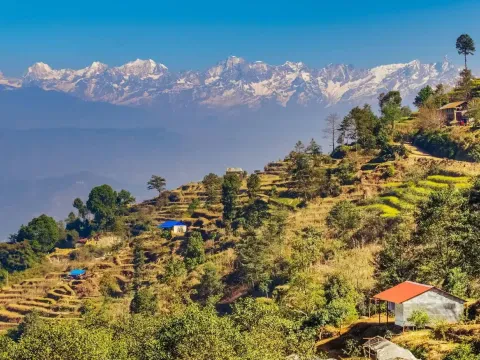
The Chisapani Nagarkot short trek is a captivating journey through the serene landscapes surrounding Kathmandu Valley. Beginning from Sundarijal, the trek takes you on a moderate hike to Chisapani, located at 2,165 meters (7,103 feet). This first day’s hike, lasting approximately four hours, immerses trekkers in dense forests, traditional villages, and spectacular views of the Himalayan range. Chisapani, known for its peaceful ambiance and natural beauty, serves as a perfect spot to rest before continuing to Nagarkot.The second day involves trekking from Chisapani to Nagarkot, which stands at an altitude of 2,175 meters (7,136 feet). This section takes around six hours and offers panoramic vistas of the snow-capped mountains, including Everest, Annapurna, and Langtang ranges on clear days. Nagarkot is famed for its breathtaking sunrise and sunset views over the Himalayas, making it a favorite destination for both trekkers and photographers alike. The trek concludes on the third day with an early morning sunrise experience followed by a scenic drive back to Kathmandu. Optionally, visitors can explore cultural landmarks like Bhaktapur Durbar Square and Changunarayan Temple, enriching the journey with historical and spiritual experiences.Best Season for Chisapani Nagarkot Short TrekThe ideal seasons for trekking the Chisapani Nagarkot route are spring (March to May) and autumn (September to November). During these months, the weather is generally clear and stable, offering the best visibility of the Himalayan peaks. In spring, the rhododendron forests burst into vibrant colors, adding a spectacular floral backdrop to the trek. Autumn, on the other hand, provides crisp air and mild temperatures, making trekking conditions comfortable and enjoyable.Winter trekking (December to February) is possible but can be chilly, especially during early mornings and nights. Summer monsoon season (June to August) brings heavy rainfall, making trails slippery and reducing mountain visibility. Therefore, it is best to avoid the monsoon for this trek. Karnali Rafting and Adventure recommends planning your trip during the prime seasons to fully experience the natural beauty and cultural richness of the region without weather disruptions.Food and Accommodation for Chisapani Nagarkot Short TrekFood during the Chisapani Nagarkot trek mainly consists of traditional Nepali cuisine, including dal bhat (lentil soup with rice), momo (dumplings), noodles, and vegetable curries. Teahouses along the route offer warm meals and refreshments, making it convenient for trekkers to refuel after long hiking hours. The quality and variety of food improve as you get closer to Nagarkot, where some lodges cater to international tastes as well.Accommodation is typically in teahouses and lodges that provide basic but comfortable amenities. In Chisapani and Nagarkot, trekkers can expect clean rooms with shared bathrooms and common areas to relax and socialize. Nagarkot offers a wider range of lodging options, from simple guesthouses to boutique hotels with panoramic mountain views. Karnali Rafting and Adventure ensures that travelers stay in reliable and well-maintained accommodations, prioritizing safety and comfort.Why Choose Chisapani Nagarkot Short Trek with Karnali Rafting and AdventureChoosing Karnali Rafting and Adventure for the Chisapani Nagarkot short trek means opting for a trusted and experienced trekking company committed to delivering authentic and memorable Himalayan adventures. With knowledgeable guides, personalized itineraries, and excellent support, Karnali Rafting and Adventure ensures that every aspect of your trek is seamless—from transportation and permits to accommodation and meals.The company emphasizes responsible tourism, working closely with local communities to promote sustainable travel practices and cultural respect. Whether you are a first-time trekker or an experienced hiker, Karnali Rafting and Adventure offers expert guidance, safety measures, and enriching cultural experiences to make your short trek a highlight of your Nepal journey. Their dedication to customer satisfaction and genuine passion for adventure makes them a top choice for exploring the beauty of Chisapani and Nagarkot.
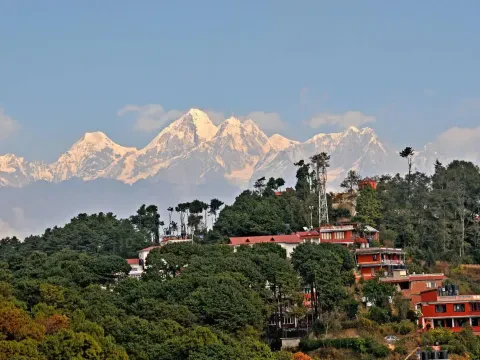
The Nagarkot Day Hike offered by Karnali Rafting and Adventure is a perfect blend of natural beauty, cultural exploration, and invigorating physical activity. Starting from the bustling city of Kathmandu, the journey quickly transports you to the serene landscapes of Nagarkot, a hill station famed for its panoramic views of the Himalayan range. The highlight of this hike is witnessing the spectacular sunrise over the snow-capped peaks, a moment that captures the very essence of Nepal’s mountainous charm. From there, the trek continues through lush terraced fields, peaceful pine forests, and quaint rural villages, providing an authentic experience of Nepal’s countryside life.The route from Nagarkot to Changu Narayan Temple is approximately 12 kilometers, ideal for hikers who enjoy a moderate challenge while soaking in breathtaking scenery. Along the way, the trail offers a mixture of natural beauty and cultural significance, culminating in a visit to Changu Narayan — Nepal’s oldest Hindu temple and a UNESCO World Heritage Site. This day hike perfectly balances adventure with cultural immersion, making it an enriching experience for travelers of all backgrounds.Key Highlights:Early morning departure from Kathmandu to catch the sunrise at NagarkotScenic trek through terraced fields, forests, and traditional villagesVisit to Changu Narayan Temple, a UNESCO World Heritage SiteReturn options include hiking back or comfortable transport to KathmanduBest Season for Nagarkot Day HikeThe Nagarkot Day Hike is best undertaken during Nepal’s dry seasons, primarily in autumn (late September to November) and spring (March to May). During these months, the weather is generally clear, allowing unobstructed views of the Himalayas and vibrant, lush surroundings. Autumn offers cooler temperatures and the clearest skies, making it the most popular season for hiking and photography enthusiasts. Spring, on the other hand, brings blooming rhododendrons and fresh greenery, adding a burst of color to the trail.Winter (December to February) can be chilly, especially in the early morning hours during the sunrise viewing, but it is still doable for those prepared for colder conditions. Summer (June to August) is the monsoon season, which brings heavy rains, slippery trails, and often obscured mountain views, making it less ideal for hiking. Planning your trip with the seasons in mind ensures you have the most rewarding and comfortable experience possible.Best Season Advantages:Autumn: Clear skies, moderate temperatures, best mountain viewsSpring: Colorful flora, pleasant weather, fresh greeneryWinter: Crisp air and fewer tourists (requires warm clothing)Avoid monsoon season due to heavy rain and slippery trailsWhy Choose Nagarkot Day Hike with Karnali Rafting and AdventureChoosing Karnali Rafting and Adventure for your Nagarkot Day Hike guarantees a professional, safe, and personalized trekking experience. With years of expertise in organizing adventure tours across Nepal, Karnali Rafting and Adventure ensures that every detail, from transportation to guided trekking, is managed with the utmost care and efficiency. Their knowledgeable guides not only lead you safely along the trail but also enrich your journey with fascinating insights into the region’s natural environment and cultural heritage.The company prioritizes client comfort and safety, providing well-maintained equipment, timely communication, and flexible itineraries tailored to individual preferences and fitness levels. Whether you are a seasoned trekker or a casual hiker, their friendly guides accommodate all skill levels, making the Nagarkot Day Hike accessible and enjoyable for everyone. Additionally, their commitment to sustainable tourism supports local communities and helps preserve the environment, allowing you to explore responsibly.Reasons to Choose Karnali Rafting and Adventure:Experienced guides with deep local knowledgeComprehensive support and safety measuresCustomizable itineraries to suit different fitness levelsCommitment to sustainable and responsible tourismReliable transportation and logistical arrangements
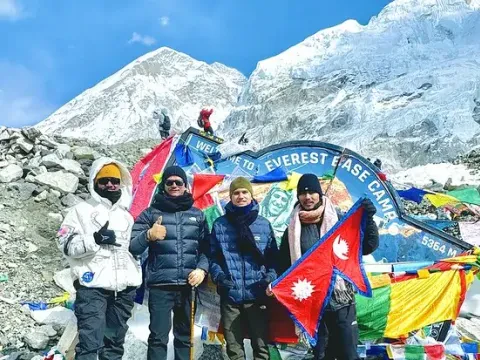
The Everest Base Camp Trek offers the perfect blend of well-maintained paths and the untouched beauty of the Himalayas. This iconic trek, set in the lap of the mighty Everest, allows you to experience the grandeur of Nepal’s natural landscapes and the rich Sherpa culture. It’s a once-in-a-lifetime adventure that not only brings you to the base of the world’s highest peak but also introduces you to the spirit and traditions of the local people.The 14-day journey takes you through breathtaking mountain villages, lush rhododendron forests, ancient monasteries, and alpine terrains, eventually reaching an altitude of 5,364 meters at Everest Base Camp. You’ll witness majestic panoramic views of the Himalayas, including Mount Everest, Lhotse, Nuptse, Ama Dablam, and Pumori. The trek is not just a physical adventure but a deeply enriching cultural experience in the heart of the Khumbu region.Best Time for Everest Base Camp TrekThe best time to trek to Everest Base Camp is during the pre-monsoon (spring) and post-monsoon (autumn) seasons. These periods offer the most stable weather, clear mountain views, and comfortable temperatures for trekking.Spring (March to May): This is a popular season for trekking. The skies are generally clear, the weather is mild, and the rhododendrons are in full bloom, adding vibrant color to the trails. It’s also a great time to spot climbers preparing for Everest summits.Autumn (late September to early December): Post-monsoon, the air is fresh and the skies are crystal clear. The trails are dry and safe, and the mountain views are exceptional. This season attracts trekkers from all over the world for its reliable conditions.While winter (December to February) is less crowded and offers serene landscapes, it comes with freezing temperatures and snow-covered trails. Monsoon season (June to August) is generally discouraged due to heavy rain, slippery paths, and limited mountain views.Everest Base Camp Trekking DifficultyThe Everest Base Camp Trek is considered a moderate to strenuous trek. While it doesn’t require technical climbing skills, it does demand a good level of physical fitness, mental endurance, and preparation for high-altitude conditions.Trekkers will cover around 130 km (80 miles) round-trip, walking 5 to 8 hours per day on varied terrain — from stone-paved trails and suspension bridges to rocky moraines and glacial paths. The real challenge, however, lies in the altitude. At elevations above 3,000 meters, the risk of altitude sickness (AMS) increases, especially as you climb above 4,000 meters and approach Base Camp and Kala Patthar.Proper acclimatization days, hydration, and pacing are crucial to a successful trek. With Karnali Rafting and Adventure’s experienced guides, you’ll be closely monitored and supported every step of the way to ensure a safe and successful journey.Food and Accommodation for Everest Base Camp TrekDuring the trek, you’ll be staying in traditional teahouses or guesthouses, which offer a cozy and authentic Himalayan experience. These lodges provide basic but comfortable rooms, typically with twin beds, shared bathrooms, and common dining areas with wood stoves for warmth.Meals on the trek are nourishing and plentiful. The menu includes both local and international dishes, with staples such as:Dal Bhat (rice, lentil soup, and vegetables) – a favorite for its nutrition and energy.Noodles, fried rice, momos (dumplings), pasta, and soups.Breakfast items include pancakes, porridge, eggs, Tibetan bread, and tea or coffee.While food options are more diverse in lower villages like Namche Bazaar, they become simpler as you gain altitude. All meals are freshly prepared, and vegetarian options are widely available. Karnali Rafting and Adventure ensures that all teahouses and food providers adhere to hygienic cooking practices to maintain your health and energy throughout the trek.Why Choose Karnali Rafting and Adventure Pvt. Ltd.?Choosing the right trekking company is essential for a successful and safe Everest Base Camp adventure. Karnali Rafting and Adventure Pvt. Ltd. offers more than just a trek — we offer a complete Himalayan experience with a deep commitment to quality, safety, and responsible travel.Why trek with us?Experienced Guides: Our professional trekking guides are highly trained in first aid, high-altitude sickness management, and emergency protocols. Their local knowledge and dedication ensure your safety and comfort at every step.Tailored Itineraries: We understand that every trekker is different. We offer customized itineraries to suit your fitness level, travel time, and interests, ensuring a fulfilling experience.Sustainable and Responsible Travel: We practice eco-friendly trekking methods by minimizing waste and encouraging Leave No Trace principles. We also support local Sherpa communities by partnering with local teahouses and employing local staff.Reliable Logistics and Support: From airport pickups to accommodation bookings, permits, and porter arrangements — we handle all the logistics, so you can focus entirely on your journey.With Karnali Rafting and Adventure Pvt. Ltd., your dream of reaching Everest Base Camp becomes a well-supported, safe, and unforgettable adventure. Join us to explore the roof of the world with confidence and care.
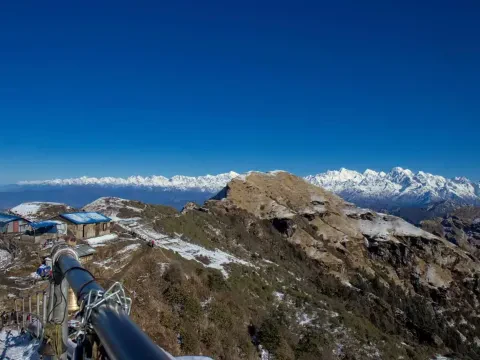
The Kalinchowk Tour and Hike is one of the most scenic and spiritually enriching short treks in Nepal. Organized by Karnali Rafting and Adventure, this 3-day trip offers a perfect blend of culture, nature, and spirituality. The journey begins with a 5-hour scenic drive from Kathmandu to Kuri Village (approx. 3,200 m), nestled amidst the breathtaking hills of Dolakha. Kuri serves as the gateway to Kalinchowk and offers a charming alpine village atmosphere.On the second day, a short hike leads to the sacred Kalinchowk Bhagwati Temple at 3,842 meters. This temple is a significant pilgrimage site for Hindus and is known for its powerful energy and panoramic Himalayan views. The hike is moderately easy, making it accessible even for novice trekkers. From the top, trekkers are rewarded with sweeping vistas of Mt. Gaurishankar, Langtang, Ganesh Himal, and even Mt. Everest on clear days.Highlights:Visit to the sacred Kalinchowk Bhagwati TempleStunning Himalayan panoramaAlpine village life in KuriIdeal for a short 3-day getaway from KathmanduBest Season for Kalinchowk Tour and HikeThe best time to visit Kalinchowk is during autumn (September–November) and spring (March–May) when the skies are clear, and the weather is pleasant. Autumn offers crisp mountain views and colorful foliage, while spring brings blooming rhododendrons and wildflowers. Winter (December–February) is also popular among snow lovers, although the trail may be slippery.Food & Accommodation for Kalinchowk Tour and HikeAccommodations in Kuri Village include charming local lodges and guesthouses with basic to semi-deluxe amenities. Rooms usually offer warm blankets, attached bathrooms (in some places), and traditional Nepali hospitality.Meals served include warm Dal Bhat, noodles, soup, local yak cheese, and momos. During winter, many lodges serve hot soup, tea, and firewood-heated dining areas to keep visitors comfortable. While options are relatively simple, they are hygienic and satisfying after a day of hiking.Essentials:Warm clothing in winterComfortable hiking shoesLight snacks and waterCamera for panoramic viewsWhy Choose Kalinchowk Tour and Hike with Karnali Rafting and AdventureKarnali Rafting and Adventure is known for offering safe, well-organized, and culturally immersive trips across Nepal. When you choose them for the Kalinchowk Tour and Hike, you’re guaranteed expert local guides, personalized attention, and a stress-free experience. Their team manages transportation, accommodation bookings, and guiding services, allowing you to relax and enjoy the scenic beauty of the Himalayas.Unlike crowded trekking destinations, Kalinchowk is relatively less commercialized, offering a peaceful escape into nature without requiring extensive trekking. This makes it perfect for families, solo travelers, couples, and corporate groups looking for a quick mountain retreat. With the added touch of cultural depth and sacred energy at the Kalinchowk Temple, this trip becomes more than just a hike — it’s a spiritual and natural recharge.Why Karnali Rafting and Adventure?Experienced and licensed local guidesComfortable transport and reliable logisticsTailored group or solo toursSafety-first approach with 24/7 support
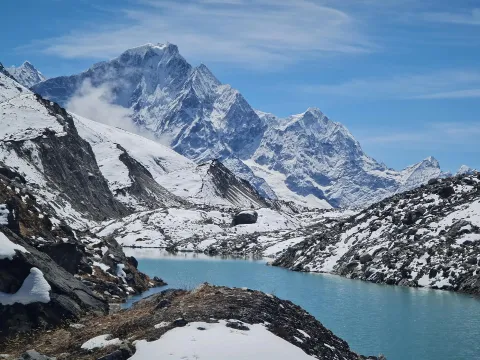
The Gokyo Lakes Trek is truly one of the hidden gems of the Everest Region in Nepal, offering adventurers an extraordinary Himalayan experience. Unlike the traditional Everest Base Camp trek, this route is less crowded yet equally spectacular, making it perfect for those seeking tranquility, natural beauty, and cultural immersion. Over 14 unforgettable days, trekkers are treated to sweeping views of some of the world’s highest peaks, serene glacial lakes, and the vibrant Sherpa culture.Journey OverviewYour journey begins in Kathmandu, Nepal’s bustling capital, where you will receive a full briefing about your trek, gear checks, and a taste of the rich local culture. The following day, a scenic flight to Lukla sets the tone for the adventure, landing you in the gateway of the Everest Region amidst stunning mountain vistas. From here, the trail leads you across a series of iconic suspension bridges, rivers, and pine forests as you make your way to Namche Bazaar, the largest Sherpa village in the region. Namche offers a glimpse into the Sherpa way of life, with traditional houses, local markets, and spectacular views of surrounding peaks.Departing from Namche, the trail diverges from the main route to Everest Base Camp, leading you towards the Gokyo Valley. You will follow the Dudh Koshi River, trek through dramatic landscapes, and finally reach the terminus of the Ngozumpa Glacier, the longest glacier in the Himalayas. Along the way, enjoy the pristine beauty of rhododendron forests, yak pastures, and the chance to witness the rich Himalayan biodiversity.The Lakes and High PassesThe heart of this trek is the exploration of the Gokyo Lakes, a series of five stunning turquoise glacial lakes nestled amidst towering peaks. Spend two days in the region, allowing time to hike to Gokyo Ri (5,357m), a high vantage point offering panoramic views of Mount Everest, Cho Oyu, Lhotse, and Makalu. One of the most striking sights is the 5th Gokyo Lake, whose reflective waters provide breathtaking vistas of the Everest and Cho Oyu massif.The trek is designed with acclimatization in mind, ensuring trekkers can enjoy the high-altitude experience safely. Optional day hikes in the Gokyo area allow you to explore the Ngozumpa Glacier up close, take in views of surrounding peaks, and capture the perfect photographs of this pristine Himalayan environment.Cultural ExperiencesThroughout the trek, you will interact with the Sherpa community, experiencing their warm hospitality in local tea houses and lodges. From traditional Sherpa cuisine to observing monastery rituals, the trek blends adventure with cultural immersion, providing a holistic Himalayan experience. The trail passes through small villages where locals offer insights into their daily lives, farming practices, and spiritual traditions, adding depth to your journey beyond the natural scenery.Return JourneyAfter fully exploring the Gokyo Lakes, the trek retraces its path through Namche Bazaar to Lukla, where a flight back to Kathmandu marks the end of the high-altitude adventure. This journey offers not just adventure but also reflection, allowing trekkers to savor the majestic beauty of the Everest Region one last time from the air.Why Choose This TrekOur team ensures safe, well-organized, and unforgettable trekking experiences in Nepal. Experienced guides, local support teams, and carefully planned itineraries guarantee that every trekker enjoys the best of adventure, culture, and comfort. From acclimatization support to cozy tea houses and expert logistics, we handle all the details so you can immerse yourself fully in the Himalayas.Trek Highlights at a Glance:14 days of trekking in the serene Gokyo ValleyBreathtaking views of Everest (8,848m), Cho Oyu (8,188m), Lhotse, and MakaluCross the longest glacier in the Himalayas – Ngozumpa GlacierExplore five pristine turquoise glacial lakesTrek to Gokyo Ri (5,357m) for panoramic vistasExperience Sherpa culture in Namche Bazaar and local villagesLess crowded and peaceful alternative to Everest Base Camp trekExpert trekking support, logistics, and accommodationIdeal For:Adventure seekers and nature loversPhotographers and Himalayan enthusiastsTrekkers seeking a less crowded Everest Region experienceCultural explorers wanting to experience Sherpa traditionsEmbark on the Gokyo Lakes 14-Day Trek – the ultimate Himalayan adventure for an unforgettable journey through one of the most stunning and unspoiled corners of the Himalayas. Witness towering peaks, sparkling lakes, and Sherpa hospitality on a trek that promises adventure, serenity, and memories that will last a lifetime.Book Your Gokyo Lakes Trek Today – Experience the magic of the Everest Region like never before!
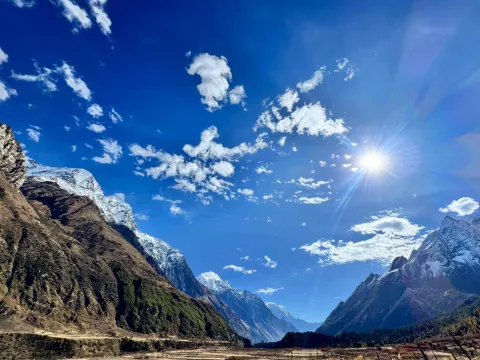
If you’re craving a Himalayan adventure far from the usual tourist trails, the Manaslu trekking circuit is your ultimate escape. Opened to trekkers only since 1991, this restricted route offers a rare glimpse into pristine landscapes and authentic local culture, making it a perfect choice for those who want to experience Nepal’s mountains in their purest form.Why Choose the Manaslu Circuit?The Manaslu region, bordering Nepal and Tibet, is famed for its spectacular scenery: soaring snow-capped peaks, serene valleys, and untouched villages where traditional lifestyles thrive. The trek is carefully designed to offer maximum visual diversity, from lush subtropical forests to high-altitude alpine meadows, without overwhelming moderately-fit adventurers. Thanks to its thoughtful itinerary, altitude sickness concerns are minimized, making it an accessible choice for most trekkers.Experience a Trek Like No OtherAt Karnali Rafting and Adventure Pvt. Ltd., we specialize in providing fully-guided treks that combine adventure with comfort and safety. Our Manaslu trek includes:Stunning Panoramas: Each day brings new views of iconic peaks like Mount Manaslu, along with lesser-known but equally breathtaking ridges and passes.Cultural Encounters: Walk through remote villages, witness traditional rituals, and meet the warm-hearted locals who call these highlands home.Diverse Terrain: From river valleys to high mountain passes, our route ensures a mix of trekking experiences without overexertion.Restricted Access for an Exclusive ExperienceThe Manaslu circuit is a permit-only route, preserving the area’s pristine environment and authentic lifestyle. Trekking with a licensed operator like Karnali Rafting and Adventure Pvt. Ltd. ensures that you comply with all regulations while enjoying a seamless journey through one of the Himalayas’ most spectacular regions.Highlights of the TrekLush Forests & Alpine Landscapes: Traverse rhododendron forests, bamboo groves, and high-altitude meadows.Traditional Villages: Experience authentic rural Nepali culture with warm homestays and local cuisine.Scenic River Crossings & Glacial Views: Cross wooden suspension bridges and marvel at glacial rivers sculpting the landscape.Moderate Difficulty: Ideal for trekkers with moderate fitness levels, minimizing high-altitude health risks.Why Trek with Karnali Rafting and Adventure Pvt. Ltd.?Our experienced guides, careful route planning, and small-group approach make us the preferred choice for adventurers seeking a safe, enriching, and unforgettable journey. We manage all logistics, including permits, accommodations, and transport, so you can focus entirely on the trek and the breathtaking views around you.Embark on your Manaslu adventure today and discover the untouched charm of the Himalayas. Trekking with Karnali Rafting and Adventure Pvt. Ltd. isn’t just a trip; it’s a journey into the heart of Nepal’s natural and cultural treasures.
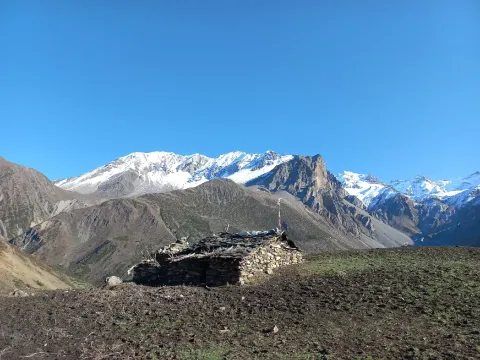
Introduction to Tsum Valley TrekThe Tsum Valley Trek is one of Nepal’s most enchanting and lesser-known trekking adventures, located in the Gorkha District within the protected Manaslu Conservation Area. This off-the-beaten-path route offers a rare opportunity for trekkers to experience unspoiled natural beauty, traditional Tibetan-influenced culture, and the serene lifestyle of the local Gurung communities. Typically completed in about 15 days, the trek begins from Maccha Khola, a small yet charming village that sets the tone for the journey ahead with its peaceful surroundings and deep-rooted cultural traditions. As you enter the valley, the significance of the name “Tsum” becomes clear—it is derived from the Tibetan word “Tsom,” which translates to “clear” or “bright,” a reflection not only of the valley’s pristine environment but also of the spiritual clarity and calm that pervades the region.The valley itself is a visual treat, featuring lush forests, alpine meadows, and a wide variety of rock formations, all framed by the majestic peaks of the Himalayas. Flowering plants in the valley add vibrant colors to the landscapes, enhancing the overall scenic experience for every traveler. One of the key highlights of the trek is Mu Gompa, a remote monastery perched high above the valley. Visiting Mu Gompa offers trekkers not just awe-inspiring panoramic views, but also a chance to witness the practices and traditions of Tibetan Buddhism in a tranquil setting that feels almost timeless. Along the way, travelers will encounter local people whose lives revolve around subsistence farming, livestock, and traditional crafts, offering a unique glimpse into a way of life that has remained largely unchanged for generations. Engaging with the locals provides an invaluable cultural experience, allowing trekkers to learn about rituals, festivals, and the daily routines that shape life in the Tsum Valley.The trek also rewards adventurers with a sense of spiritual and emotional rejuvenation. The combination of clear skies, fresh mountain air, and uninterrupted views of snow-capped peaks creates an environment that is both calming and inspiring. Trekkers often feel a profound connection to nature and a deeper appreciation for the simplicity and resilience of the local communities. Before embarking on this journey, it is essential to secure both the Tsum Valley Permit and the Manaslu Conservation Area Permit to ensure legal access to this protected area. Proper planning and permits allow trekkers to explore the valley safely while supporting conservation efforts and the local economy.In addition to its natural beauty and cultural richness, the Tsum Valley Trek is ideal for those seeking solitude, adventure, and authentic experiences away from the more crowded trekking routes in Nepal. The path winds through charming villages, prayer flags flutter in the mountain breeze, and each step brings new vistas of glacial rivers, terraced fields, and traditional stone houses. For photography enthusiasts, the valley offers endless opportunities to capture striking landscapes, colorful local attire, and spiritual ceremonies. The trek is equally rewarding for those who simply wish to disconnect from the fast pace of modern life and immerse themselves in the quiet rhythms of mountain living.Overall, the Tsum Valley Trek stands out as a perfect blend of breathtaking Himalayan scenery, rich Tibetan Buddhist culture, and the heartfelt hospitality of the local people. It offers travelers an unforgettable journey through one of Nepal’s most pristine and culturally vibrant regions, providing not only physical adventure but also mental and spiritual enrichment. Whether you are drawn by the panoramic mountain views, the fascinating cultural encounters, or the chance to explore a hidden Himalayan paradise, this trek promises a deeply memorable experience, connecting you to the timeless beauty and traditions of Nepal in a way few other treks can.Starting the Journey The adventure of the Tsum Valley Trek begins long before you set foot on the trail—it starts with careful planning, permit arrangements, and anticipation of the breathtaking journey ahead. Most trekkers begin their expedition from the town of Arughat Bazaar, which serves as a gateway to the Manaslu region. From here, the journey takes you through a scenic drive along winding roads that follow rivers, cross suspension bridges, and pass through dense forests, terraced fields, and quaint villages. The road itself offers a preview of the incredible landscapes you’ll encounter on foot, and the first glimpses of the towering Himalayan peaks create a sense of excitement and awe even before the trek officially begins.The trek proper starts from Maccha Khola, a small village nestled alongside the river. This village, though modest in size, is rich in cultural heritage and offers trekkers a first-hand experience of local life. As you step into Maccha Khola, you are immediately immersed in the warm hospitality of the villagers, who maintain a strong connection to Tibetan culture and traditions. You may notice prayer flags fluttering along the riverbanks, mani stones engraved with Buddhist symbols, and monasteries that hint at the spiritual significance of the region. This initial stage is crucial for acclimatization, allowing trekkers to adjust to the elevation while soaking in the valley’s serene atmosphere.From Maccha Khola, the trail gradually ascends, weaving through lush forests, terraced farmland, and narrow paths carved into the hillsides. The first few days are a mix of gentle climbs and picturesque walks along rivers and streams. Along the way, trekkers encounter small hamlets where life moves at a slower, more rhythmic pace, shaped by agriculture, livestock rearing, and traditional rituals. These early interactions with locals offer a glimpse into the community’s way of life, including their daily chores, cultural festivals, and age-old customs that have survived generations. Children may greet you with shy smiles, and elders often welcome travelers with simple gestures of kindness, creating a sense of connection that enriches the trekking experience.As you progress, the landscape becomes increasingly dramatic. Dense forests give way to alpine meadows dotted with wildflowers, and views of the distant snow-capped peaks start to dominate the horizon. The trail also begins to pass through Buddhist monasteries and chortens, emphasizing the spiritual significance of the region. Trekkers can take time to visit these sacred sites, observing meditation practices, prayer rituals, and sometimes even participating in simple ceremonies with the monks. These experiences highlight the deep-rooted Tibetan Buddhist culture that defines life in the Tsum Valley and set the stage for the spiritual encounters that will define the trek’s later stages.Starting the journey on the Tsum Valley Trek is also about mental preparation. The trek is remote, requiring self-reliance, physical stamina, and respect for local customs. Every step taken from Maccha Khola onward brings you closer to the heart of the valley, where pristine landscapes, clear mountain streams, and panoramic Himalayan views await. Early encounters with the valley’s people, flora, and fauna establish a rhythm that balances adventure with cultural immersion, setting the tone for a journey that is as much about inner discovery as it is about exploring the breathtaking natural world.In short, the beginning of the Tsum Valley Trek is a harmonious blend of preparation, cultural immersion, and scenic exploration. From the bustling Arughat Bazaar to the peaceful lanes of Maccha Khola, the initial stage of the trek gently introduces travelers to the valley’s unique landscapes, spiritual richness, and the warm hospitality of its people. It is here, at the very start, that trekkers first feel the magic of Tsum Valley—the promise of adventure, breathtaking views, and meaningful connections that will continue to unfold with each step deeper into this Himalayan paradise.Why “Tsum Valley”? The word Tsum comes from the Tibetan word “Tsom,” meaning clear or bright. True to its name, the valley offers clear skies, stunning mountain panoramas, and peaceful surroundings. Trekkers are often amazed by the views from Mu Gompa, a monastery perched high in the mountains, where the scenery is nothing short of magical.Scenic Beauty & Nature Tsum Valley is a paradise for nature lovers. The landscape features lush green forests, blooming alpine flowers, and unique rock formations. The mountains around the valley provide unforgettable panoramic views. The area’s natural charm attracts trekkers looking to capture the true essence of the Himalayas.Culture & Local Life The valley is home to people with a strong Tibetan Buddhist culture. Most villagers rely on farming and livestock for their livelihood. While trekking, you’ll have the opportunity to interact with locals, learn about their customs, and witness age-old traditions that have been preserved for generations.Trekking Experience This trek is perfect for travelers who enjoy a mix of adventure, culture, and tranquility. Along the route, you will find quiet trails, traditional villages, and mesmerizing viewpoints. Whether it’s the calmness of the monasteries or the scenic beauty of the mountains, every moment in Tsum Valley feels refreshing and rejuvenating.Practical Tips Before starting the trek, ensure you obtain the Tsum Valley Permit along with the Manaslu Conservation Area Permit. These permits not only allow you to enter the region legally but also help in the preservation of this hidden gem.Why Choose Tsum Valley Trek? The Tsum Valley Trek is not just a trek; it’s a journey into one of Nepal’s most hidden and untouched Himalayan regions. While many trekkers flock to popular trails like Everest Base Camp or Annapurna Circuit, Tsum Valley offers a rare combination of adventure, culture, and serenity that is hard to find elsewhere. Here’s why this trek should be at the top of your Nepal bucket list:1. Off-the-Beaten-Path Adventure 🌿Tsum Valley is a remote and less crowded region, which means you can experience Nepal’s natural beauty without the crowds. The trails wind through pristine forests, small villages, and terraced farmland, giving you a true sense of wilderness. If you are someone who wants peace, solitude, and an authentic trekking experience, this valley is perfect.2. Spectacular Natural Beauty The valley is surrounded by the majestic peaks of the Himalayas, with breathtaking panoramic views at every turn. From lush green forests and blooming alpine flowers to unique rock formations and serene rivers, the scenery is constantly changing and mesmerizing. The views from Mu Gompa and other high points are unforgettable, offering clear skies and mountain vistas that seem to stretch forever.3. Rich Tibetan Buddhist Culture The Tsum Valley is deeply influenced by Tibetan Buddhism. Most of the villages you pass through are home to monks and families who maintain traditional lifestyles. You will see ancient monasteries, prayer flags fluttering in the wind, and locals performing rituals passed down through generations. This cultural immersion makes the trek much more than just a physical journey—it’s a spiritual and cultural experience.4. Warm and Hospitable Local People The people of Tsum Valley are known for their friendliness, warmth, and simplicity. Villagers live in harmony with nature, primarily relying on farming and livestock. During the trek, you may have the opportunity to stay in local homestays, share meals, and learn about their customs and traditions firsthand. The connections you make here often leave lasting memories.5. Adventure with Variety The trek offers a diverse trekking experience. From walking through dense forests and riverside trails to crossing high mountain passes and exploring ancient villages, every day brings something new. The moderate trekking difficulty makes it accessible for both beginner and experienced trekkers who want a rewarding adventure with breathtaking scenery.6. Spiritual and Healing Journey Many trekkers report that Tsum Valley feels like a healing retreat. The calm atmosphere, the sound of flowing rivers, the silence of the mountains, and the spiritual presence of monasteries create a peaceful and meditative environment. It’s a perfect trek for those seeking inner peace, reflection, and connection with nature.7. Unique Himalayan ExperienceUnlike other popular trekking destinations, Tsum Valley remains relatively untouched by mass tourism. This means you get a more authentic Himalayan experience, with traditional culture, pristine landscapes, and wildlife sightings along the trail. It’s an ideal choice for travelers who want to explore the real Nepal, far from the crowded tourist routes. Note: Before starting, you will need a Tsum Valley Permit and a Manaslu Conservation Area Permit. Karnali Rafting and Adventure will help ensure all your paperwork is perfectly organized so you can simply focus on the adventure of a lifetime.
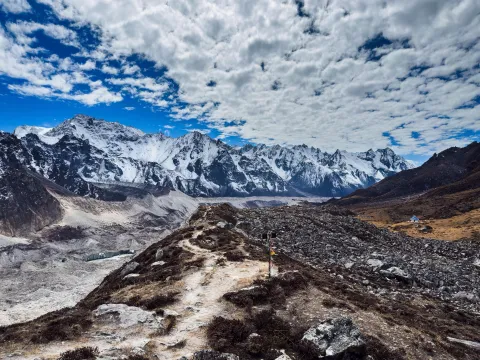
Nepal’s Ultimate Remote Himalayan Adventure The Kanchenjunga Circuit Trek is not just a trek—it’s an invitation to step into the untouched heart of the eastern Himalayas. Towering at 8,586 meters, Mount Kanchenjunga, the world’s third-highest peak, commands awe and respect. Perched on the border between Nepal and India’s Sikkim state, just 74 km northwest of Darjeeling, this massif is a colossal natural wonder shaped like a cross, with its four arms stretching north, south, east, and west.The trail is quiet, scenic, and remote. The trail has been trekked by few numbers of trekkers so you will get to meet the local pedestrians as your companion. This inspirational trek is in the pristine Himalayan community and rewards a journey of a lifetime. Kanchenjunga Base Camp Trek provides an excellent opportunity for those who wish to enter the hills and valleys of eastern Nepal that leads you to the foothills of Mt. Kanchenjunga offering unlimited and superb camping sites offering magnificent natural scenery as afforded by snowy peaks.Therefore, Kanchenjunga Base Camp Trek is truly an Inspirational Himalayan Trip. Why Kanchenjunga Trek is Truly UniqueUnlike popular trekking routes in Nepal, Kanchenjunga Circuit is remote, tranquil, and almost entirely off-the-beaten-path. The trail meanders through dense rhododendron forests, serene alpine meadows, and high mountain ridges, where the only companions you’ll meet are local villagers, grazing yaks, and the occasional adventurous trekker. It’s a journey that blends adventure, solitude, and deep immersion in nature.What makes this trek truly special is its cultural richness. You’ll encounter the Limbu community, one of Nepal’s indigenous ethnic groups, who welcome visitors with warm smiles and centuries-old traditions. Experiencing their lifestyle, festivals, and hospitality adds a human dimension to the raw wilderness around you.Scenic Highlights & Natural BeautyFrom the moment you set foot on the trail, every step is a visual feast:Dense Rhododendron Forests: Especially vibrant in spring, when the blooms paint the valleys in a riot of red and pink.Pristine Himalayan Villages: Traditional wooden homes, prayer flags fluttering in the wind, and villagers going about their daily life.High Mountain Passes: Dramatic views of Kanchenjunga’s snowy peaks, cross peaks, and surrounding glaciers.Alpine Meadows & Yak Pastures: Ideal spots for camping under starlit skies, surrounded by absolute serenity.This trek isn’t just about reaching the base camp; it’s about soaking in the landscape at every altitude, from the gentle hills of Yamphudin (1,650 m) to the high ridges of Lamche (3,750 m) and Ramche (4,360 m). Each stretch of the trail reveals a different side of the Himalayas—from lush green valleys to rugged, snow-capped ridges.A Journey Through Eastern NepalYour adventure begins in Kathmandu, flying into Suketar, Taplejung, the gateway to the Kanchenjunga region. From there, the trail takes you through picturesque villages and hillsides:Lali Kharka (2,220 m) – The first taste of remote Himalayan life.Keswa (2,100 m) & Mamanke (2,000 m) – Small villages where the rhythm of life is slow, peaceful, and traditional.Yamphudin (1,650 m) – Trek through ancient forests and terraced fields.Lamche & Ramche – Higher altitudes with panoramic views and a hint of adventure as you ascend toward Kanchenjunga’s base.The trek’s highlight is Mirgin-La, a breathtaking high pass offering unparalleled views of Kanchenjunga and surrounding peaks. Descending via Pangpema to Ghunsa, you experience the south-western slopes of the massif and pass by Oktang Yak pastures, truly connecting with the raw, majestic beauty of the Himalayas.Why This Trek is InspirationalThe Kanchenjunga Circuit is more than a trek—it’s a life-changing experience. Remote trails, pristine landscapes, and genuine cultural encounters make it a journey of discovery. Every step challenges your body, captivates your senses, and nourishes your spirit.Whether you’re camping under the starlit sky, breathing the crisp mountain air, or witnessing the first rays of sunlight hitting Kanchenjunga’s snow-clad peaks, this trek leaves you with memories that linger long after the journey ends.In short, the Kanchenjunga Base Camp Trek is the ultimate Himalayan adventure for those seeking solitude, natural grandeur, and authentic cultural experiences. It’s a trek for dreamers, explorers, and anyone looking to witness Nepal’s untouched Himalayan splendor.Trip Grade: Strenuous The Kanchenjunga Circuit Trek is classified as strenuous, or Grade 3, making it one of Nepal’s most challenging yet rewarding trekking experiences. The trail climbs from around 4,000 meters to 5,550 meters, exposing trekkers to high-altitude conditions and steep terrain.This trek is ideal for those who have some previous trekking experience, are in good physical health, and possess strong determination. While no technical climbing skills are required, you will encounter frequent ascents and descents, and in some sections, you may need to cross small glaciers or navigate rugged mountain paths.Physical Demands & PreparationWalking at high altitudes is significantly more physically demanding than trekking in lower regions. Your pace may be slower to accommodate the thinner air, but this allows your body to acclimatize and ensures a safer journey.To prepare for this trek, we strongly recommend:Cardiovascular training: Jogging, brisk walking, cycling, or swimming several times a week.Strength training: Climbing stairs, hill walking, or step exercises to build leg strength.Endurance hikes: Doing shorter treks or long walks with a backpack will help condition your body.Even if you are in average physical fitness, with good health and a determined mindset, you can complete this trek successfully. Previous hiking experience is an advantage, but not mandatory—no specialized mountaineering or technical skills are needed.Why It’s Worth ItA strenuous trek like Kanchenjunga is more than just a physical challenge. It offers a once-in-a-lifetime adventure, walking through untouched Himalayan wilderness, witnessing snow-capped peaks, and camping in pristine alpine meadows. Every step brings you closer to the majestic Kanchenjunga massif, giving a deep sense of accomplishment and connection with nature.At the end of the journey, you’ll not only have tested your endurance but also created unforgettable memories, embraced the rich local culture, and experienced the raw beauty of the Himalayas—a truly breathtaking adventure that stays with you forever.
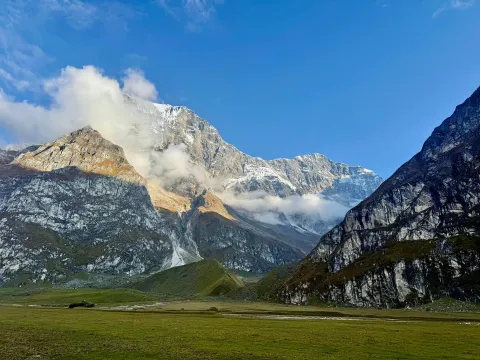
Api Base Camp Trek – Explore the Hidden Himalaya of Western NepalThe Api Base Camp Trek is a rare opportunity to journey deep into the untouched and breathtaking landscapes of far western Nepal, a region often overlooked by mainstream trekkers. Unlike the crowded trails of Everest and Annapurna, this trek offers a truly remote Himalayan adventure, where solitude, raw mountain beauty, and authentic cultural encounters await every traveler. From lush forested valleys to high alpine pastures and the awe-inspiring Mount Api, this journey is a perfect blend of nature, culture, and adventure for seasoned trekkers and those seeking off-the-beaten-path experiences.Why the Api Base Camp Trek is SpecialIf you are a trekker looking for solitude in the Himalaya, the Api Base Camp Trek delivers it in abundance. Far removed from Nepal’s heavily trafficked trails, this journey takes you through traditional villages, verdant forests, and rugged mountain terrain, gradually ascending toward the imposing south face of Mount Api, one of the country’s most dramatic and least explored peaks.One of the highlights of this trek is Kalidhunga Taal, a serene glacial lake considered sacred by the local communities. Trekking to this high-altitude lake is not just a physical challenge but also a spiritual journey, giving you a glimpse into the Himalayan cultural landscape and the deep reverence local people have for their mountains and water sources.Beyond natural beauty, the trek offers an intimate encounter with the lives of the remote Himalayan communities in the Api region. Villages like Khandeshwori, Lumcha, Simar, and Jhusku feature traditional stone and mud houses, terraced fields, and yak pastures. Staying in local homes not only provides cozy accommodations but also supports the communities and allows travelers to experience authentic Nepalese hospitality.Trek Overview: Trails, Villages, and MountainsThe Api Base Camp Trek typically spans 10–14 days, combining jeep rides, moderate-to-strenuous trekking, and immersive village stays. Here’s what you can expect along the route:Forest Trails and Traditional VillagesThe trek begins in the lower valleys, passing through forested hills, rivers, and terraced farms. Early days are gentle, allowing trekkers to acclimatize while enjoying the simple life of the local communities. Villages along the route are quiet, with mud-built houses painted with white clay, narrow winding paths, and fields where locals grow barley, millet, and potatoes. Home stays here provide hearty traditional meals and warm, welcoming hospitality.High Alpine LandscapesAs the trek progresses, you’ll gain altitude and the environment transforms dramatically. Alpine pastures, wildflowers, cascading streams, and panoramic mountain views dominate the landscape. The path to Mount Api Base Camp winds through rugged terrain, offering trekkers a chance to truly feel the remoteness and majesty of the western Himalaya.Mount Api and Kalidhunga TaalThe Api Base Camp is the centerpiece of this trek. Standing beneath the towering south face of Mount Api, trekkers are rewarded with awe-inspiring views, perfect for photography and reflection. Nearby is Kalidhunga Taal, a high-altitude glacial lake considered sacred by local people. Visiting this serene lake allows trekkers to witness spiritual Himalayan traditions while soaking in the pristine natural beauty.Cultural EncountersThroughout the trek, you will experience authentic village life. Interacting with locals, sharing meals, and participating in cultural rituals provide a deep understanding of the Karnali region’s traditions. This combination of natural exploration and cultural immersion makes the Api Base Camp Trek a uniquely humanized adventure.What Makes This Trek DifferentRemote and Untouched: Unlike the Everest or Annapurna regions, the Api trek is largely unexplored. Crowds are minimal, and the trails offer a sense of real adventure.Cultural Depth: Visiting villages along the Chameliya River and staying with local families gives you a first-hand cultural experience that mainstream trekking routes rarely provide.Dramatic Himalayan Scenery: Expect sweeping views of Mount Api, Jethi Bhaurani, and surrounding peaks, alongside verdant valleys, rivers, and alpine landscapes.Spiritual Highlights: Kalidhunga Taal is more than a sightseeing stop; it is a sacred site, providing a spiritual dimension to your trek.Tailored Adventure: With experienced local guides from Expedition Our Karnali Rafting & Adventure Pvt Ltd, the trek is carefully paced for safety, acclimatization, and immersive experiences.Who Should Consider the Api Base Camp Trek?This trek is perfect for travelers who:Seek solitude and authentic adventure in the HimalayaEnjoy moderate to challenging trekking with cultural immersionWant to experience remote Nepalese villages and traditional lifestylesAre passionate about photography and natureAppreciate spiritual and high-altitude natural sites, like Kalidhunga TaalIt is not a luxury trek. The accommodations are simple, mostly local home stays or small guest houses, which enhances the authenticity and intimacy of the journey. The focus is on connection with nature, culture, and self, rather than luxury comfort.Practical Tips for TrekkersBest Season: Spring (March–May) or Autumn (September–November) for clear skies and moderate weather.Fitness Level: Moderate; daily treks can range from 5–8 hours with some steep ascents.Accommodation: Home stays in villages like Khandeshwori, Lumcha, Simar, and Jhusku; basic facilities with traditional meals.Guides and Porters: Highly recommended; local guides enhance safety, navigation, and cultural understanding.Packing Essentials: Trekking boots, layered clothing, trekking poles, water bottles, first aid, and camera for breathtaking landscapes.NoteThe Api Base Camp Trek is more than a trek—it is an immersive journey into Nepal’s hidden Himalaya, where nature, culture, and adventure come together in harmony. From walking through remote villages and lush valleys to standing in awe beneath the towering Mount Api and visiting the sacred Kalidhunga Taal, this trek offers experiences that remain etched in memory long after the journey ends.For trekkers seeking a quiet, authentic, and soul-enriching Himalayan adventure, the Api Base Camp Trek promises an unforgettable expedition into one of Nepal’s last frontiers.

Share your travel dreams with us and we will create a customized itinerary that matches your preferences and budget.